Authentic Korean Japchae (Glass Noodle Stir Fry)
Learn to make authentic Korean japchae with bouncy sweet potato starch noodles, marinated beef, and vibrant vegetables. A balanced, savory-sweet Korean glass noodle stir fry.
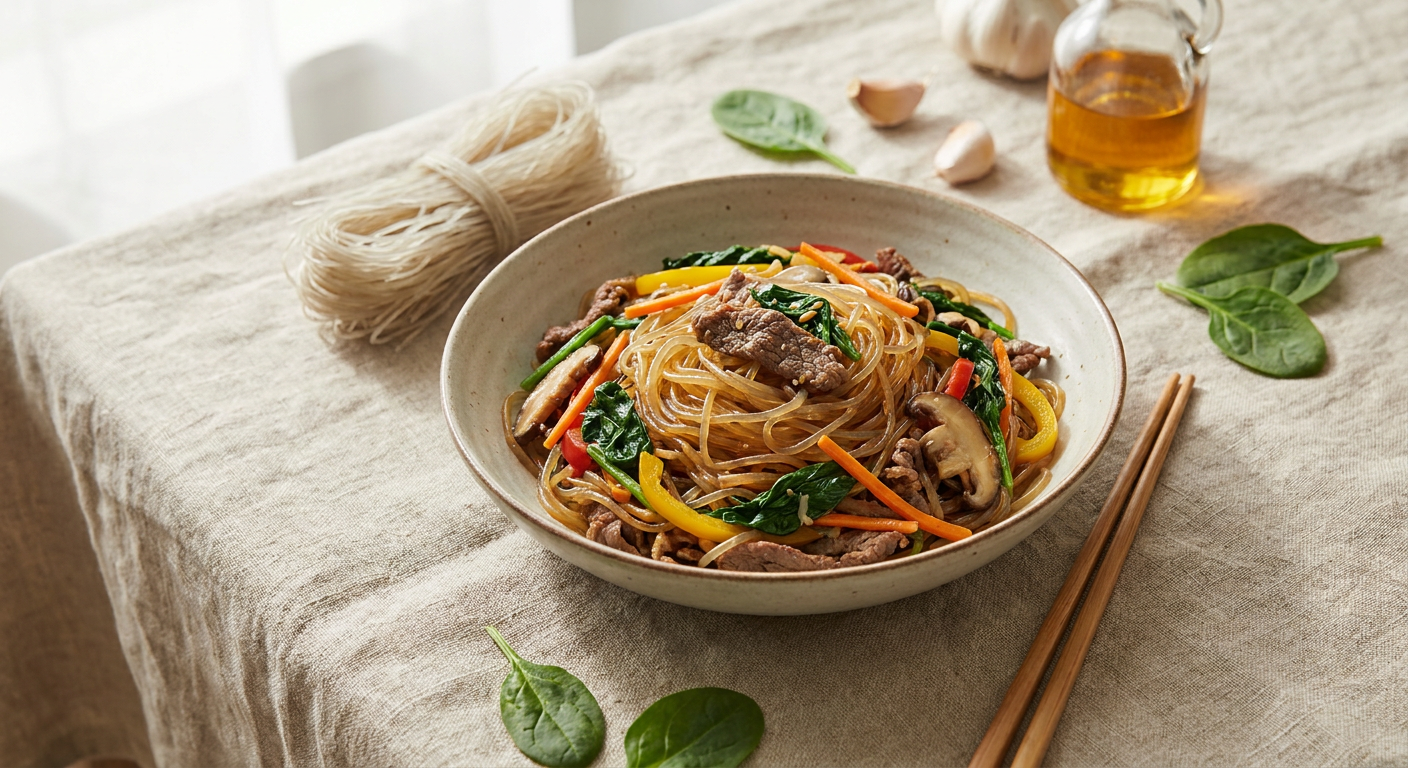

Korean japchae is the ultimate celebration dish, prized for its unique chewy texture and the clean, distinct flavors of its ingredients. Unlike a standard stir fry where everything hits the pan at once, this traditional recipe treats each component with individual care to ensure colors stay bright and textures remain crisp.
This japchae recipe centers on dangmyeon, or sweet potato starch noodles, which are naturally gluten-free and absorb the savory-sweet sesame soy dressing beautifully. By boiling the noodles just until they bounce and tossing them while hot, you achieve that signature glossy finish that defines a great Korean glass noodle stir fry.
Whether you are serving this as a hearty side dish (banchan) or a main course, the combination of marinated ribeye, delicate egg ribbons, and wood ear mushrooms creates a sophisticated balance of earthy and sweet notes that is hard to beat.
Ingredients
The Noodles and Beef
- 250g (8.8 oz) sweet potato starch noodles (dangmyeon)
- 150g (5.3 oz) beef ribeye or flank steak, cut into thin 2-inch strips
- 1 tablespoon soy sauce (for beef)
- 1 teaspoon toasted sesame oil (for beef)
- 1 teaspoon minced garlic
- 1/2 teaspoon black pepper
The Vegetables and Egg
- 2 large eggs, beaten with a pinch of salt
- 1 medium carrot, julienned
- 1 yellow onion, thinly sliced
- 100g (3.5 oz) fresh shiitake mushrooms, sliced
- 200g (7 oz) fresh spinach
- 2 scallions, cut into 2-inch lengths
- Cooking oil (grapeseed or vegetable)
The Sauce and Garnish
- 4 tablespoons soy sauce
- 2 tablespoons granulated sugar
- 2 tablespoons toasted sesame oil
- 1 tablespoon toasted sesame seeds
- 1/2 teaspoon black pepper
Instructions
- 1
Marinate the beef by mixing the sliced steak with 1 tablespoon soy sauce, 1 teaspoon sesame oil, garlic, and pepper; set aside for 20 minutes.
- 2
Whisk the eggs and fry them into a thin omelet in a lightly oiled non-stick pan. Remove, let cool, and slice into thin ribbons (jidan).
- 3
Blanch the spinach in boiling water for 30 seconds, rinse in cold water, squeeze out all excess moisture, and season with a drop of sesame oil and salt.
- 4
Boil the sweet potato starch noodles in a large pot for 7 minutes or until translucent and chewy. Drain and, while still hot, toss with 1 tablespoon of the sauce mixture to prevent sticking.
- 5
Sauté the onions and carrots separately with a pinch of salt in a lightly oiled skillet over medium-high heat until just softened but still vibrant. Transfer to a large mixing bowl.
- 6
Sauté the shiitake mushrooms and scallions for 2 minutes, then add to the mixing bowl.
- 7
Cook the marinated beef in the same skillet over high heat until browned and caramelized; add to the mixing bowl.
- 8
Combine the cooked noodles, all sautéed vegetables, beef, and egg ribbons in the large bowl.
- 9
Pour the remaining sauce (soy sauce, sugar, sesame oil) over the ingredients and toss thoroughly by hand (using food-safe gloves) or with tongs to ensure every strand is coated.
- 10
Garnish generously with toasted sesame seeds and a final crack of black pepper before serving warm or at room temperature.
Nutrition (per serving)
Estimates only — not medical or dietary advice.
- Calories
- 465 kcal
- Protein
- 14 g
- Carbs
- 68 g
- Fat
- 15 g
- Fiber
- 4 g
- Sugar
- 10 g
- Sodium
- 1180 mg
Tips
- → Do not overcook the noodles; they should have a 'bounce' or 'snap' to them. If they become mushy, they will break when tossed.
- → Sautéing vegetables individually is not just tradition; it prevents the onion moisture from steaming the carrots and keeps the colors from bleeding into one another.
- → Toss the noodles while they are hot. The heat helps the starch absorb the soy and sugar, resulting in a deeper flavor and better sheen.
FAQ
Why is my japchae soggy?
Sogginess usually comes from overcooking the noodles or failing to squeeze enough water out of the blanched spinach. Ensure the noodles are drained well and the spinach is squeezed until dry.
Can I make Korean japchae ahead of time?
Yes, it keeps well in the fridge for 2-3 days. However, the noodles will stiffen when cold. Reheat it gently in a skillet with a splash of water or oil to restore the chewy texture.
How do I keep the noodles from sticking together?
The secret is tossing the noodles in a little sesame oil and soy sauce immediately after draining them while they are still steaming hot.
Is japchae served hot or cold?
It is traditionally served warm or at room temperature. It is rarely served ice-cold, as the sweet potato starch noodles lose their pleasant chewiness when chilled.
You might also like
 Dinner
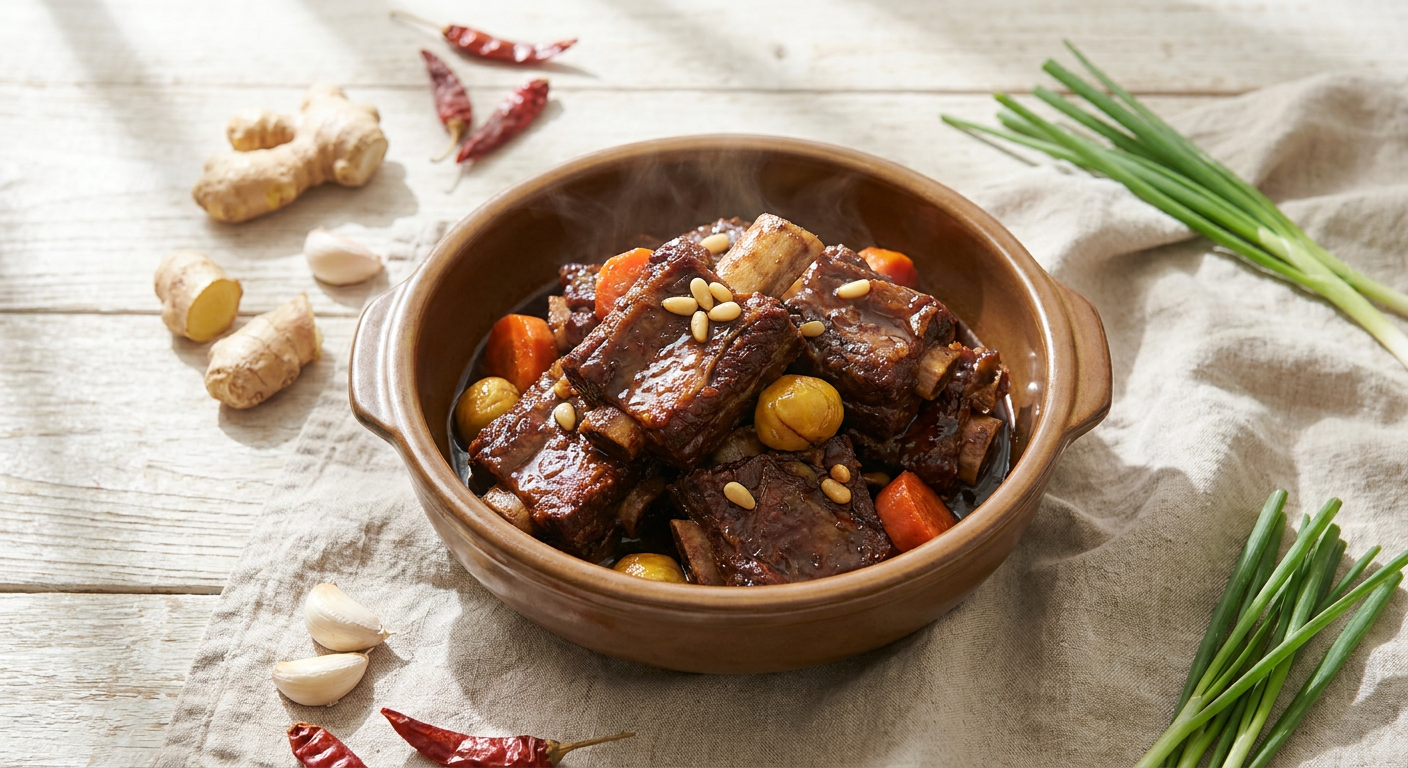
Authentic Galbijjim Recipe: Glossy Korean Braised Short Ribs
Master this galbijjim recipe for fall-off-the-bone Korean braised short ribs. Features a glossy sauce made with grated Korean pear, rice syrup, and chestnuts.
 Dinner
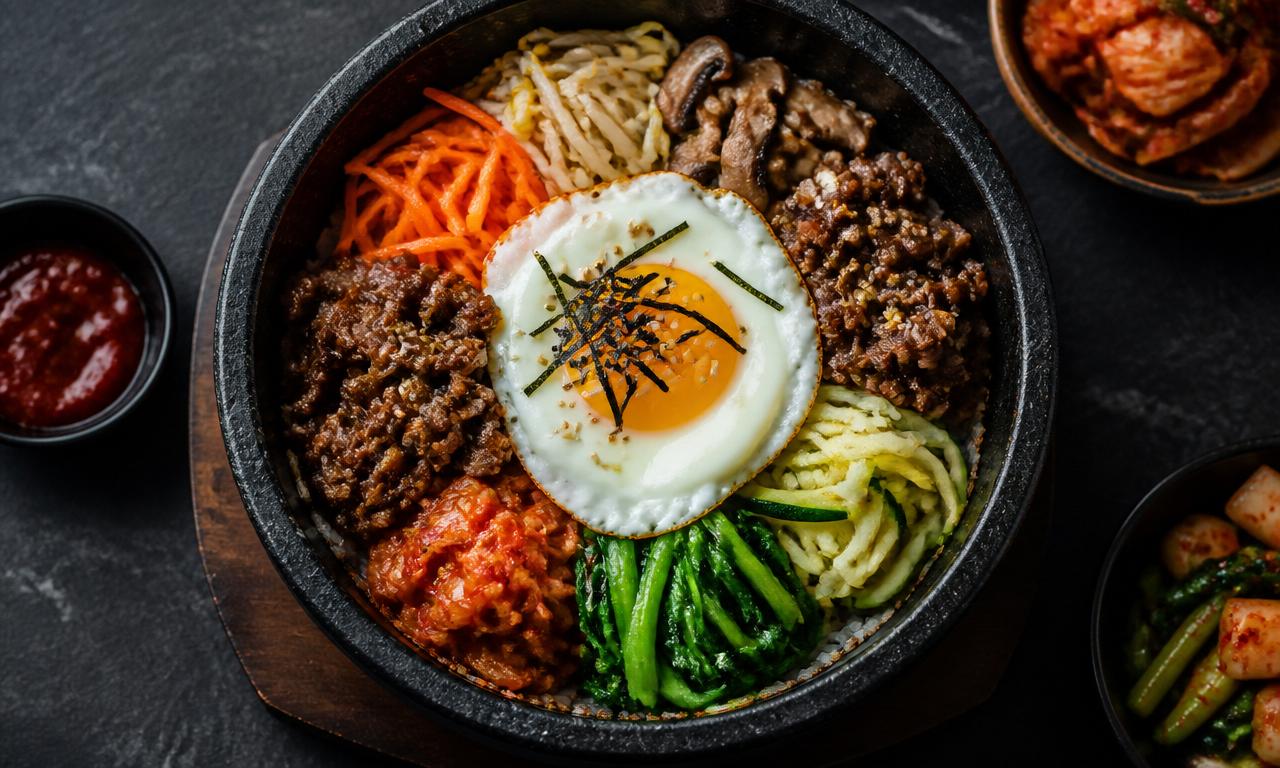
Authentic Bibimbap Recipe with Crispy Rice and Bulgogi
This bibimbap recipe features marinated bulgogi beef, seasoned vegetables, and a fried egg over crispy-bottom rice. Master this Korean bibimbap classic at home.
 Dinner
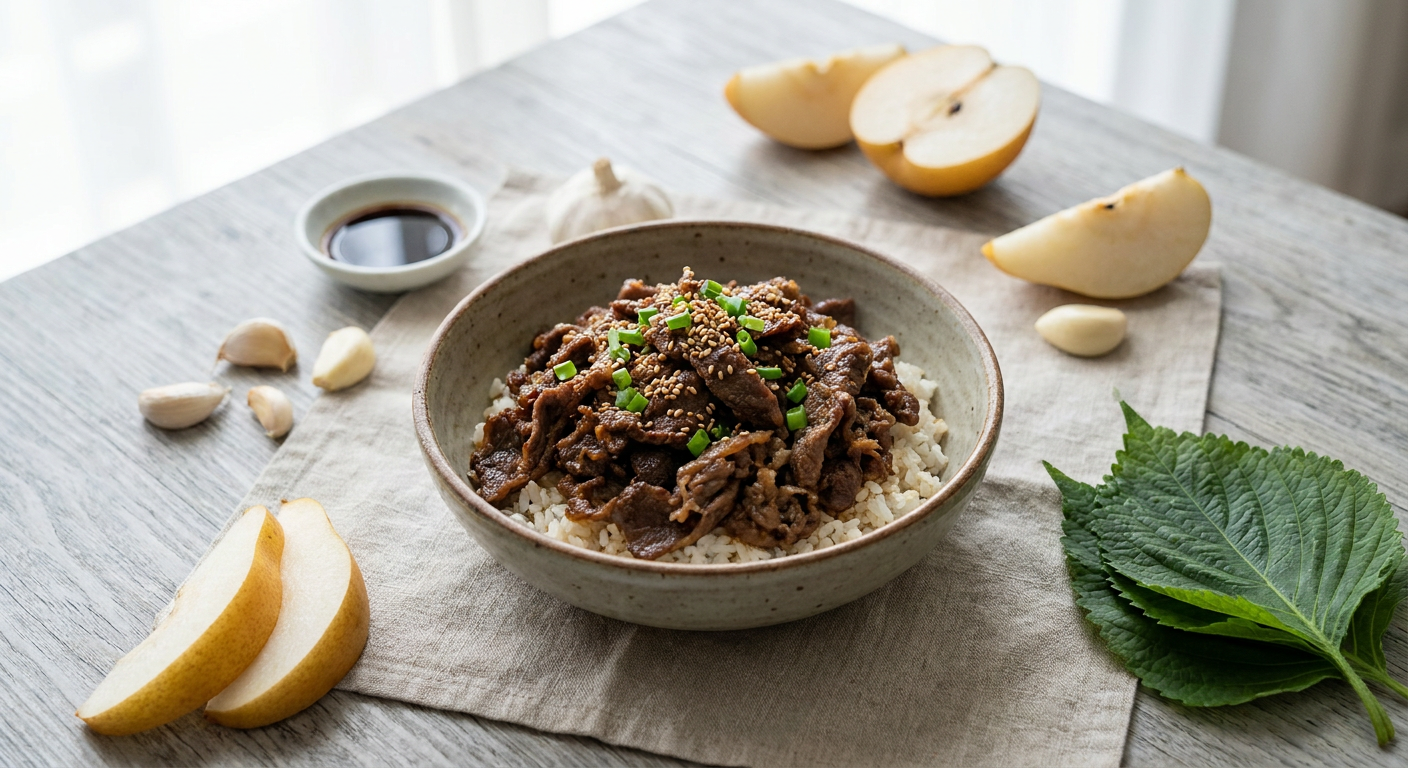
Easy Beef Bulgogi Recipe with Pear Marinade
This easy beef bulgogi recipe uses thinly sliced ribeye and a grated pear marinade to create tender, caramelized Korean BBQ at home in just 30 minutes.
 Dinner
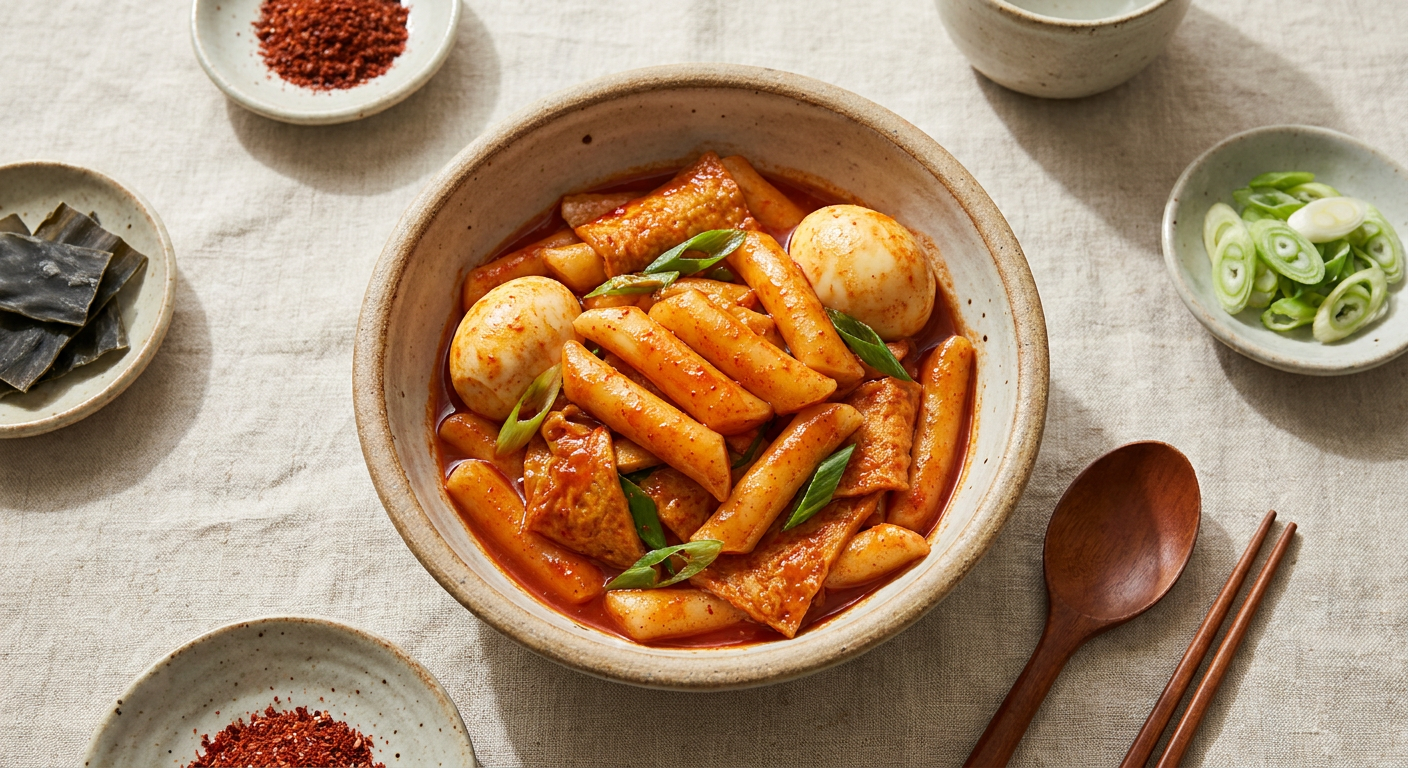
Authentic Tteokbokki Recipe: Chewy Korean Spicy Rice Cakes
Master this authentic tteokbokki recipe at home. Learn how to make chewy Korean spicy rice cakes in a glossy, savory gochujang sauce with fish cakes and jammy eggs.