Authentic Ghanaian Tuo Zaafi Recipe with Ayoyo Soup
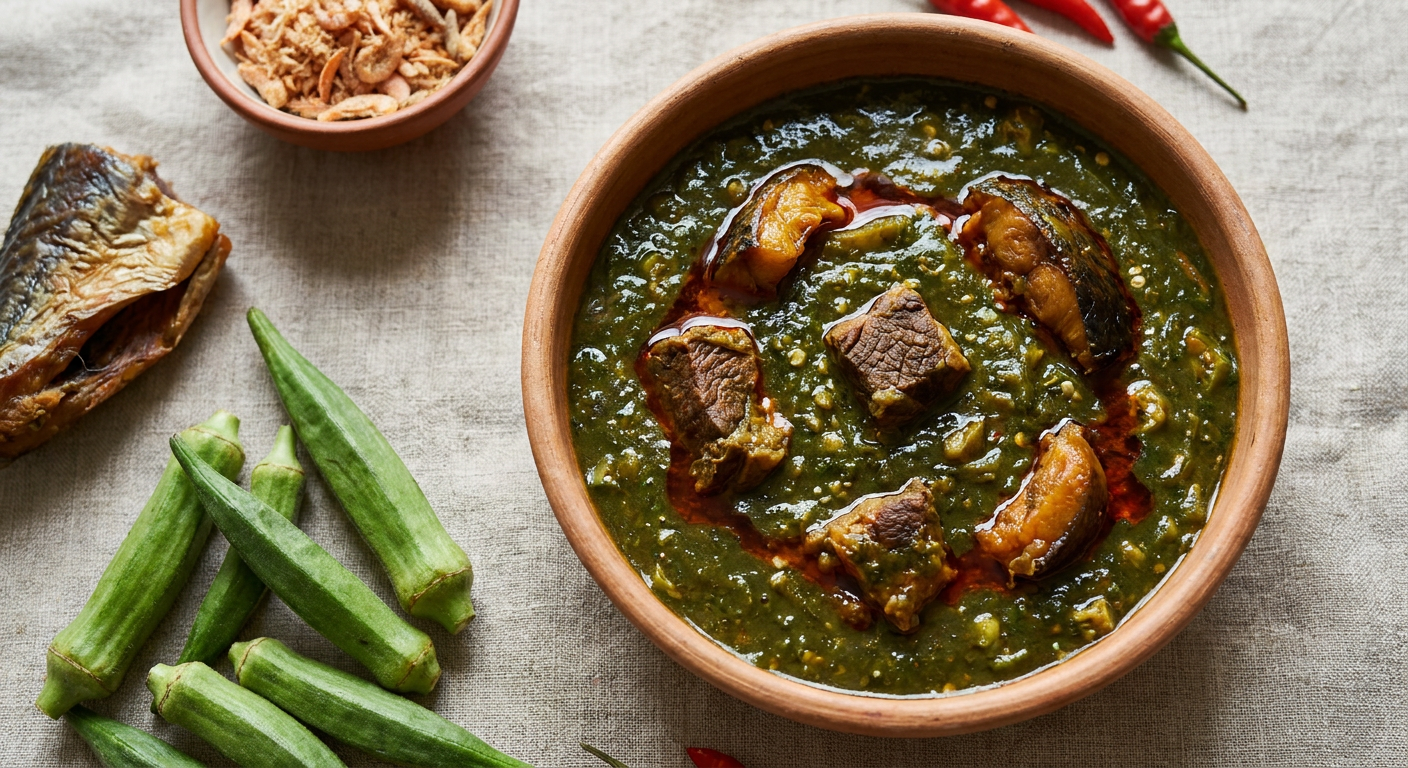
Master this authentic tuo zaafi recipe featuring soft maize dumplings, savory ayoyo soup with jute leaves, and a rich tomato stew base. The ultimate Ghanaian comfort food.
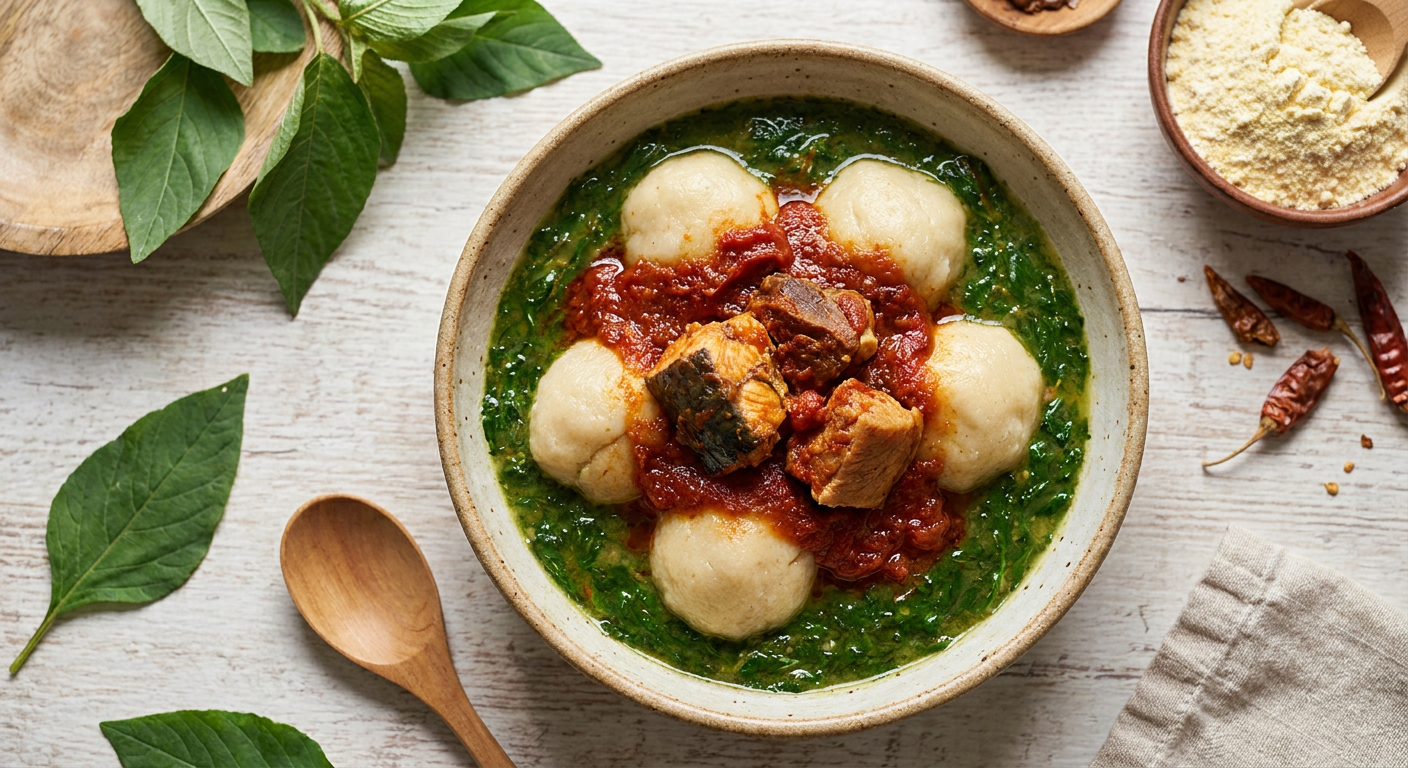

If you are looking for the ultimate comfort food from Northern Ghana, this authentic tuo zaafi recipe is the only guide you need. Known for its distinctively soft, elastic texture, tuo zaafi—or 'TZ'—is a staple dish made from a fermented or unfermented blend of maize and cassava flour, served alongside a vibrant, slippery green ayoyo soup.
Unlike the firmer fufu or banku, Ghanaian tuo zaafi is prized for being light on the stomach and incredibly smooth. The secret lies in the 'koko' base—a thin porridge that is thickened gradually with flour until it reaches a velvet-like consistency. When paired with a traditional tz soup recipe featuring dawadawa (locust beans) and dried fish, it creates a deeply savory experience that hits every umami note.
Making this at home requires a bit of arm strength and a steady whisking hand, but the results are far superior to any store-bought mix. We’re using a blend of fine cornmeal and cassava flour to ensure that signature stretch and clean finish.
Ingredients
Tuo Zaafi (The Dumplings)
- 3 cups (375g) fine cornmeal or maize flour
- 1 cup (120g) cassava flour
- 6 cups (1.4L) water, divided
- 1/2 teaspoon salt (optional)
Ayoyo Soup (Green Soup)
- 2 cups fresh jute leaves (ayoyo), finely chopped
- 1 tablespoon dawadawa (fermented locust beans), crushed
- 1 small onion, minced
- 1 teaspoon salt or bouillon powder
- 1/2 teaspoon bicarbonate of soda (to maintain green color and texture)
- 2 cups (480ml) water or light beef stock
- 1/2 cup dried herring or powdered fish
Tomato Stew Base
- 500g (1.1 lbs) beef or goat meat, cubed and steamed
- 1/2 cup palm oil or vegetable oil
- 2 large tomatoes, blended
- 1 tablespoon tomato paste
- 1 scotch bonnet pepper, bruised
- 1 teaspoon ginger-garlic paste
Instructions
- 1
Steam the meat with onions, ginger, garlic, and salt until tender; set aside the meat and stock.
- 2
Prepare the stew base by heating oil in a pot, frying the tomato paste for 3 minutes, then adding the blended tomatoes and pepper. Simmer for 15 minutes until the oil rises to the top, then stir in the cooked meat.
- 3
Start the ayoyo soup by boiling 2 cups of water or stock with the minced onion, dawadawa, and dried fish for 5 minutes.
- 4
Add the chopped jute leaves and bicarbonate of soda to the boiling pot. Whisk vigorously with a wooden spatula or a small broom (laba-laba) until the leaves are softened and the soup is slightly mucilaginous. Season and set aside.
- 5
Begin the tuo zaafi by mixing 1 cup of maize flour with 2 cups of cold water to create a smooth slurry.
- 6
Bring the remaining 4 cups of water to a boil in a large, heavy-bottomed pot. Slowly pour in the maize slurry while whisking constantly to prevent lumps, forming a thin porridge (koko).
- 7
Combine the remaining maize flour and cassava flour in a bowl.
- 8
Lower the heat and begin adding the flour blend to the porridge, one handful at a time. Use a sturdy wooden ladle (banku ta) to beat the mixture against the side of the pot.
- 9
Continue adding flour and kneading (stirring vigorously) until the dough is soft, smooth, and slightly elastic. If it feels too hard, add a splash of hot water and continue kneading.
- 10
Cover the pot and let the dough steam on very low heat for 5 minutes to ensure the flour is fully cooked.
- 11
Scoop the hot tuo zaafi into wet bowls to form smooth balls.
- 12
Serve by placing the tuo zaafi in a bowl, topping with a generous ladle of ayoyo soup, and finishing with a scoop of the tomato meat stew.
Nutrition (per serving)
Estimates only — not medical or dietary advice.
- Calories
- 845 kcal
- Protein
- 42 g
- Carbs
- 112 g
- Fat
- 28 g
- Fiber
- 9 g
- Sugar
- 4 g
- Sodium
- 880 mg
Tips
- → Always sift your maize and cassava flour to ensure there are no grits, which helps achieve that signature velvet texture.
- → The bicarbonate of soda is optional, but it helps break down the jute leaves quickly and keeps the soup a vibrant green.
- → If you don't have fresh jute leaves, frozen chopped spinach mixed with a little okra can mimic the texture, though the flavor will differ slightly.
- → Wet your spoon or bowl with water before scooping the dough; this prevents sticking and gives the tuo zaafi a glossy, smooth exterior.
FAQ
What is the difference between Tuo Zaafi and Banku?
Tuo Zaafi is much softer and less sour than Banku. While Banku uses fermented corn and cassava dough to create a firm, tart dumpling, Tuo Zaafi uses a porridge-based method to create a light, soft, and easy-to-digest consistency.
How do I prevent lumps in my tuo zaafi recipe?
The key is to start with a smooth cold-water slurry and whisk it into the boiling water rapidly. When adding the dry flour later, work in small batches and knead vigorously against the pot walls.
Can I make this without cassava flour?
You can use 100% maize flour, but the cassava flour provides the 'stretch' and elasticity that makes the dish authentic. Without it, the texture will be more like a thick mash than a cohesive dough.
Why is my ayoyo soup not slippery?
The 'slip' comes from the jute leaves. If yours isn't viscous enough, ensure you are whisking the leaves well while they boil, or add a tiny pinch of baking soda to help release the natural mucilage.
You might also like
 Dinner
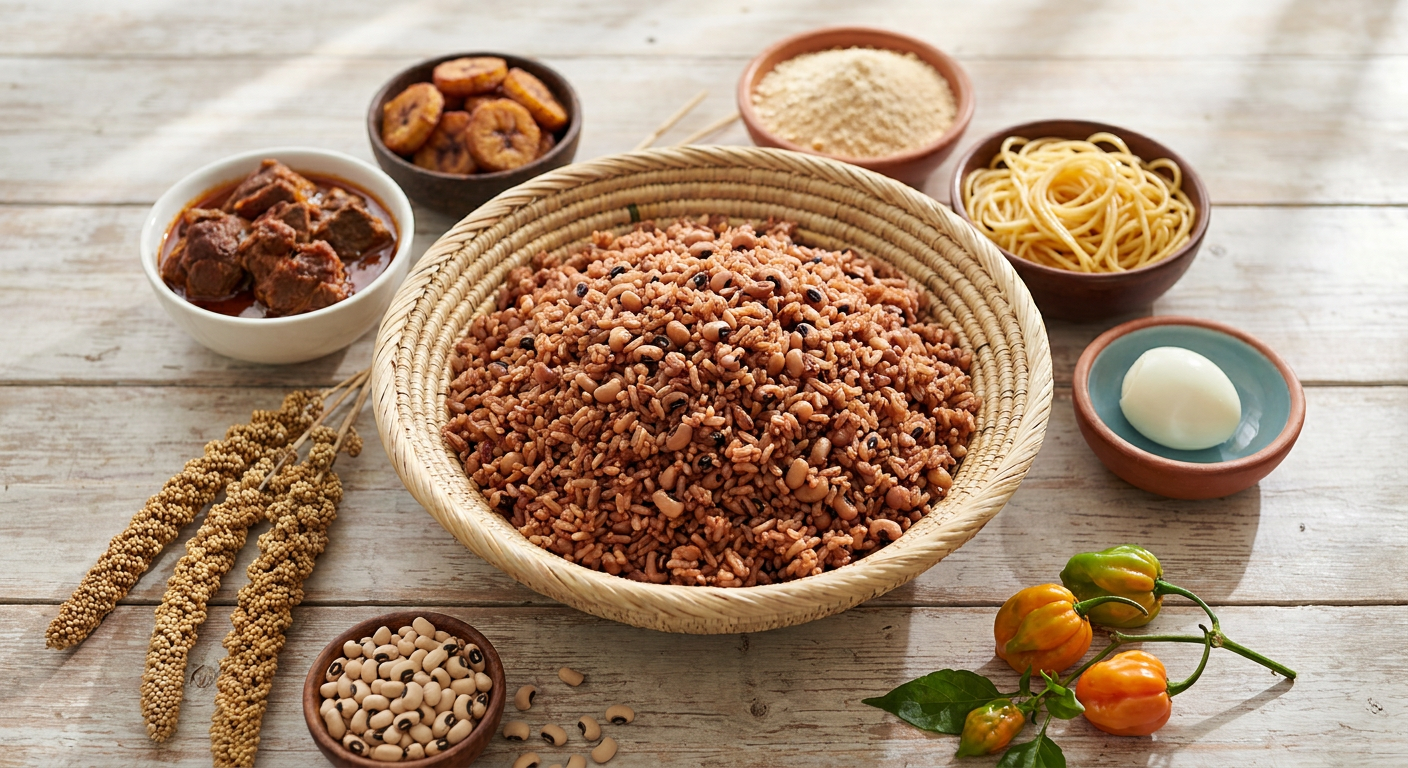
Authentic Ghanaian Waakye (Rice and Black-Eyed Peas)
Master authentic Ghanaian waakye with this detailed guide. Learn to use sorghum leaves for that iconic color, served with shito, stew, and gari for a true street-style feast.
 Dinner
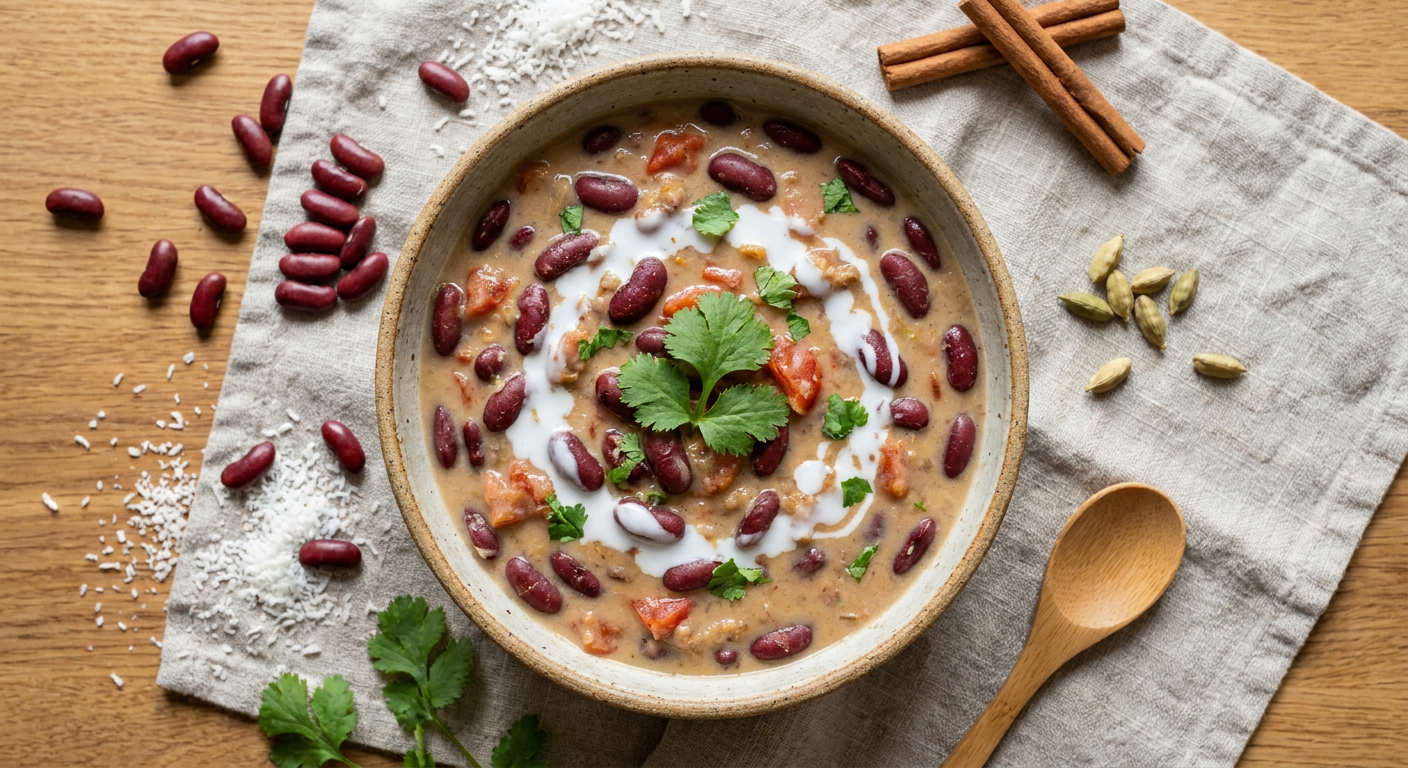
Creamy Maharagwe ya Nazi Recipe: Kenyan Coconut Beans
This authentic maharagwe ya nazi recipe simmers red kidney beans in rich coconut milk with Swahili spices for a creamy, comforting Kenyan bean stew.
 Dinner
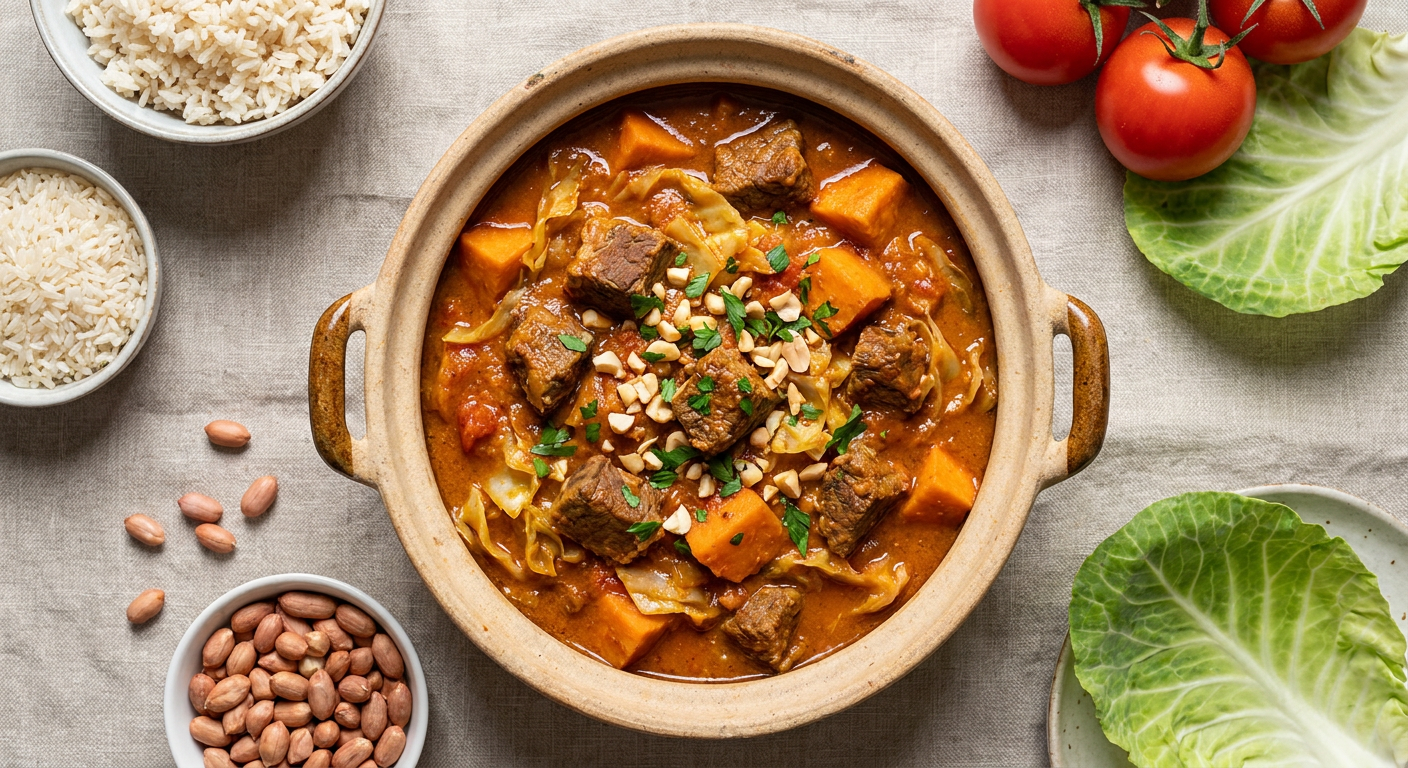
Authentic Mafe Recipe: Senegalese Peanut Stew with Beef
This authentic mafe recipe features tender beef simmered in a rich, savory peanut butter and tomato sauce with sweet potatoes and cabbage. A classic Senegalese peanut stew.
 Dinner
Authentic Nigerian Okra Soup Recipe: Silky, Smoky, and Savory
Learn how to make a traditional Nigerian okra soup recipe with beef and smoked fish. This ila asepo guide ensures a silky draw without the slime, perfect for pounded yam.