Authentic Galbijjim Recipe: Glossy Korean Braised Short Ribs
Master this galbijjim recipe for fall-off-the-bone Korean braised short ribs. Features a glossy sauce made with grated Korean pear, rice syrup, and chestnuts.
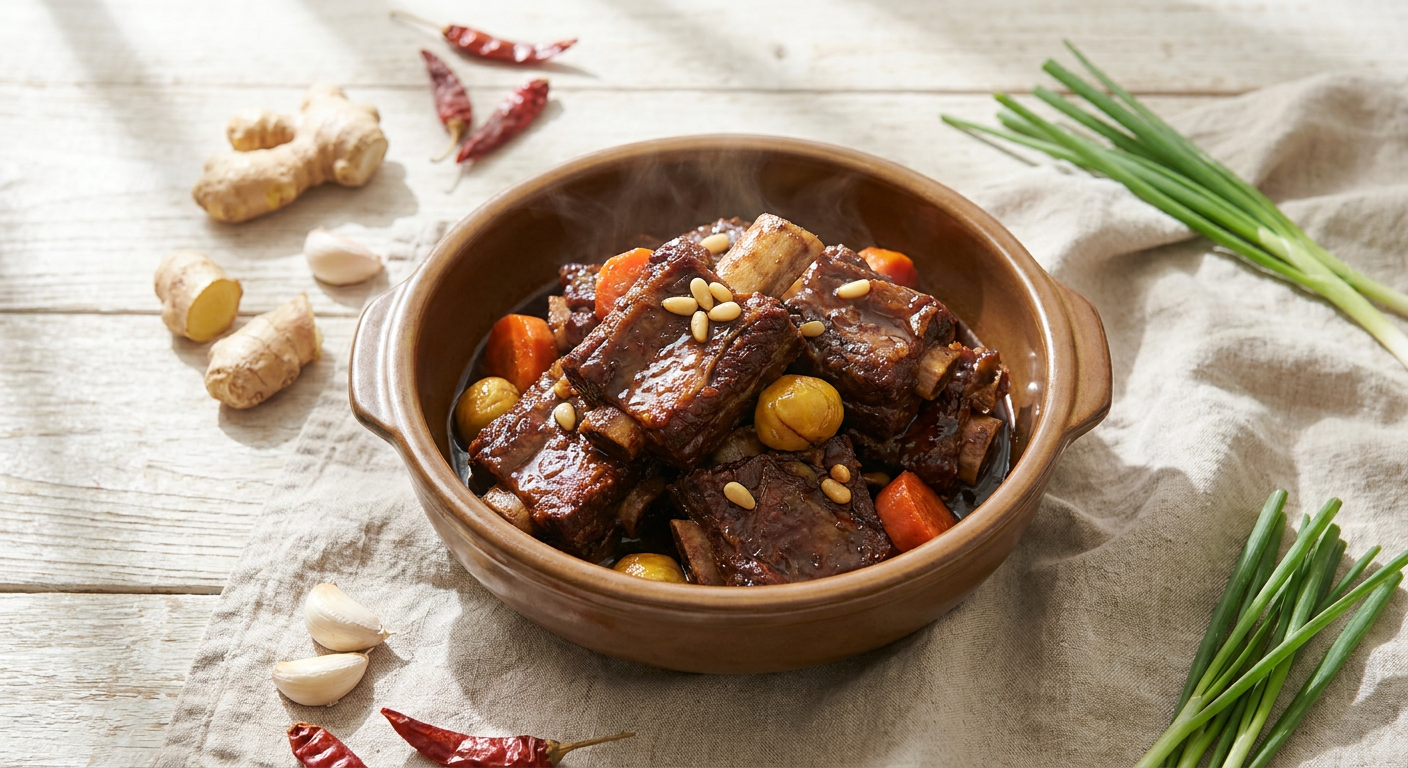

A truly great galbijjim recipe is the hallmark of a celebratory Korean feast, and the secret lies entirely in the clarity of the sauce. These Korean braised short ribs are known for their deep mahogany glaze and meat that yields to the mere suggestion of a chopstick.
To achieve a restaurant-quality galbi jjim, we start by soaking the ribs in cold water to draw out excess blood, ensuring the final braising liquid is clean rather than muddy. The richness is balanced by the natural enzymes of grated Korean pear and the gentle, persistent sweetness of rice syrup, which creates that iconic high-gloss finish.
While it takes time, the process is straightforward. We add the daikon, chestnuts, and jujubes late in the simmer to maintain their structure, preventing them from dissolving into a mushy heap. The result is a balanced, festive dish that looks as impressive as it tastes.
Ingredients
The Beef
- 1.8 kg (4 lbs) beef short ribs, bone-in, cut into 2-inch chunks
- Cold water for soaking
Braising Aromatics
- 1 large Korean pear (nashi), grated (approx. 1.5 cups)
- 120 ml (1/2 cup) soy sauce
- 60 ml (1/4 cup) rice syrup (or honey)
- 30 ml (2 tbsp) brown sugar
- 45 ml (3 tbsp) mirin
- 6 cloves garlic, minced
- 15 g (1 tbsp) fresh ginger, grated
- 1/2 tsp black pepper
- 1 medium onion, grated
The Braise Additions
- 300 g (10 oz) Korean radish (mu) or daikon, peeled and cut into 1.5-inch chunks
- 2 medium carrots, peeled and cut into 1-inch chunks
- 10-12 peeled chestnuts (fresh or canned/vacuum-packed)
- 8 dried jujubes (Korean red dates)
- 6-8 dried shiitake mushrooms, soaked and halved
- 1 tbsp toasted sesame oil
- 1 tbsp toasted sesame seeds
- 2 scallions, sliced
Instructions
- 1
Soak the short ribs in a large bowl of cold water for at least 1 hour, changing the water twice, to draw out the blood and bone fragments.
- 2
Blanch the soaked ribs in a large pot of boiling water for 5-8 minutes until grey and firm, then drain and rinse each bone individually under cold water to remove impurities.
- 3
Whisk together the grated pear, onion, soy sauce, rice syrup, brown sugar, mirin, garlic, ginger, and black pepper in a small bowl.
- 4
Place the blanched ribs in a heavy-bottomed Dutch oven or large pot and pour the sauce over the meat, adding enough water (about 2 cups) to just barely cover the ribs.
- 5
Bring to a boil over medium-high heat, then reduce to a low simmer, cover, and cook for 60 minutes.
- 6
Trim the sharp edges of the radish and carrot chunks with a paring knife to round them into spheres; this prevents them from breaking apart in the pot.
- 7
Add the rounded radish, carrots, chestnuts, jujubes, and shiitake mushrooms to the pot, stirring gently to submerge.
- 8
Cover and continue simmering for another 30-45 minutes until the beef is tender and the vegetables are cooked through but still hold their shape.
- 9
Remove the lid and increase the heat to medium-high for the final 5-10 minutes, spooning the sauce over the ribs repeatedly until the liquid reduces into a thick, glossy glaze.
- 10
Off the heat, stir in the sesame oil and garnish with sesame seeds and sliced scallions before serving with steamed white rice.
Nutrition (per serving)
Estimates only — not medical or dietary advice.
- Calories
- 895 kcal
- Protein
- 52 g
- Carbs
- 38 g
- Fat
- 58 g
- Fiber
- 5 g
- Sugar
- 22 g
- Sodium
- 1480 mg
Tips
- → Rounding the edges of the radish and carrots isn't just for aesthetics; it prevents the corners from disintegrating and making the sauce cloudy.
- → If you can't find Korean pear, use a Bosc pear or a sweet apple like Fuji; the enzymes are crucial for tenderizing the tough connective tissue in the ribs.
- → For the cleanest flavor, refrigerate the cooked dish overnight, skim off the solidified fat the next morning, and reheat gently.
FAQ
Why does my galbijjim sauce look cloudy?
Cloudiness usually happens if the ribs weren't soaked and blanched properly, or if the vegetables were added too early and disintegrated into the sauce.
Can I use a slow cooker for this galbijjim recipe?
Yes, but reduce the added water by half. You will still need to transfer the contents to a stovetop pot at the end to reduce the sauce into a glossy glaze.
How do I make the meat fall-off-the-bone tender?
The key is the low and slow simmer combined with the grated pear. If the meat is still tough, it simply needs more time; continue simmering in 15-minute increments.
What can I substitute for rice syrup?
Honey or corn syrup works as a 1:1 replacement, though rice syrup provides the most traditional 'sticky' shine to the ribs.
You might also like
 Dinner
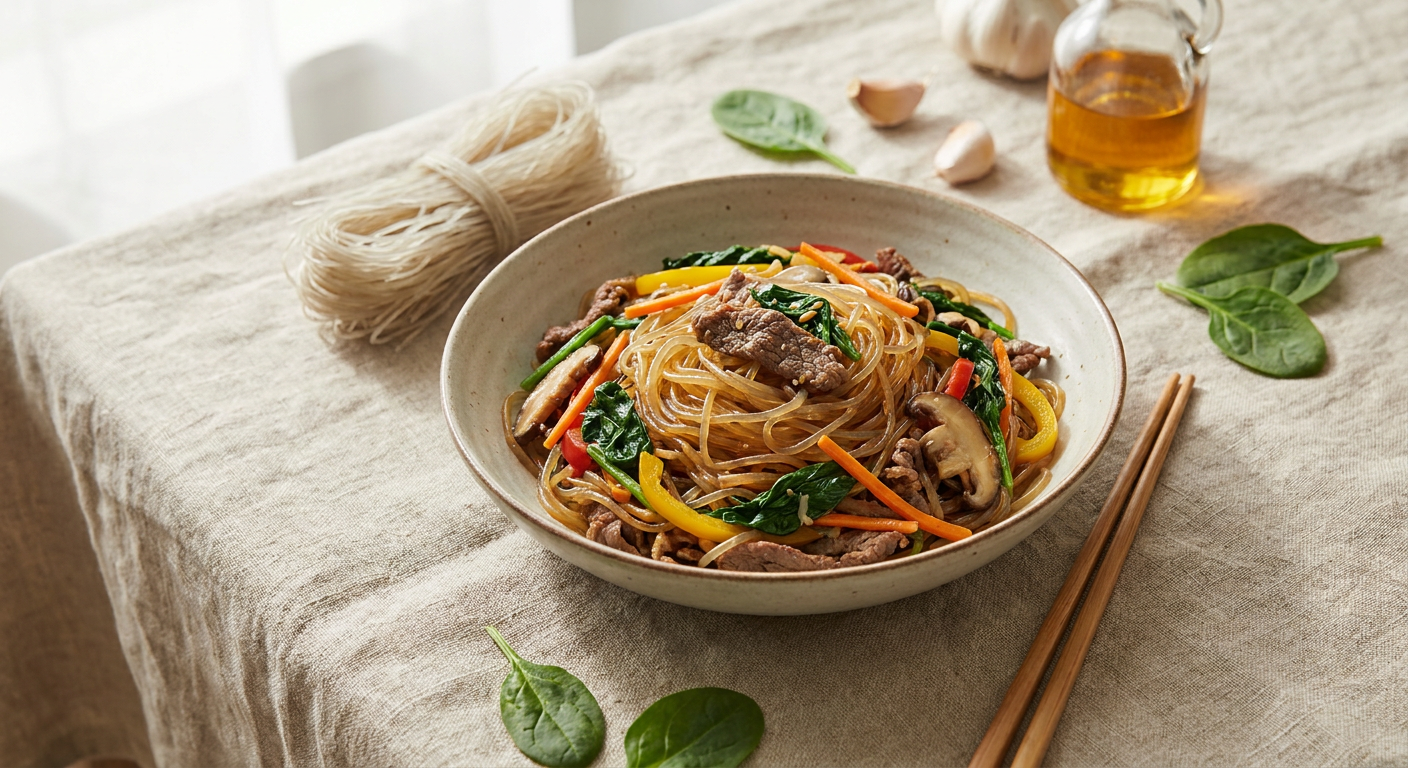
Authentic Korean Japchae (Glass Noodle Stir Fry)
Learn to make authentic Korean japchae with bouncy sweet potato starch noodles, marinated beef, and vibrant vegetables. A balanced, savory-sweet Korean glass noodle stir fry.
 Dinner
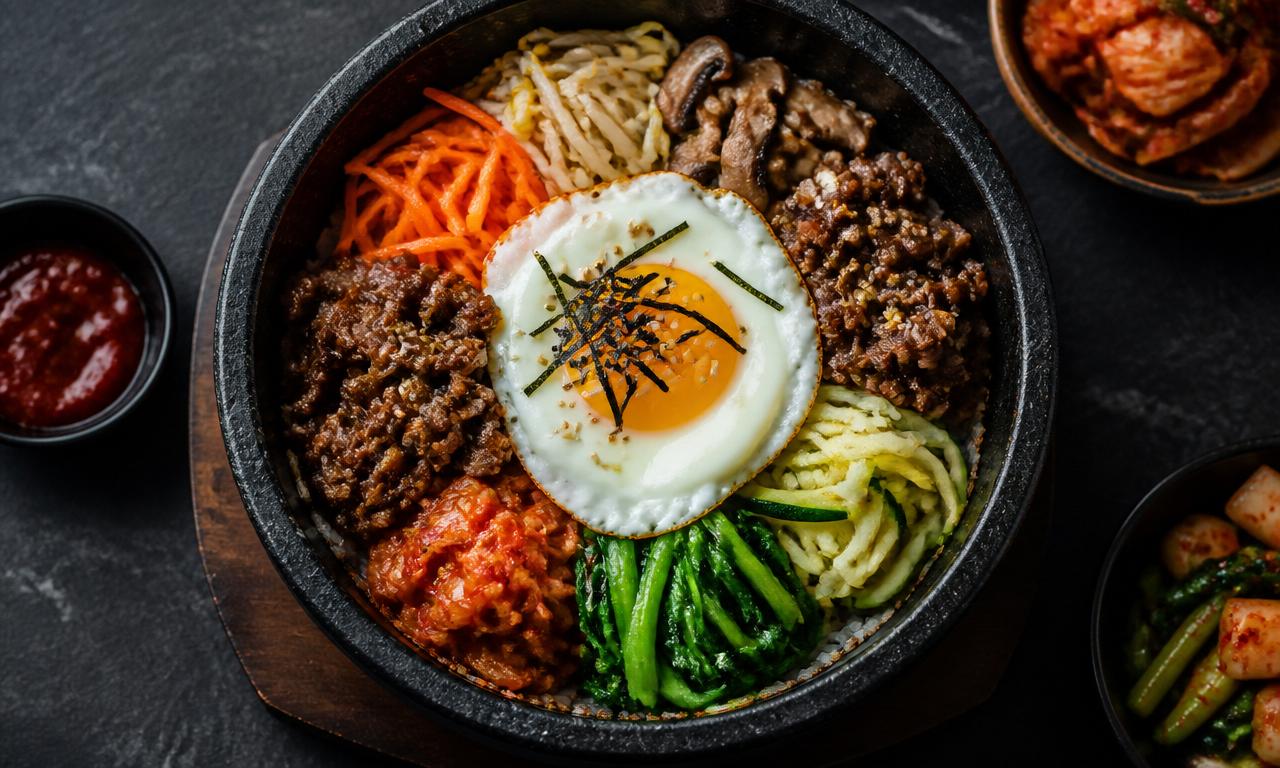
Authentic Bibimbap Recipe with Crispy Rice and Bulgogi
This bibimbap recipe features marinated bulgogi beef, seasoned vegetables, and a fried egg over crispy-bottom rice. Master this Korean bibimbap classic at home.
 Dinner
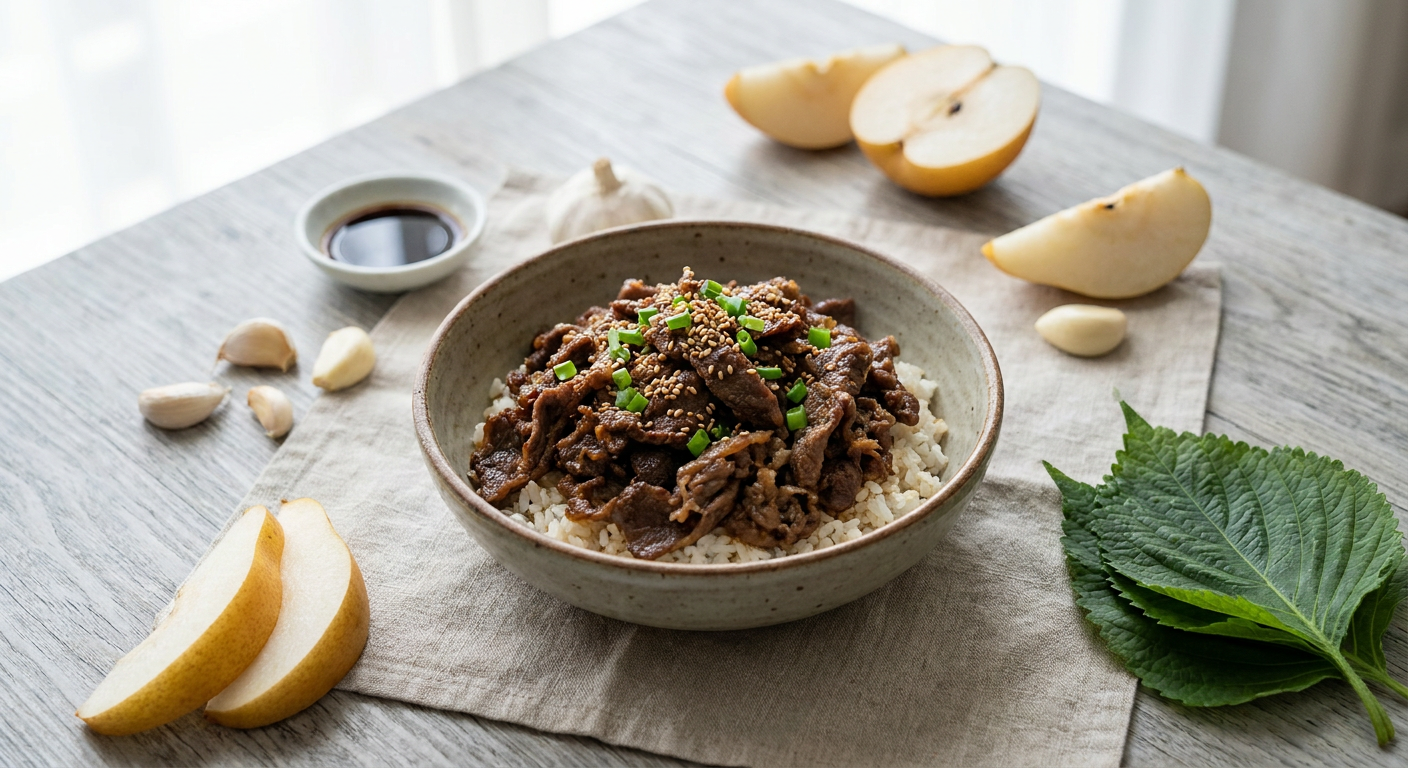
Easy Beef Bulgogi Recipe with Pear Marinade
This easy beef bulgogi recipe uses thinly sliced ribeye and a grated pear marinade to create tender, caramelized Korean BBQ at home in just 30 minutes.
 Dinner
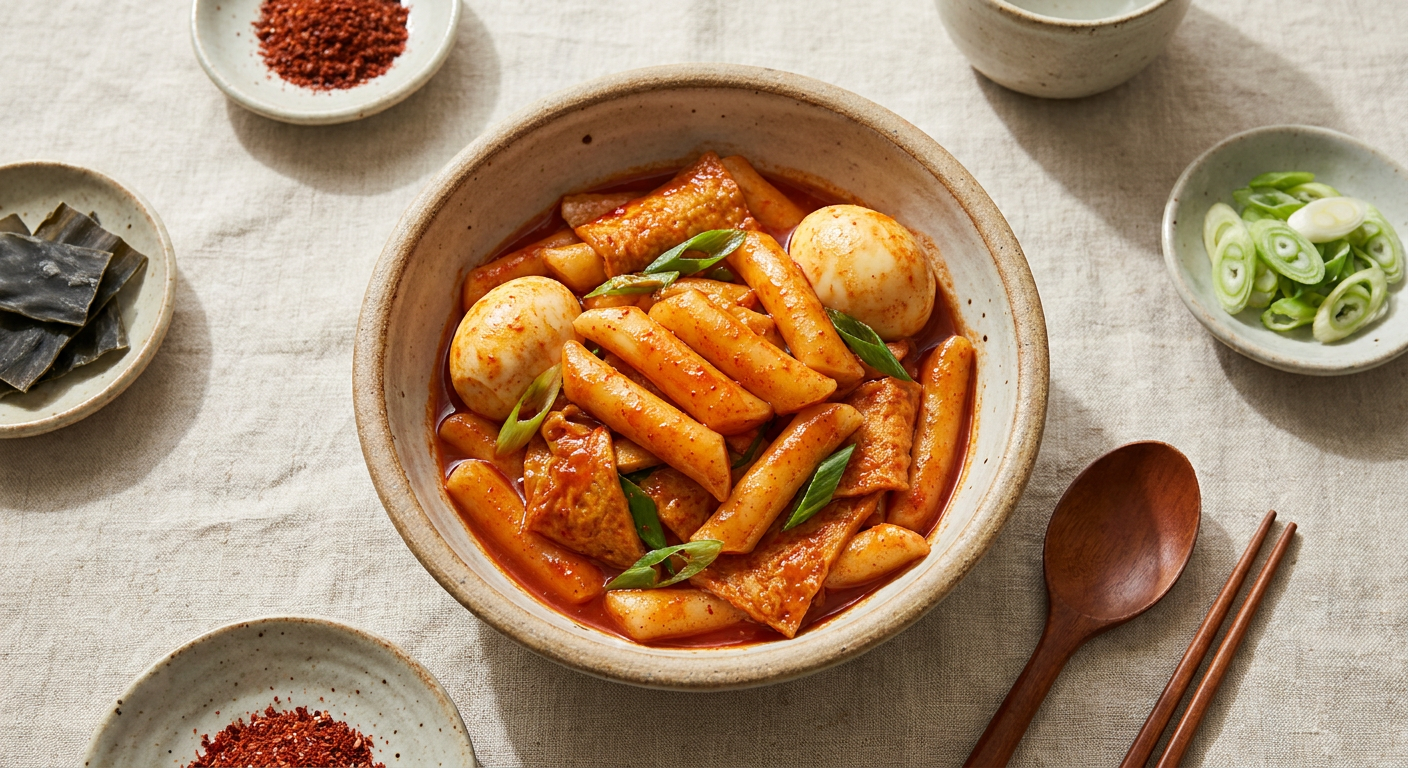
Authentic Tteokbokki Recipe: Chewy Korean Spicy Rice Cakes
Master this authentic tteokbokki recipe at home. Learn how to make chewy Korean spicy rice cakes in a glossy, savory gochujang sauce with fish cakes and jammy eggs.