Easy Beef Bulgogi Recipe with Pear Marinade
This easy beef bulgogi recipe uses thinly sliced ribeye and a grated pear marinade to create tender, caramelized Korean BBQ at home in just 30 minutes.
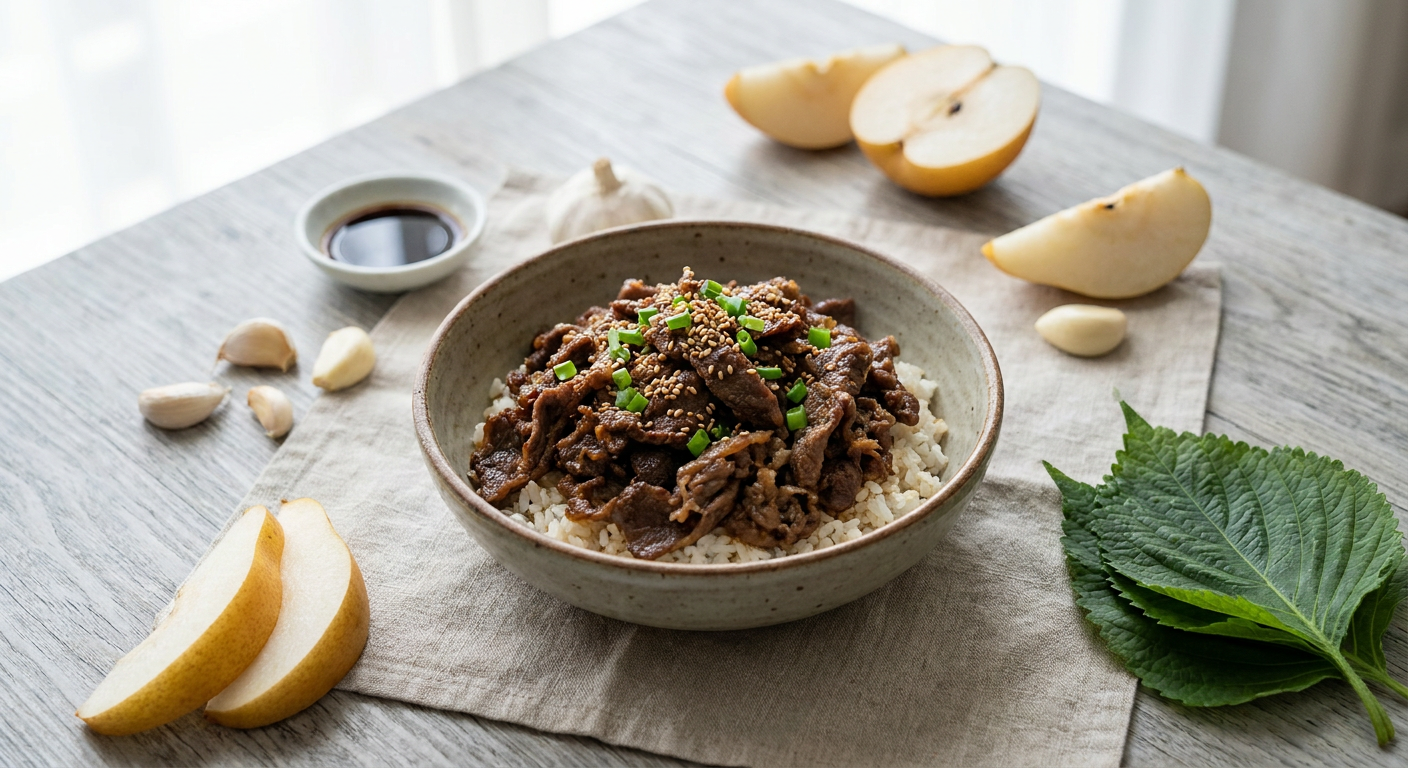

Mastering a classic beef bulgogi recipe at home is all about the balance of sweet, salty, and savory notes combined with high-heat searing. This version focuses on paper-thin ribeye and a traditional grated pear marinade that acts as a natural tenderizer, ensuring every bite melts in your mouth.
While many versions use sugar alone, an authentic bulgogi marinade relies on the enzymes in Korean pears (or Bosc pears) to break down the meat fibers. This results in the signature velvety texture found in the best Korean beef bulgogi, which develops beautiful charred edges when hit with a ripping hot skillet.
Serve this beef with fresh red leaf lettuce, a dollop of pungent ssamjang, and warm rice for the ultimate ssam experience. It is a fast, high-impact dinner that proves you don't need a charcoal grill to achieve restaurant-quality results.
Ingredients
The Beef
- 1 lb (450g) ribeye steak, shaved or sliced paper-thin across the grain
- 1 tablespoon neutral oil (grapeseed or vegetable) for frying
Authentic Bulgogi Marinade
- 1/2 small Korean pear (or Bosc pear), peeled and grated (about 1/3 cup)
- 1/4 cup (60ml) soy sauce
- 2 tablespoons brown sugar
- 1 tablespoon toasted sesame oil
- 3 cloves garlic, minced
- 1 teaspoon fresh ginger, grated
- 2 green onions, thinly sliced
- 1/4 teaspoon black pepper
For Serving
- Red leaf lettuce or perilla leaves
- Ssamjang (Korean soybean paste dip)
- Toasted sesame seeds
- Cooked short-grain white rice
Instructions
- 1
Whisk together the grated pear, soy sauce, brown sugar, sesame oil, garlic, ginger, green onions, and black pepper in a large bowl.
- 2
Add the thinly sliced ribeye to the bowl, tossing thoroughly by hand to ensure every piece of beef is coated in the marinade.
- 3
Cover and refrigerate for at least 30 minutes, or up to 4 hours. Do not exceed 8 hours as the pear enzymes will turn the meat mushy.
- 4
Heat a large heavy-bottomed skillet or cast-iron pan over high heat until it is wisps of smoke begin to rise.
- 5
Add a small amount of oil, then add the beef in a single layer. Do not crowd the pan; work in batches if necessary to maintain high heat.
- 6
Sear the beef without moving it for 60-90 seconds to develop caramelized, charred edges.
- 7
Flip the beef and cook for another 30-60 seconds until just cooked through and the sauce has thickened into a glossy glaze.
- 8
Remove from the pan immediately and garnish with extra green onions and sesame seeds.
- 9
Serve hot with lettuce leaves, rice, and ssamjang for wrapping.
Nutrition (per serving)
Estimates only — not medical or dietary advice.
- Calories
- 385 kcal
- Protein
- 26 g
- Carbs
- 32 g
- Fat
- 18 g
- Fiber
- 1 g
- Sugar
- 11 g
- Sodium
- 1150 mg
Tips
- → Place the beef in the freezer for 30-45 minutes before slicing; it makes getting those paper-thin, translucent ribbons much easier.
- → If you cannot find Korean pears, a Bosc pear or even a sweet Fuji apple is a great substitute for the tenderizing enzymes.
- → Avoid boiling the meat. If the pan isn't hot enough, the meat will release juices and steam instead of searing. If liquid pools, remove the meat and boil the liquid down separately.
- → Use a cast iron skillet if you have one; it retains the high heat necessary for the 'bul' (fire) taste of bulgogi.
FAQ
What is the best cut of meat for a beef bulgogi recipe?
Ribeye is the gold standard because of its fat marbling, which keeps the thin slices juicy. Top sirloin is a leaner, more affordable alternative that still works well.
How do I make bulgogi without a Korean pear?
You can substitute the Korean pear with a Bosc pear, a Gala apple, or even 2 tablespoons of unsweetened pineapple juice. Be careful with pineapple, as it is much stronger and can over-tenderize the meat quickly.
Can I freeze the marinated beef?
Yes, you can freeze the beef in the marinade. The freezing process slows down the enzymatic breakdown, and it will be perfectly tender when thawed and cooked.
Why does my bulgogi look grey instead of brown?
This usually happens when the pan is overcrowded or not hot enough. The meat steams in its own juices rather than searing. Cook in small batches on the highest heat setting possible.
You might also like
 Dinner
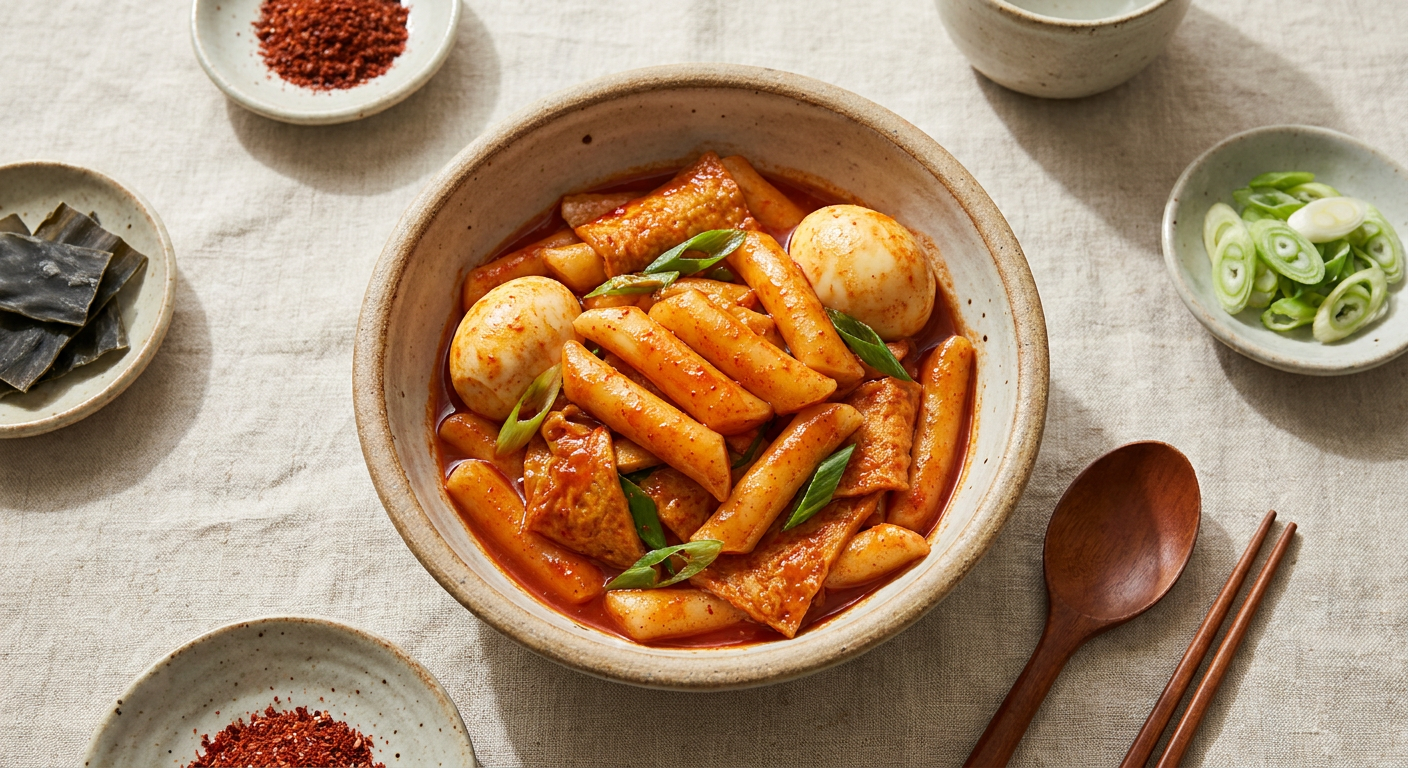
Authentic Tteokbokki Recipe: Chewy Korean Spicy Rice Cakes
Master this authentic tteokbokki recipe at home. Learn how to make chewy Korean spicy rice cakes in a glossy, savory gochujang sauce with fish cakes and jammy eggs.
 Dinner
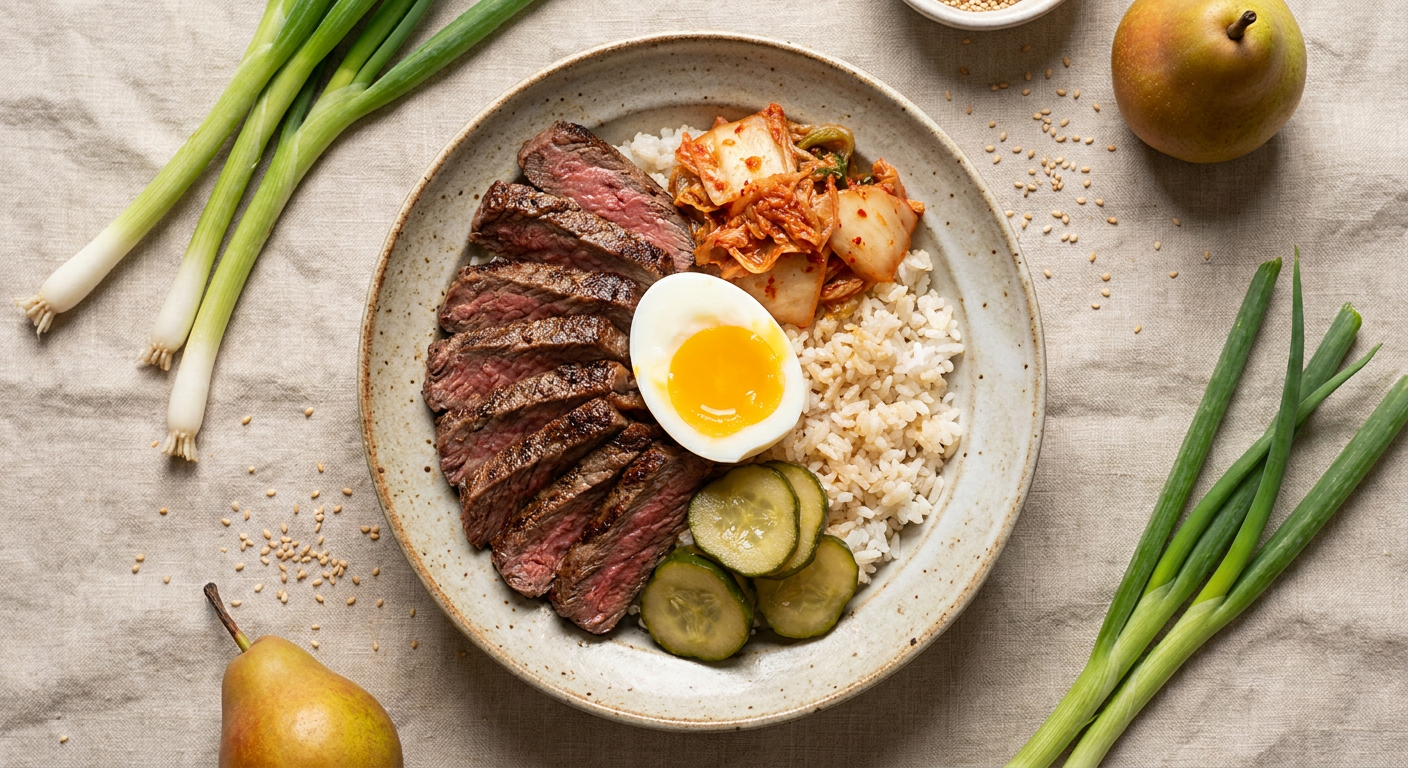
Easy Beef Bulgogi Bowl with Ribeye and Jammy Egg
This beef bulgogi bowl features paper-thin ribeye marinated in pear and soy, seared until caramelized, and served with kimchi, pickled cucumber, and a jammy egg.
 Dinner
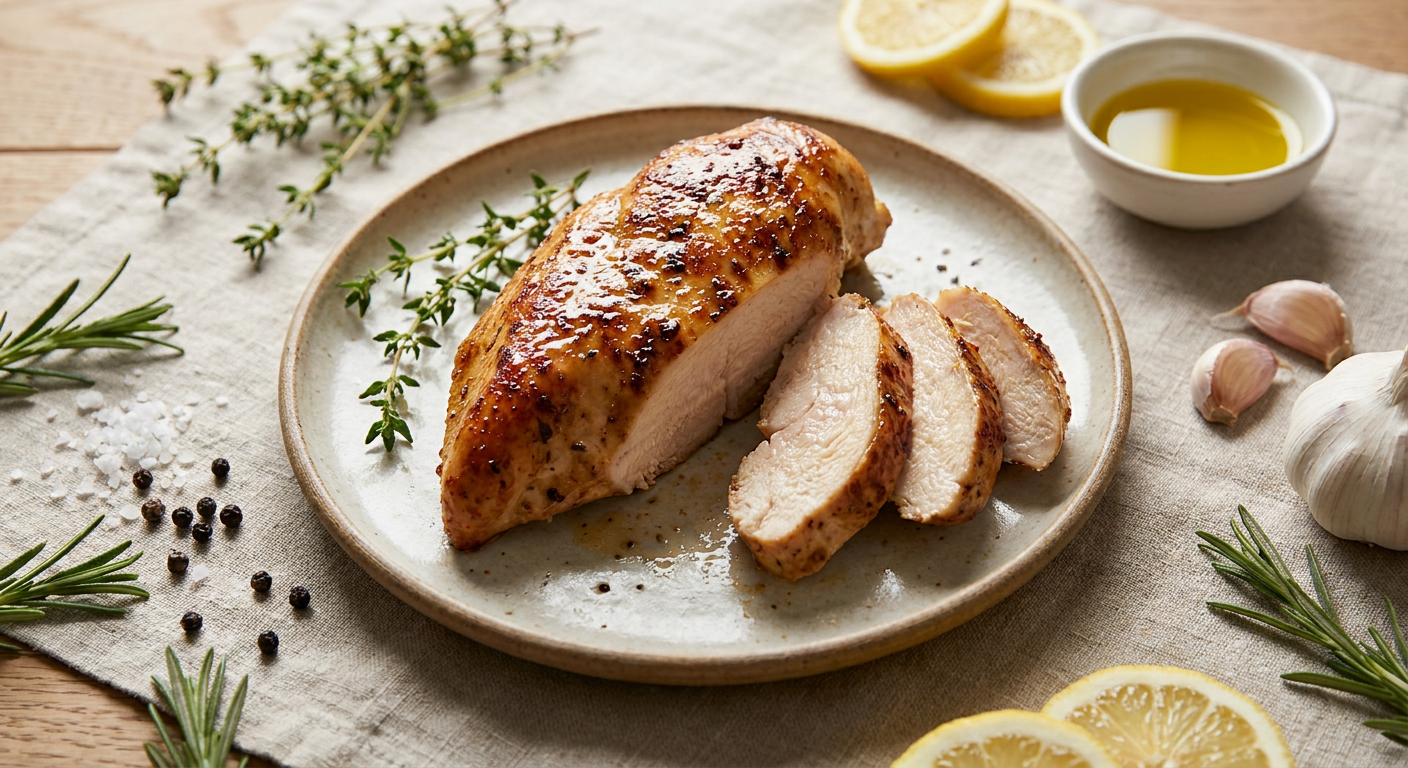
Juicy Baked Chicken Breast (The 18-Minute Method)
Learn how to make the perfect baked chicken breast that stays incredibly juicy. This oven baked chicken breast uses a quick brine and high-heat method for dinner in minutes.
 Dinner
Silky Garlic Oyster Sauce Beef Stir Fry
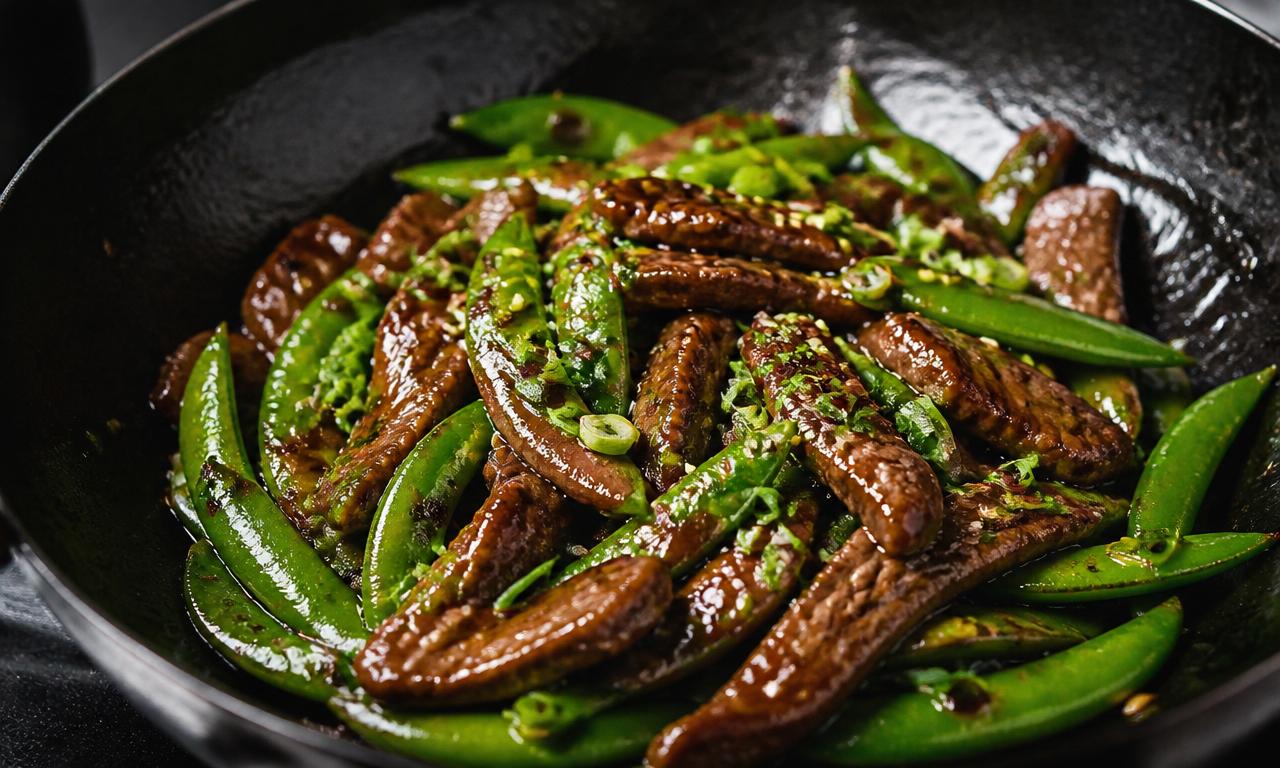
Master this beef stir fry with velveted flank steak and blistered snap peas. A quick beef stir fry that delivers restaurant-quality tender meat in a punchy garlic-oyster sauce.