Botswana Seswaa Recipe: Traditional Pounded Beef
Master this authentic Botswana seswaa recipe. Learn to slow-boil bone-in beef until tender, then pound it into a savory, fluffy texture served with pap and morogo.
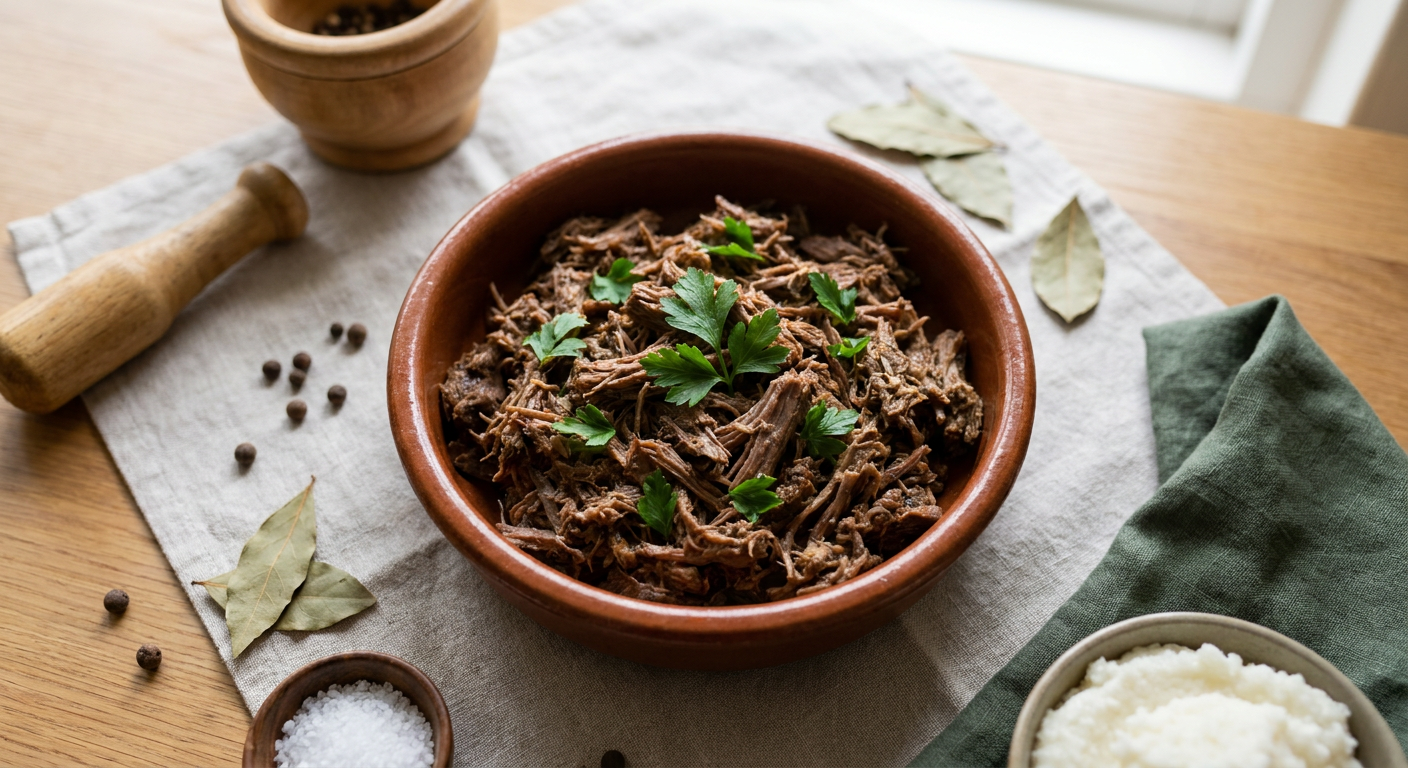

This traditional seswaa recipe is the ultimate expression of Botswanan culinary heritage. Known as the national dish of Botswana, it relies on just three components—meat, water, and salt—to transform tough cuts of beef into a rich, melt-in-your-mouth delicacy.
Often referred to as Botswana pounded beef, the magic happens in the slow-cooking process. By boiling the meat on the bone for several hours, you extract deep gelatinous flavors before the final stage of pounding the fibers into a light, airy texture that absorbs its own rendered fat.
While you might see modern variations like Shweta seswaa with morogo at celebrations, the core technique remains unchanged. We serve this with a stiff maize meal porridge (pap) and sautéed greens to balance the intensity of the beef.
Ingredients
Pounded Beef (Seswaa)
- 1.5 kg (3.3 lbs) bone-in beef chuck or shin, cut into large chunks
- 2 tablespoons coarse sea salt
- Water, enough to cover the meat
- 2 bay leaves (optional, for a subtle aromatic lift)
Morogo (Sautéed Greens)
- 500g (1.1 lbs) Swiss chard or spinach, roughly chopped
- 1 medium white onion, finely diced
- 2 cloves garlic, minced
- 1 tablespoon vegetable oil
- Salt and black pepper to taste
Serving
- Prepared Pap (stiff maize meal porridge)
Instructions
- 1
Place the beef chunks and bones into a large, heavy-bottomed pot or Dutch oven.
- 2
Cover the meat with water until submerged by at least 2 inches, add the salt, and bring to a boil over high heat.
- 3
Reduce the heat to low, cover the pot, and simmer for 4 to 5 hours. Check occasionally to ensure the water hasn't evaporated; add more warm water if the meat isn't fully submerged.
- 4
Cook until the meat is literally falling off the bone and the liquid has reduced significantly.
- 5
Remove the bones from the pot and discard them. Drain any excess water, but reserve about 1/2 cup of the concentrated cooking liquid and rendered fat.
- 6
Use a large wooden spoon or a heavy pestle to pound the meat directly in the pot. The goal is to break the muscle fibers until the beef is shredded and fluffy.
- 7
Place the pot back over low heat and stir the shredded beef constantly for 10-15 minutes, allowing it to fry slightly in its own fat until it looks dry yet remains moist to the touch.
- 8
Prepare the morogo by sautéing the onion in oil until translucent, adding the garlic, and then wilting the greens until tender. Season with salt.
- 9
Serve the seswaa hot alongside a generous portion of pap and the sautéed morogo.
Nutrition (per serving)
Estimates only — not medical or dietary advice.
- Calories
- 685 kcal
- Protein
- 52 g
- Carbs
- 48 g
- Fat
- 31 g
- Fiber
- 4 g
- Sugar
- 2 g
- Sodium
- 1840 mg
Tips
- → Don't trim the fat. The fat is essential for the final 'frying' stage which gives the beef its distinct savory finish.
- → Use bone-in cuts like shin or neck. The marrow and connective tissue provide the body and richness that boneless cuts lack.
- → If you don't have a traditional wooden pestle, a heavy potato masher or even a stand mixer with a paddle attachment can be used to shred the meat, though the texture will be slightly less authentic.
FAQ
What is the best cut of meat for a seswaa recipe?
Tough, bone-in cuts like beef shin, chuck roast, or neck are best. These cuts have high connective tissue that breaks down during the long boil, resulting in the desired shredded texture.
Can I make seswaa in a slow cooker?
Yes, you can cook the beef on low for 8-10 hours until tender. However, you must finish the pounding and stirring in a pot on the stove to achieve the correct dry, fluffy consistency.
Why does my seswaa feel greasy instead of fluffy?
This happens if there is too much liquid left when you start pounding. Ensure you drain the excess water, leaving only the rendered fat and a small amount of concentrated stock to moisten the fibers.
You might also like
 Dinner
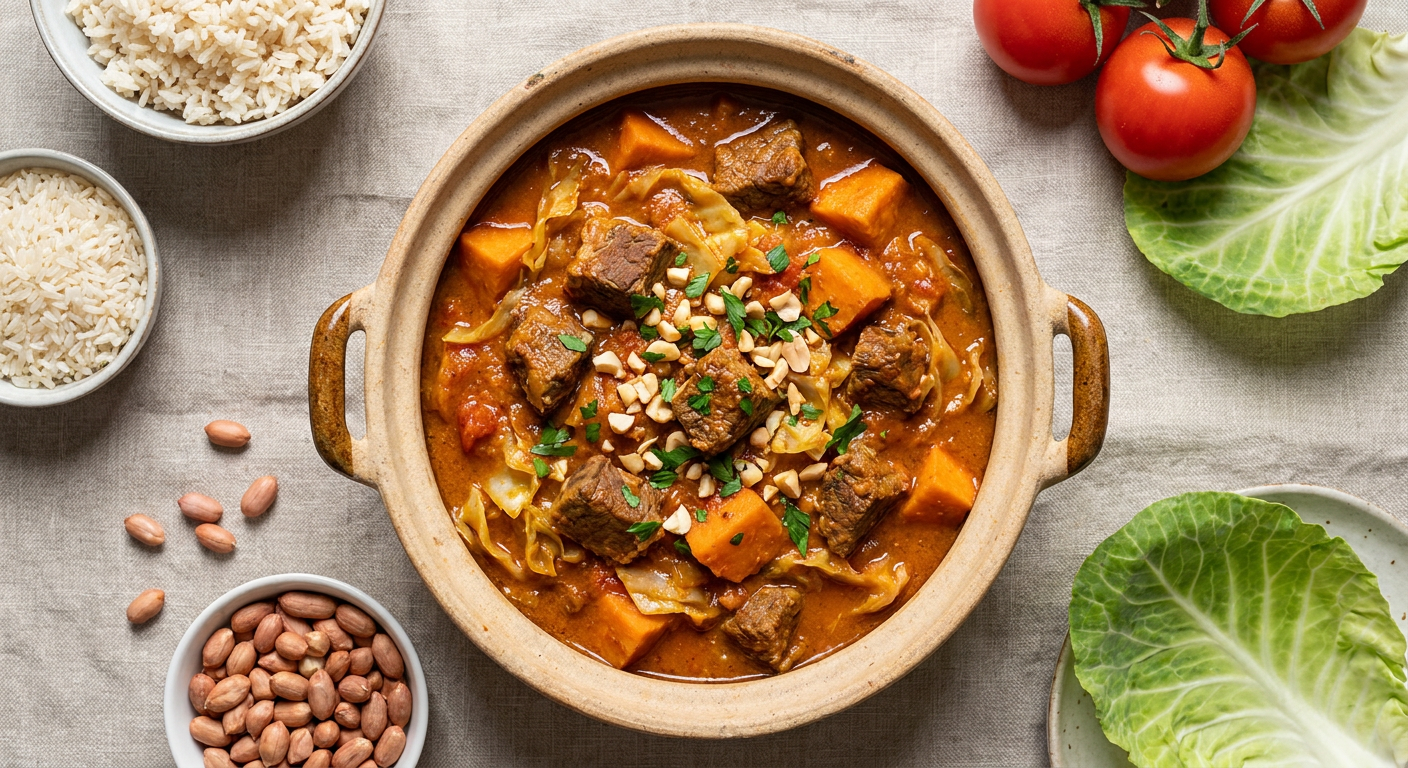
Authentic Mafe Recipe: Senegalese Peanut Stew with Beef
This authentic mafe recipe features tender beef simmered in a rich, savory peanut butter and tomato sauce with sweet potatoes and cabbage. A classic Senegalese peanut stew.
 Dinner
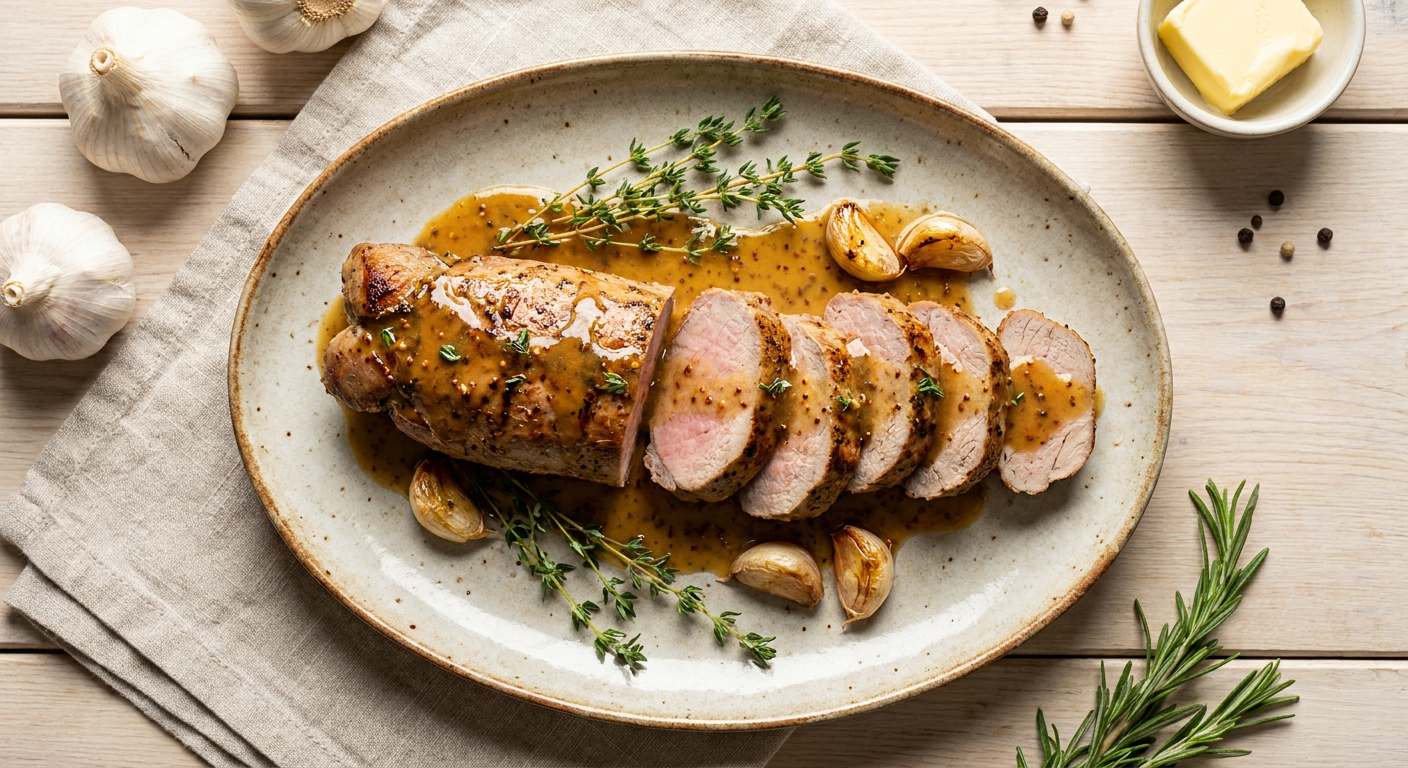
Juicy Garlic Herb Pork Tenderloin Recipe with Pan Sauce
This easy pork tenderloin recipe features a garlic-herb rub and a silky mustard-butter sauce. Learn how to make a juicy oven baked pork tenderloin every single time.
 Dinner
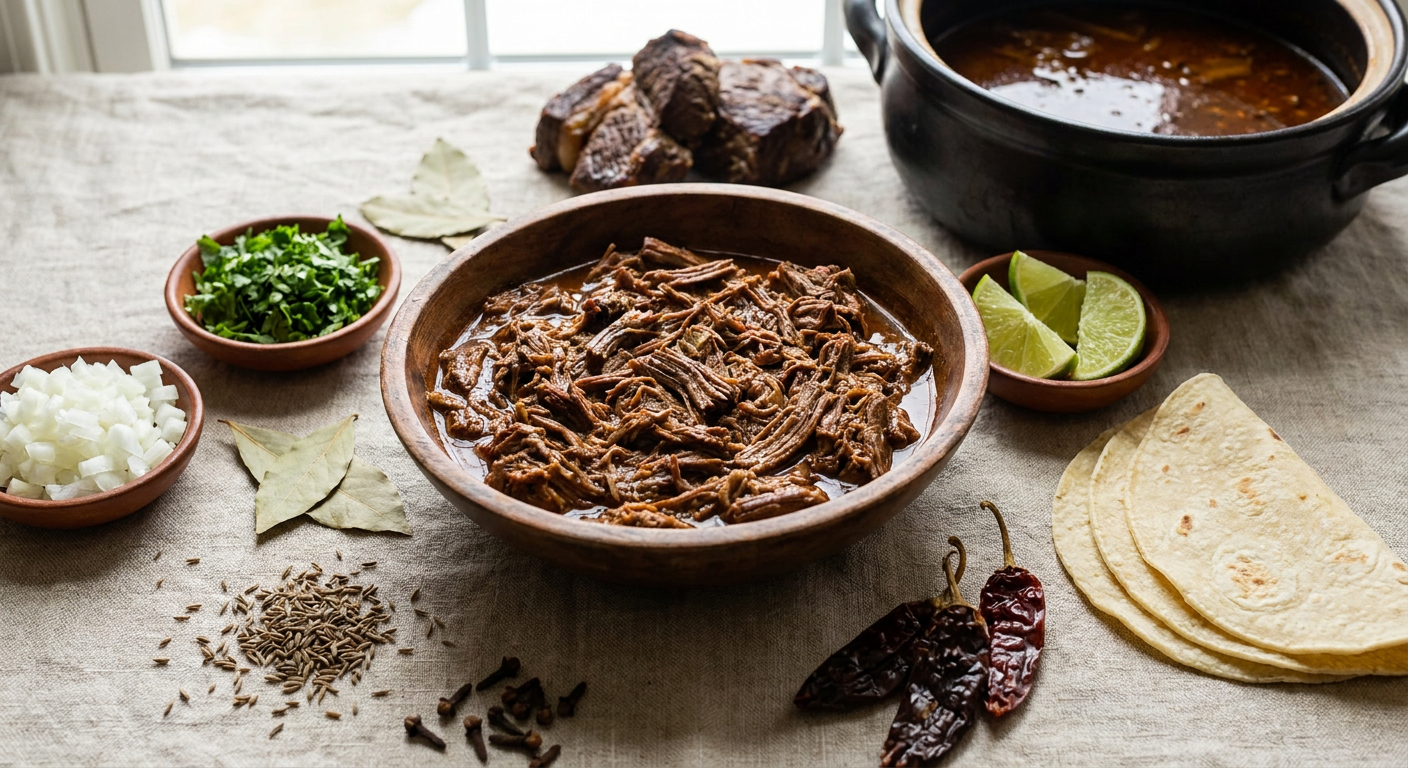
Easy Beef Barbacoa Recipe: Better Than the Burrito Chain
This juicy beef barbacoa recipe braises chuck roast with chipotles, cumin, and cloves until perfectly shreddable. Better than any burrito chain and easy to make at home.
 Dinner
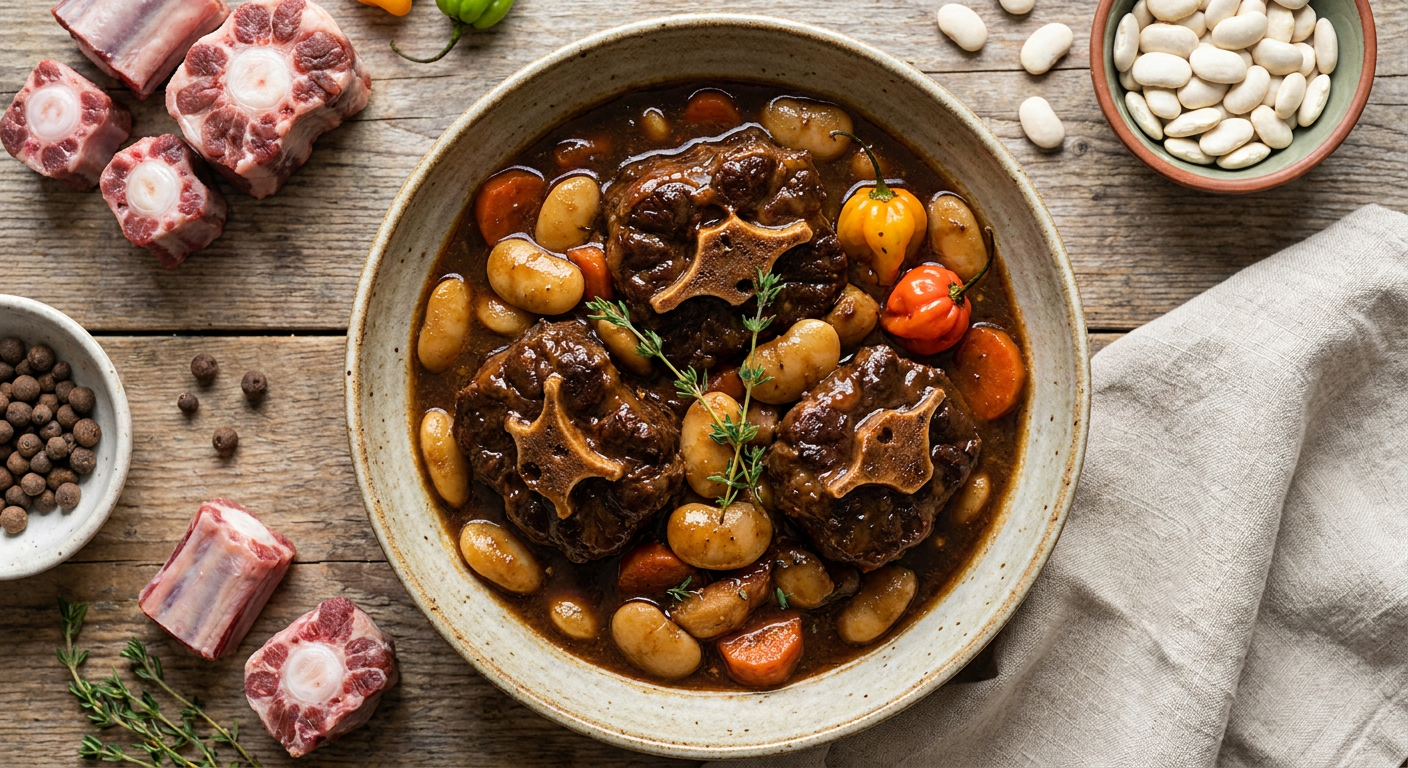
Sticky Jamaican Oxtail Stew Recipe with Butter Beans
This traditional oxtail stew recipe delivers tender beef in a sticky, collagen-rich gravy. Learn to make authentic Jamaican oxtail stew with spinners and butter beans.