Authentic Ghanaian Waakye (Rice and Black-Eyed Peas)
Master authentic Ghanaian waakye with this detailed guide. Learn to use sorghum leaves for that iconic color, served with shito, stew, and gari for a true street-style feast.
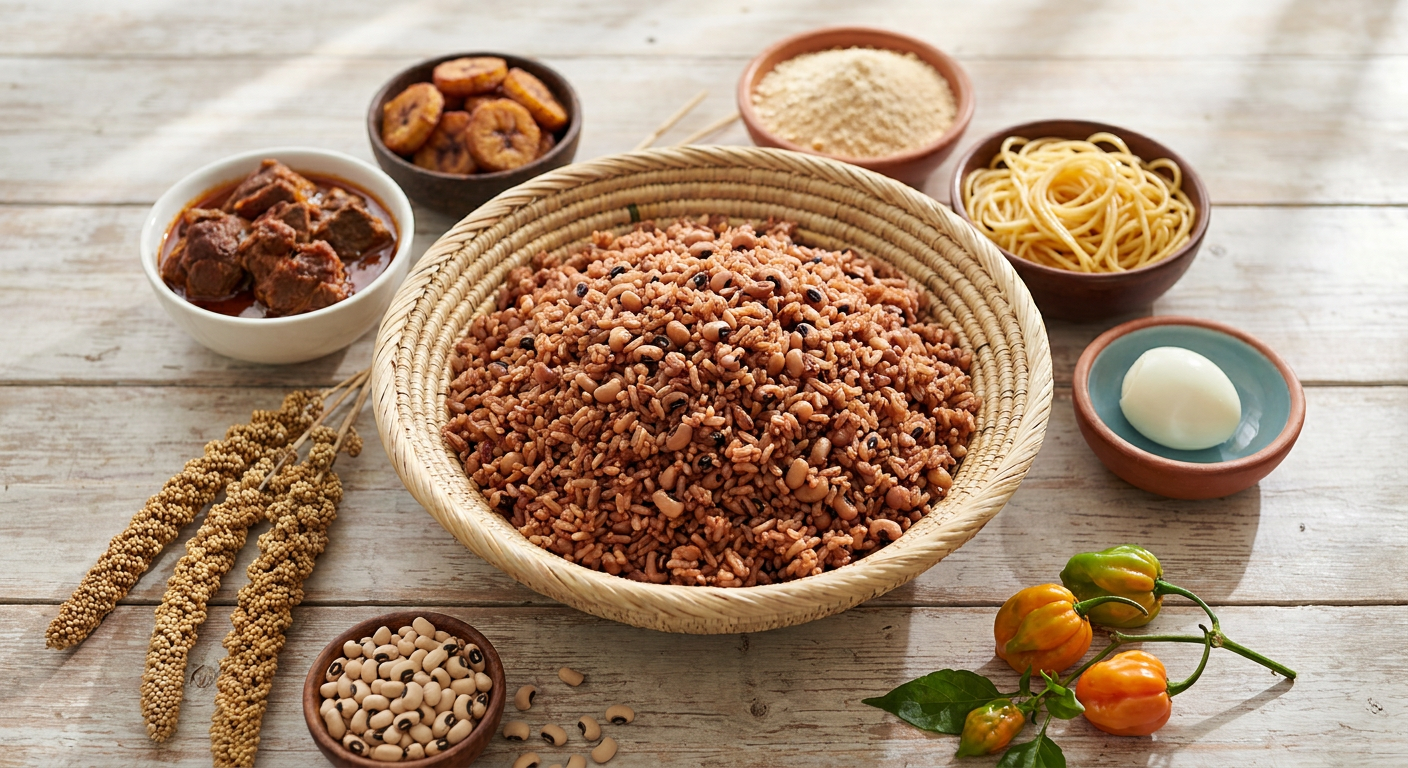

Ghanaian waakye is more than just a meal; it is a cultural institution usually found at bustling roadside stalls wrapped in broad leaves. This iconic Ghanaian rice and beans dish gets its deep, distinctive burgundy hue and earthy aroma from dried sorghum stalks, known locally as waakye leaves.
While the rice and peas are the heart of the plate, a proper waakye recipe is never complete without its entourage of sides. To eat it like a local, you must serve it with a spicy tomato-based stew, shito (black pepper sauce), moist gari, and slippery spaghetti (talia).
Making this at home requires patience, especially when soaking the beans, but the result is a savory, nutrient-dense bowl that puts standard rice and beans to shame. Whether you call it waakye or simply Ghanaian rice and beans, the secret lies in the alkaline reaction between the sorghum leaves and the grains.
Ingredients
The Waakye Base
- 2 cups (400g) long-grain white rice, jasmine preferred
- 1 cup (200g) dried black-eyed peas, soaked overnight
- 8-10 dried sorghum leaves (waakye leaves), rinsed
- 1 teaspoon salt
- 6-7 cups water
- 1/2 teaspoon baking soda (optional, if leaves aren't yielding enough color)
Essential Accompaniments
- 1 cup prepared Ghanaian tomato stew (meat or fish based)
- 2 tablespoons Shito (Ghanaian black pepper sauce)
- 1/2 cup gari (fermented cassava grits), slightly moistened with water or stew oil
- 1 cup cooked spaghetti, tossed in a little oil
- 4 hard-boiled eggs
- 1 ripe plantain, fried in slices
Instructions
- 1
Drain the soaked black-eyed peas and place them in a large heavy-bottomed pot.
- 2
Add the rinsed sorghum leaves to the pot along with 6 cups of water.
- 3
Bring the water to a boil and cook the beans for 30–45 minutes until they are about 70% tender.
- 4
Remove the sorghum leaves once the water has turned a deep, dark wine color; you can leave a few in for extra flavor if desired.
- 5
Wash the rice thoroughly under cold water until the water runs clear to remove excess starch.
- 6
Add the washed rice to the pot with the beans, ensuring there is enough liquid to cover the rice by about an inch (add more hot water if necessary).
- 7
Stir in the salt and bring the mixture back to a boil.
- 8
Reduce the heat to low, cover the pot with a tight-fitting lid (or foil then a lid), and steam for 20–25 minutes until the rice is fluffy and the water is fully absorbed.
- 9
Fluff the rice and beans with a fork to mix the colors evenly.
- 10
Serve hot, mounding the waakye in the center of the plate and surrounding it with gari, spaghetti, fried plantain, and a boiled egg.
- 11
Ladle the tomato stew over the rice and add a generous dollop of shito on the side.
Nutrition (per serving)
Estimates only — not medical or dietary advice.
- Calories
- 865 kcal
- Protein
- 26 g
- Carbs
- 138 g
- Fat
- 23 g
- Fiber
- 11 g
- Sugar
- 9 g
- Sodium
- 890 mg
Tips
- → If you cannot find sorghum leaves at your local African market, a tiny pinch of baking soda can help darken the beans, though you will miss the earthy flavor of the leaves.
- → Always soak your beans for at least 6 hours. This ensures they cook at a rate similar to the rice and helps reduce digestive discomfort.
- → For the best texture, use a slightly aged jasmine rice; new crop rice tends to be too mushy for this specific dish.
- → The 'street style' aesthetic is achieved by moistening your gari with a little bit of the oil from the top of your tomato stew.
FAQ
What can I use as a substitute for sorghum leaves?
There is no perfect flavor substitute, but for the color, you can use a half teaspoon of baking soda added to the bean cooking water. Some people also use dry hibiscus petals, though this adds a tartness not found in traditional waakye.
Why is my waakye not turning red?
The color comes from the tannins in the sorghum leaves. Make sure you boil the leaves with the beans first before adding the rice. If the leaves are old, you may need to add a few more or a pinch of baking soda to help extract the pigment.
How do I prevent the rice from getting mushy?
Ensure the beans are only partially cooked before adding the rice, and don't over-water the pot. The rice should steam rather than boil in a soup.
Can I make Ghanaian waakye in a rice cooker?
Yes, but you must boil the beans and sorghum leaves on the stove first until tender. Once the water is dark and beans are soft, transfer everything to the rice cooker and start the normal cycle.
You might also like
 Dinner
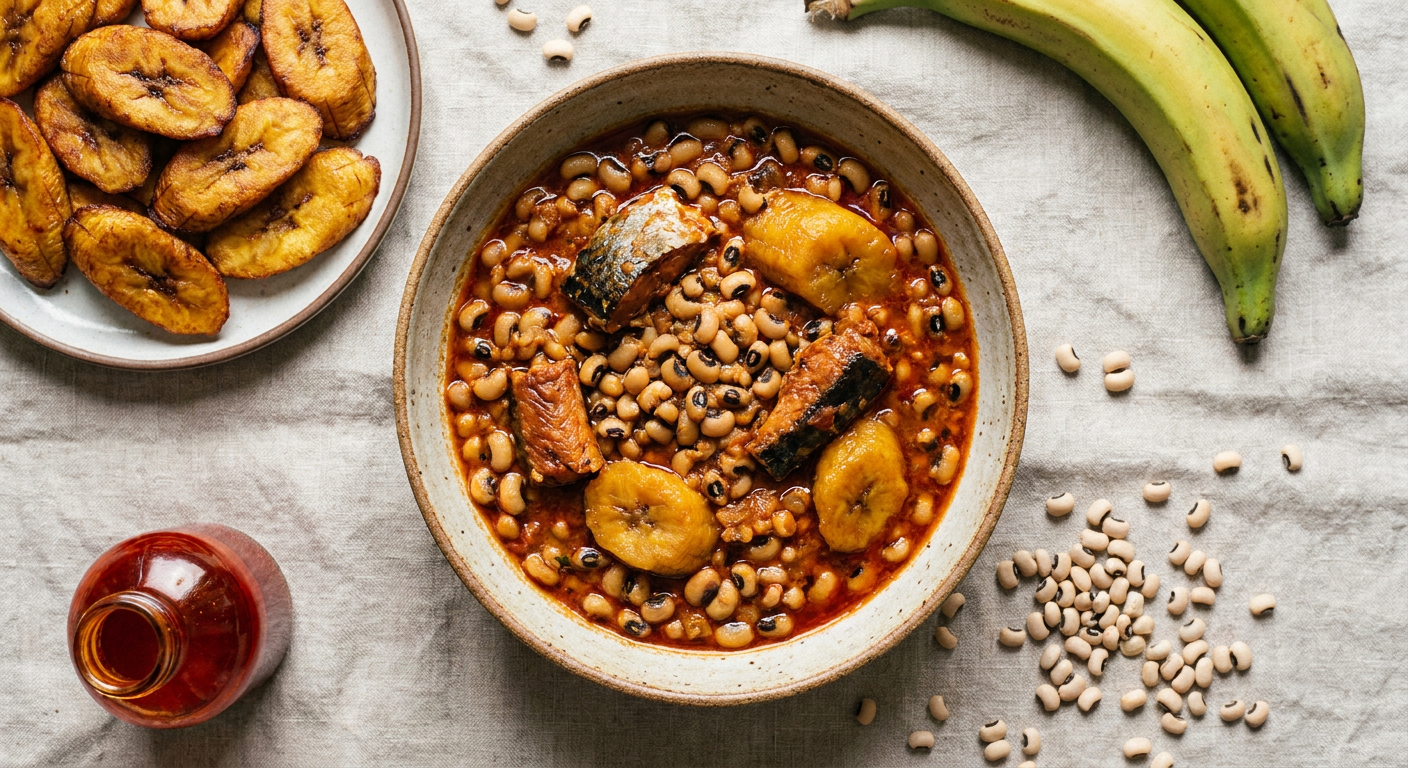
Authentic Ghanaian Red Red (Bean Stew with Fried Plantains)
This authentic Ghanaian red red is a smoky, savory black-eyed pea stew cooked in palm oil and served with sweet fried plantains. A naturally vegan, protein-packed comfort meal.
 Dinner
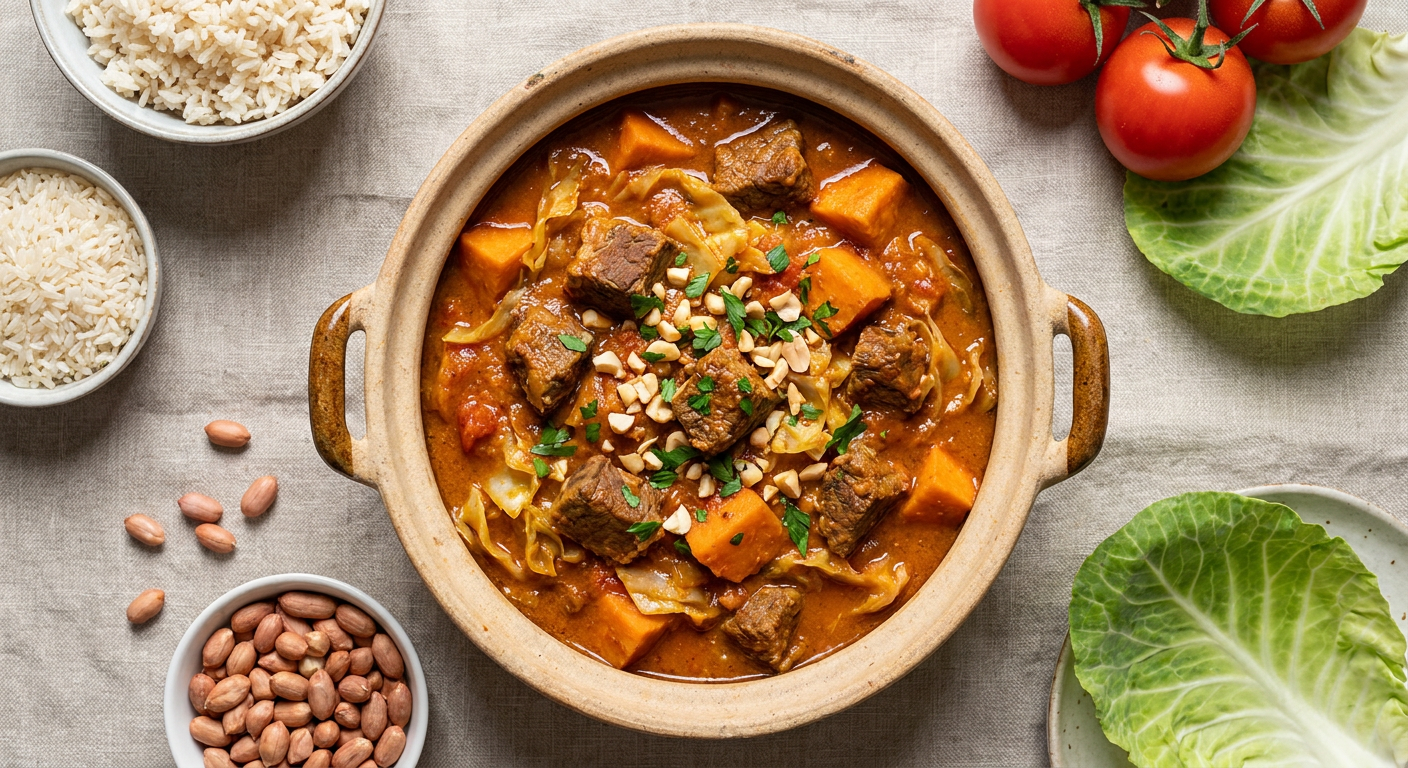
Authentic Mafe Recipe: Senegalese Peanut Stew with Beef
This authentic mafe recipe features tender beef simmered in a rich, savory peanut butter and tomato sauce with sweet potatoes and cabbage. A classic Senegalese peanut stew.
 Dinner
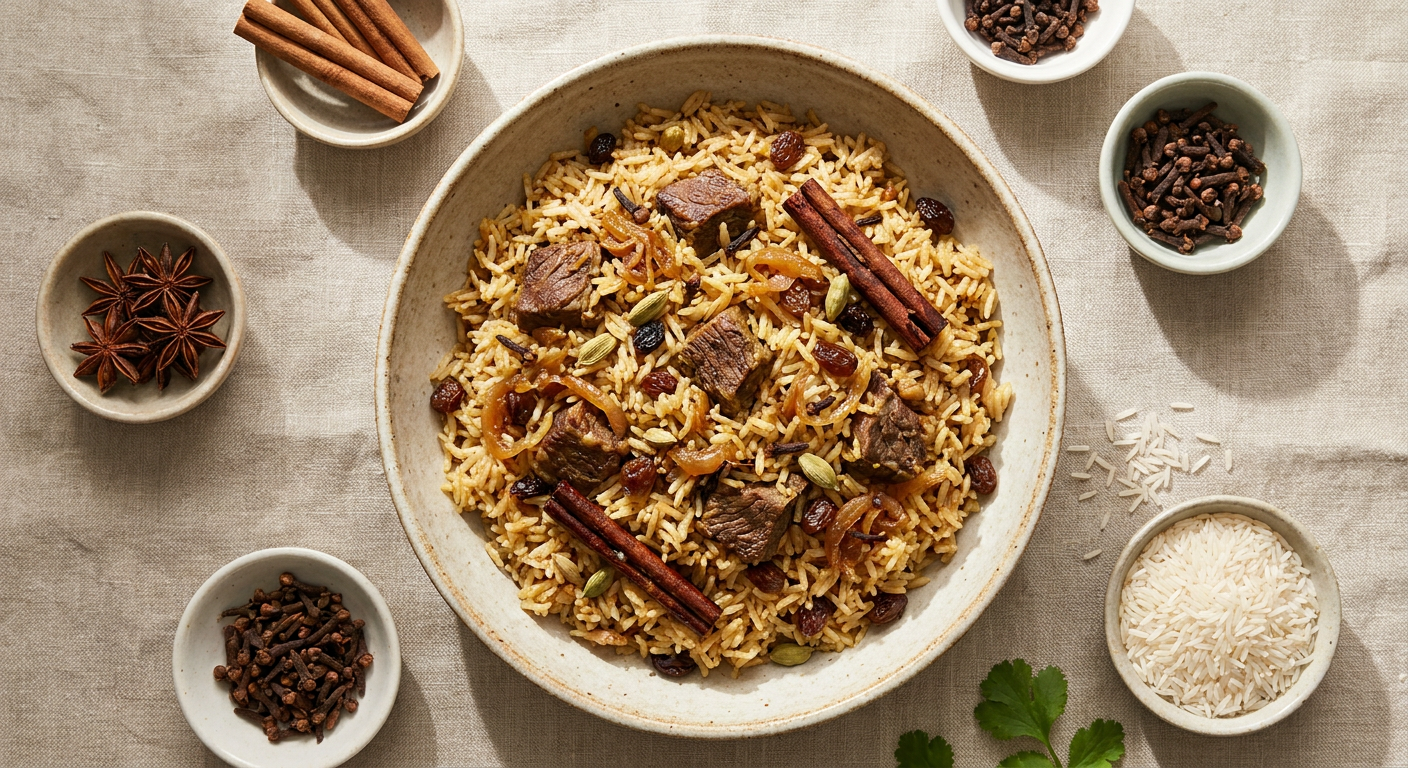
Tanzanian Zanzibar Pilau with Beef and Fragrant Spices
Master this authentic Tanzanian Zanzibar pilau featuring tender beef and basmati rice bloomed with cardamom, cloves, and cinnamon for a deeply aromatic dinner.
 DinnerAdvanced
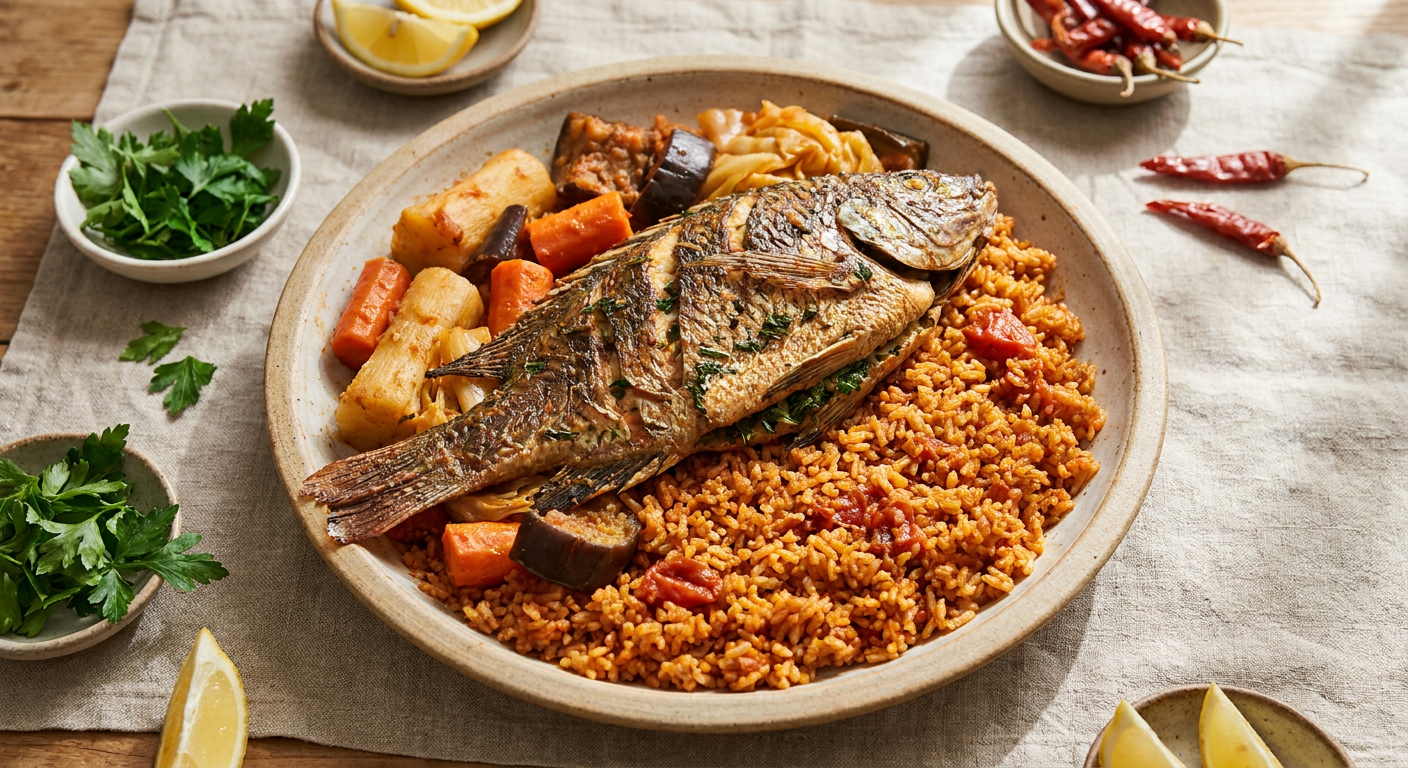
Authentic Senegalese Thieboudienne (Fish and Rice)
Master the art of Senegalese thieboudienne with this authentic recipe featuring herb-stuffed fish, vibrant vegetables, and savory tomato-stained broken rice.