Tanzanian Zanzibar Pilau with Beef and Fragrant Spices
Master this authentic Tanzanian Zanzibar pilau featuring tender beef and basmati rice bloomed with cardamom, cloves, and cinnamon for a deeply aromatic dinner.
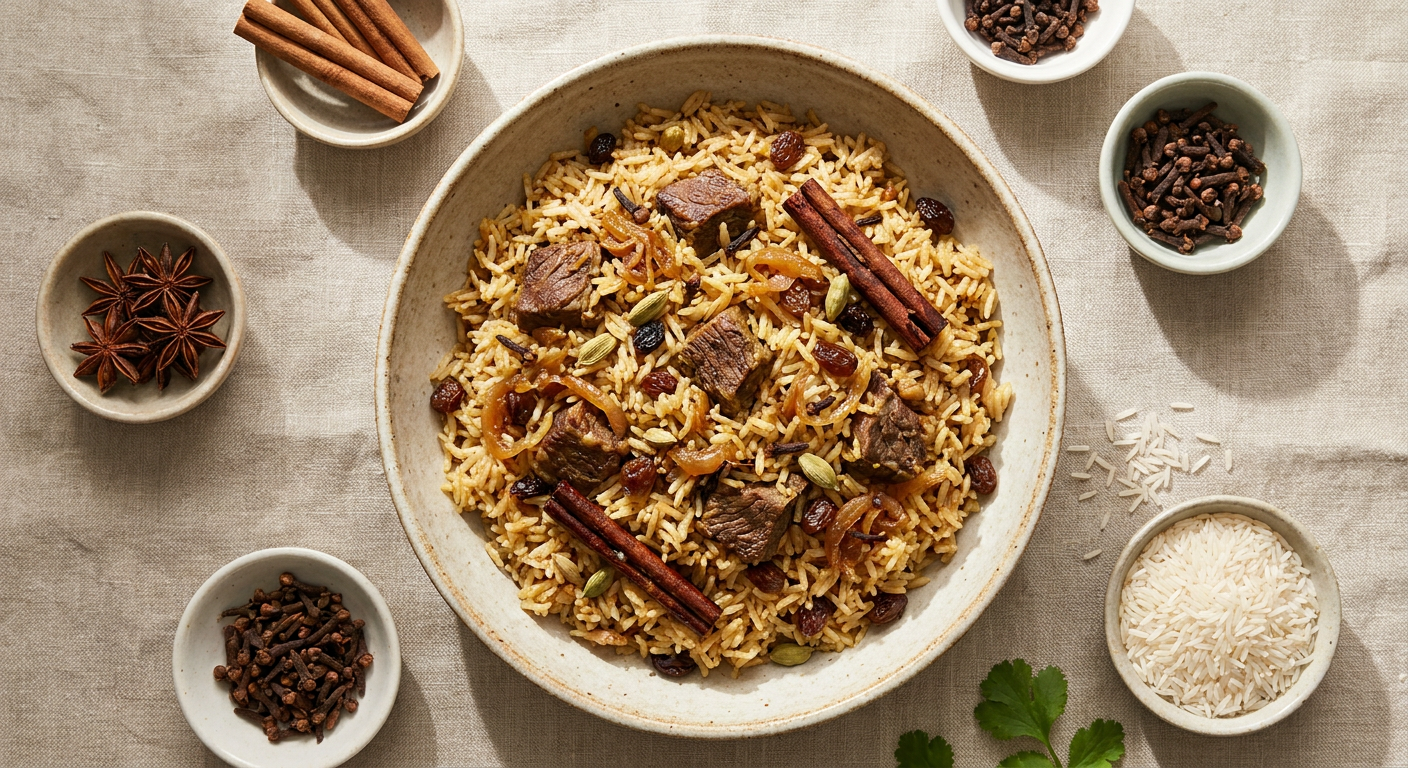

Tanzanian Zanzibar pilau is the jewel of Swahili coastal cuisine, a dish where the rice isn't just a side, but a vessel for an incredible depth of spice. Unlike Indian biryani which relies on layers, this Tanzanian spiced beef rice is a one-pot masterpiece defined by the dark, caramelized hue of the onions and the warmth of a bespoke pilau masla.
The secret to a truly great Zanzibar pilau recipe lies in the patience of the sear. You must brown the beef and onions until they are nearly mahogany; this creates the rich brown stock that stains the basmati grains without the need for artificial coloring. As the whole cloves, peppercorns, and cardamom pods bloom in the hot oil, they release an aroma that is unmistakably East African.
This version is unyielding on tradition—we use whole spices and high-quality basmati to ensure each grain remains separate and fluffy. Whether you are serving it at a celebration or a Sunday family dinner, this pilau is a fragrant journey to the Spice Islands.
Ingredients
The Beef & Broth
- 500g (1.1 lbs) beef chuck or stewing beef, cut into 1-inch cubes
- 1 liter (4 cups) water
- 1 teaspoon salt
- 4 cloves garlic, minced
- 1 inch ginger, grated
The Spices (Pilau Masala)
- 2 tablespoons vegetable oil
- 2 large red onions, thinly sliced
- 2 cinnamon sticks
- 1 tablespoon cumin seeds
- 1 teaspoon whole black peppercorns
- 8 whole green cardamom pods, lightly cracked
- 6 whole cloves
- 1 teaspoon ground cloves (optional, for darker color)
The Rice
- 400g (2 cups) long-grain Basmati rice
- 2 medium potatoes, peeled and quartered
- Salt to taste
Instructions
- 1
Place the beef, water, half of the garlic, half of the ginger, and a teaspoon of salt in a pot; simmer for 30–40 minutes until the beef is tender.
- 2
Drain the beef, reserving the cooking liquid (the broth) in a separate bowl; you will need exactly 3.5 to 4 cups of liquid later.
- 3
Wash the basmati rice in cold water until the water runs clear, then soak for 20 minutes and drain thoroughly.
- 4
Heat oil in a large, heavy-bottomed pot over medium-high heat and add the sliced onions.
- 5
Fry the onions for 10–12 minutes, stirring constantly, until they are a deep dark brown but not burnt; this is crucial for the rice's color.
- 6
Add the cinnamon sticks, cumin seeds, peppercorns, cardamom, and cloves to the onions and fry for 2 minutes until fragrant.
- 7
Stir in the remaining garlic, ginger, and the cooked beef cubes, browning the meat with the spices for 5 minutes.
- 8
Add the quartered potatoes and the drained rice to the pot, stirring gently for 1 minute to coat the grains in the spiced oil.
- 9
Pour in 3.5 cups of the reserved beef broth; if you don't have enough, top it off with warm water.
- 10
Bring to a boil, taste the liquid for salt (it should taste slightly over-salted), then reduce heat to low.
- 11
Cover with a tight-fitting lid and simmer for 15–18 minutes until the liquid is absorbed and the rice is tender.
- 12
Turn off the heat and let the pilau sit, covered, for 10 minutes before fluffing with a fork and serving.
Nutrition (per serving)
Estimates only — not medical or dietary advice.
- Calories
- 685 kcal
- Protein
- 34 g
- Carbs
- 88 g
- Fat
- 22 g
- Fiber
- 4 g
- Sugar
- 3 g
- Sodium
- 780 mg
Tips
- → Don't rush the onions. The deep brown color of the final dish comes entirely from the caramelization of the onions and the searing of the meat.
- → Always use whole spices where possible. Biting into a cardamom pod is part of the experience, but you can grind them if you prefer a smoother texture.
- → For the fluffiest grains, avoid stirring the rice once it starts simmering, as this breaks the grains and releases excess starch.
- → Serve with Kachumbari, a fresh Tanzanian salad of tomatoes, onions, cilantro, and lime, to cut through the richness of the spices.
FAQ
What is the difference between Tanzanian pilau and Indian pilau?
Tanzanian pilau typically uses more whole spices like cloves and cardamom, and relies on very deeply browned onions to give the rice a dark brown color, whereas Indian versions may be lighter or use turmeric and saffron for color.
Why does my pilau look white instead of brown?
The brown color comes from 'burning' the onions just to the edge of bitterness and searing the beef thoroughly. If your onions are only translucent or light gold, the rice will stay pale.
Can I make this with chicken instead of beef?
Yes, you can substitute chicken thighs. Reduce the initial boiling time for the meat to about 15-20 minutes so the chicken doesn't overcook during the rice steaming phase.
How do I prevent the rice from getting mushy?
Ensure you wash the starch off the rice until the water is clear and use a strict 1:1.75 or 1:2 rice-to-water ratio depending on your specific brand of basmati.
You might also like
 DinnerAdvanced
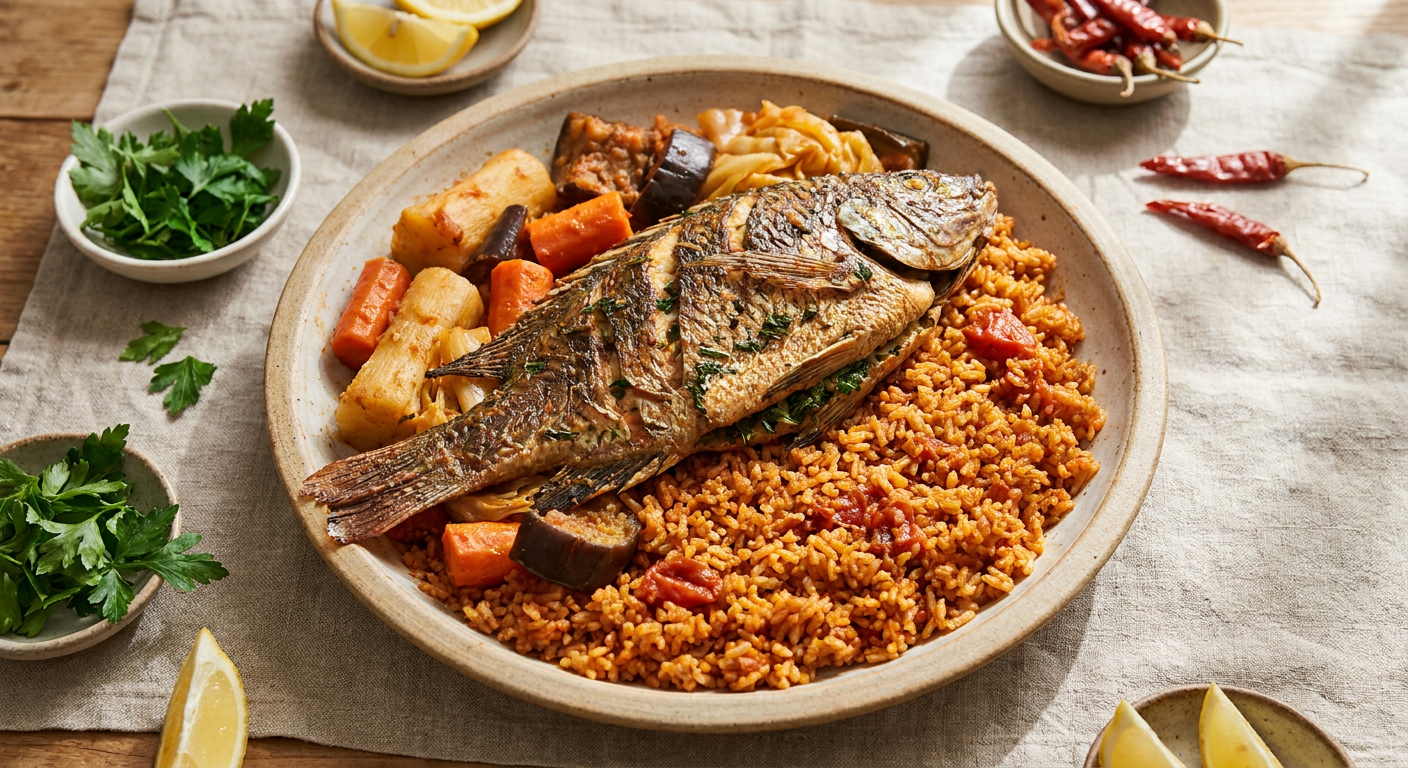
Authentic Senegalese Thieboudienne (Fish and Rice)
Master the art of Senegalese thieboudienne with this authentic recipe featuring herb-stuffed fish, vibrant vegetables, and savory tomato-stained broken rice.
 Dinner
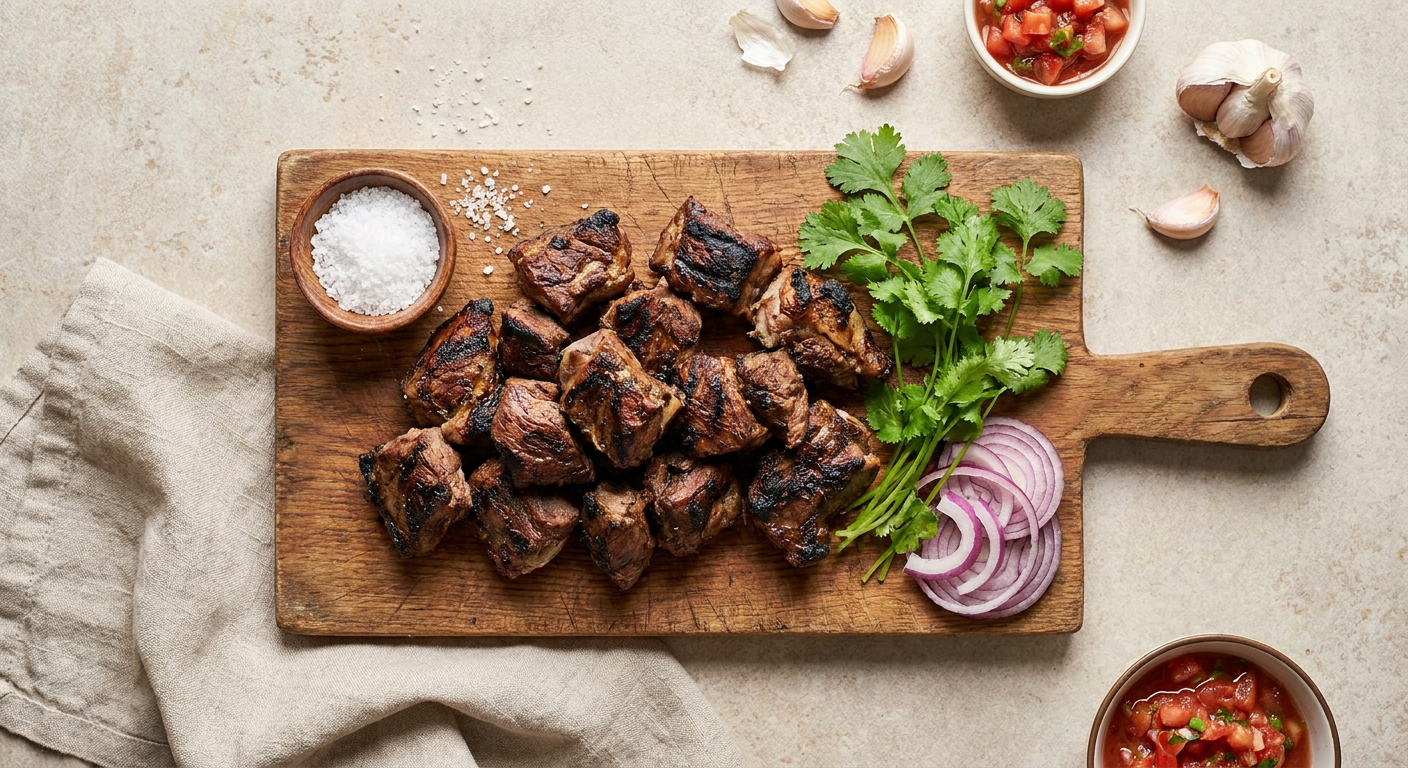
Authentic Kenyan Nyama Choma (Grilled Goat) Recipe
Master authentic Kenyan nyama choma with this guide to slow-grilled goat meat. Learn the secret to tender, smoky meat served with fresh kachumbari and ugali.
 Dinner
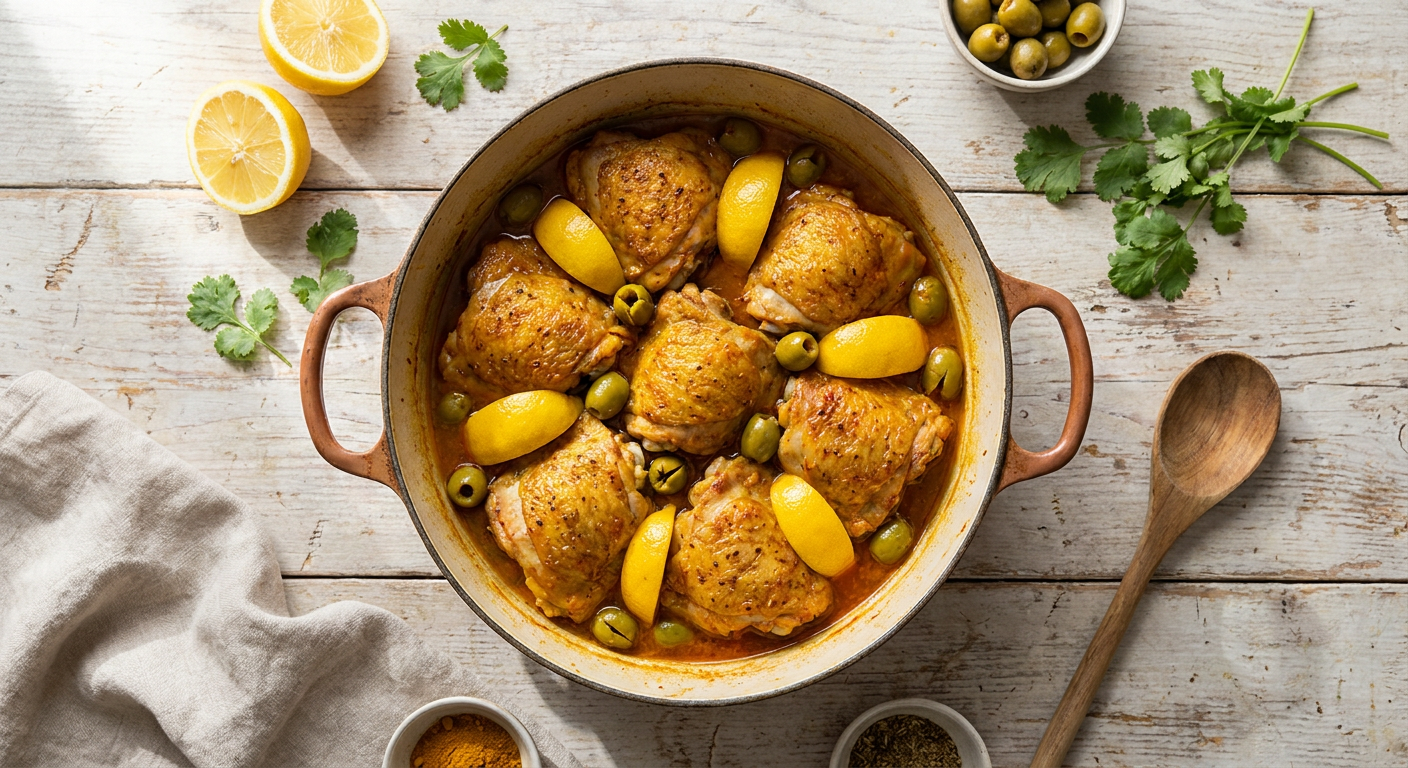
Moroccan Chicken Tagine with Preserved Lemon and Olives
This Moroccan chicken tagine recipe layers saffron, ginger, preserved lemon, and cracked green olives over bone-in thighs for a bright, savory braise that works in any Dutch oven — no tagine required.
 Dinner
Nigerian Jollof Rice Recipe (Smoky Party-Style)
This Nigerian jollof rice recipe delivers party-style smoky flavor with a scorched-pot bottom, blended red pepper base, and long-grain parboiled rice. The best easy jollof rice for home cooks.