Authentic Ghanaian Red Red (Bean Stew with Fried Plantains)
This authentic Ghanaian red red is a smoky, savory black-eyed pea stew cooked in palm oil and served with sweet fried plantains. A naturally vegan, protein-packed comfort meal.
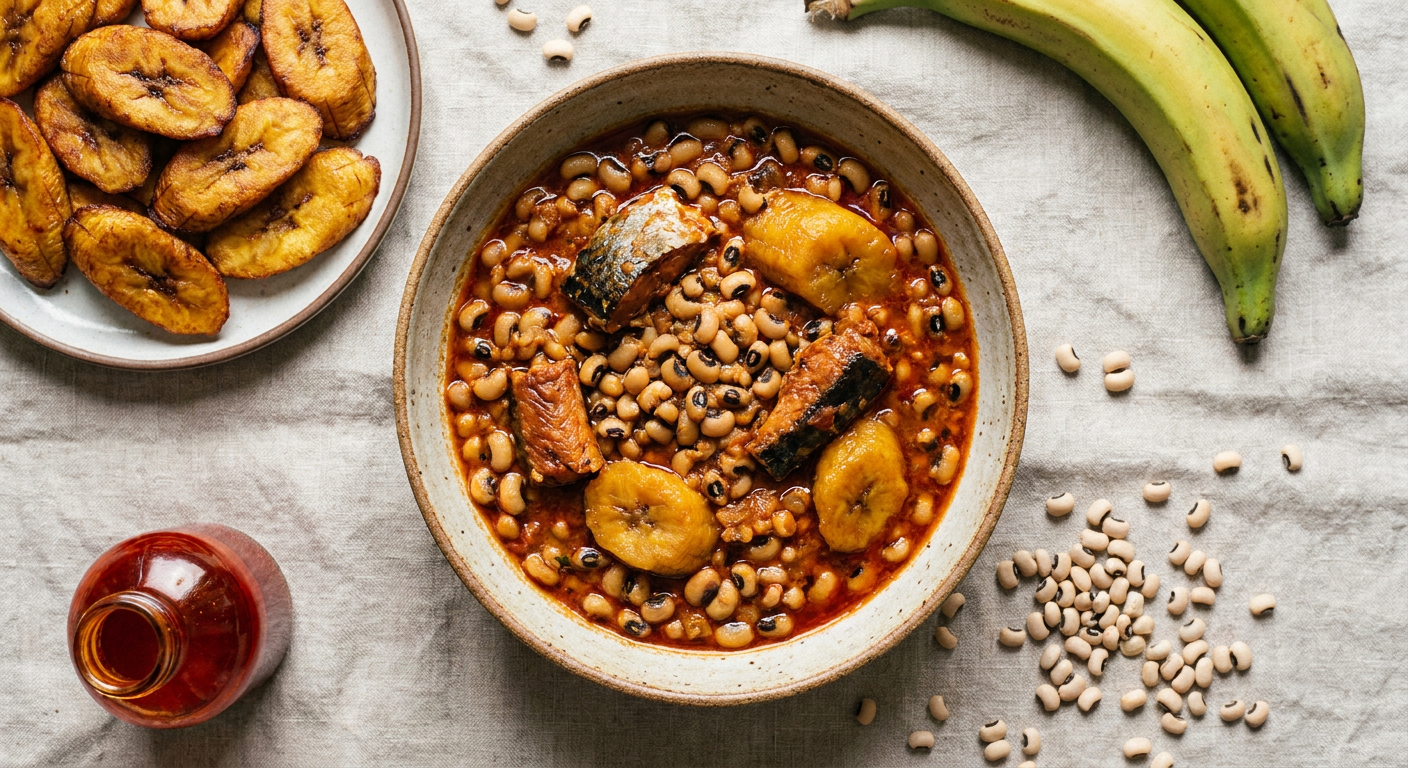

If you are looking for the ultimate West African comfort food, Ghanaian red red is the undisputed champion. This hearty black-eyed pea stew gets its name and iconic glowing hue from zomi (fortified palm oil), which creates a rich, smoky base for the tender beans and aromatic aromatics.
While many bean dishes take a back seat to meat, this ghanaian bean stew with plantain is a powerhouse on its own. The combination of savory, ginger-spiced beans against the caramelized sweetness of fried ripe plantains creates a perfect balance of flavors and textures. It is naturally vegan and incredibly filling, making this red red recipe a staple for both busy weeknights and festive gatherings.
The secret to a truly great pot is the slow sizzle of onions and ginger in the oil until the kitchen smells like a bustling Accra market. Whether you finish it with a sprinkle of gari for crunch or eat it plain, this dish is a masterclass in building deep flavor with humble ingredients.
Ingredients
The Bean Stew
- 2 cups (400g) dried black-eyed peas, soaked overnight and drained
- 1/2 cup (120ml) sustainable red palm oil (zomi)
- 1 large red onion, finely diced
- 2 inches fresh ginger, grated
- 4 cloves garlic, minced
- 1-2 scotch bonnet or habanero peppers, pierced (adjust for heat)
- 1 cup (240ml) tomato puree or crushed canned tomatoes
- 1 tablespoon tomato paste
- 1 teaspoon smoked paprika
- Salt to taste
- 1/2 cup water or vegetable stock (if needed for thinning)
The Sides
- 3 very ripe plantains (yellow with black spots), sliced diagonally
- Neutral oil for frying
- 2 tablespoons gari (fermented cassava grits) for topping
- 1 tablespoon sliced scallions or fresh cilantro for garnish
Instructions
- 1
Place the soaked black-eyed peas in a large pot, cover with 2 inches of water, and bring to a boil. Reduce heat and simmer for 30–45 minutes until tender but not mushy. Drain and set aside.
- 2
Heat the red palm oil in a heavy-bottomed skillet or pot over medium heat until melted and shimmering.
- 3
Add the diced onions to the oil and sauté for 8–10 minutes until softened and starting to brown at the edges.
- 4
Stir in the grated ginger, minced garlic, and the whole scotch bonnet pepper. Cook for 2 minutes until fragrant.
- 5
Add the tomato paste and fry it in the oil for 3 minutes to remove the raw metallic taste, then pour in the tomato puree and smoked paprika.
- 6
Simmer the tomato base for 10–15 minutes, stirring occasionally, until the oil begins to separate from the sauce and rises to the top.
- 7
Fold the cooked beans into the sauce. If the stew is too thick, add a splash of water or stock. Season generously with salt and simmer on low for another 10 minutes to allow the beans to absorb the flavors.
- 8
While the beans simmer, heat 1 inch of neutral oil in a separate frying pan. Fry the plantain slices in batches until golden brown and caramelized on both sides. Drain on paper towels.
- 9
Remove the scotch bonnet pepper from the stew before serving. Taste and adjust salt one last time.
- 10
Ladle the thick bean stew into bowls, top with a spoonful of gari for texture, and serve alongside the hot fried plantains.
Nutrition (per serving)
Estimates only — not medical or dietary advice.
- Calories
- 685 kcal
- Protein
- 16 g
- Carbs
- 82 g
- Fat
- 35 g
- Fiber
- 14 g
- Sugar
- 18 g
- Sodium
- 480 mg
Tips
- → Use very ripe plantains—the skin should be mostly black. These have the high sugar content needed to caramelize properly against the savory beans.
- → Don't skip the palm oil. While you can use neutral oil with extra paprika, the authentic earthy flavor of red red comes specifically from the palm oil.
- → If using canned beans to save time, use three 15-ounce cans, rinsed thoroughly, and reduce the final simmering time to 5 minutes.
FAQ
Can I make Ghanaian red red without palm oil?
You can substitute it with neutral oil and 2 teaspoons of smoked paprika for color, but you will miss the distinct earthy, nutty flavor that defines the dish.
How do I make the stew thicker?
Use the back of your wooden spoon to mash a small portion of the beans against the side of the pot during the final simmer. This releases starches that naturally thicken the sauce.
What is gari and is it necessary?
Gari is fermented, dried, and ground cassava. It adds a wonderful sour crunch to the dish. If you can't find it at an African grocery store, toasted breadcrumbs or crushed crackers offer a similar texture, though not the flavor.
Why does my red red look orange instead of deep red?
The deep red color comes from a combination of the palm oil and properly frying the tomato paste until it darkens. Ensure you cook the tomato base until the oil separates.
You might also like
 Dinner
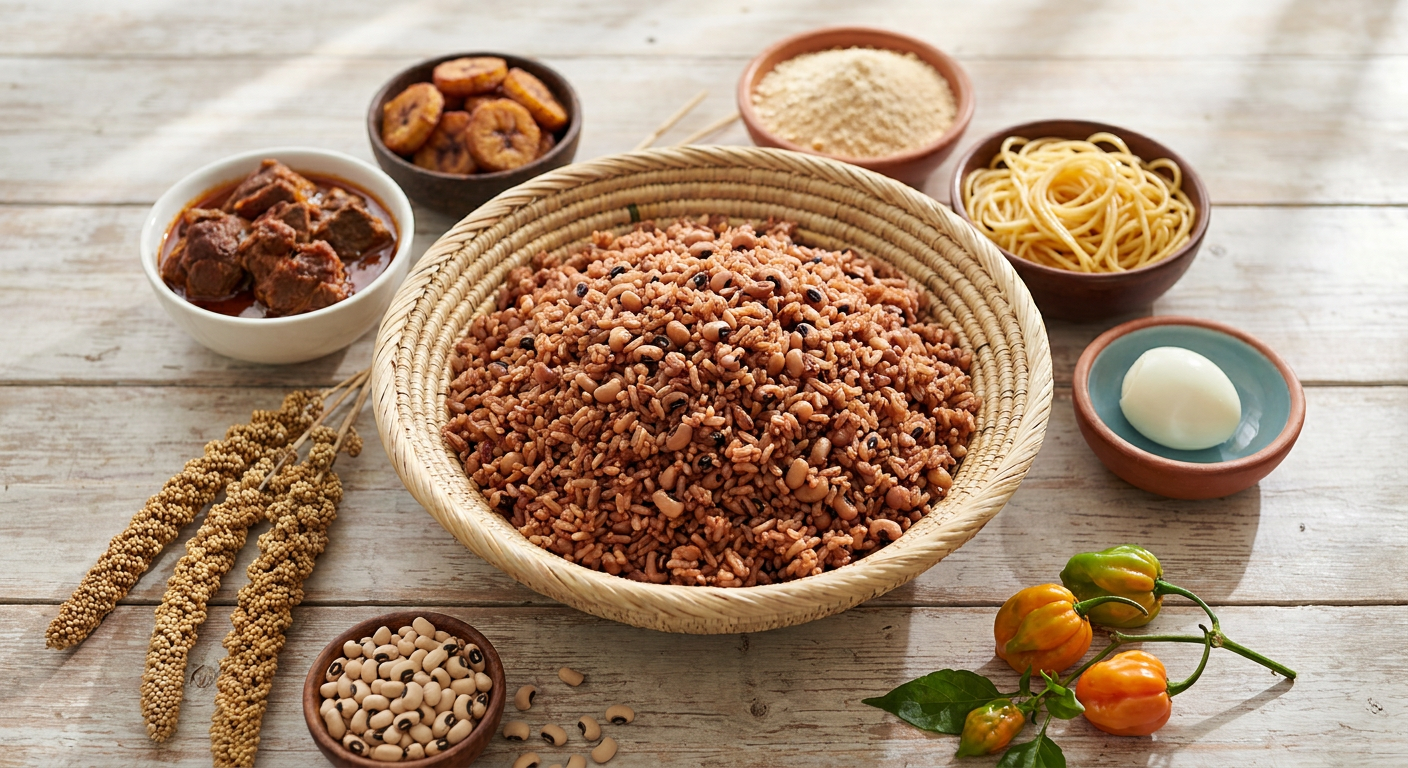
Authentic Ghanaian Waakye (Rice and Black-Eyed Peas)
Master authentic Ghanaian waakye with this detailed guide. Learn to use sorghum leaves for that iconic color, served with shito, stew, and gari for a true street-style feast.
 Dinner
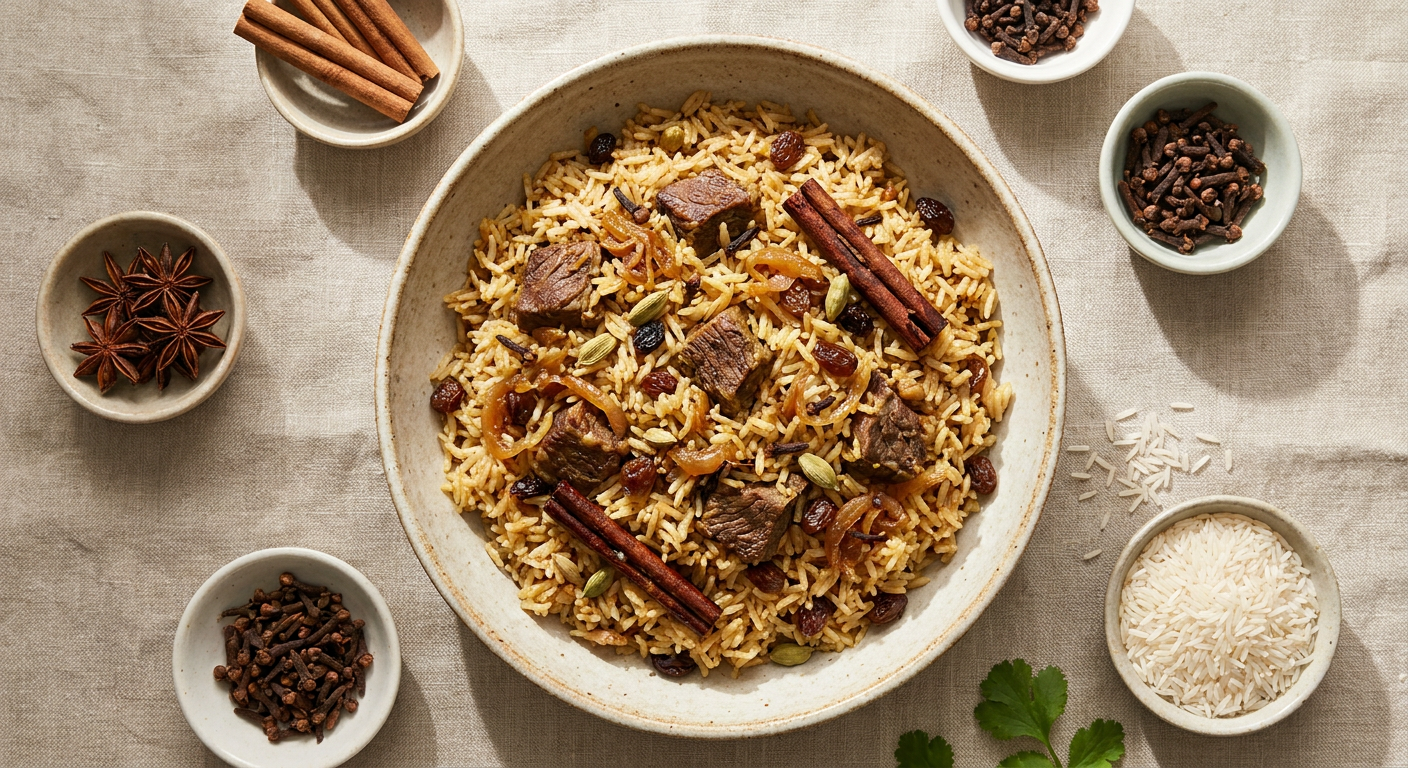
Tanzanian Zanzibar Pilau with Beef and Fragrant Spices
Master this authentic Tanzanian Zanzibar pilau featuring tender beef and basmati rice bloomed with cardamom, cloves, and cinnamon for a deeply aromatic dinner.
 DinnerAdvanced
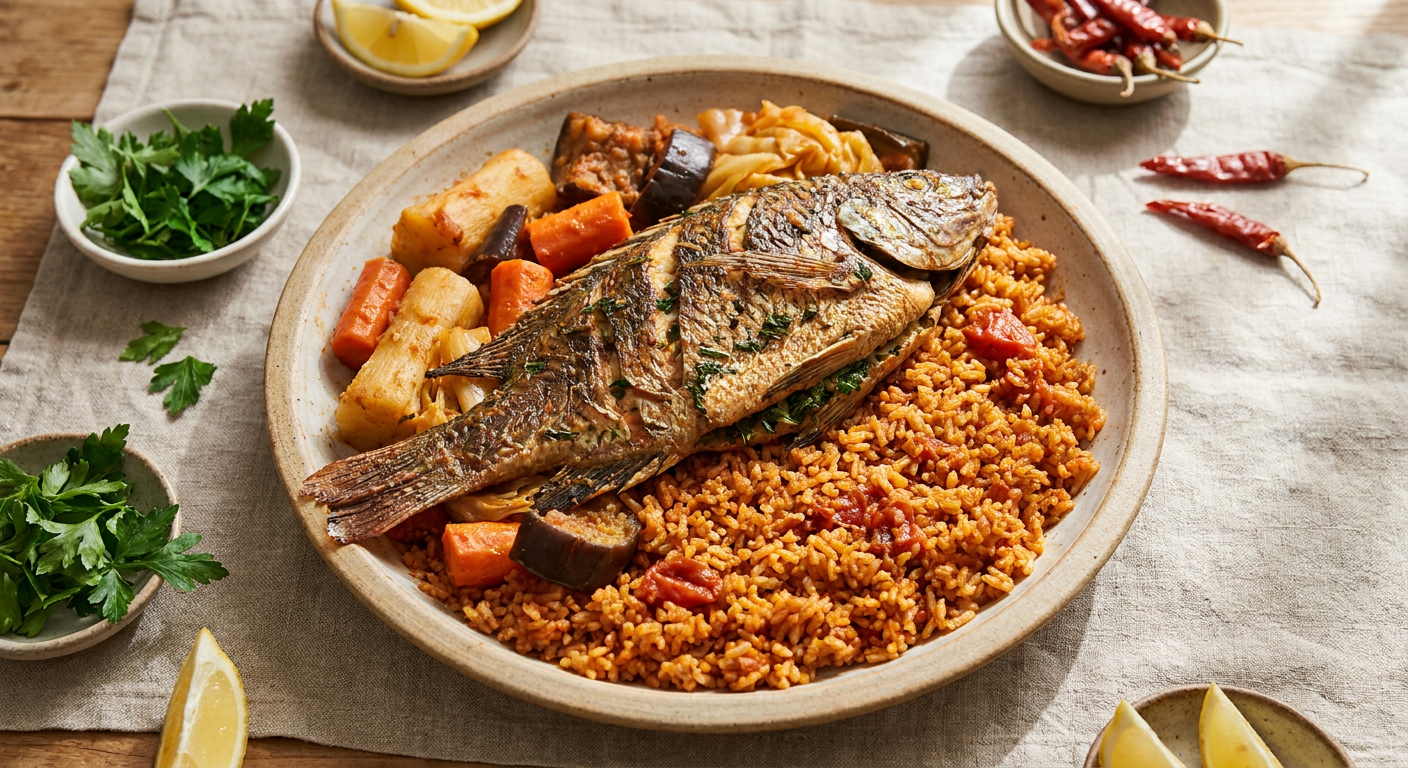
Authentic Senegalese Thieboudienne (Fish and Rice)
Master the art of Senegalese thieboudienne with this authentic recipe featuring herb-stuffed fish, vibrant vegetables, and savory tomato-stained broken rice.
 Dinner
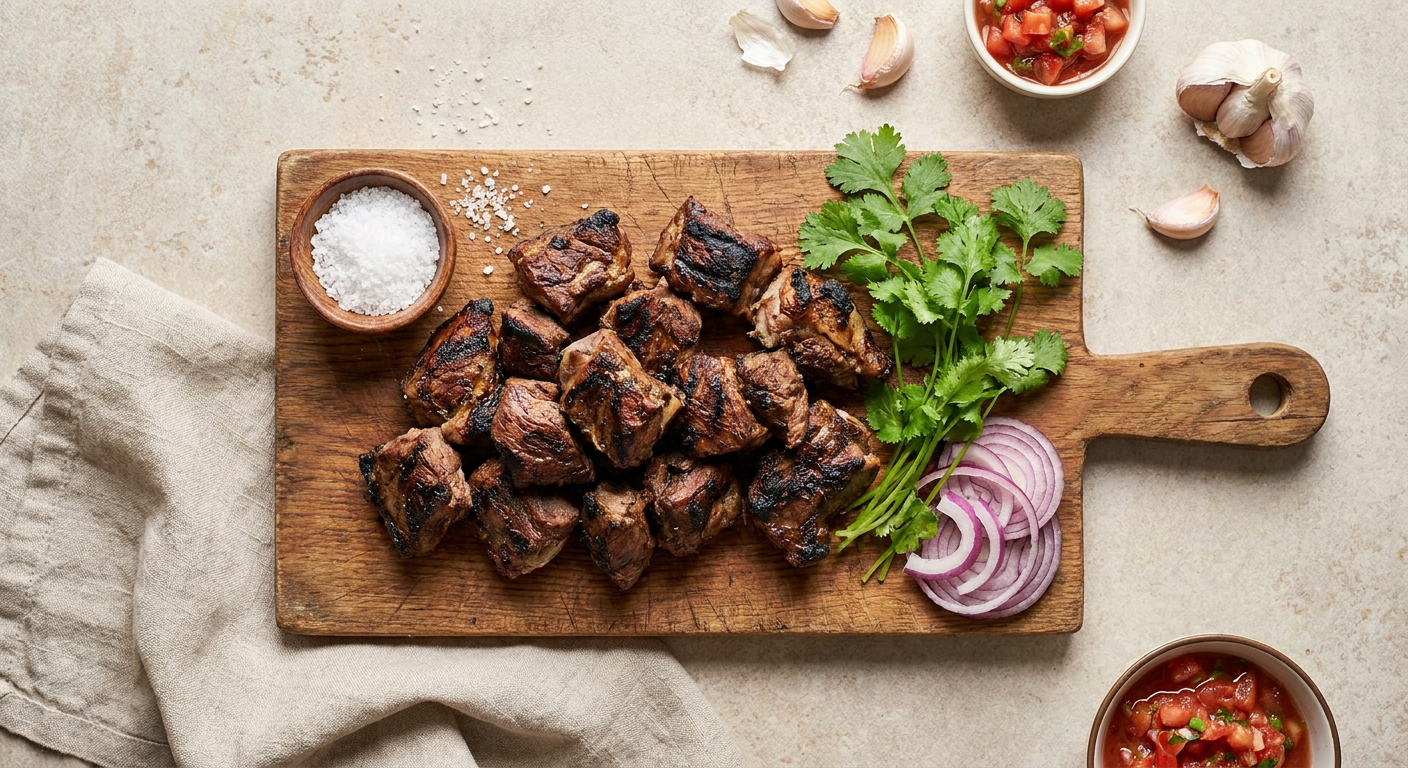
Authentic Kenyan Nyama Choma (Grilled Goat) Recipe
Master authentic Kenyan nyama choma with this guide to slow-grilled goat meat. Learn the secret to tender, smoky meat served with fresh kachumbari and ugali.