Authentic Senegalese Thieboudienne (Fish and Rice)
Master the art of Senegalese thieboudienne with this authentic recipe featuring herb-stuffed fish, vibrant vegetables, and savory tomato-stained broken rice.
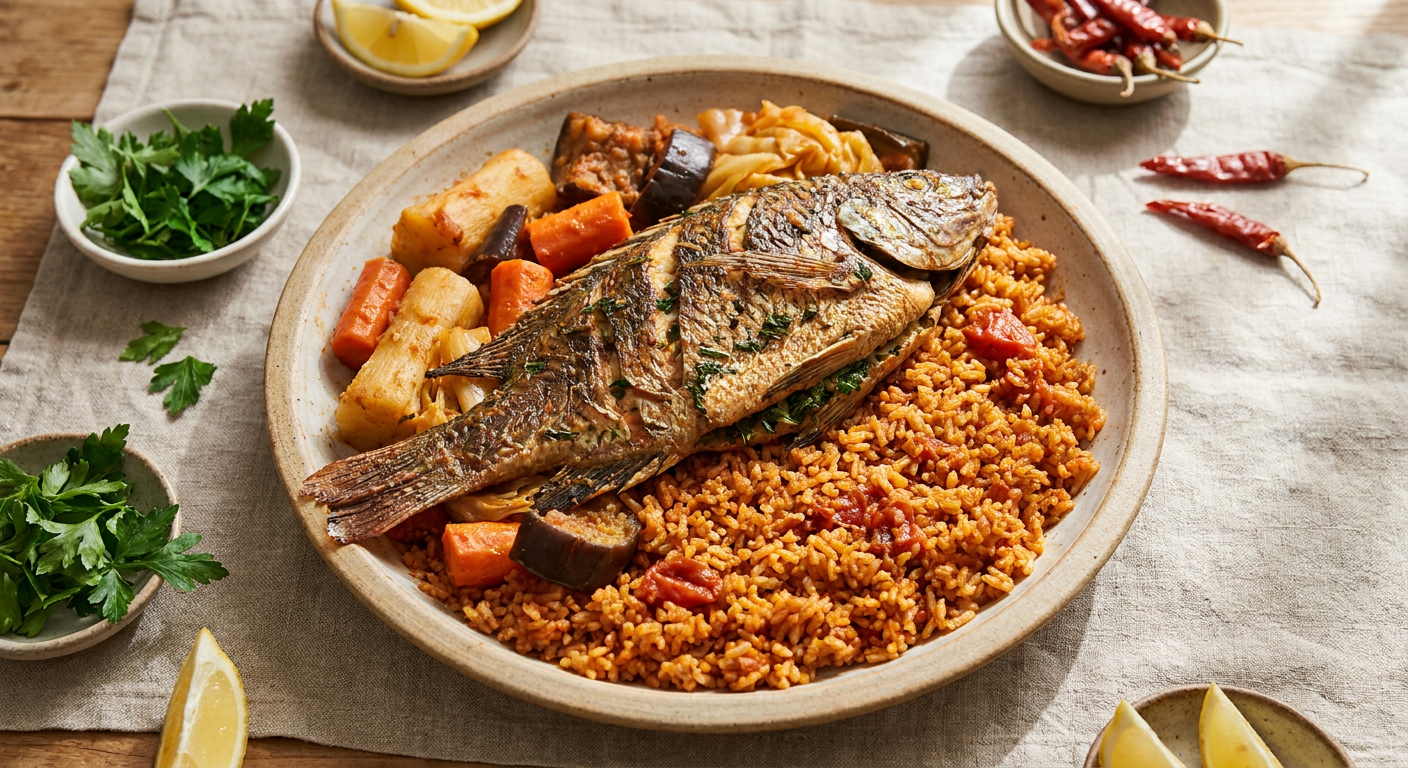

Senegalese thieboudienne is the undisputed crown jewel of West African cuisine. Often called the national dish of Senegal, this one-pot masterpiece features firm white fish stuffed with a pungent herb paste, simmered alongside hearty root vegetables in a deeply concentrated tomato and tamarind broth.
The magic of a true thieboudienne recipe lies in the rice. We use broken jasmine rice, which absorbs the flavorful, reddened stock until every grain is tender and saturated with umami. This Senegalese fish and rice dish isn't just a meal; it's a slow-cooked labor of love that rewards patience with layers of smoky, tangy, and spicy flavors.
To achieve the authentic 'ceebu jen' experience, we focus on the rof—the garlic and parsley stuffing—and the crusty bottom of the rice known as xoon. Whether you are using grouper or snapper, the key is the balance of the fermented notes from the guedj (salted fish) against the brightness of the lime and tamarind.
Ingredients
The Fish and Rof (Herb Paste)
- 2 lbs (900g) thick white fish steaks (Grouper, Red Snapper, or Sea Bass)
- 1 bunch fresh parsley, roughly chopped
- 4 cloves garlic, peeled
- 1 habanero or scotch bonnet pepper (seeded for less heat)
- 1 tsp black peppercorns
- 1 tsp salt
The Reddened Broth and Vegetables
- 1 cup vegetable oil
- 6 oz (170g) tomato paste
- 2 large onions, finely diced
- 2 tbsp tamarind concentrate
- 1 small piece guedj (dried salted fish) or 1 tbsp fish sauce
- 1 large sweet potato, peeled and quartered
- 2 large carrots, peeled and cut into chunks
- 1 small cassava root, peeled and chopped
- 1/2 small cabbage, cut into wedges
- 1 eggplant, sliced into thick rounds
- 2 bouillon cubes (Maggi or vegetable)
- 2 liters water
The Rice
- 4 cups (800g) broken jasmine rice (or regular jasmine rice pulsed in a blender)
- 2 bay leaves
- Salt to taste
Instructions
- 1
Prepare the rof by pounding the parsley, garlic, habanero, peppercorns, and salt into a thick paste using a mortar and pestle or food processor.
- 2
Cut deep slits into the flesh of the fish steaks and stuff them generously with the rof paste; set aside for 20 minutes to marinate.
- 3
Heat the oil in a large, heavy-bottomed Dutch oven over medium-high heat and sear the fish until golden brown on both sides, then remove and set aside.
- 4
Sauté the diced onions in the remaining oil until softened, then stir in the tomato paste and cook for 5-7 minutes, stirring constantly until the paste darkens to a deep maroon.
- 5
Pour in the water and add the tamarind, guedj (or fish sauce), and bouillon cubes, bringing the liquid to a steady boil.
- 6
Add the sweet potato, carrots, cassava, cabbage, and eggplant to the pot, reduce heat to medium-low, and simmer for 25-30 minutes until the vegetables are tender.
- 7
Remove the cooked vegetables and a cup of the broth with a slotted spoon; place them in a bowl, cover, and keep warm.
- 8
Rinse the broken rice thoroughly until the water runs clear, then steam the rice over the boiling broth using a steamer basket for 15 minutes to soften the grains.
- 9
Return the fish to the broth for 5 minutes to finish cooking, then remove the fish and set it aside with the vegetables.
- 10
Adjust the broth level (it should just barely cover the rice) and stir the pre-steamed rice into the pot, covering tightly with foil and a lid.
- 11
Simmer the rice on the lowest possible heat for 20-25 minutes until the liquid is fully absorbed and the rice is stained deep red.
- 12
Serve by fluffing the rice onto a large platter, topping it with the fish and arranged vegetables, and drizzling with the reserved broth.
Nutrition (per serving)
Estimates only — not medical or dietary advice.
- Calories
- 895 kcal
- Protein
- 42 g
- Carbs
- 108 g
- Fat
- 38 g
- Fiber
- 9 g
- Sugar
- 11 g
- Sodium
- 1450 mg
Tips
- → If you cannot find broken rice, pulse regular jasmine rice in a blender for 2-3 seconds until the grains are fractured but not pulverized.
- → The 'xoon' is the caramelized rice crust at the bottom of the pot; increase the heat slightly during the last 5 minutes of rice cooking if you want to achieve this delicacy.
- → Do not skip the tamarind; its acidity balances the richness of the oil and the sweetness of the root vegetables.
FAQ
What is the best fish for Senegalese thieboudienne?
Use a firm-fleshed white fish that won't fall apart during searing and simmering. Grouper, Red Snapper, or Sea Bass are the traditional choices.
How do I make the rice red without burning the tomato paste?
The key is to fry the tomato paste in the oil with the onions until it loses its bright red color and turns a dark, brick-red. Stir constantly to prevent sticking.
Can I make thieboudienne without the salted dried fish (guedj)?
While guedj provides a unique fermented depth, you can substitute it with a tablespoon of high-quality fish sauce or a fermented shrimp paste to mimic that umami profile.
Why does my rice turn out mushy?
Mushy rice happens if there is too much liquid. The broth should only sit about half an inch above the rice level when you start the final steam. Steaming the rice first also helps the grains stay distinct.
You might also like
 Dinner
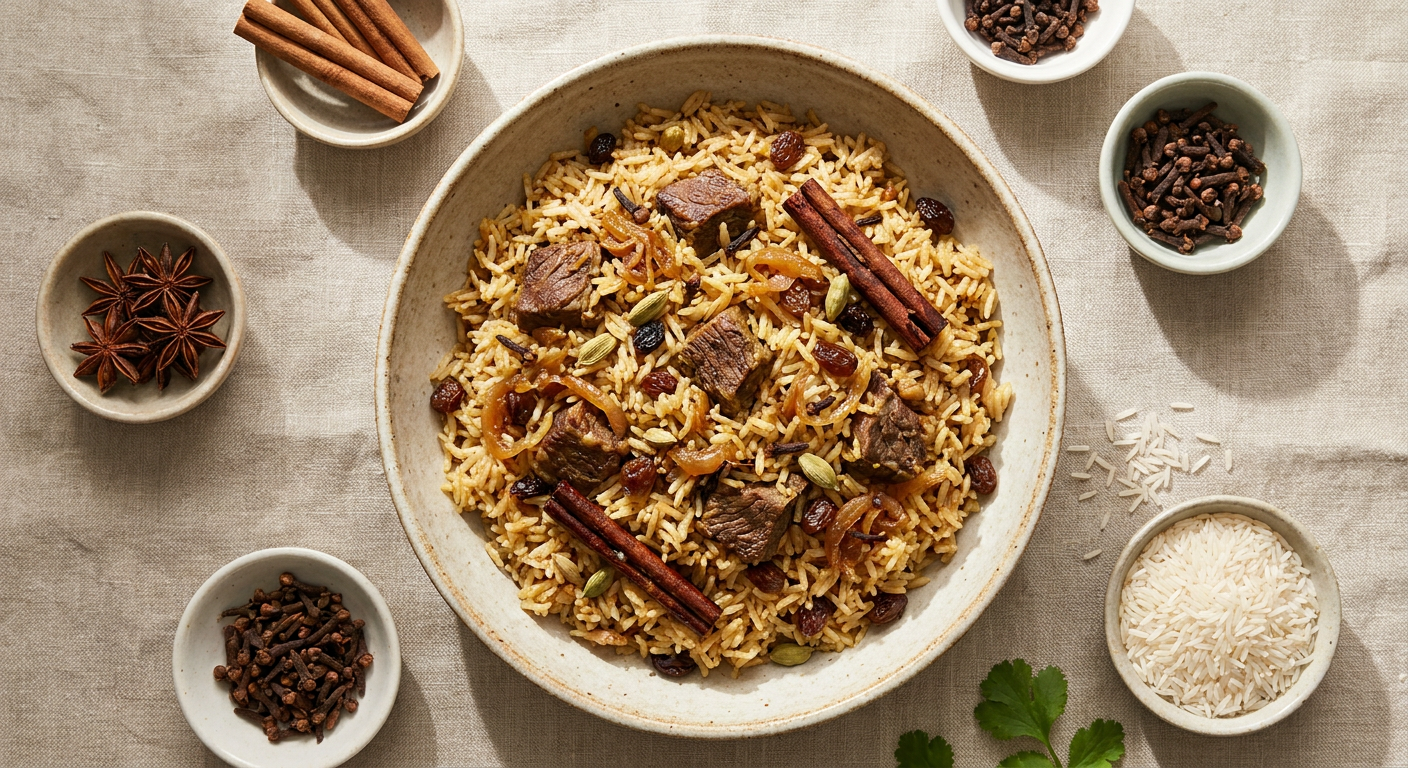
Tanzanian Zanzibar Pilau with Beef and Fragrant Spices
Master this authentic Tanzanian Zanzibar pilau featuring tender beef and basmati rice bloomed with cardamom, cloves, and cinnamon for a deeply aromatic dinner.
 Dinner
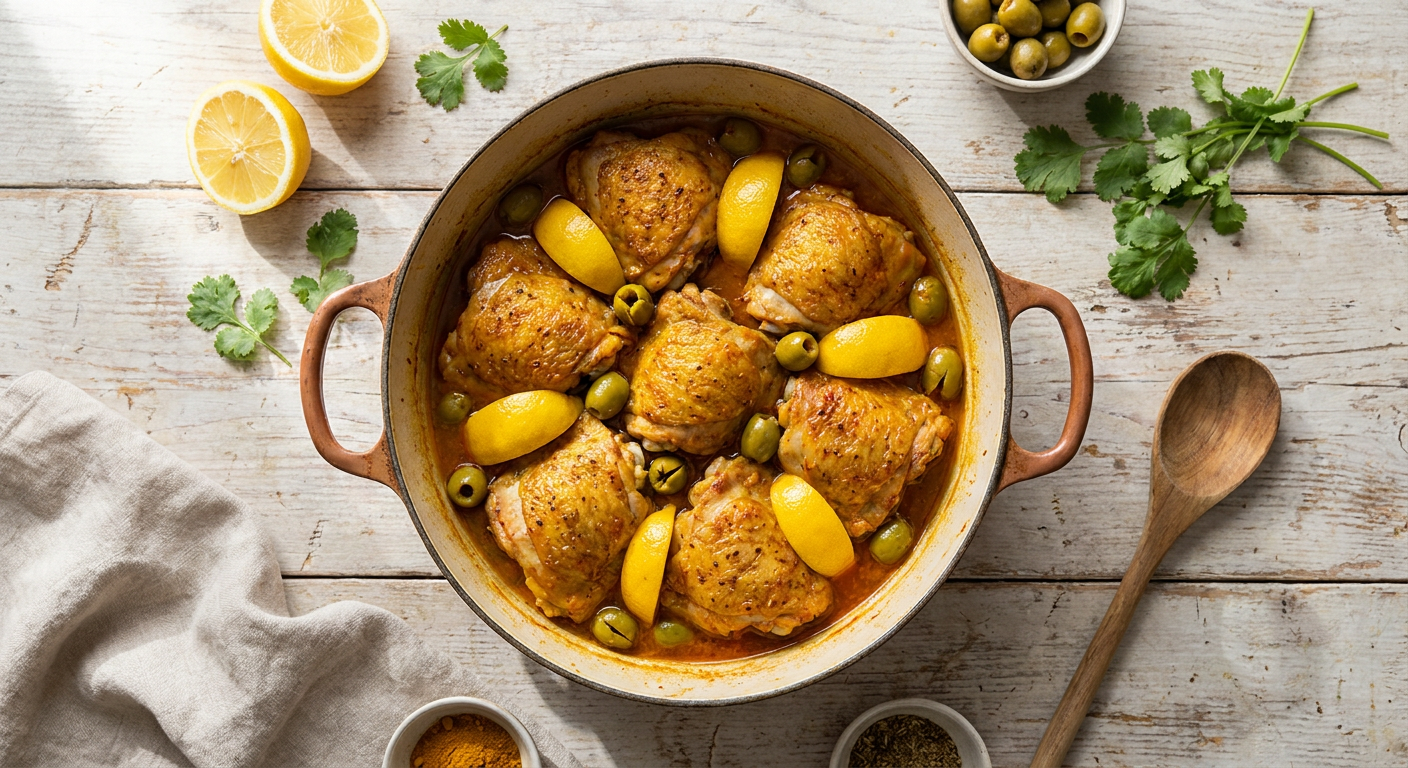
Moroccan Chicken Tagine with Preserved Lemon and Olives
This Moroccan chicken tagine recipe layers saffron, ginger, preserved lemon, and cracked green olives over bone-in thighs for a bright, savory braise that works in any Dutch oven — no tagine required.
 Dinner
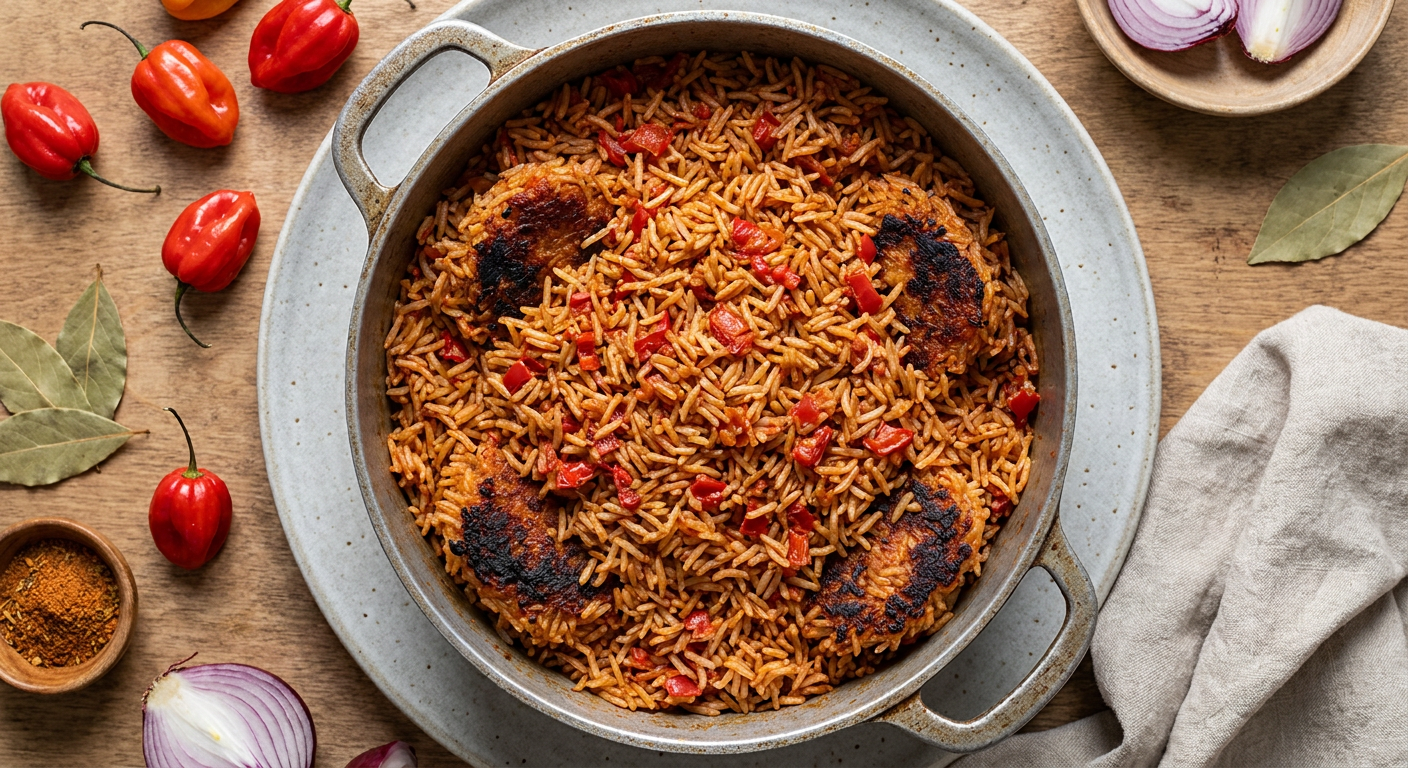
Nigerian Jollof Rice Recipe (Smoky Party-Style)
This Nigerian jollof rice recipe delivers party-style smoky flavor with a scorched-pot bottom, blended red pepper base, and long-grain parboiled rice. The best easy jollof rice for home cooks.
 Dinner
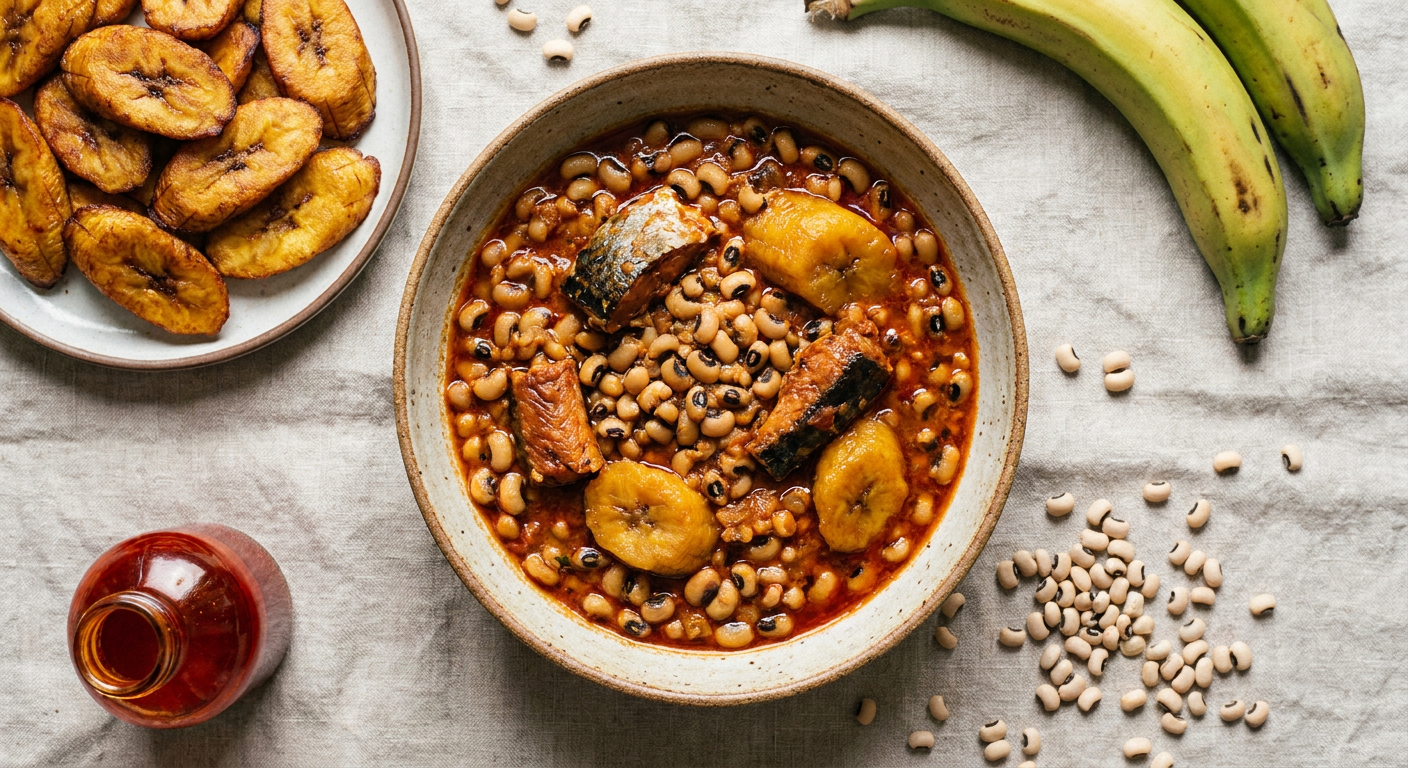
Authentic Ghanaian Red Red (Bean Stew with Fried Plantains)
This authentic Ghanaian red red is a smoky, savory black-eyed pea stew cooked in palm oil and served with sweet fried plantains. A naturally vegan, protein-packed comfort meal.