Authentic Sri Lankan Dhal Curry (Parippu) with Tempering
This authentic Sri Lankan dhal curry features red lentils simmered in coconut milk and finished with a sizzling aromatic tempering of mustard seeds, shallots, and chili.
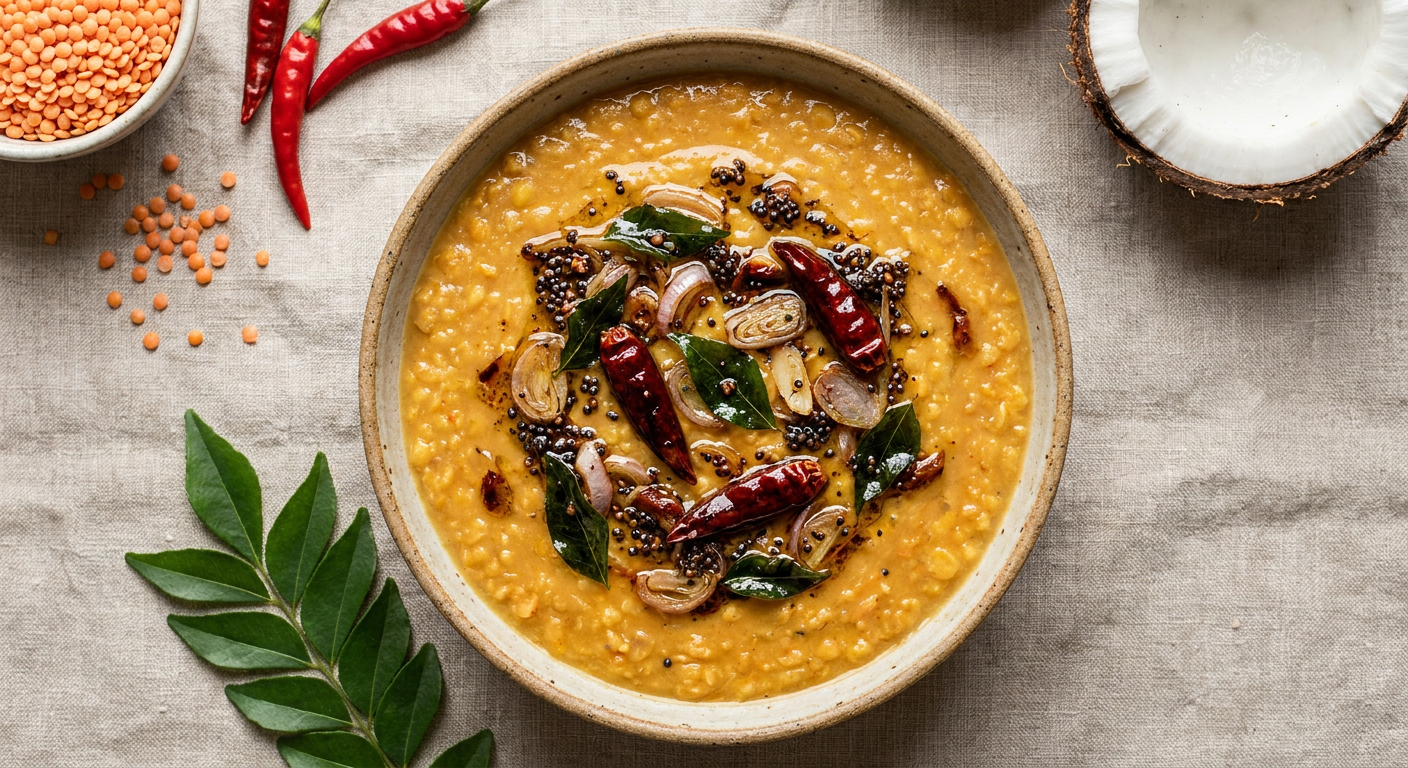

A proper Sri Lankan dhal curry is a non-negotiable staple on every island table, from breakfast spreads with string hoppers to festive lunch spreads. This version, often called sri lankan parippu, relies on red lentils that are cooked until they just begin to collapse, creating a creamy texture that is enriched further by a final addition of thick coconut milk.
The secret to a truly great coconut red lentil dhal is the 'tempering'—a technique known as thaluma or tarka. You fry shallots, curry leaves, and mustard seeds in hot oil until they are fragrant and crispy, then pour the whole sizzling mixture over the lentils. It transforms a humble bowl of pulses into a smoky, complex masterpiece that puts standard lentil soups to shame.
Ingredients
The Lentil Base
- 200g (1 cup) split red lentils (masoor dal), rinsed thoroughly
- 500ml (2 cups) water
- 1/2 tsp ground turmeric
- 1 small green chili, slit lengthwise
- 1/2 medium red onion, finely chopped
- 1 sprig fresh curry leaves
- 3-inch piece of pandan leaf (optional but recommended)
- 1/2 tsp Sri Lankan raw curry powder (optional)
- 120ml (1/2 cup) thick coconut milk
- 1 tsp kosher salt, or to taste
The Tempering (Thaluma)
- 2 tbsp coconut oil or neutral oil
- 1/2 tsp black mustard seeds
- 2 small shallots, thinly sliced
- 1 sprig fresh curry leaves
- 2-3 dried red chilies, broken into pieces
- 1-inch cinnamon stick
Instructions
- 1
Rinse the red lentils in a fine-mesh sieve under cold water until the water runs clear, then drain well.
- 2
Place the lentils, water, turmeric, onion, green chili, pandan leaf, and the first sprig of curry leaves into a medium saucepan.
- 3
Bring the mixture to a boil over medium-high heat, then reduce to a simmer and cook for 12-15 minutes until the lentils are soft and have absorbed most of the water.
- 4
Stir in the coconut milk and salt, then simmer for another 2-3 minutes on low heat until the curry is thick and creamy; remove from heat.
- 5
Prepare the tempering by heating the coconut oil in a small frying pan or tadka over medium heat.
- 6
Add the mustard seeds and wait for them to start popping, then immediately add the shallots, cinnamon stick, dried chilies, and the remaining curry leaves.
- 7
Fry the aromatics for 2-3 minutes, stirring constantly, until the shallots turn a deep golden brown and the curry leaves are crisp.
- 8
Pour the entire contents of the frying pan—hot oil and aromatics—directly over the cooked lentils.
- 9
Give the dhal a quick stir to incorporate the smoky oil and serve immediately while the tempering is fresh.
Nutrition (per serving)
Estimates only — not medical or dietary advice.
- Calories
- 315 kcal
- Protein
- 13 g
- Carbs
- 31 g
- Fat
- 16 g
- Fiber
- 9 g
- Sugar
- 2 g
- Sodium
- 590 mg
Tips
- → Don't overcook the lentils into a total mush; you want them to be 'collapsing' but still hold a tiny bit of texture before you add the coconut milk.
- → Fresh curry leaves are essential for that specific Sri Lankan flavor profile; dried leaves are a poor substitute but can be used if fresh is impossible to find.
- → If your curry is too thick, thin it out with a splash of water or more coconut milk before adding the tempering.
- → The shallots in the tempering must be golden brown; if they are undercooked, they won't provide the necessary sweetness and crunch.
FAQ
Can I make Sri Lankan dhal curry without pandan leaves?
Yes, you can. While pandan adds a distinct floral aroma common in Sri Lankan cooking, the curry will still be delicious without it as long as you use fresh curry leaves.
How do I make my dhal more yellow?
The vibrant yellow color comes from the turmeric. Ensure you add it at the beginning of the boil. If you want a deeper orange hue, a pinch of unroasted Sri Lankan curry powder helps.
Why does my coconut milk curdle in the dhal?
Coconut milk can curdle if boiled too vigorously. Always add it toward the end of the cooking process and keep the heat on low until you're ready to temper.
You might also like
 Dinner
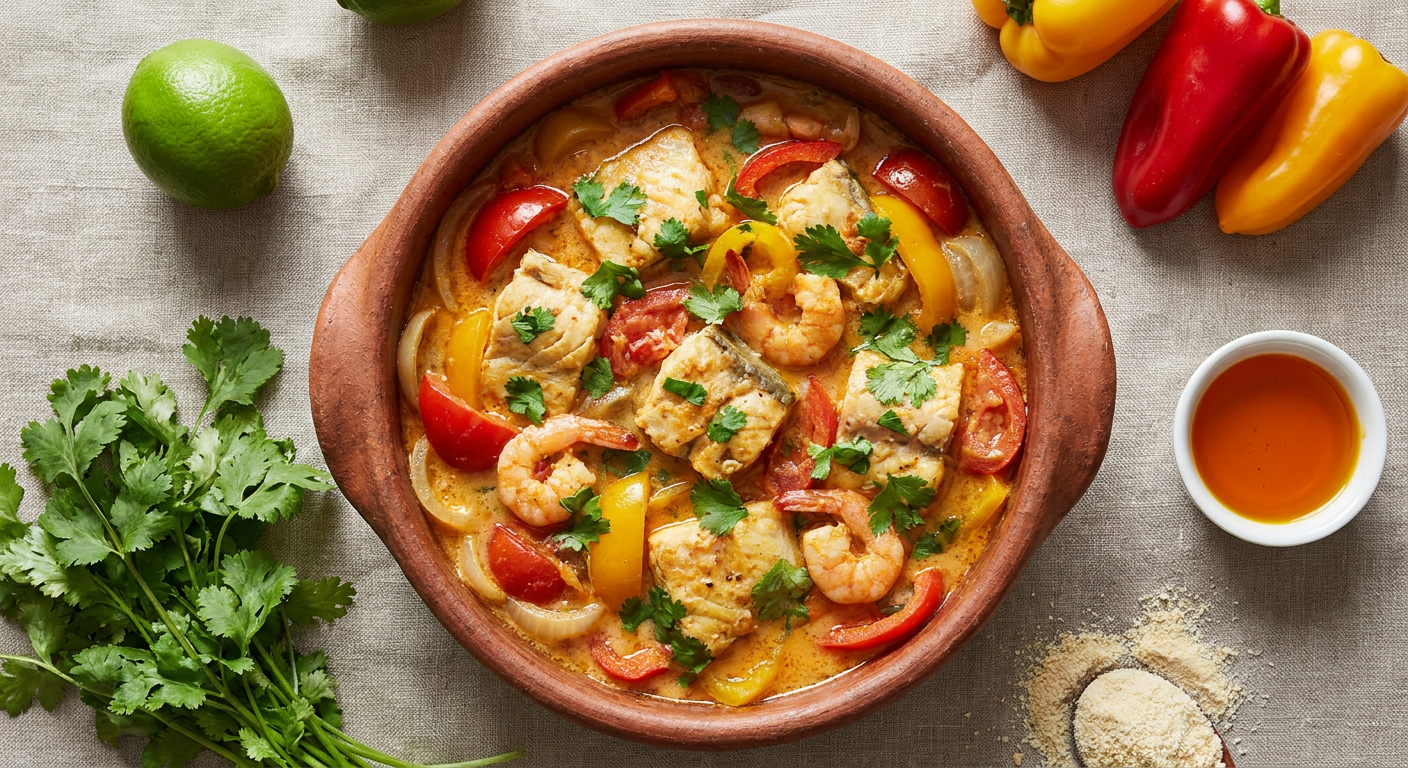
Authentic Moqueca Recipe: Traditional Brazilian Fish Stew
Master this authentic moqueca recipe. A fragrant Brazilian fish stew with coconut milk, bell peppers, and dendê oil, layered in a traditional clay pot for maximum flavor.
 Dinner
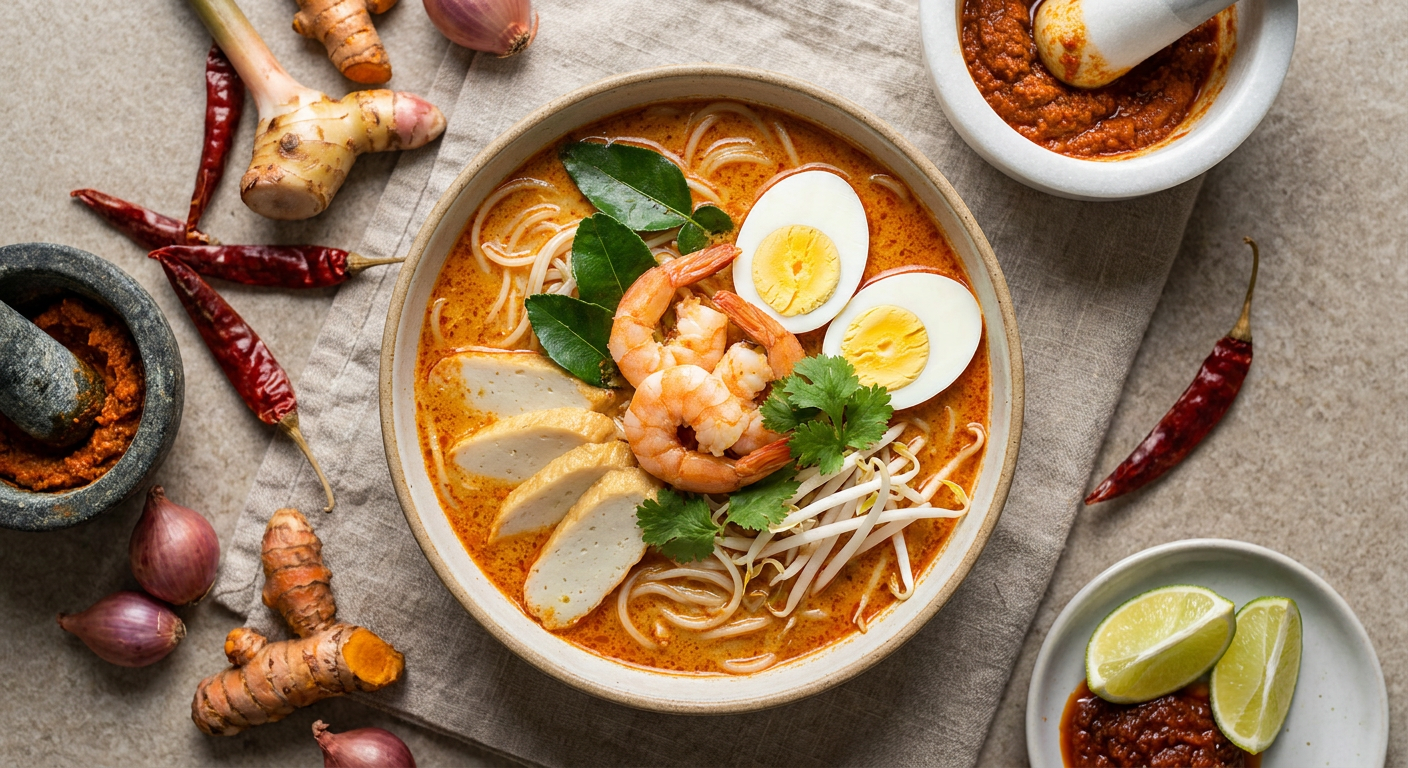
Malaysian Laksa Lemak: Creamy Coconut Noodle Soup
Master authentic Malaysian laksa lemak with this rich, spicy coconut laksa noodle soup featuring a handmade rempah, succulent prawns, and silky rice noodles.
 Dinner
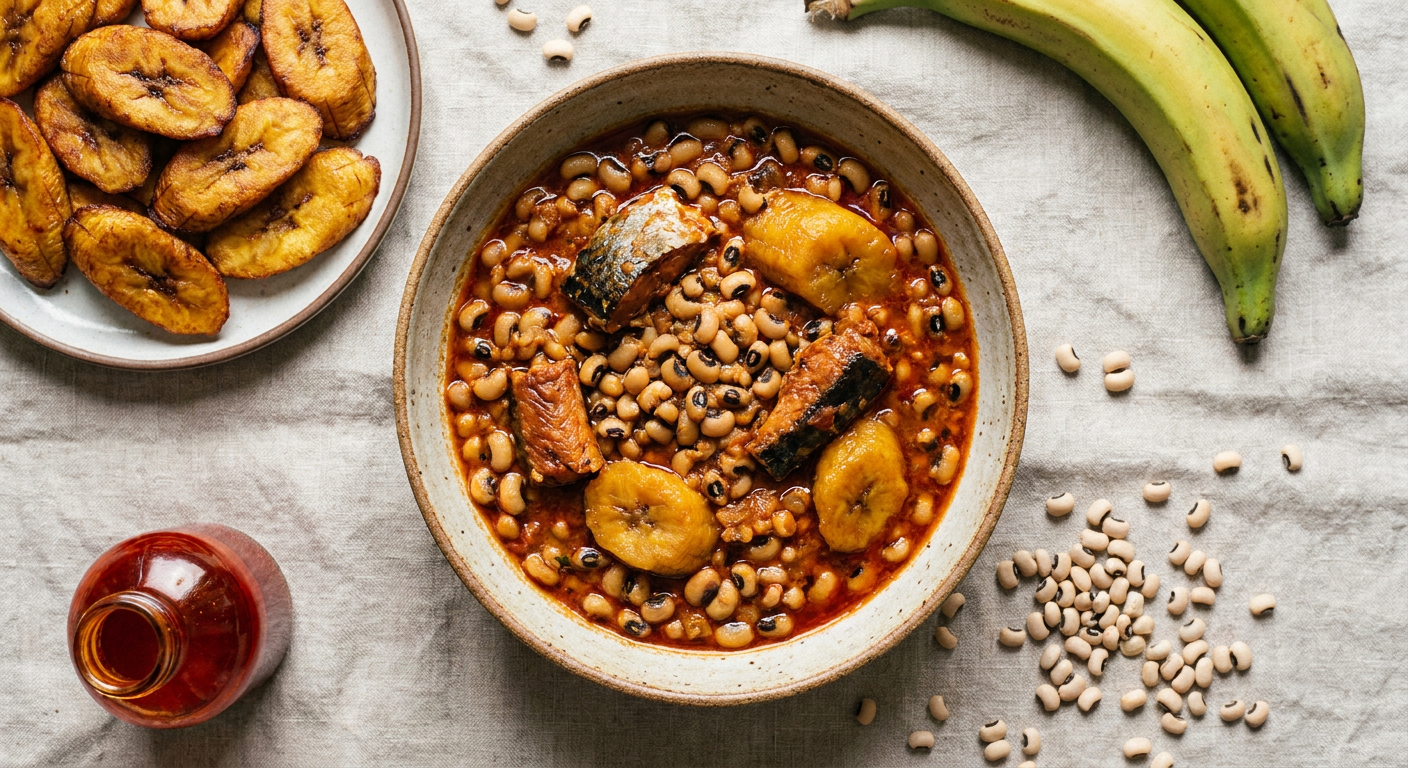
Authentic Ghanaian Red Red (Bean Stew with Fried Plantains)
This authentic Ghanaian red red is a smoky, savory black-eyed pea stew cooked in palm oil and served with sweet fried plantains. A naturally vegan, protein-packed comfort meal.
 Dinner
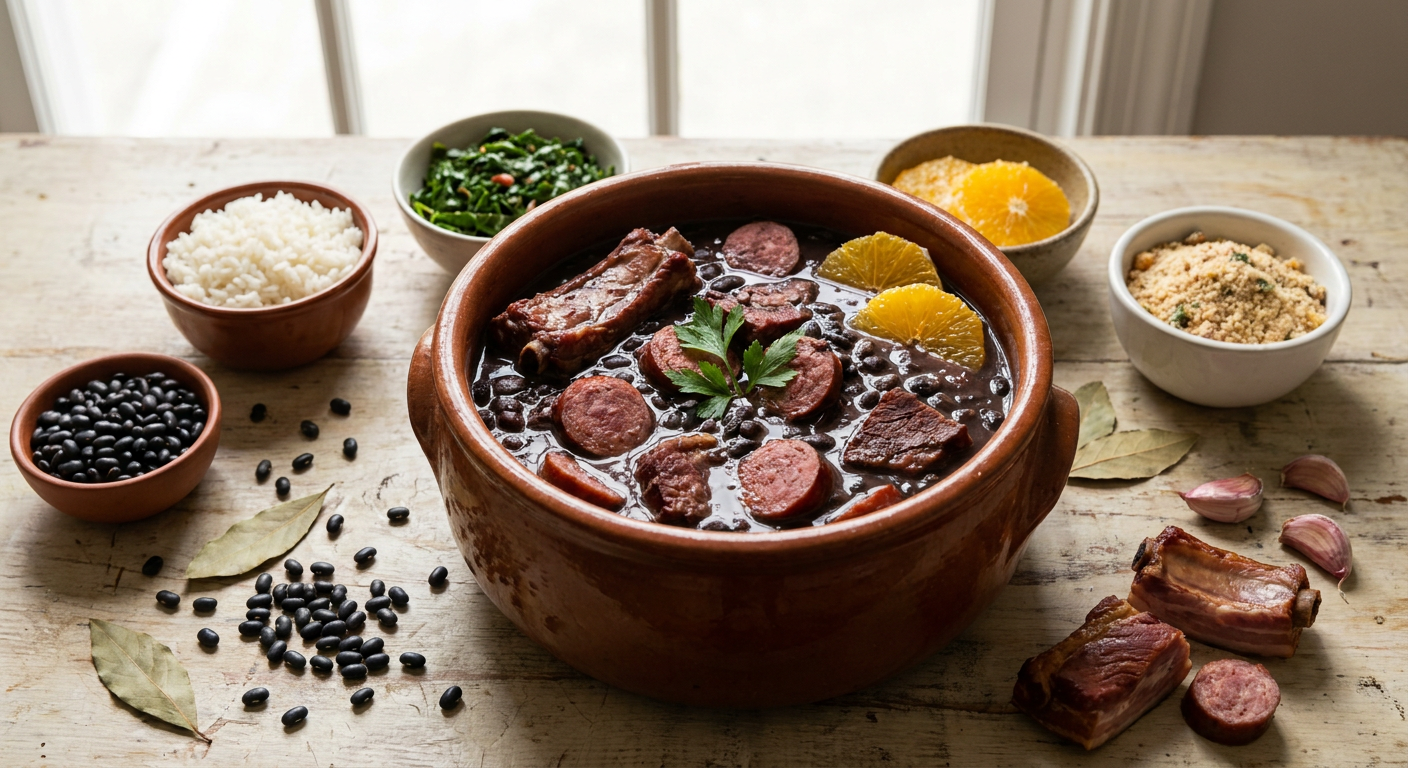
Authentic Brazilian Feijoada with Black Beans and Smoked Pork
Master the art of Brazilian feijoada with this deep, glossy black bean stew featuring smoked ribs, linguiça, and carne seca. Serve with rice, farofa, and orange slices.