Authentic Brazilian Feijoada with Black Beans and Smoked Pork
Master the art of Brazilian feijoada with this deep, glossy black bean stew featuring smoked ribs, linguiça, and carne seca. Serve with rice, farofa, and orange slices.
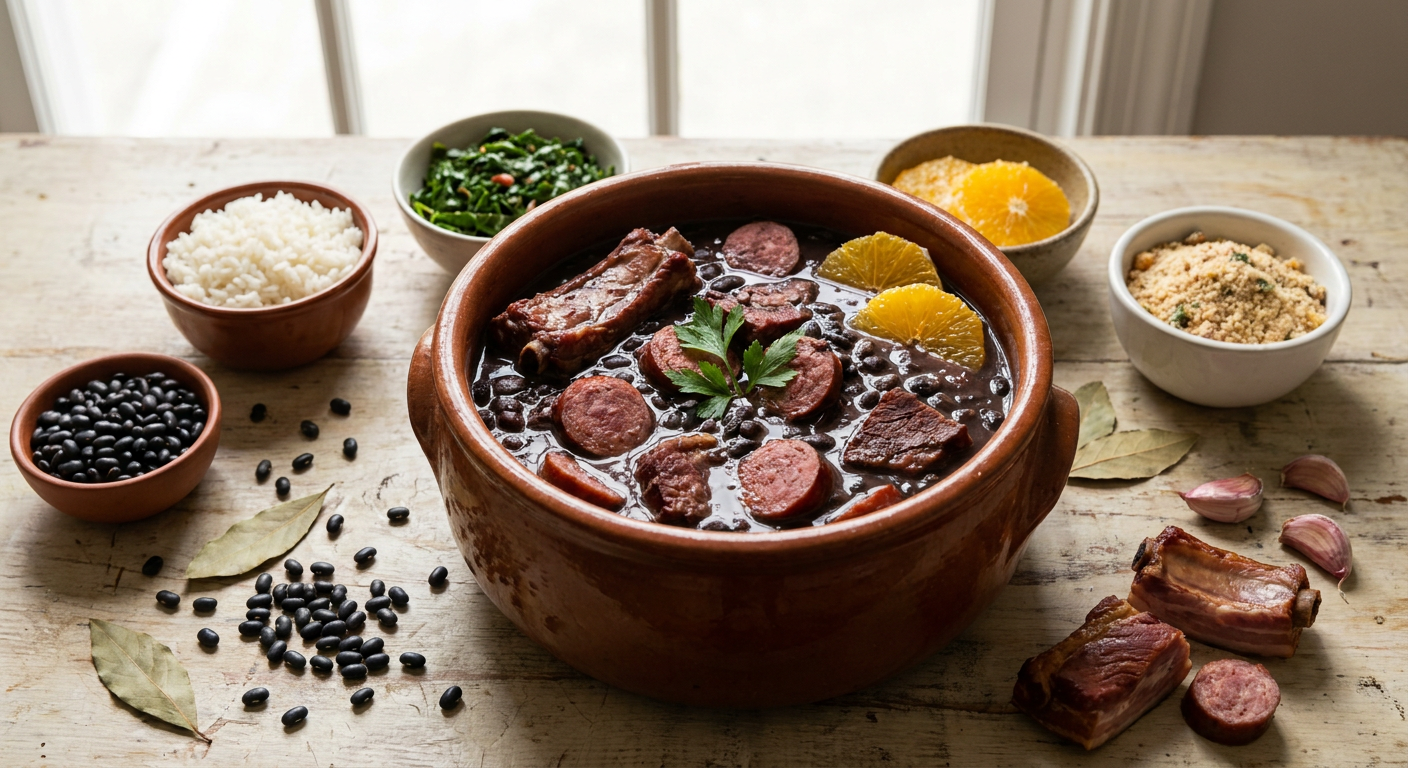

Brazilian feijoada is more than just a meal; it is a celebrated weekend ritual that demands time, patience, and a cold caipirinha. This hearty, slow-cooked Brazilian black bean stew is the national dish for a reason, transforming humble legumes and various cuts of salted and smoked pork into a rich, velvety masterpiece.
While every household has its secrets, the best feijoada recipe relies on the building blocks of flavor: the smokiness of the ribs, the snap of the linguiça sausage, and the deep savoriness of carne seca (dried beef). We finish the pot with a bright hit of orange and garlic to cut through the richness of the meats.
Making an authentic version at home takes a few hours, but the result is a glossy, near-black broth that coats the back of a spoon. Don't skip the traditional accompaniments—toasted farofa, garlicky collard greens, and fresh orange slices are essential for balancing the heavy soul of the stew.
Ingredients
The Meats
- 1 lb (450g) carne seca or beef jerky, cut into 1-inch chunks
- 1 lb (450g) smoked pork ribs, separated
- 8 oz (225g) thick-cut bacon, diced
- 1 lb (450g) linguiça or spicy smoked pork sausage, sliced into rounds
- 8 oz (225g) paio or smoked kielbasa, sliced into rounds
The Stew Base
- 1 lb (450g) dried black beans, soaked overnight and drained
- 2 large yellow onions, finely chopped
- 6 cloves garlic, minced
- 3 dried bay leaves
- 1 large orange, halved (scrubbed clean)
- Water or unsalted beef stock as needed
- Black pepper to taste
- Salt (use cautiously as meats are salty)
Traditional Sides
- White rice, cooked
- Toasted farofa (manioc flour)
- Collard greens, sliced into thin ribbons and sautéed with garlic
- Fresh orange slices
Instructions
- 1
Desalt the carne seca by boiling the chunks in water for 15 minutes, then drain; repeat this process once more to ensure the stew isn't overly salty.
- 2
Place the soaked and drained black beans in a large, heavy-bottomed Dutch oven or stockpot and cover with 3 inches of water or stock.
- 3
Add the carne seca, smoked ribs, and bay leaves to the pot, bringing the liquid to a gentle boil.
- 4
Reduce the heat to low, cover, and simmer for about 90 minutes, skimming any foam that rises to the surface.
- 5
Sauté the bacon in a separate skillet over medium heat until the fat renders, then add the linguiça and paio sausages to brown them slightly.
- 6
Stir the chopped onions and garlic into the skillet with the meats, cooking until softened and fragrant, about 8 minutes.
- 7
Transfer the entire contents of the skillet (meats and aromatics) into the bean pot.
- 8
Nestle the orange halves directly into the stew; the acidity and oils from the peel will brighten the heavy flavors.
- 9
Continue simmering uncovered for another 45-60 minutes until the beans are tender and the liquid has thickened into a glossy, dark gravy.
- 10
Remove the orange halves and bay leaves before serving.
- 11
Ladle the feijoada into deep bowls, serving alongside white rice, garlicky collards, farofa for crunch, and fresh orange slices to cleanse the palate.
Nutrition (per serving)
Estimates only — not medical or dietary advice.
- Calories
- 865 kcal
- Protein
- 54 g
- Carbs
- 48 g
- Fat
- 51 g
- Fiber
- 14 g
- Sugar
- 4 g
- Sodium
- 1840 mg
Tips
- → Mash a half-cup of the cooked beans against the side of the pot with a wooden spoon toward the end of cooking to create an even thicker, creamier broth.
- → Always taste before adding extra salt; the smoked ribs and dried beef release a significant amount of sodium as they simmer.
- → Feijoada tastes even better the next day after the flavors have had time to fully marry in the refrigerator.
FAQ
Can I make feijoada in a pressure cooker?
Yes, you can cook the beans and tougher meats like carne seca in a pressure cooker for about 30-40 minutes, but you should finish the stew in an open pot to allow the liquid to reduce and become glossy.
How do I find carne seca?
Carne seca is available at Brazilian markets. If you cannot find it, you can substitute with high-quality, minimally seasoned beef jerky or corned beef brisket.
Why does my feijoada broth look thin?
The broth thickens as the starch from the beans is released. If it's too thin, simmer it uncovered for longer or mash some of the beans into the liquid to create a natural roux.
You might also like
 Dinner
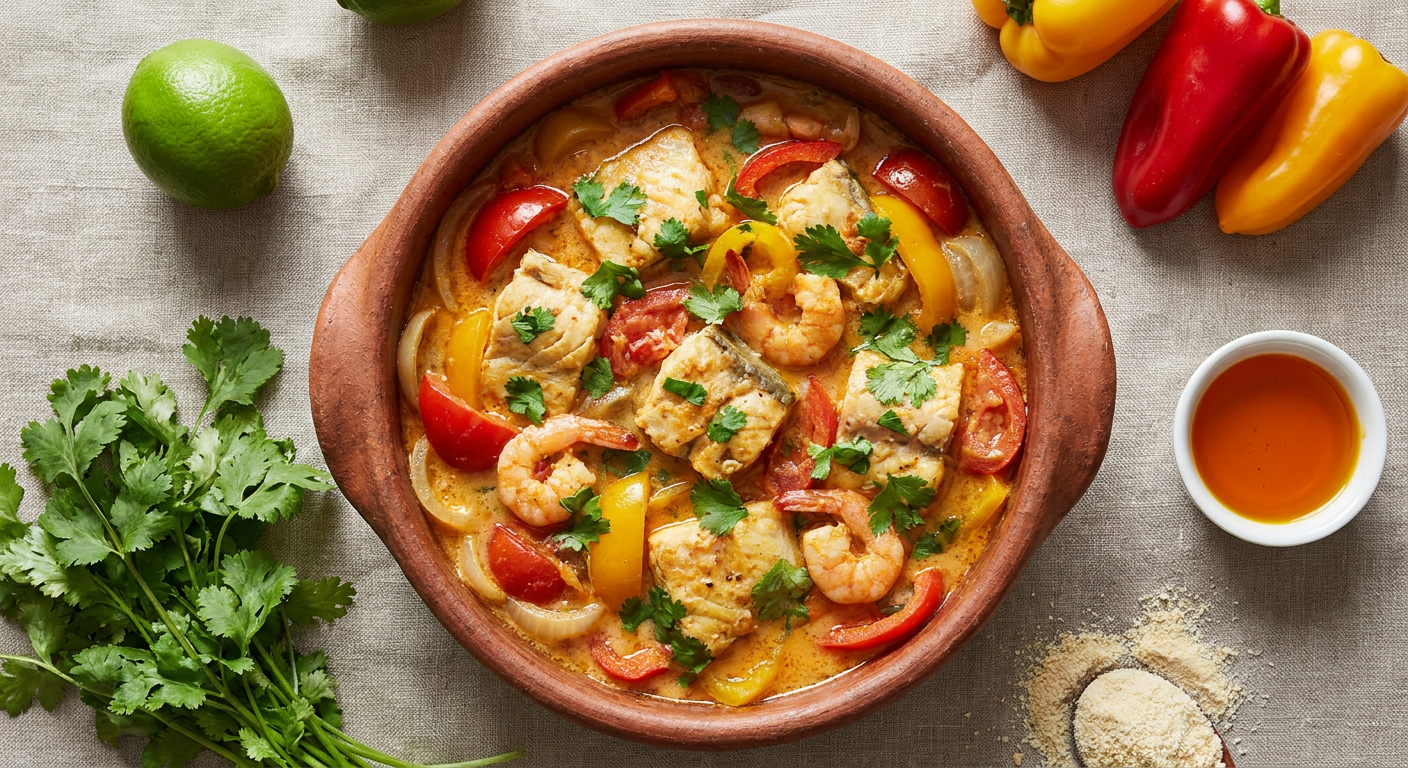
Authentic Moqueca Recipe: Traditional Brazilian Fish Stew
Master this authentic moqueca recipe. A fragrant Brazilian fish stew with coconut milk, bell peppers, and dendê oil, layered in a traditional clay pot for maximum flavor.
 Dinner
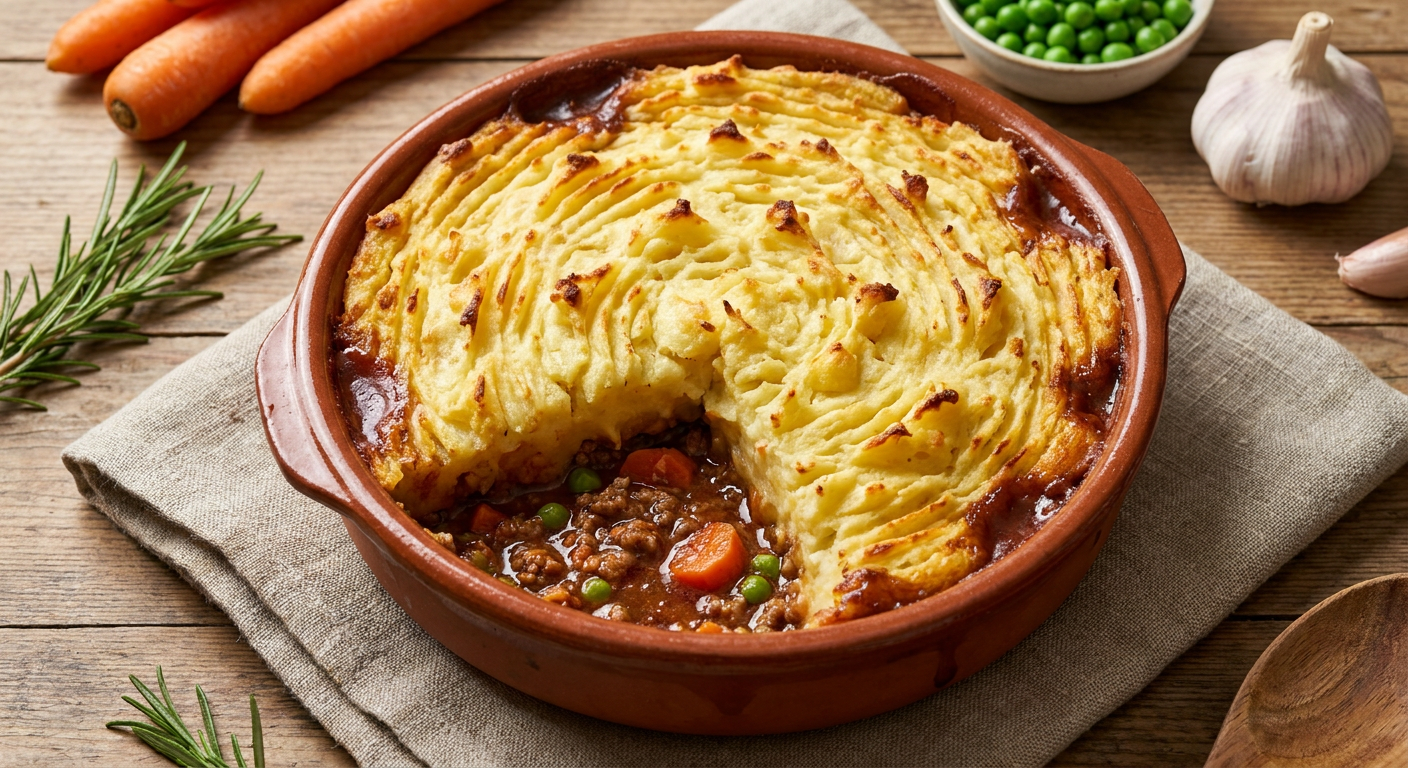
Proper Shepherd's Pie Recipe with Rich Lamb Gravy
This authentic shepherd's pie recipe features tender ground lamb in a rich red wine gravy, topped with buttery mashed potatoes forked into crispy golden ridges.
 Dinner
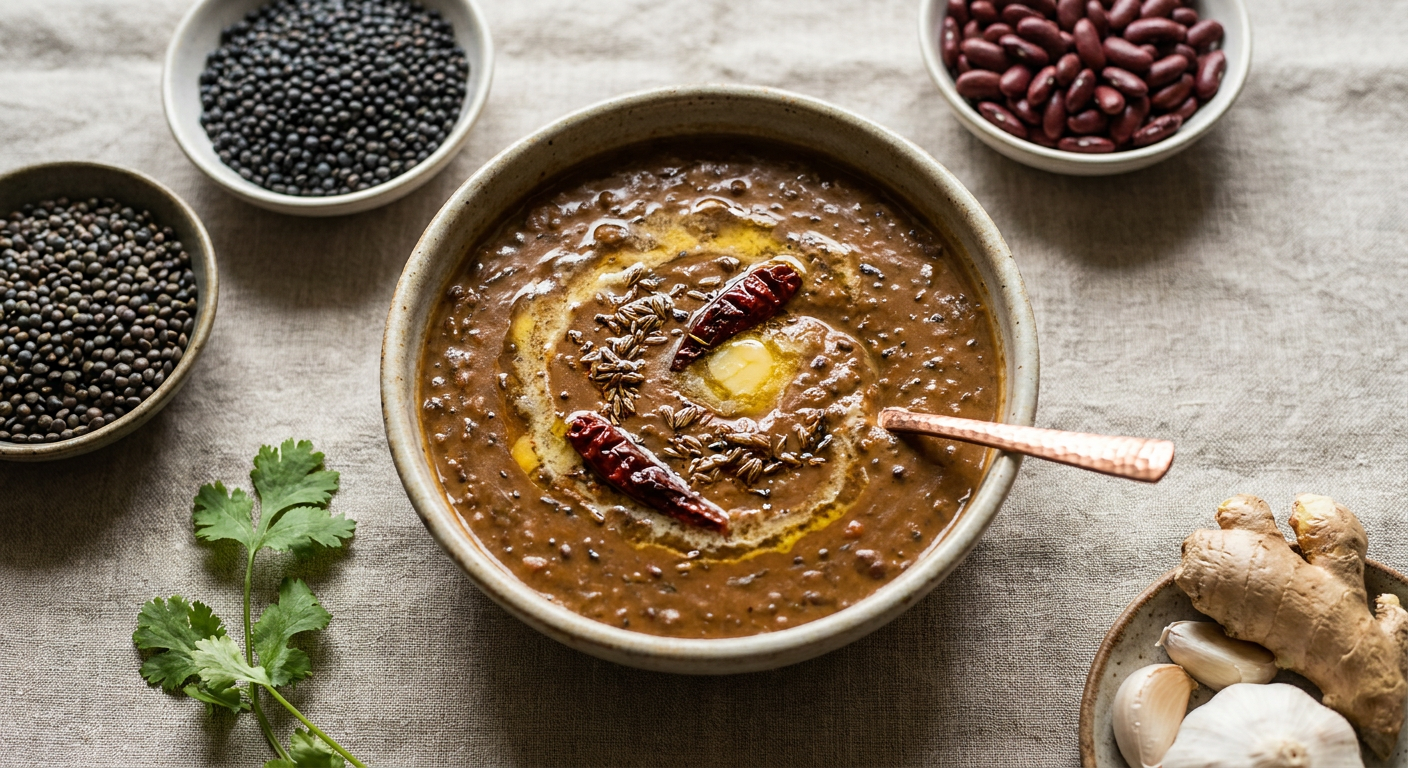
Creamy Dal Makhani Recipe with Smoky Ghee Tempering
This authentic dal makhani recipe yields restaurant-quality results at home. Simmer slow cooked urad dal and rajma into a rich, buttery, and smoky masterpiece.
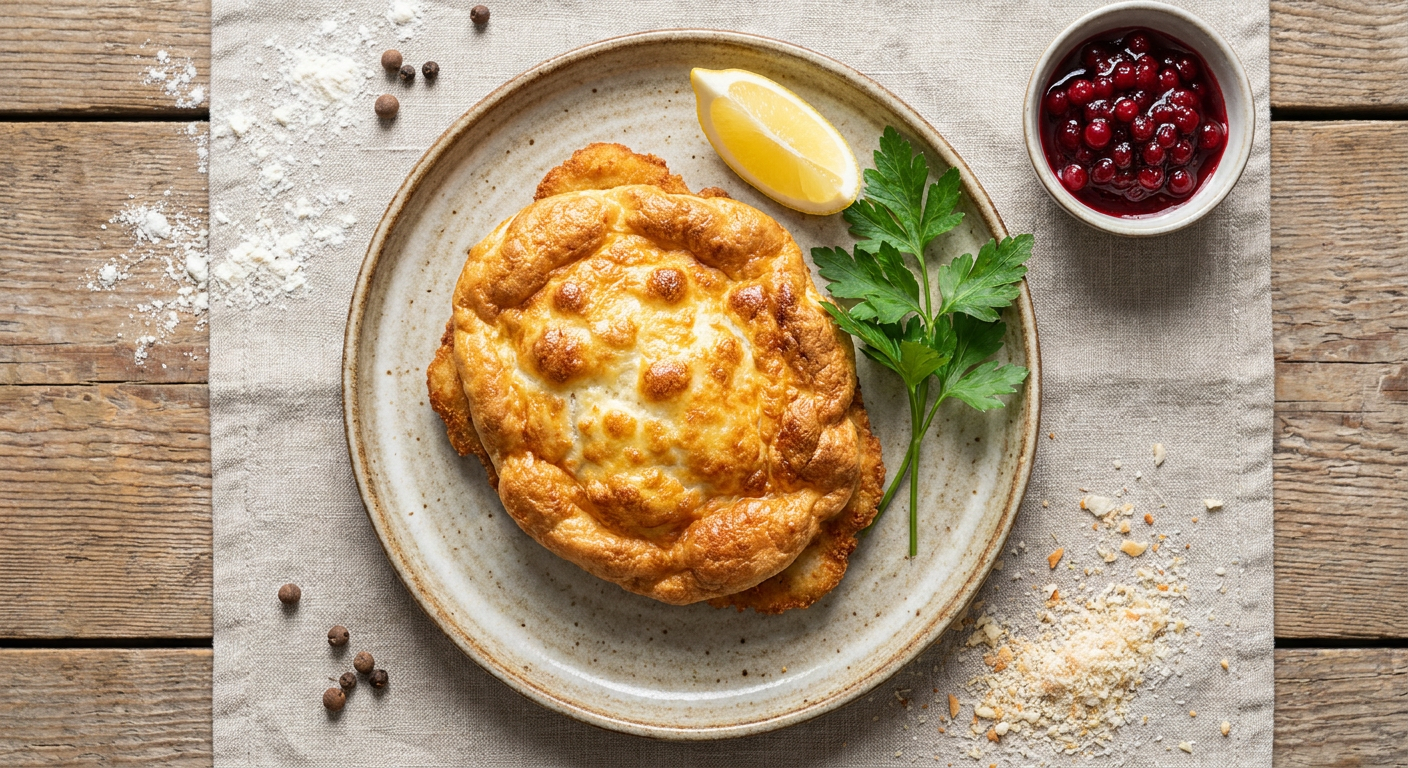 Dinner
Crispy Chicken Schnitzel Recipe with Souffléed Crust
Master this chicken schnitzel recipe for a crispy, golden crust that soufflés away from the meat. Pounded thin and fried in clarified butter for the ultimate crunch.