Authentic Beef Pho Recipe: Clear Broth and Rare Ribeye
Master this beef pho recipe for a crystal-clear pho bo broth. Learn to char ginger, toast spices, and serve rare beef for the ultimate Vietnamese noodle soup experience.
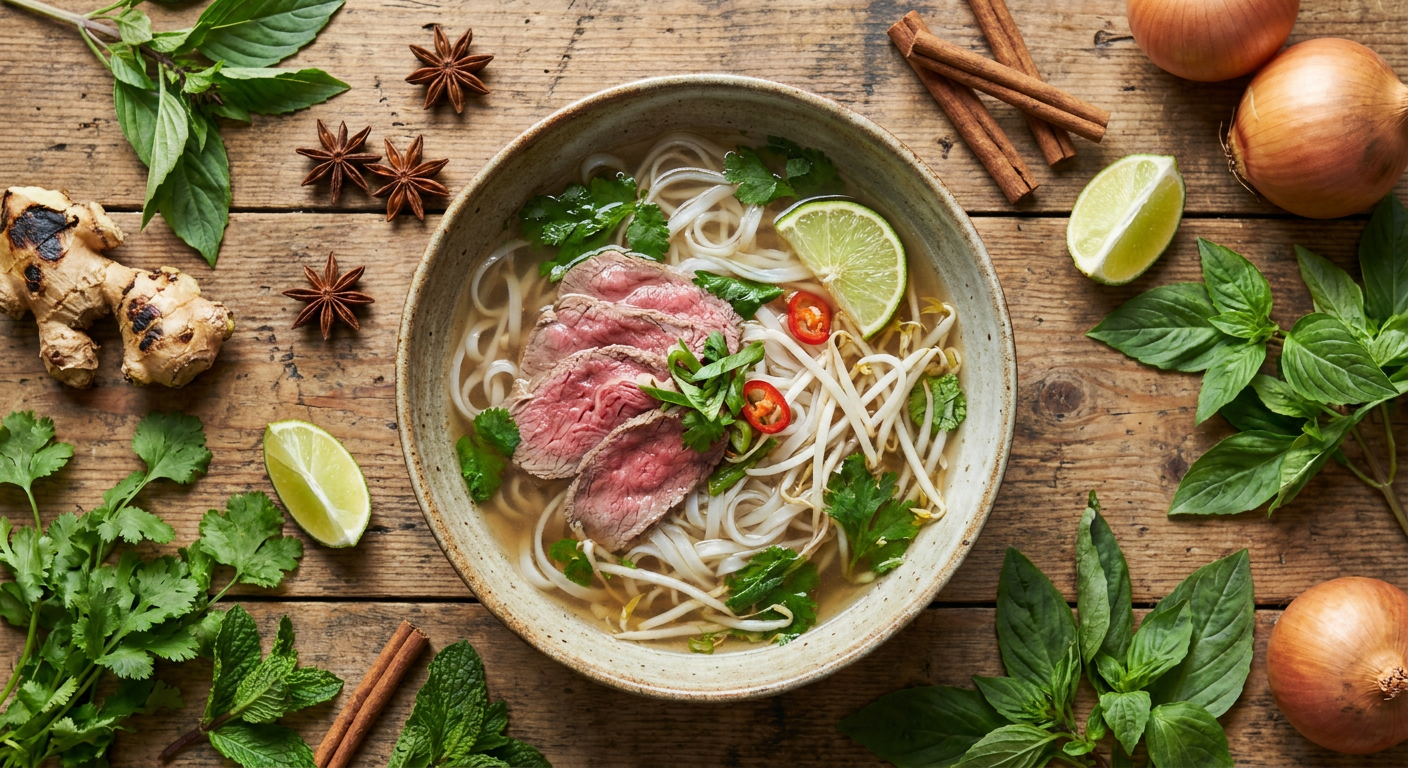

A truly authentic beef pho recipe is defined by the clarity and depth of its broth. While many shortcuts exist, the secret to that restaurant-quality shimmer lies in parboiling your beef bones to remove impurities before the long, slow simmer begins. This ensures your pho bo broth remains translucent and elegant, rather than cloudy and heavy.
Beyond the clarity, the soul of this Vietnamese beef pho comes from the char. By scorching the ginger and onions directly over a flame, you unlock a smoky sweetness that balances the aromatic punch of star anise and cinnamon. Serving the eye of round raw is not just for show; the boiling broth cooks the paper-thin slices to a perfect, tender medium-rare right in your bowl.
This is a weekend project that rewards patience. From the toasted spice sachet to the final squeeze of lime, every step is designed to build layers of complex, savory flavor that you simply cannot find in a carton.
Ingredients
The Broth Base
- 5 lbs (2.3 kg) beef marrow and knuckle bones
- 1 lb (450g) beef brisket
- 2 large yellow onions, peeled and halved
- 4 inches (10cm) fresh ginger, halved lengthwise
- 6 quarts (5.7L) water
- 1/4 cup (60ml) high-quality fish sauce
- 1 tablespoon rock sugar (or granulated sugar)
The Spice Sachet
- 5 star anise pods
- 6 whole cloves
- 2 cinnamon sticks
- 1 tablespoon coriander seeds
- 1 black cardamom pod, cracked
- 1 teaspoon fennel seeds
Assembly and Garnish
- 1 lb (450g) dried banh pho (flat rice noodles)
- 1/2 lb (225g) beef eye of round or sirloin, sliced paper-thin
- 2 cups fresh bean sprouts
- 1 bunch fresh Thai basil
- 2 limes, cut into wedges
- 3 scallions, thinly sliced
- 1-2 bird's eye chilies, sliced
- Hoisin sauce and Sriracha for serving
Instructions
- 1
Place beef bones and brisket in a large stockpot, cover with cold water, and bring to a rolling boil for 10 minutes to release gray foam and impurities.
- 2
Drain the bones into a colander, discard the water, and scrub each bone under cold running water to remove any remaining scum; clean the pot thoroughly.
- 3
Char the onions and ginger halves directly over a gas flame or under a high broiler until the edges are blackened and fragrant, about 5-8 minutes.
- 4
Return the cleaned bones and brisket to the pot with 6 quarts of fresh water, adding the charred onion, ginger, and rock sugar.
- 5
Bring to a gentle simmer—never a boil—and skim any fat or foam that rises to the surface during the first hour.
- 6
Toast the spices in a dry skillet over medium heat until fragrant, then place them in a muslin spice bag or large tea infuser.
- 7
Add the spice sachet to the broth after 3 hours of simmering; remove the brisket at this point, wrap it in plastic, and refrigerate for later slicing.
- 8
Continue simmering the broth for at least 3 more hours (6 hours total), then remove the bones and strain the liquid through a fine-mesh sieve lined with cheesecloth.
- 9
Season the strained broth with fish sauce and salt to taste; it should be slightly over-seasoned as the noodles will dilute the flavor.
- 10
Prepare the rice noodles according to package directions until al dente, then divide them into deep bowls.
- 11
Top the noodles with thin slices of the cooked brisket and the raw eye of round.
- 12
Ladle the boiling hot broth over the meat to cook it instantly, then serve immediately with the platter of fresh herbs, sprouts, and lime.
Nutrition (per serving)
Estimates only — not medical or dietary advice.
- Calories
- 685 kcal
- Protein
- 48 g
- Carbs
- 74 g
- Fat
- 22 g
- Fiber
- 4 g
- Sugar
- 6 g
- Sodium
- 1840 mg
Tips
- → Freeze the raw eye of round for 30-45 minutes before slicing to achieve paper-thin, translucent pieces.
- → Never let the broth reach a hard boil after the initial parboil; a gentle 'smile' of bubbles is all you need to keep the broth clear.
- → If you can't find rock sugar, use yellow rock sugar or a bit of maple syrup for a more complex sweetness than white sugar provides.
FAQ
Why is my beef pho broth cloudy?
Cloudiness usually happens if the bones weren't parboiled and scrubbed, or if the broth was allowed to boil vigorously. Boiling emulsifies the fat and impurities into the liquid.
Can I make this beef pho recipe in a pressure cooker?
Yes, you can use an Instant Pot for a faster version, but you lose the clarity and depth that a 6-hour slow simmer provides. If using a pressure cooker, natural release is mandatory to keep the broth clear.
How do I store the leftovers?
Store the broth, noodles, and meat in separate containers. If you store the noodles in the broth, they will absorb all the liquid and turn to mush.
You might also like
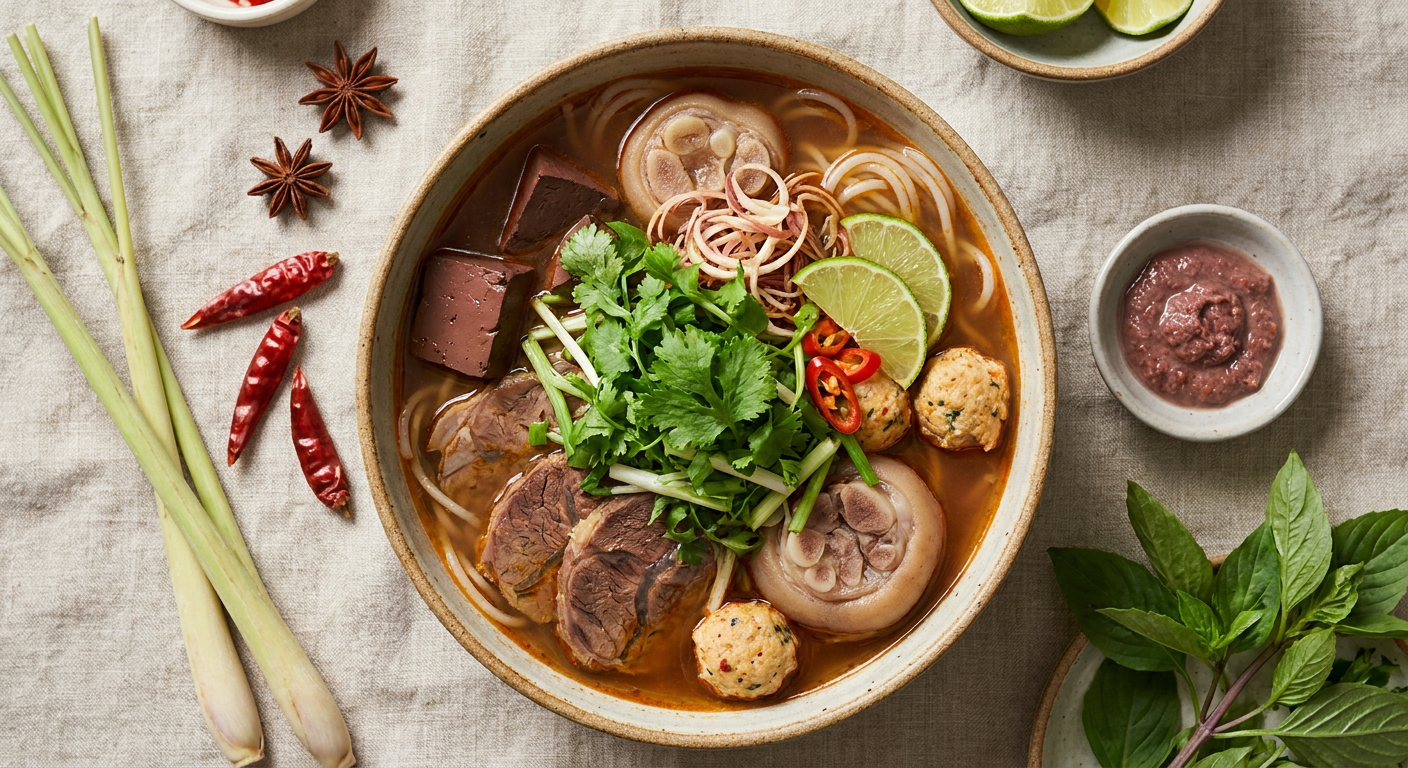 SoupsChef-level
Authentic Bun Bo Hue Recipe: Spicy Vietnamese Beef Noodle Soup
Master this authentic bun bo hue recipe at home. A complex, spicy beef noodle soup from Hue featuring lemongrass, pork hocks, and a vibrant annatto-chili sate oil.
 Soups
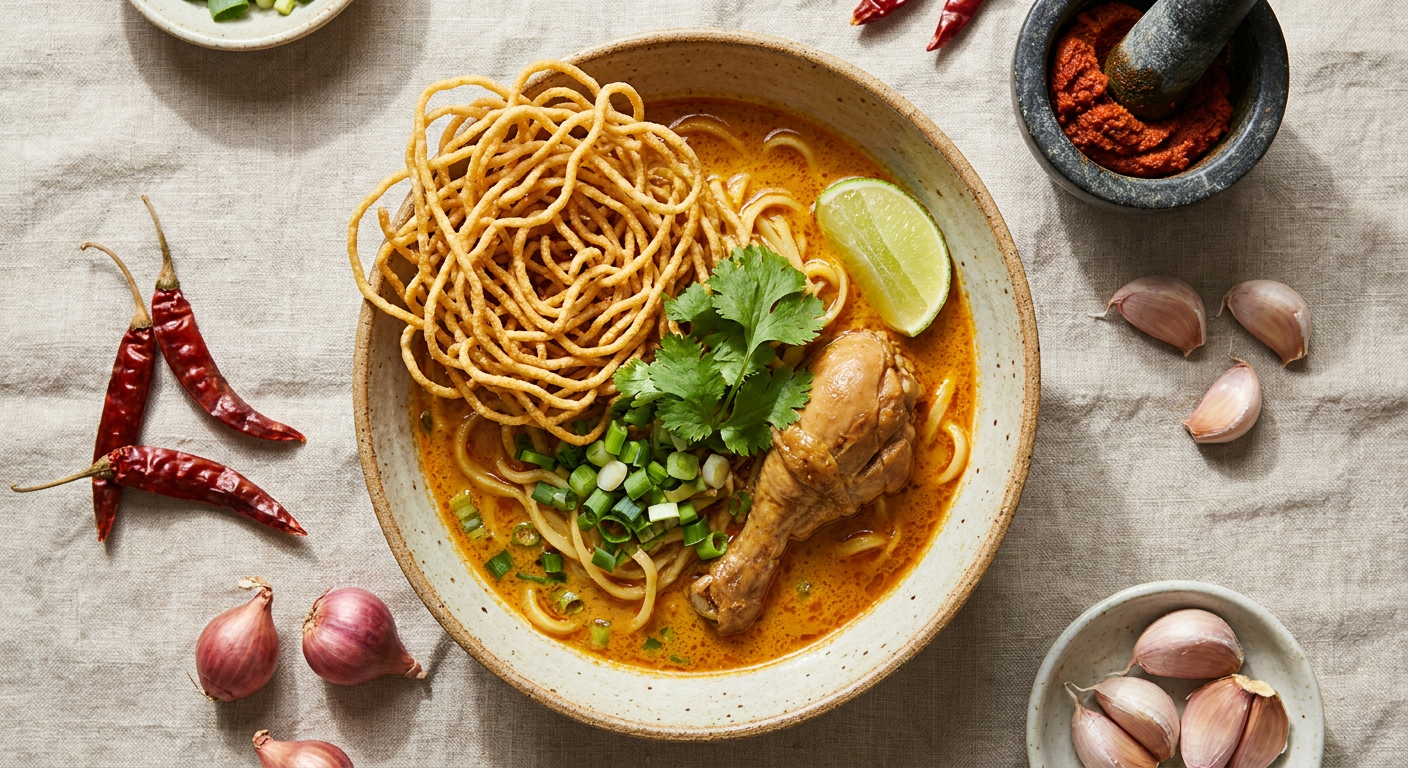
SoupsAuthentic Khao Soi Recipe: Northern Thai Coconut Curry Noodles
Master this authentic khao soi recipe featuring a hand-pounded curry paste, braised chicken, and a signature nest of crispy noodles in a rich coconut broth.
 SoupsAdvanced
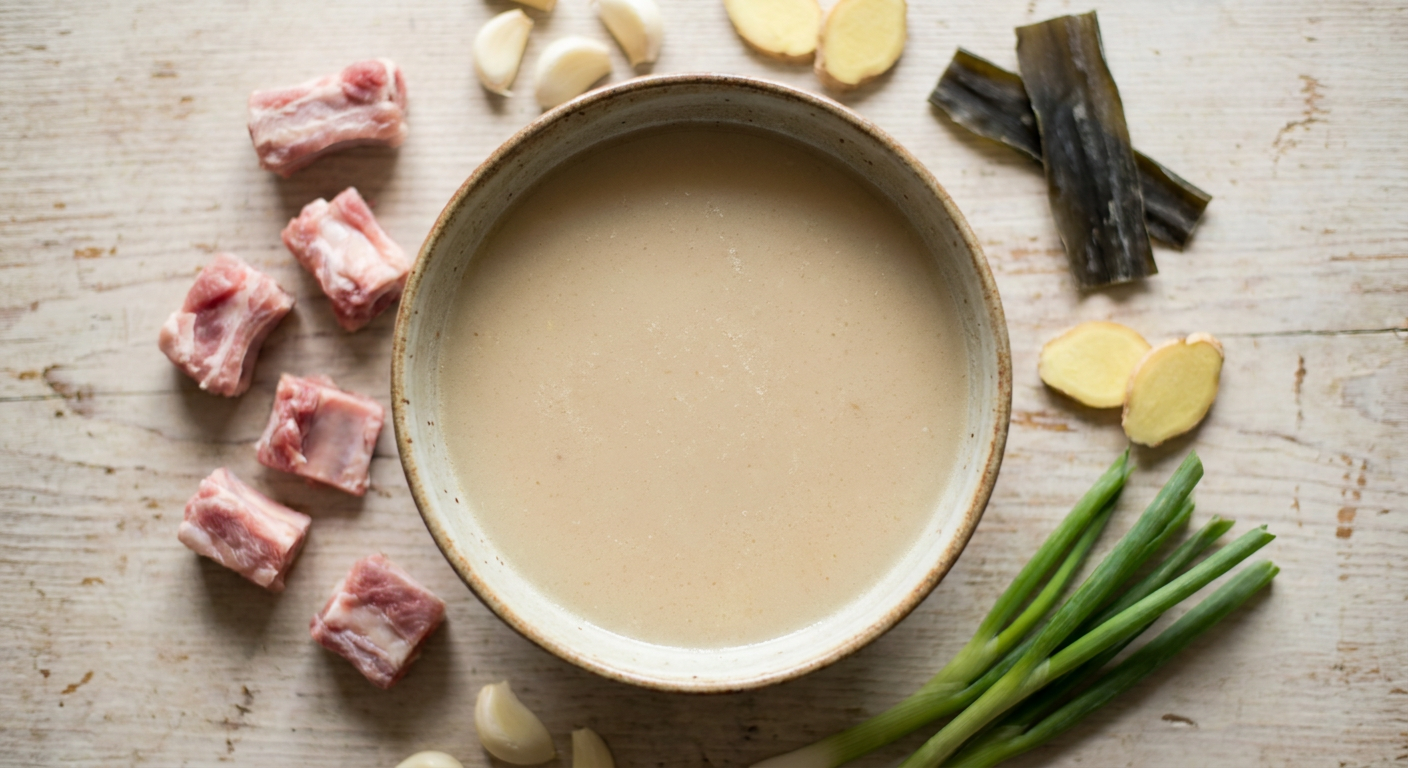
Creamy Tonkotsu Homemade Ramen Broth From Scratch
Master the art of homemade ramen broth with this deep, emulsified tonkotsu. A rich 18 hour ramen broth featuring pork femurs, trotters, and aromatic mayu.
 Soups
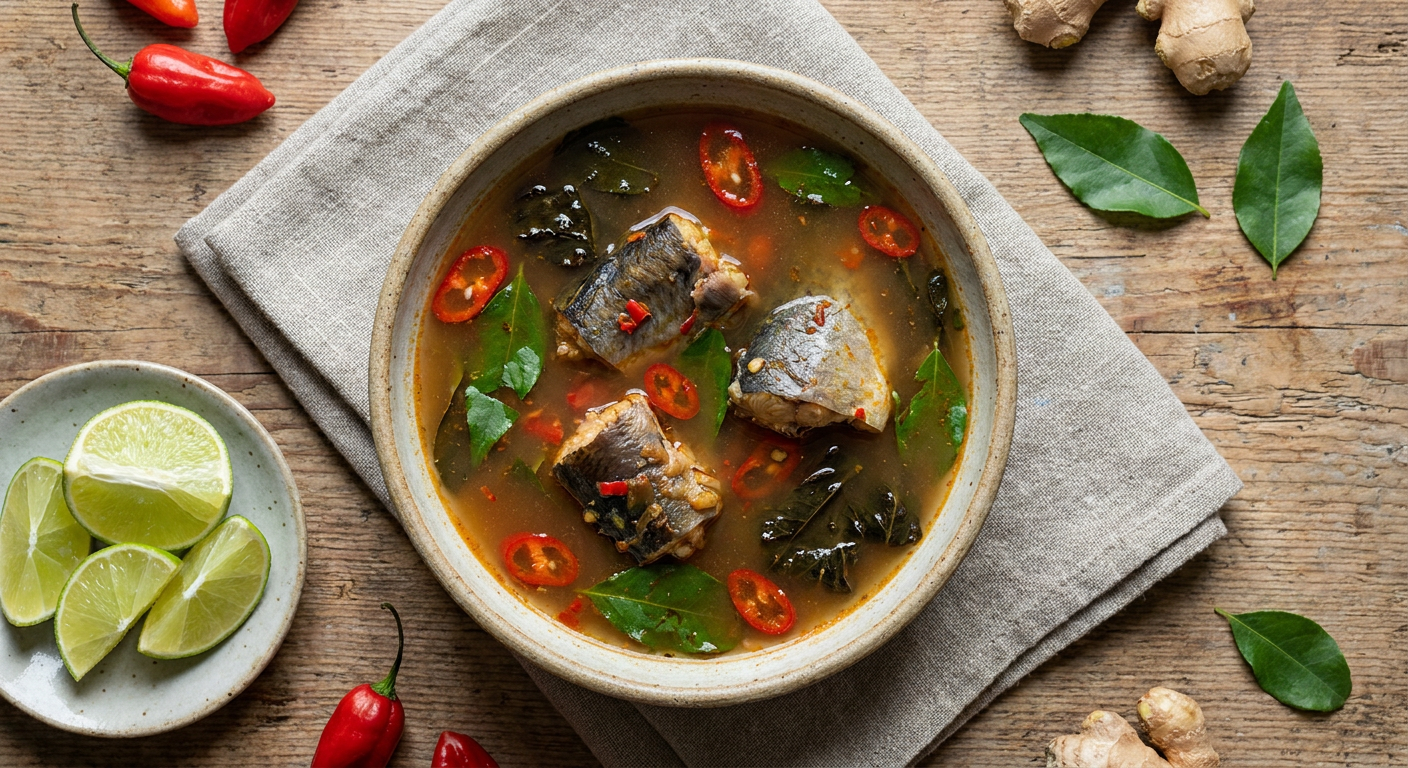
SoupsAuthentic Catfish Pepper Soup Recipe: Fiery and Fragrant
This authentic catfish pepper soup recipe delivers a clear, fiery broth infused with scent leaf and uziza. Learn the secret to cleaning fresh catfish for a perfect result.