Creamy Tonkotsu Homemade Ramen Broth From Scratch
Master the art of homemade ramen broth with this deep, emulsified tonkotsu. A rich 18 hour ramen broth featuring pork femurs, trotters, and aromatic mayu.
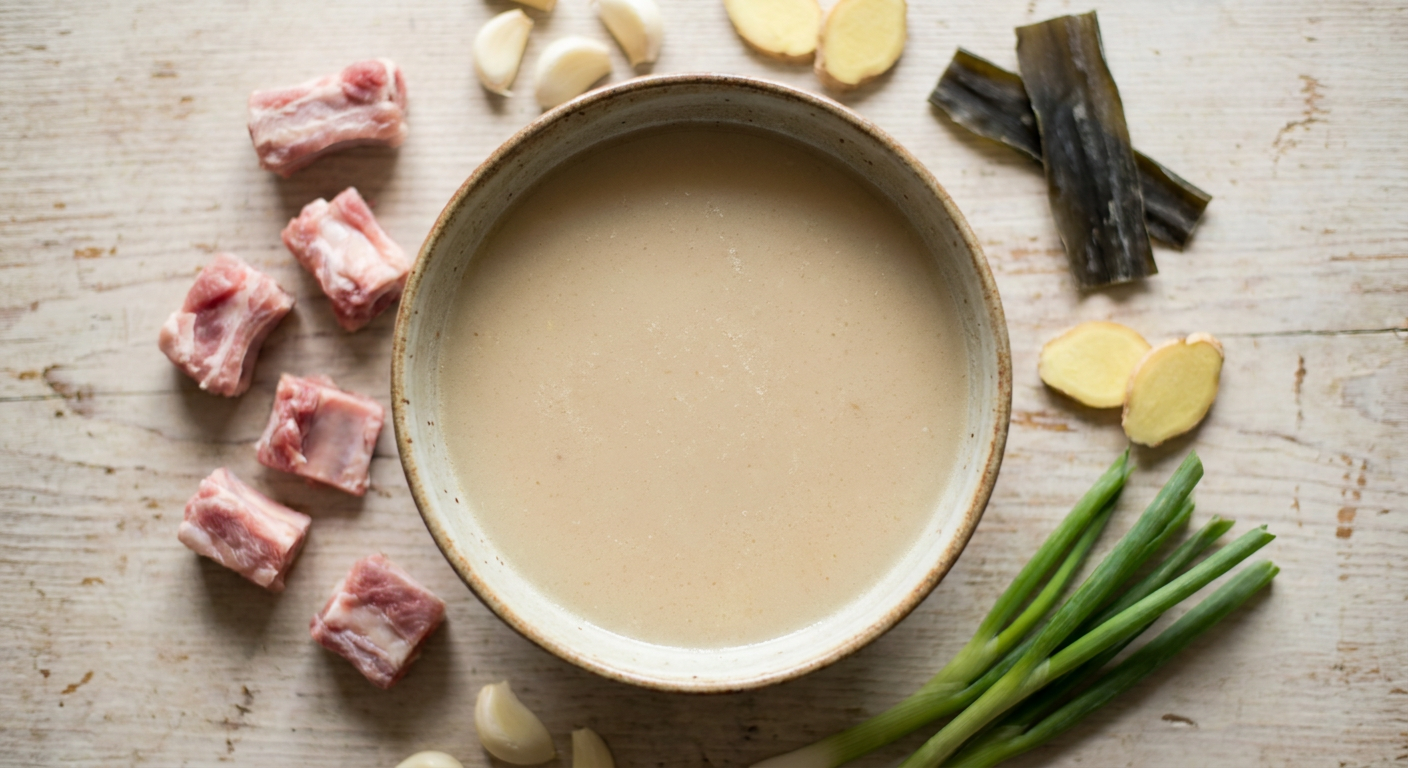

Cracking the code for a restaurant-quality homemade ramen broth requires patience, high heat, and the right bones. While many shortcuts exist, nothing compares to the silky, lip-sticking texture of a tonkotsu ramen recipe from scratch.
This process transforms humble pork femurs and trotters into a milky, ivory elixir through a violent, rolling boil that emulsifies marrow and fat. It is a labor of love that results in a true 18 hour ramen broth, providing a depth of flavor that instant packets can't even dream of mimicking.
Beyond the soup, we’re building a complete bowl with a concentrated shoyu tare, tender rolled chashu, and bitter-sweet black garlic oil. Prepare your kitchen for a long simmer; the reward is the best bowl of noodles you've ever eaten at home.
Ingredients
The Tonkotsu Broth
- 5 lbs (2.25kg) pork femur bones, cut to expose marrow
- 2 lbs (900g) pork trotters, split lengthwise
- 1 large white onion, halved and charred
- 1 head of garlic, sliced crosswise
- 2 inches fresh ginger, smashed
- 1 bunch scallions
Shoyu Tare (Seasoning Base)
- 1 cup (240ml) high-quality soy sauce
- 1/4 cup (60ml) mirin
- 2 tablespoons sake
- 1 piece kombu (approx 2x2 inches)
- 1 tablespoon brown sugar
Aromatics & Toppings
- Mayu (Black Garlic Oil): 10 cloves garlic + 1/2 cup neutral oil
- Rolled Pork Belly Chashu (braised)
- Ajitama (soft-boiled marinated eggs)
- Fresh alkaline ramen noodles
- Wood ear mushrooms and menma (bamboo shoots)
Instructions
- 1
Blanch the bones by placing pork femurs and trotters in a large stockpot, covering with cold water, and bringing to a boil for 15 minutes to release impurities.
- 2
Drain the pot and scrub every bone under cold running water, removing all gray scum, blood clots, and dark marrow bits until the bones are white and clean.
- 3
Return the cleaned bones to the pot and cover with fresh water by at least 3 inches; bring to a violent, rolling boil.
- 4
Maintain a hard boil for the first 12 hours, replenishing water as needed to keep bones submerged; this agitation is what creates the milky emulsion.
- 5
Add the charred onion, garlic, ginger, and scallions during the final 4 hours of the 18-hour simmer to layer in aromatic sweetness.
- 6
Prepare the tare by simmering soy sauce, mirin, sake, kombu, and sugar in a small saucepan for 10 minutes; discard kombu and set aside.
- 7
Make the mayu by frying minced garlic in oil over low heat until it turns completely black and smells nutty, then blend until smooth.
- 8
Strain the finished broth through a fine-mesh sieve or nut milk bag, pressing on the solids to extract every drop of collagen-rich liquid.
- 9
Assemble by adding 2-3 tablespoons of tare to a warm bowl, whisking in 12 ounces of boiling broth until frothy, and adding cooked noodles.
- 10
Top with sliced chashu, a halved ajitama egg, a drizzle of mayu, and garnishes before serving immediately.
Nutrition (per serving)
Estimates only — not medical or dietary advice.
- Calories
- 845 kcal
- Protein
- 42 g
- Carbs
- 68 g
- Fat
- 48 g
- Fiber
- 4 g
- Sugar
- 9 g
- Sodium
- 2850 mg
Tips
- → Do not let the broth drop to a simmer. A tonkotsu requires a heavy rolling boil to force the fat and water to emulsify into that signature white color.
- → If your broth isn't white enough, use an immersion blender for 60 seconds after straining to further stabilize the fat particles.
- → Always warm your serving bowls with hot water before assembly to ensure the high-fat broth doesn't seize or cool down too quickly.
FAQ
Why does my homemade ramen broth look brown instead of white?
Brown broth usually results from not cleaning the bones thoroughly after the initial blanching or not boiling the water hard enough to emulsify the fats.
Can I make this in a shorter amount of time?
While you can get a decent broth in 6-8 hours, an 18 hour ramen broth is necessary to fully break down the collagen in the femurs for that specific creamy mouthfeel.
How do I store the leftovers?
The broth will turn into a solid jelly when cold. It can be refrigerated for up to 4 days or frozen for up to 3 months. Reheat until boiling before serving.
You might also like
 SoupsAdvanced
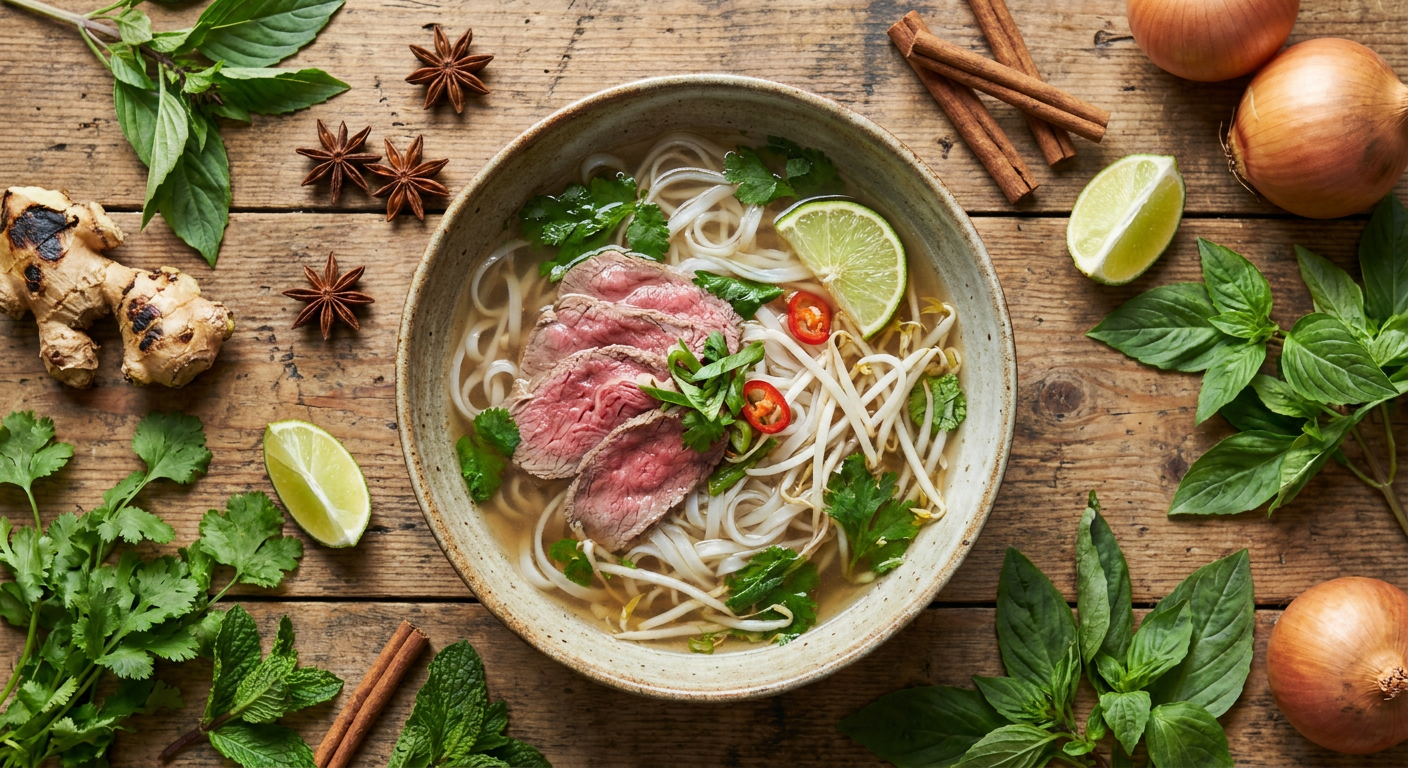
Authentic Beef Pho Recipe: Clear Broth and Rare Ribeye
Master this beef pho recipe for a crystal-clear pho bo broth. Learn to char ginger, toast spices, and serve rare beef for the ultimate Vietnamese noodle soup experience.
 Soups
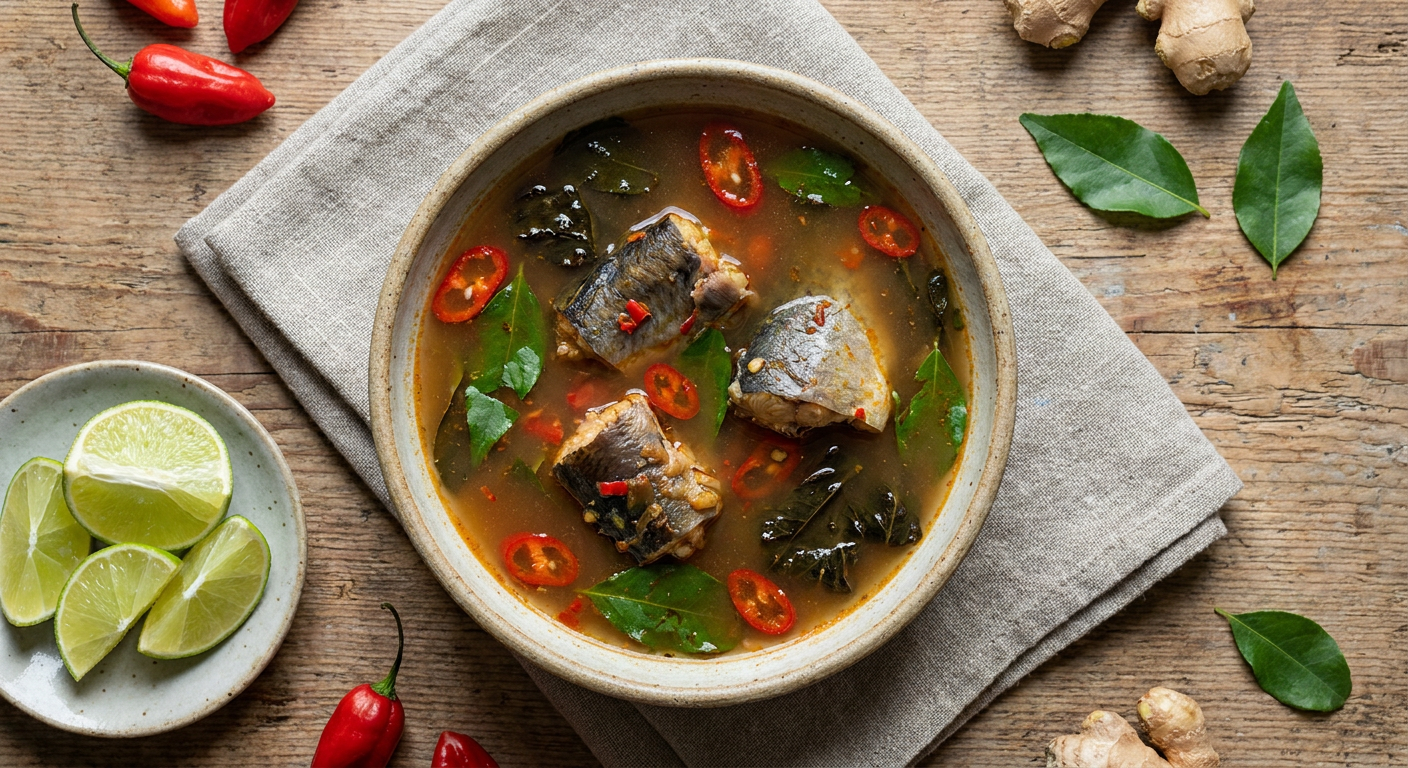
SoupsAuthentic Catfish Pepper Soup Recipe: Fiery and Fragrant
This authentic catfish pepper soup recipe delivers a clear, fiery broth infused with scent leaf and uziza. Learn the secret to cleaning fresh catfish for a perfect result.
 Soups
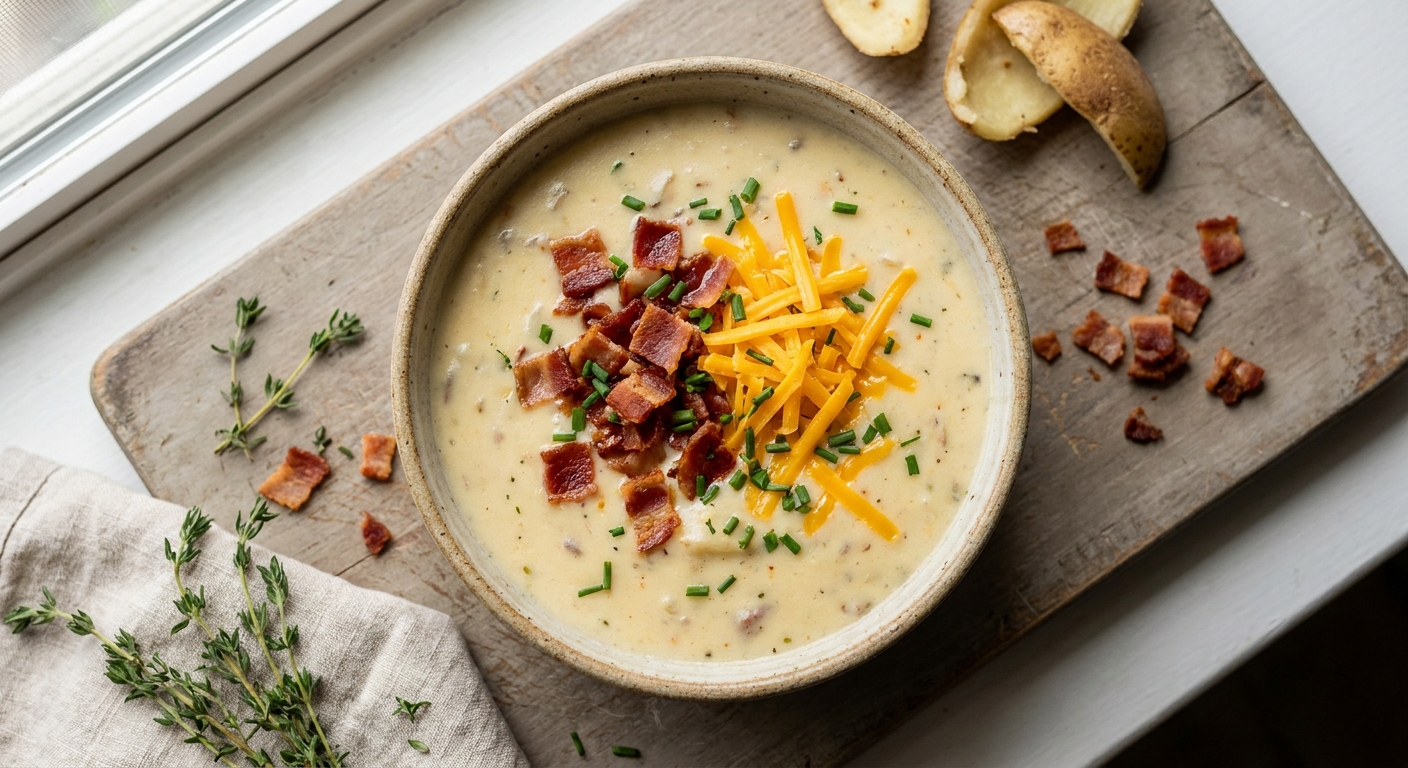
SoupsLoaded Baked Potato Soup with Bacon and Cheddar
This loaded baked potato soup is thick, creamy, and packed with russet potatoes, sharp cheddar, and crispy bacon. The ultimate comfort food in a single bowl.
 Soups
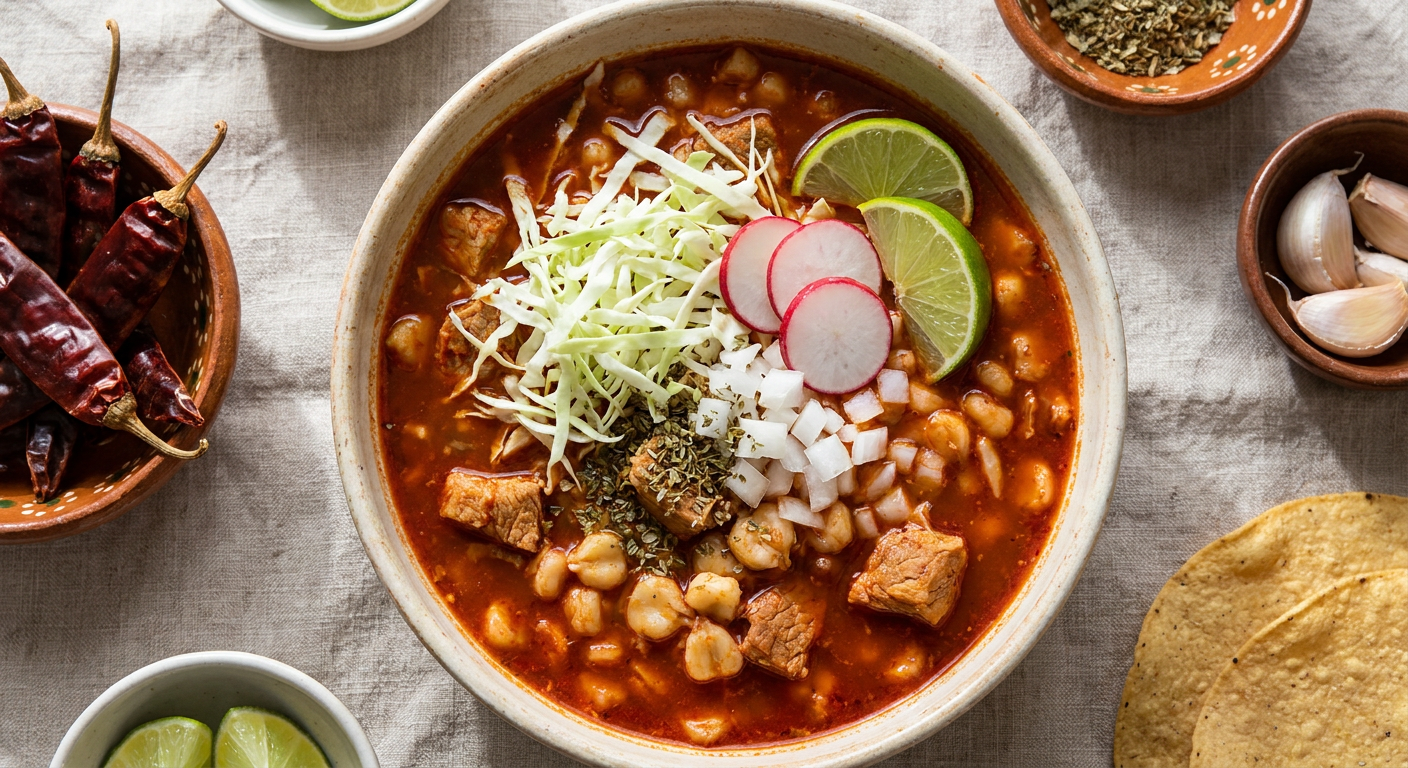
SoupsAuthentic Pozole Rojo Recipe: Pork and Hominy Stew
Warm up with this authentic pozole rojo recipe featuring tender pork shoulder, hominy, and a rich, toasted guajillo chile broth. A classic Mexican pork hominy stew with chile.