Authentic Bun Bo Hue Recipe: Spicy Vietnamese Beef Noodle Soup
Master this authentic bun bo hue recipe at home. A complex, spicy beef noodle soup from Hue featuring lemongrass, pork hocks, and a vibrant annatto-chili sate oil.
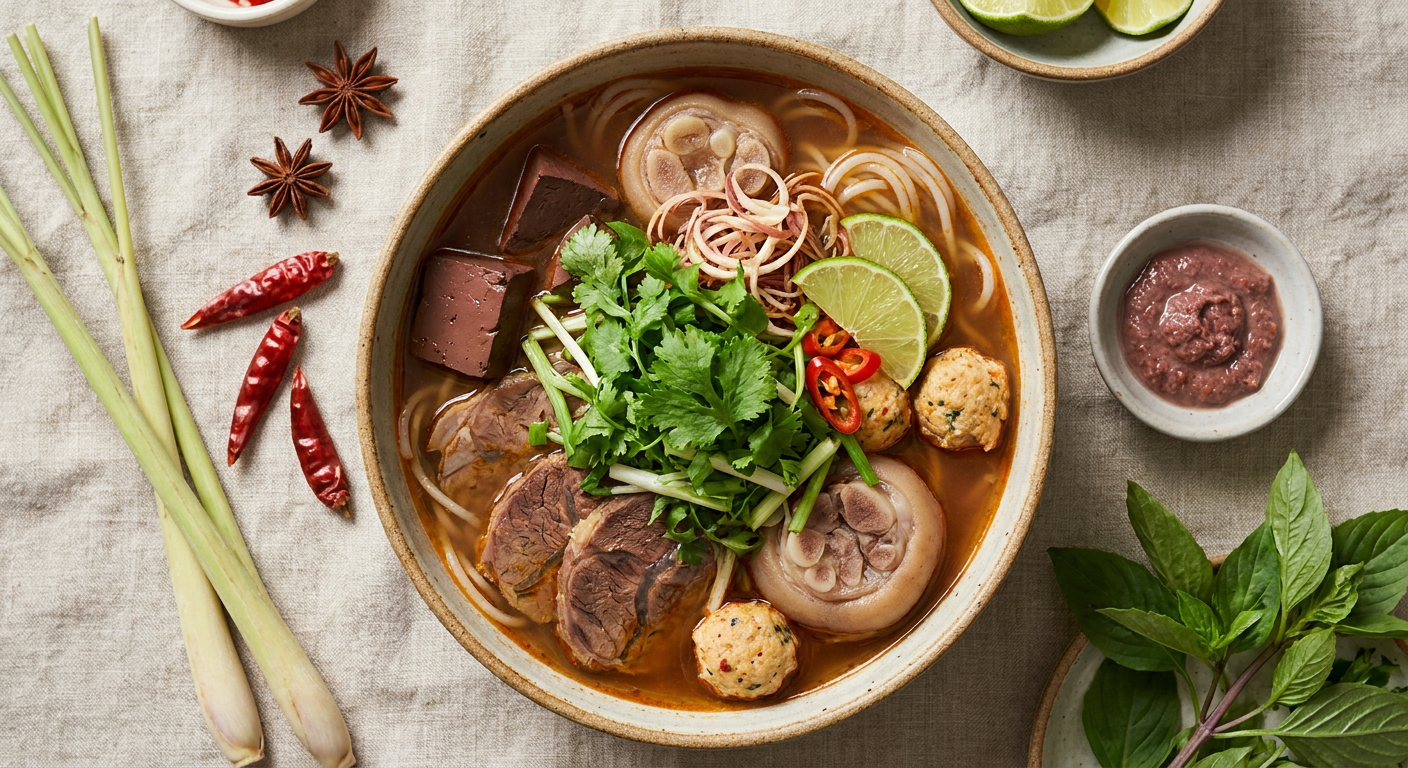

If you have mastered pho and are looking for something with more attitude, this authentic bun bo hue recipe is your next project. Hailing from the former royal capital of Hue, this Vietnamese bun bo hue is a masterclass in balance, delivering a punchy broth that is simultaneously spicy, sour, salty, and sweet.
Unlike the delicate clarity of other noodle soups, a proper spicy beef noodle soup hue style relies on a robust lemongrass-infused broth fortified by fermented shrimp paste. We achieve that signature fiery glow using a homemade sate oil infused with annatto seeds and garlic, which floats beautifully atop thick, slippery rice noodles.
Ingredients
Broth Base
- 2 lbs (900g) beef shank
- 1.5 lbs (680g) pork hocks, sliced into rounds
- 1 lb (450g) pork neck bones or marrow bones
- 6 stalks lemongrass, bruised and tied in bundles
- 1 large white onion, charred
- 3-inch piece ginger, charred and smashed
- 1 tbsp salt
- 1.5 oz (40g) rock sugar
The Seasoning & Sate
- 3 tbsp fermented shrimp paste (mam tom or mam ruoc)
- 4 tbsp neutral oil
- 2 tbsp annatto seeds
- 3 tbsp minced lemongrass (white parts only)
- 2 tbsp minced garlic
- 2 tbsp Thai chili flakes (adjust for heat)
- 3 tbsp fish sauce (plus more to taste)
Serving & Garnish
- 1 lb (450g) thick round rice noodles (bun bo size), cooked
- Vietnamese ham (cha lua), sliced
- 1 cup banana blossom, shredded
- 1 cup bean sprouts
- Fresh mint, Thai basil, and cilantro
- Lime wedges and thinly sliced bird's eye chilies
Instructions
- 1
Parboil the beef shank, pork hocks, and bones in a large pot of boiling water for 10 minutes to remove impurities; drain and rinse thoroughly under cold water.
- 2
Clean the pot and return the meats; add 6 quarts of filtered water, the bundled lemongrass, charred onion, ginger, salt, and rock sugar.
- 3
Simmer the broth gently for 90 to 120 minutes, skimming any foam, until the beef shank is tender but not falling apart.
- 4
Remove the beef shank and pork hocks; submerge the beef in cold water for 5 minutes to prevent darkening, then thinly slice and set aside.
- 5
Prepare the shrimp paste by mixing it with 1 cup of cold water in a small bowl; let it settle for 10 minutes, then pour only the clear-ish liquid into the simmering broth, discarding the gritty solids at the bottom.
- 6
Make the sate oil by heating neutral oil in a small skillet over medium heat; add annatto seeds and cook for 2 minutes until the oil is vibrant red, then strain out and discard the seeds.
- 7
Sauté the minced lemongrass, garlic, and chili flakes in the red annatto oil until fragrant (about 2 minutes), then stir this mixture directly into the main broth pot.
- 8
Season the broth with fish sauce and additional salt or rock sugar as needed; the flavor should be bold and highly seasoned to compensate for the unseasoned noodles.
- 9
Assemble bowls by placing a handful of thick rice noodles in the center, topping with slices of beef shank, pork hock, and cha lua.
- 10
Ladle the boiling, vibrant red broth over the noodles, ensuring each bowl gets a good amount of the spicy oil from the surface.
- 11
Serve immediately with a side platter of banana blossoms, bean sprouts, fresh herbs, and lime wedges for customization.
Nutrition (per serving)
Estimates only — not medical or dietary advice.
- Calories
- 685 kcal
- Protein
- 48 g
- Carbs
- 54 g
- Fat
- 31 g
- Fiber
- 3 g
- Sugar
- 8 g
- Sodium
- 2150 mg
Tips
- → Do not skip the parboiling step; it is the only way to achieve a clean, professional-tasting broth without a 'muddy' funk.
- → Straining the shrimp paste is crucial. If you add the paste directly, the broth becomes cloudy and overly pungent rather than deeply savory.
- → If you cannot find banana blossoms, finely shredded red cabbage tossed with a little lime juice is a respectable texture substitute.
FAQ
What makes Bun Bo Hue different from Pho?
While Pho is known for a clear, cinnamon and star-anise scented broth with flat noodles, Bun Bo Hue uses thick cylindrical noodles and a spicy, lemongrass-heavy broth seasoned with fermented shrimp paste.
Why does my Bun Bo Hue broth taste flat?
It usually needs more salt or fish sauce. Because the noodles and raw vegetables are unseasoned, the broth itself must be slightly 'over-salted' to taste balanced once assembled.
Can I make this in a pressure cooker?
Yes, you can pressure cook the bones and meat for 45 minutes, but you must still sauté the sate oil separately and add it at the end to maintain the vibrant color and aroma.
Where do I find thick rice noodles?
Look for vacuum-sealed or dried packs labeled 'Bun Bo' or 'Extra Thick' in Asian grocery stores; they are significantly wider than the noodles used for Bun Thit Nuong.
You might also like
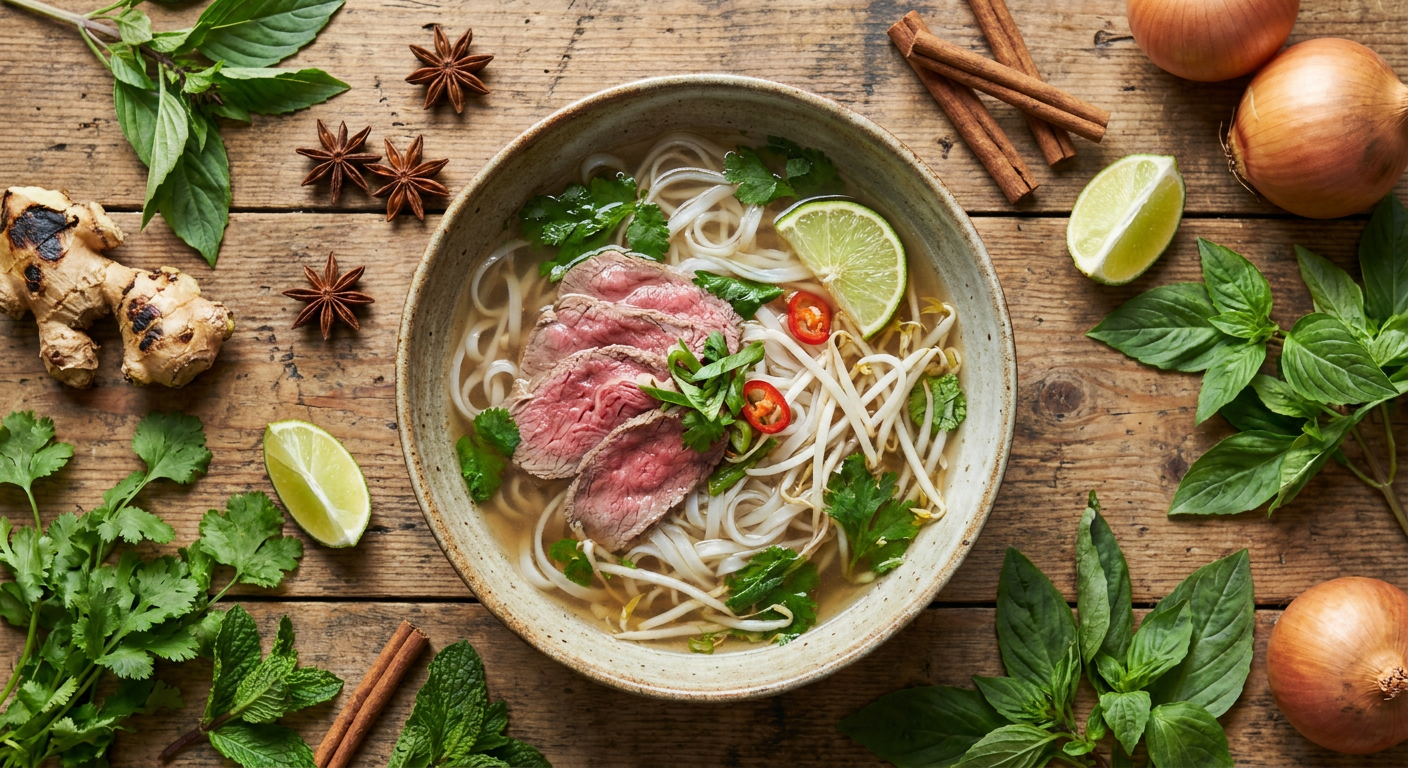 SoupsAdvanced
Authentic Beef Pho Recipe: Clear Broth and Rare Ribeye
Master this beef pho recipe for a crystal-clear pho bo broth. Learn to char ginger, toast spices, and serve rare beef for the ultimate Vietnamese noodle soup experience.
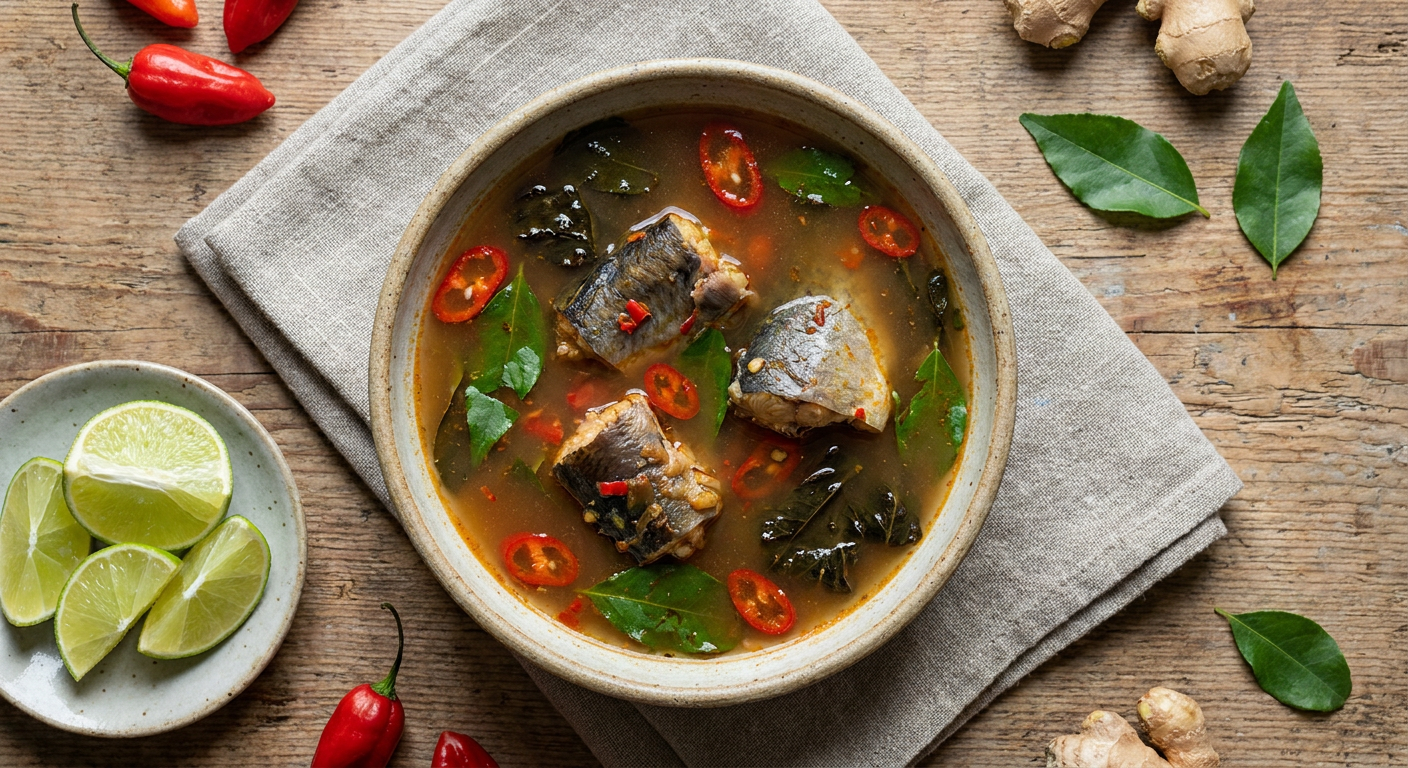 Soups
SoupsAuthentic Catfish Pepper Soup Recipe: Fiery and Fragrant
This authentic catfish pepper soup recipe delivers a clear, fiery broth infused with scent leaf and uziza. Learn the secret to cleaning fresh catfish for a perfect result.
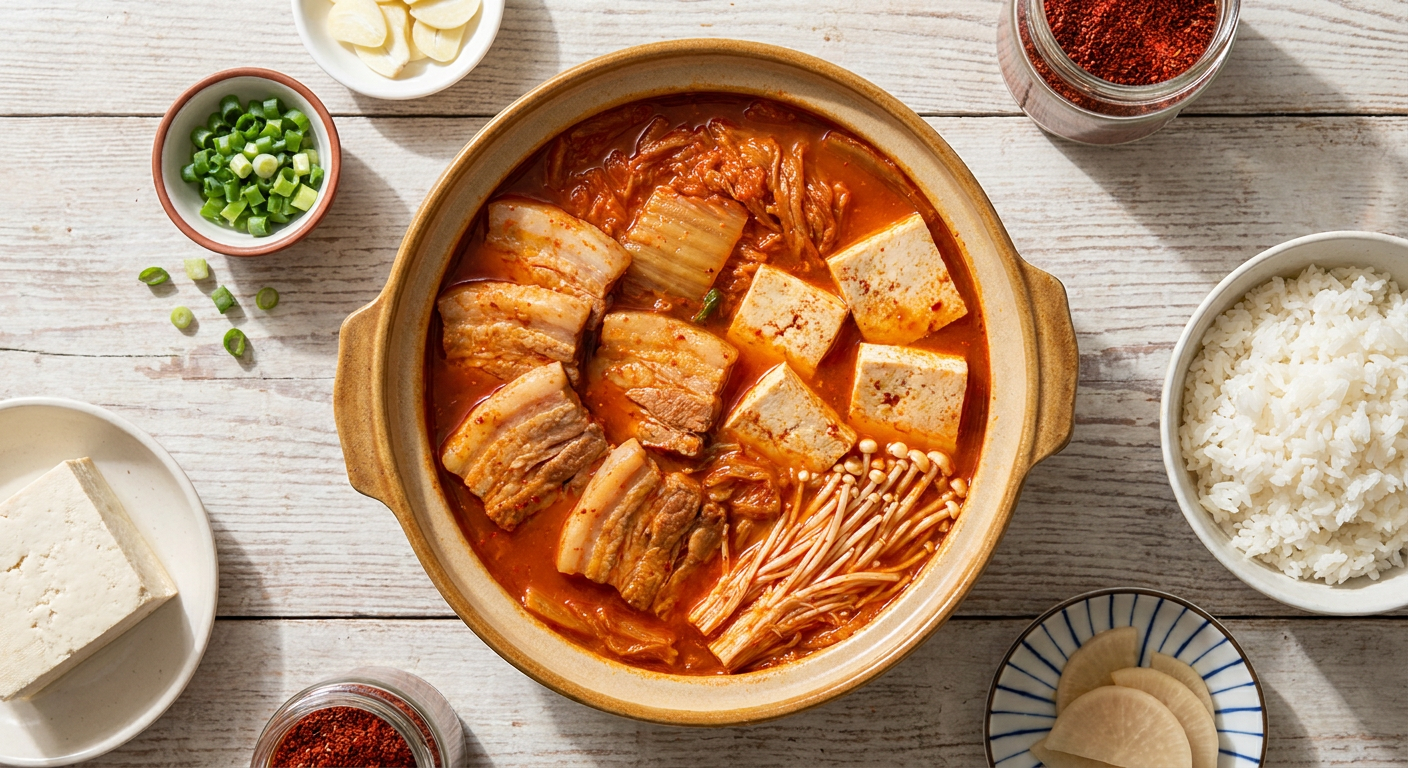 Soups
SoupsAuthentic Kimchi Jjigae Recipe with Pork Belly and Tofu
Learn the best kimchi jjigae recipe for a rich, smoky Korean kimchi stew. We fry aged kimchi with pork belly and doenjang for a deeply savory, jammy finish.
 Soups
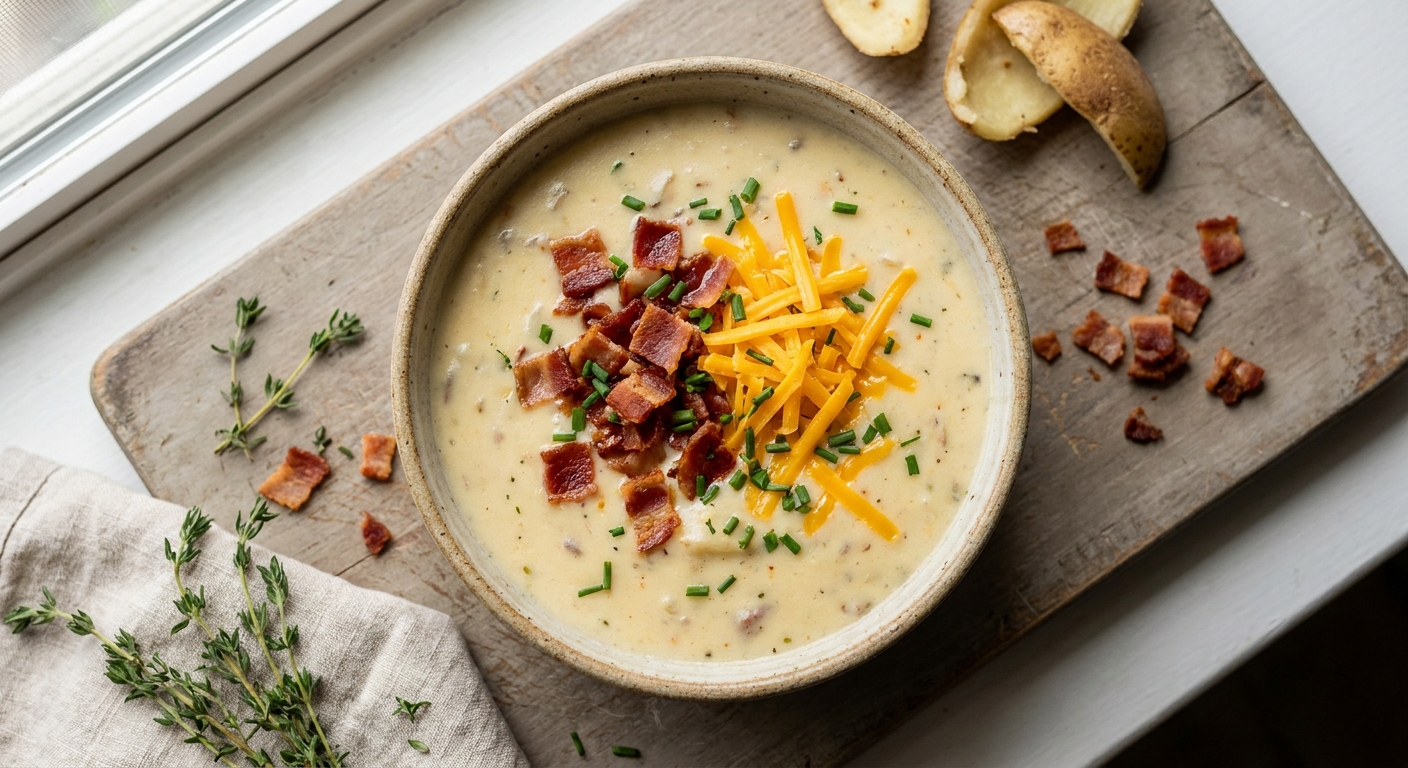
SoupsLoaded Baked Potato Soup with Bacon and Cheddar
This loaded baked potato soup is thick, creamy, and packed with russet potatoes, sharp cheddar, and crispy bacon. The ultimate comfort food in a single bowl.