Authentic Banga Soup Recipe: Delta-Style Palm Fruit Stew
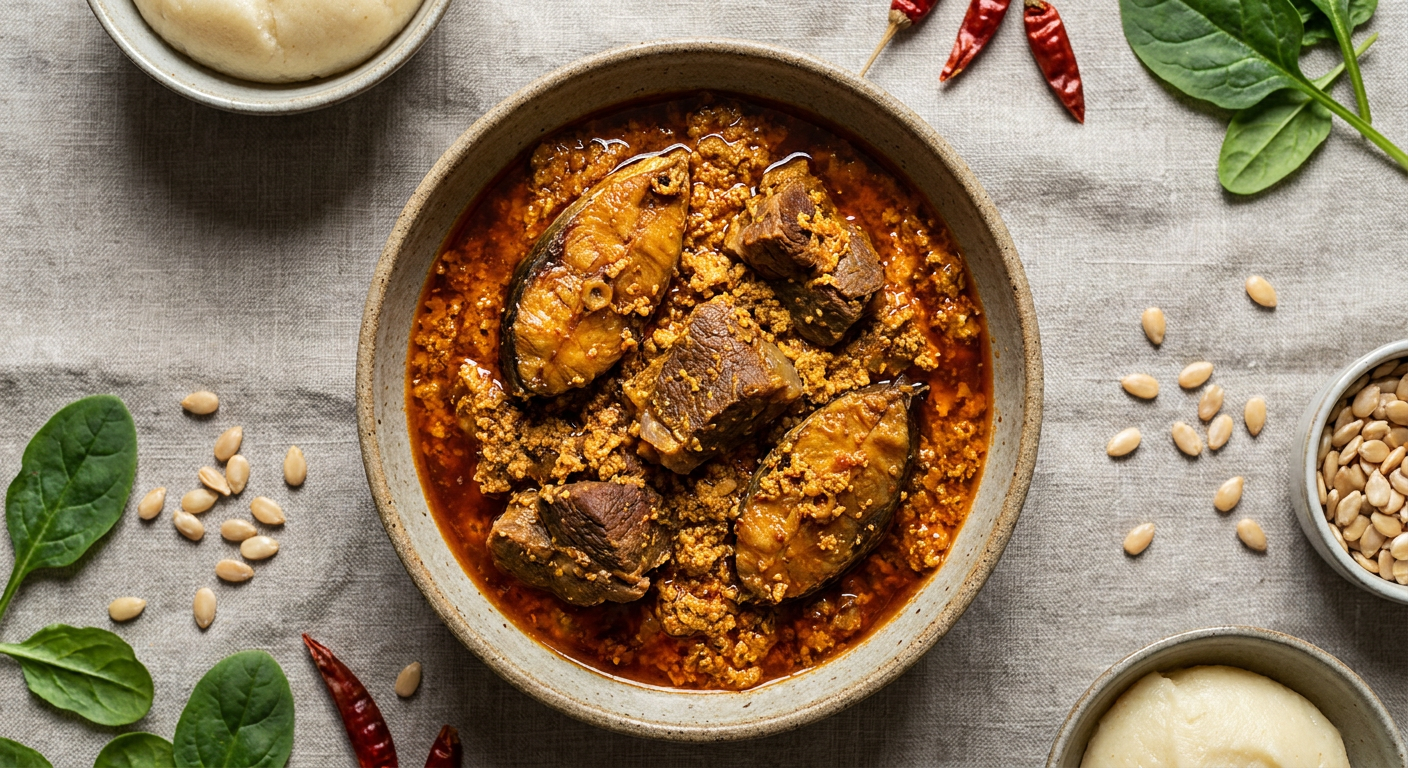
Master this authentic banga soup recipe for a thick, fragrant Nigerian palm fruit soup finished with fresh catfish, beletete, and smoky dried fish.
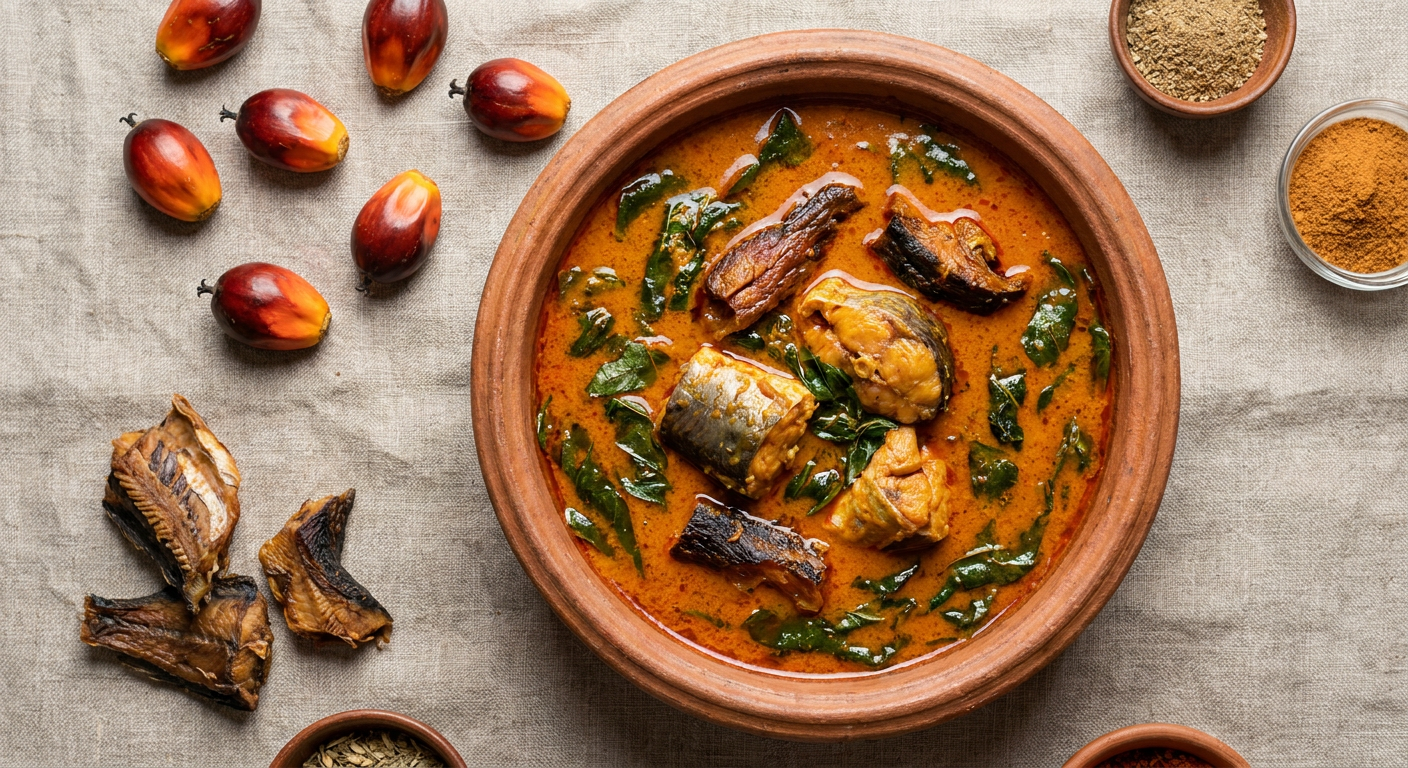

If you are looking for the ultimate Delta-style banga soup recipe, you have come to the right place. This isn't a watered-down version; we are extracting the thick, crimson cream from palm fruit to create a base that is heavy with spice and rich with natural oils.
Known as obe ata banga with fish in some regions, this Nigerian palm fruit soup relies on a specific blend of aromatics like beletete leaves and oburunbebe stick to achieve its signature earthy depth. The addition of fresh catfish and smoked proteins turns this into a celebratory meal that demands a side of starch.
The secret to a perfect pot lies in the reduction. You want the water to cook out until the palm oil begins to separate, concentrating the flavors of the sea and the forest into a velvety broth that clings to your swallow.
Ingredients
The Palm Base
- 800g (1.75 lbs) fresh palm fruits (or 1 can high-quality palm fruit concentrate)
- 1.5 liters water (if using fresh fruit)
- 1 medium red onion, finely diced
Proteins
- 500g (1.1 lbs) fresh catfish, cleaned and cut into steaks
- 2 medium smoked fish (like panla or catfish), deboned and broken into chunks
- 200g (7 oz) dried stockfish, soaked until soft
- 250g (9 oz) beef tripe (shaki) or cow skin (ponmo), pre-boiled until tender
Seasonings and Herbs
- 2 tablespoons ground crayfish
- 1 tablespoon Banga spice blend (ataiko and iregeje)
- 1 small oburunbebe stick (liquorice stick)
- 1 teaspoon crushed dried beletete leaves
- 2-3 scotch bonnet peppers (ata rodo), blended or pounded
- 1 tablespoon pounded fresh utazi leaves (for bitter balance)
- 2 bouillon cubes
- Salt to taste
Instructions
- 1
Boil the fresh palm fruits in a large pot with enough water to cover them for 20-30 minutes until the skin is soft and begins to crack.
- 2
Drain the water and transfer the warm fruits to a mortar. Pound gently with a pestle to strip the pulp from the nuts without breaking the kernels.
- 3
Place the pounded pulp in a bowl and add warm water. Massage the pulp to extract the oil, then strain the liquid through a fine-mesh sieve into your cooking pot. Repeat until the nuts are clean.
- 4
Bring the palm fruit extract to a boil over medium-high heat. Let it cook uncovered for 15-20 minutes until the liquid thickens and the bright orange color deepens to a rich red.
- 5
Add the pre-cooked beef tripe, stockfish, diced onions, blended scotch bonnets, and the oburunbebe stick to the pot.
- 6
Stir in the ground banga spices, crayfish, and bouillon cubes. Reduce heat to medium and simmer for another 10 minutes to allow the spices to bloom.
- 7
Gently lay the fresh catfish steaks and smoked fish chunks into the bubbling soup. Do not stir vigorously after this point to avoid breaking the fish.
- 8
Sprinkle the beletete leaves and the pounded utazi leaves over the top. The utazi adds a crucial bitter note that cuts through the richness of the palm oil.
- 9
Simmer for a final 8-10 minutes until the catfish is cooked through and the oil has visibly separated and floated to the surface.
- 10
Remove the oburunbebe stick before serving. The soup should be thick enough to coat the back of a spoon.
Nutrition (per serving)
Estimates only — not medical or dietary advice.
- Calories
- 485 kcal
- Protein
- 32 g
- Carbs
- 14 g
- Fat
- 35 g
- Fiber
- 3 g
- Sugar
- 2 g
- Sodium
- 840 mg
Tips
- → If using canned palm fruit concentrate, skip the boiling and pounding steps. Simply dissolve the concentrate in 1 liter of hot water and proceed to boil.
- → Don't cover the pot completely once the soup has thickened, as the steam can drop back in and thin out the consistency.
- → Freshness matters for the catfish; soak the steaks in salt and hot water for a minute then rinse to remove the slime before adding to the pot.
FAQ
Can I use banga soup spices for other dishes?
While specific to palm fruit soups, the earthy, woody notes of ataiko and iregeje can be used sparingly in other West African stews, but they are most at home in this specific recipe.
How do I prevent my catfish from breaking in the soup?
Always add the fresh fish during the last 10 minutes of cooking and avoid stirring with a spoon. Instead, gently shake the pot by the handles to submerge the fish.
Why does my banga soup look watery?
It likely hasn't reduced enough. The water needs to evaporate so the palm cream can emulsify with the oils. Continue simmering uncovered until you see oil bubbles on the surface.
What is the best substitute for beletete leaves?
There is no direct substitute for the unique aroma of beletete, but a tiny pinch of dried oregano or basil can provide a different but pleasant herbal note if you are in a pinch.
You might also like
 Soups
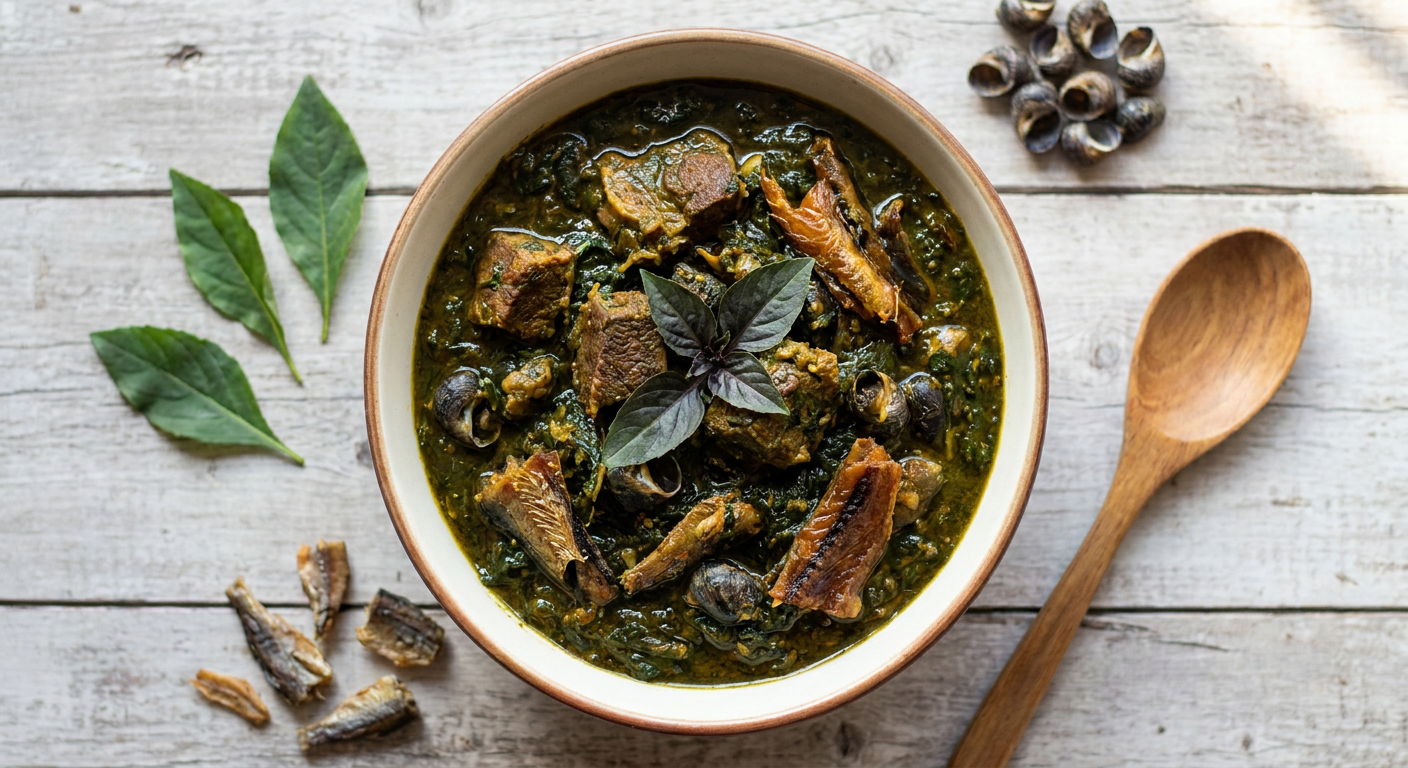
SoupsAuthentic Efik Afang Soup Recipe with Beef and Periwinkles
This authentic afang soup recipe features pounded okazi leaves and waterleaf for a rich, thick texture. Learn the Efik method with periwinkles and smoked fish.
 Soups
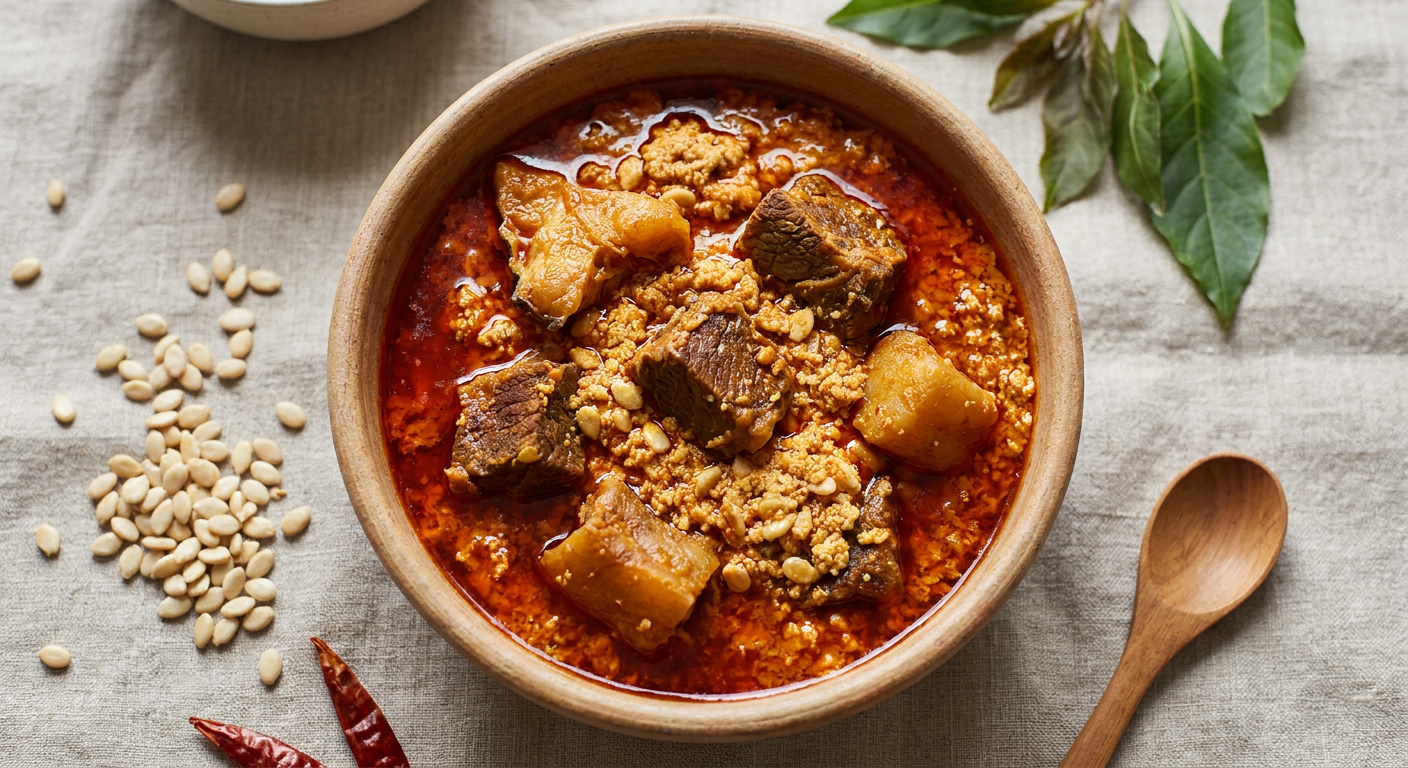
SoupsAuthentic Nigerian Egusi Soup with Lumpy Melon Seeds
Learn to make authentic Nigerian egusi soup with rich palm oil, beef, and stockfish. This melon seed soup features fluffy curdled lumps and is served with pounded yam.
 Soups
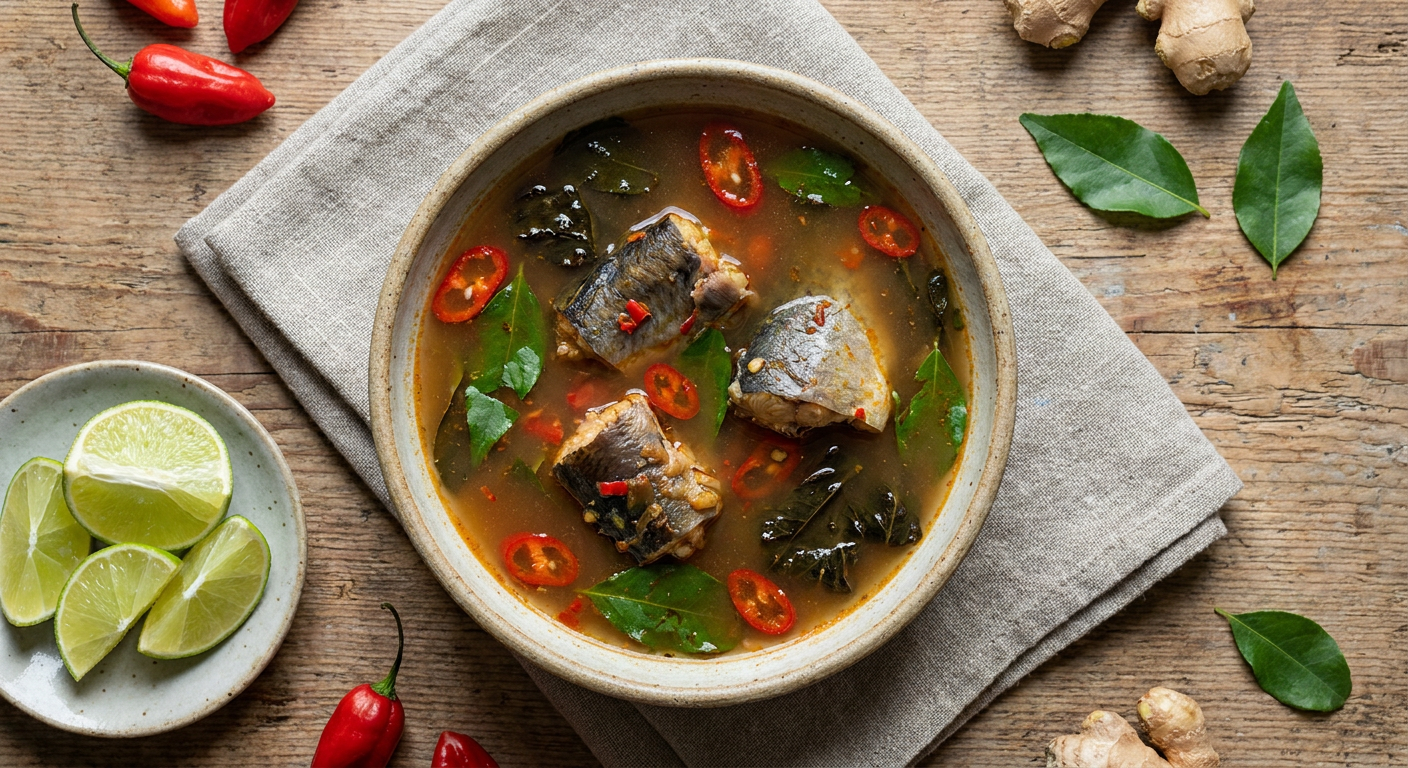
SoupsAuthentic Catfish Pepper Soup Recipe: Fiery and Fragrant
This authentic catfish pepper soup recipe delivers a clear, fiery broth infused with scent leaf and uziza. Learn the secret to cleaning fresh catfish for a perfect result.
 African
Authentic Nigerian Egusi Soup with Smoked Fish and Beef
Learn how to make authentic egusi soup at home. This Nigerian melon seed stew features toasted ground egusi, red palm oil, assorted meats, and vibrant greens.