Tanzanian Mchuzi wa Samaki (Swahili Fish Curry)
Master this authentic Tanzanian mchuzi wa samaki recipe. A vibrant Swahili fish curry featuring pan-seared snapper in a rich, tamarind-spiked coconut milk sauce.
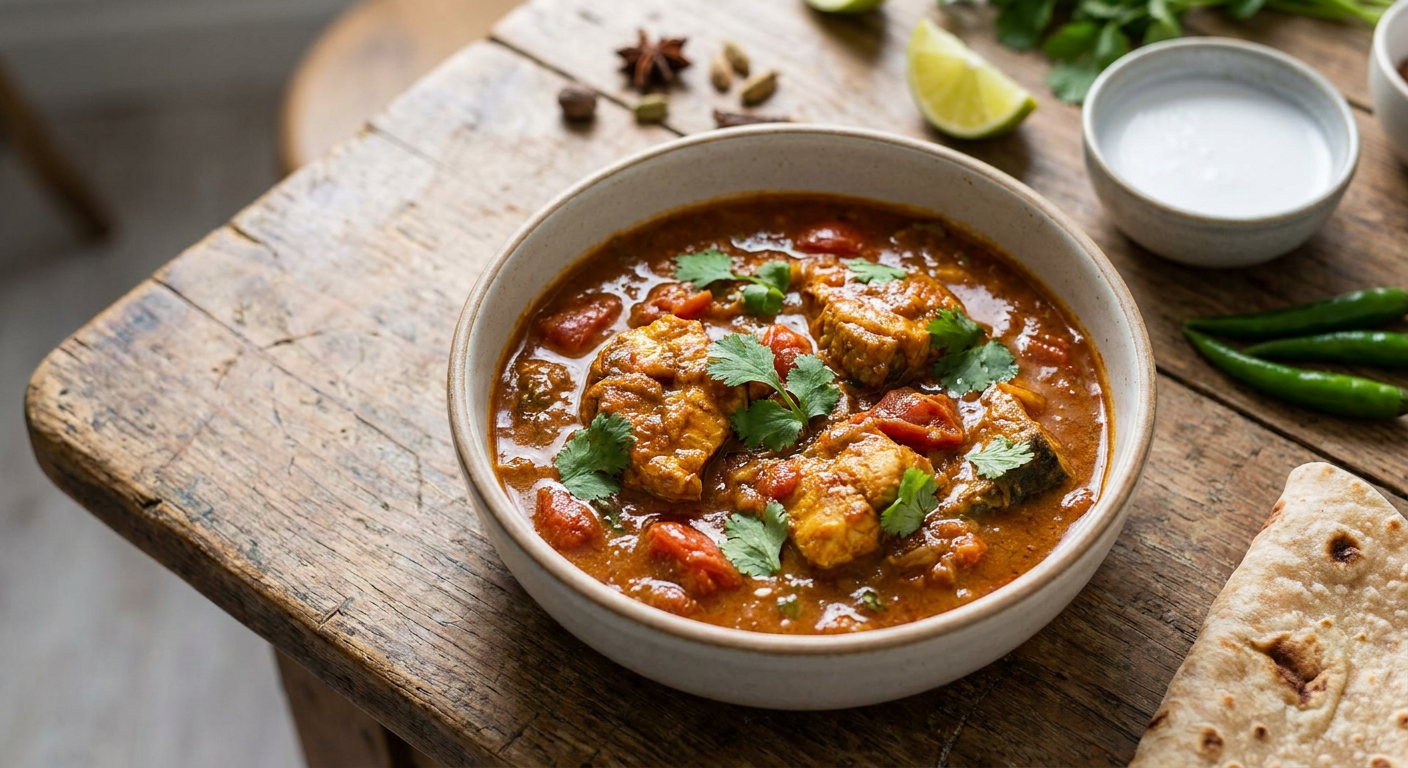

Tanzanian mchuzi wa samaki is the soul of the Swahili coast, a dish that perfectly captures the intersection of Indian Ocean trade winds and local coastal bounty. This fragrant fish curry relies on the trinity of fresh coconut milk, warm curry powder, and a sharp tang of tamarind to elevate a simple piece of white fish into something extraordinary.
Unlike heavier stews, this Swahili fish curry is light yet deeply satisfying. By pan-searing the snapper first, you ensure the skin stays intact and the flesh remains succulent before it takes a brief, finishing soak in the spiced tomato and coconut gravy. It is a staple from Dar es Salaam to Zanzibar, often enjoyed as a centerpiece for family gatherings.
To get the most authentic coconut fish curry Tanzania has to offer, don't skimp on the aromatics. Fresh ginger, garlic, and a squeeze of lime at the end are non-negotiable for cutting through the richness of the coconut cream. Serve it alongside wali wa nazi (coconut rice) or a stack of warm chapatis to soak up every drop of the golden sauce.
Ingredients
The Fish
- 1.5 lbs (680g) Red Snapper fillets, skin-on, cut into large chunks
- 1 teaspoon salt
- 1/2 teaspoon black pepper
- 1/2 teaspoon turmeric powder
- 2 tablespoons vegetable oil for searing
The Curry Sauce
- 1 large red onion, finely diced
- 3 cloves garlic, minced
- 1 tablespoon fresh ginger, grated
- 1 bell pepper (green or yellow), sliced into strips
- 2 medium tomatoes, finely chopped
- 1 tablespoon tomato paste
- 1.5 tablespoons mild curry powder
- 1 can (13.5 oz / 400ml) full-fat coconut milk
- 1 tablespoon tamarind paste (concentrate)
- 1 fresh bird's eye chili, slit lengthwise (optional for heat)
- Fresh cilantro and lime wedges for garnish
Instructions
- 1
Season the snapper chunks evenly with salt, pepper, and turmeric powder.
- 2
Heat the vegetable oil in a wide, deep skillet over medium-high heat until shimmering.
- 3
Sear the fish pieces skin-side down for 2-3 minutes until golden and crisp, then flip and cook for 1 minute; remove from the pan and set aside (the fish will not be fully cooked through yet).
- 4
Reduce the heat to medium and add the onions to the same skillet, sautéing until translucent and starting to brown at the edges.
- 5
Stir in the garlic, ginger, and bell pepper, cooking for 2 minutes until fragrant.
- 6
Add the chopped tomatoes, tomato paste, and curry powder, stirring constantly for 3-4 minutes until the tomatoes break down into a thick paste.
- 7
Pour in the coconut milk and whisk in the tamarind paste, bringing the mixture to a gentle simmer.
- 8
Place the seared fish pieces back into the skillet, nestling them into the sauce, and add the whole chili if using.
- 9
Simmer uncovered for 5-7 minutes, spooning the sauce over the fish occasionally, until the sauce has thickened slightly and the fish flakes easily with a fork.
- 10
Remove from heat, discard the chili, and finish with a generous squeeze of fresh lime juice and chopped cilantro.
Nutrition (per serving)
Estimates only — not medical or dietary advice.
- Calories
- 485 kcal
- Protein
- 38 g
- Carbs
- 14 g
- Fat
- 32 g
- Fiber
- 3 g
- Sugar
- 5 g
- Sodium
- 840 mg
Tips
- → Use full-fat canned coconut milk or fresh squeezed; light coconut milk lacks the viscosity needed for a proper Swahili mchuzi.
- → If your tamarind paste has seeds, dissolve it in 2 tablespoons of warm water first and strain before adding to the pan.
- → Do not overcook the snapper. The carry-over heat and the final simmer in the sauce are enough to finish the fish while keeping it moist.
FAQ
What kind of fish is best for Tanzanian mchuzi wa samaki?
Firm, white-fleshed fish are best. Red snapper is traditional, but Kingfish, Tilapia, or Cod also work well as they hold their shape in the simmering coconut sauce.
How do I prevent my coconut milk from curdling?
Keep the heat at a gentle simmer rather than a rolling boil. Adding the tamarind or lime juice at the very end also helps maintain a smooth, emulsified sauce.
Can I make this curry ahead of time?
You can prepare the sauce base up to a day in advance. However, for the best texture, sear and simmer the fish just before serving so it doesn't become rubbery.
You might also like
 Dinner
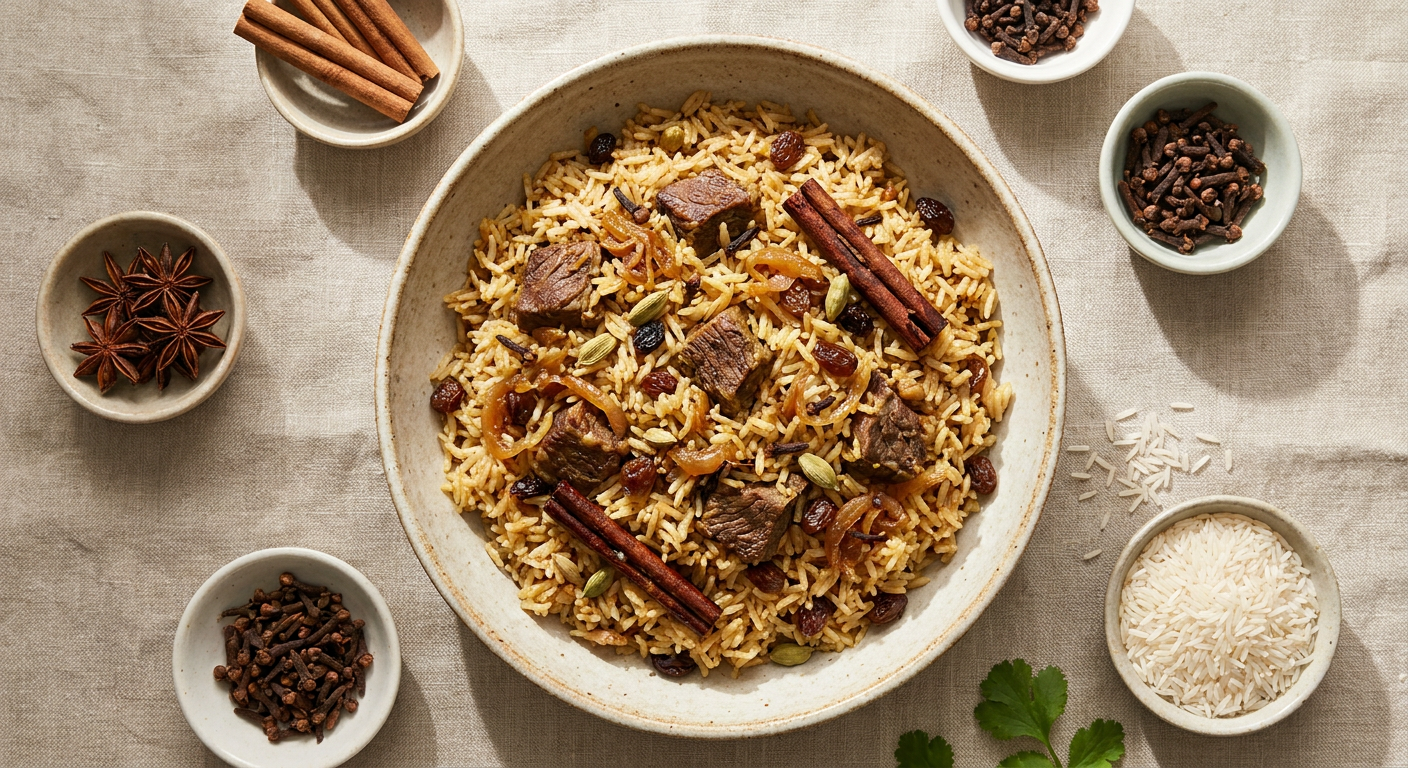
Tanzanian Zanzibar Pilau with Beef and Fragrant Spices
Master this authentic Tanzanian Zanzibar pilau featuring tender beef and basmati rice bloomed with cardamom, cloves, and cinnamon for a deeply aromatic dinner.
 Dinner
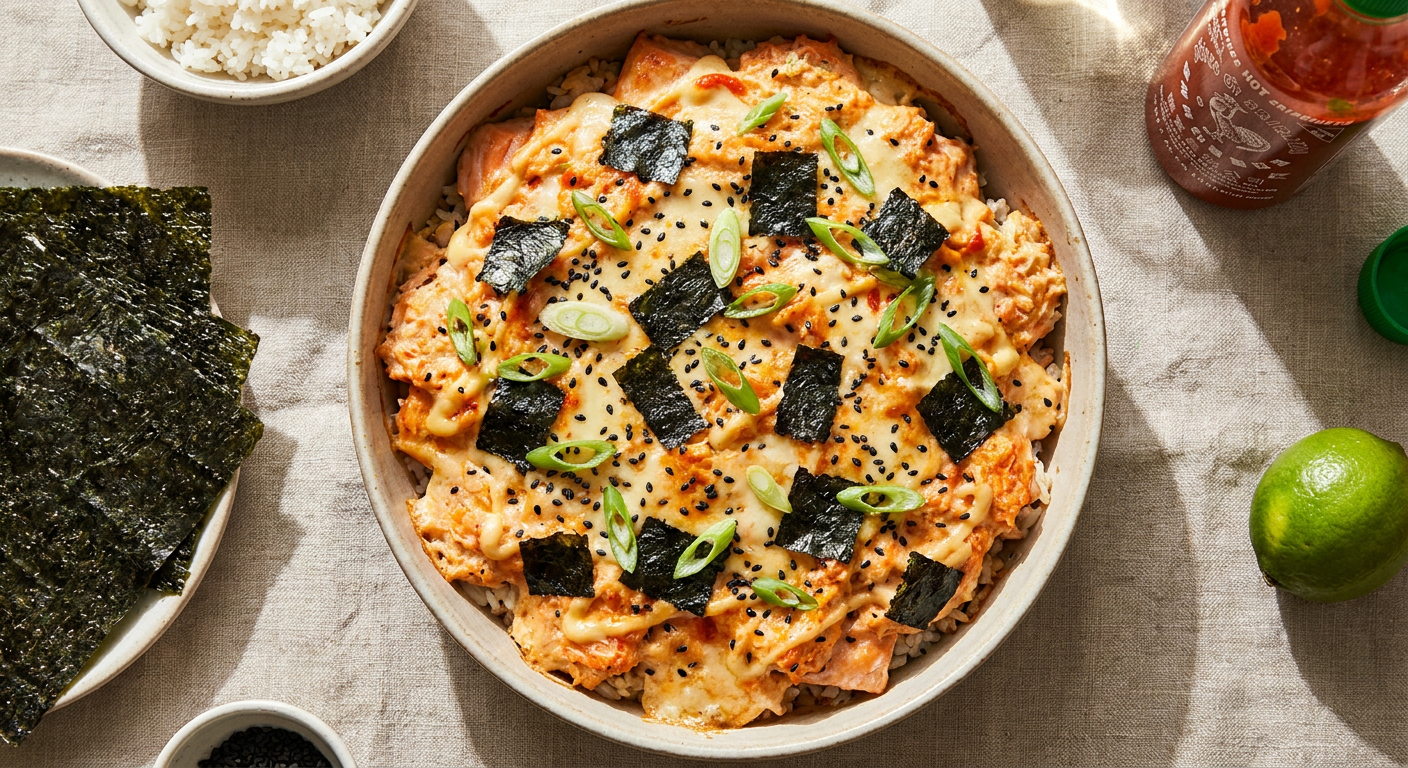
Salmon Sushi Bake with Spicy Kewpie and Nori Squares
This easy salmon sushi bake features seasoned rice, a creamy sriracha salmon and crab topping, and crisp nori. The ultimate crowd-pleasing deconstructed sushi roll.
 Dinner
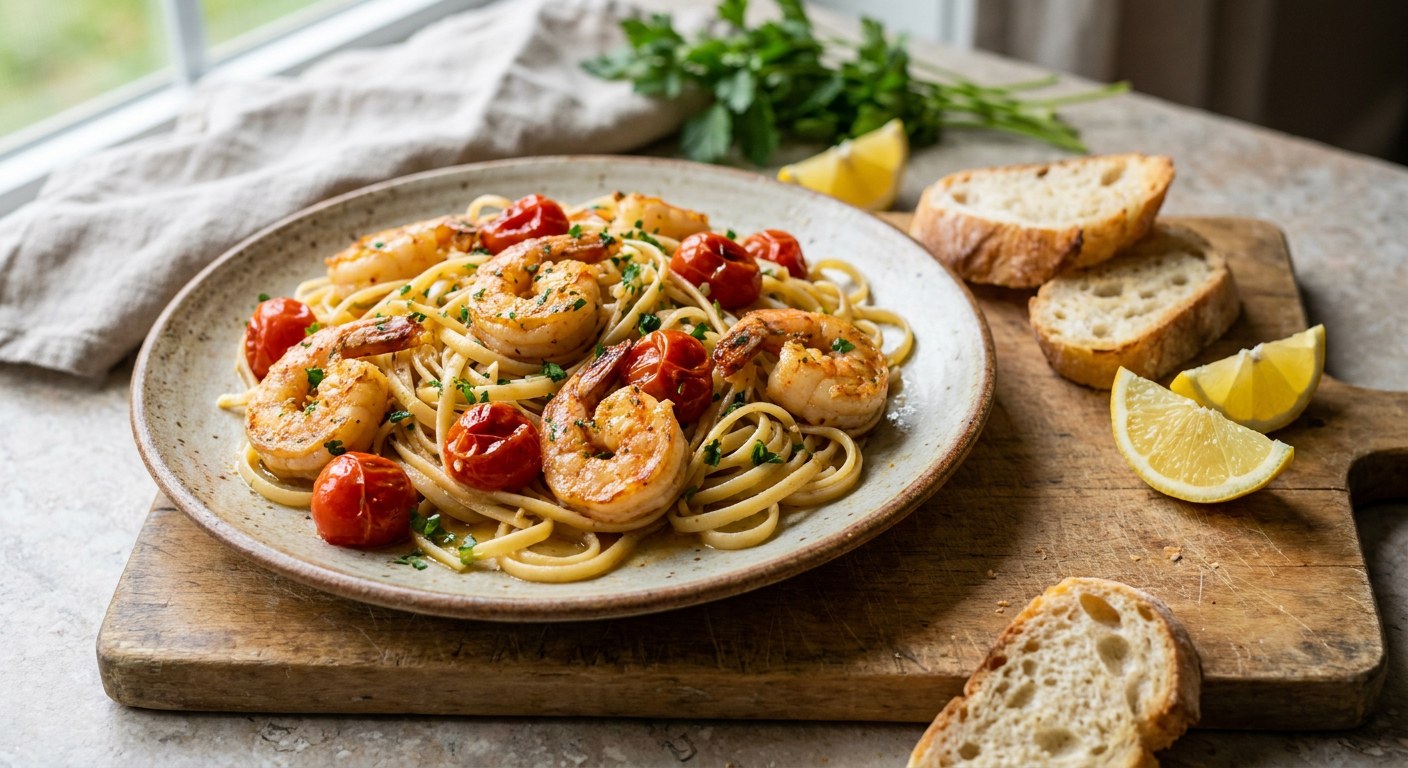
The Best Easy Shrimp Scampi Recipe in 15 Minutes
Master this easy shrimp scampi recipe for a restaurant-quality dinner. Learn how to make a glossy garlic butter shrimp scampi sauce with lemon and white wine in minutes.
 Dinner
Creamy Maharagwe ya Nazi Recipe: Kenyan Coconut Beans
This authentic maharagwe ya nazi recipe simmers red kidney beans in rich coconut milk with Swahili spices for a creamy, comforting Kenyan bean stew.