Authentic Shiro Wat Recipe: Silky Ethiopian Chickpea Stew
Learn the best shiro wat recipe for a silky, savory Ethiopian chickpea flour stew. Master the whisking technique for a smooth, glossy finish served with injera.
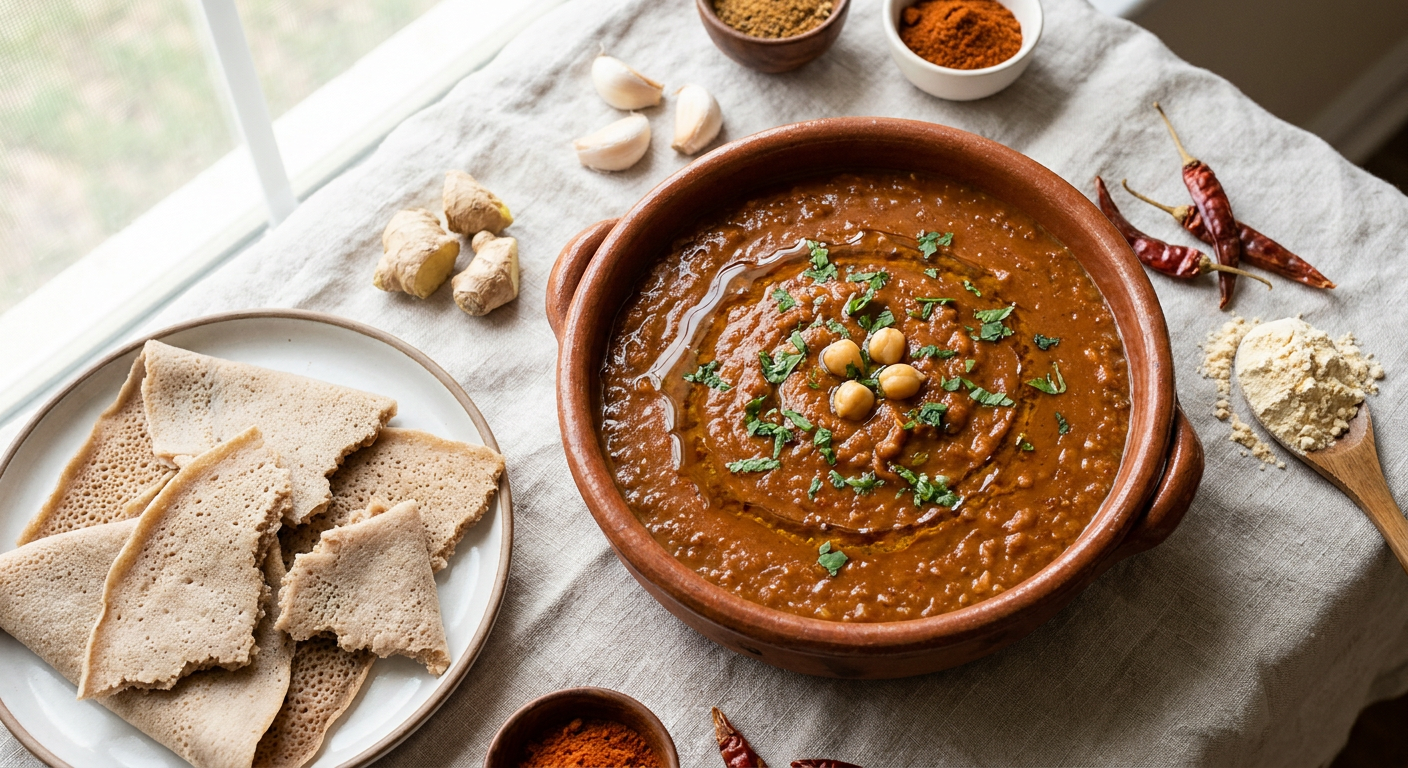

This authentic shiro wat recipe is the ultimate comfort food, delivering a velvety, protein-rich stew that is a cornerstone of Ethiopian fasting traditions. By slowly whisking roasted chickpea flour into a base of fragrant aromatics, you create a dish that is deeply savory, spicy, and incredibly satisfying.
Making Ethiopian shiro at home is remarkably simple once you master the balance of berbere and niter kibbeh. This chickpea flour stew relies on a slow simmer to develop its signature glossy sheen and thick, pourable consistency that is perfect for scooping up with fresh injera.
The secret to a lump-free result lies in the gradual addition of water and constant movement. Whether you are a longtime fan of East African cuisine or trying it for the first time, this recipe ensures a perfectly smooth texture every single time.
Ingredients
The Base
- 2 medium red onions, very finely minced
- 3 tablespoons niter kibbeh (Ethiopian spiced clarified butter) or oil for vegan
- 2 tablespoons berbere spice blend
- 1 tablespoon garlic-ginger paste
- 1 medium tomato, finely diced (optional)
The Stew
- 1/2 cup (65g) shiro powder (roasted chickpea flour blend)
- 3 cups (710ml) water, plus more as needed
- 1 teaspoon salt, or to taste
- 2 serrano peppers, slit lengthwise
- 1/2 teaspoon mekelesha (optional finishing spice)
Instructions
- 1
Dry-sear the minced red onions in a heavy-bottomed pot or dutch oven over medium heat for 5-7 minutes until they soften and lose their moisture, stirring constantly to prevent burning.
- 2
Add the niter kibbeh to the onions and sauté for another 5 minutes until the onions are translucent and fragrant.
- 3
Stir in the berbere spice and garlic-ginger paste, adding a splash of water if the mixture looks too dry, and cook for 3 minutes to mellow the raw spice flavor.
- 4
Add the diced tomato if using and cook until it breaks down into a thick, concentrated paste.
- 5
Pour in 2 cups of water and bring to a gentle simmer.
- 6
Whisk in the shiro powder slowly and steadily, using a balloon whisk to ensure no clumps form as the chickpea flour hydrates.
- 7
Add the remaining cup of water and turn the heat to low, allowing the stew to simmer uncovered for 15-20 minutes.
- 8
Monitor the consistency; if the stew becomes too thick, whisk in an extra 1/4 cup of hot water until it is thick but pourable.
- 9
Drop in the slit serrano peppers and salt, simmering for a final 5 minutes until a thin layer of oil (the 'gloss') rises to the surface.
- 10
Serve immediately while bubbling hot, traditionally poured directly onto a piece of injera.
Nutrition (per serving)
Estimates only — not medical or dietary advice.
- Calories
- 215 kcal
- Protein
- 6 g
- Carbs
- 18 g
- Fat
- 13 g
- Fiber
- 5 g
- Sugar
- 4 g
- Sodium
- 740 mg
Tips
- → Don't rush the onions; dry-searing them before adding fat provides a deeper, traditional flavor profile that defines a good shiro.
- → If you don't have a whisk, use a traditional wooden stirrer (mukecha) and add the powder in very small increments to avoid lumps.
- → The stew will thicken significantly as it cools, so aim for a slightly thinner consistency than you think you need while it is on the stove.
FAQ
Why is my shiro wat lumpy?
Lumps usually form if the chickpea powder is added too quickly to boiling water. To fix this, whisk vigorously as you sprinkle the flour in, or pre-mix the shiro powder with a little cold water to form a slurry before adding it to the pot.
Can I make this shiro wat recipe vegan?
Yes! Simply replace the niter kibbeh with a neutral oil or a vegan spiced oil. The shiro powder itself is naturally plant-based.
What is the difference between shiro and shiro wat?
Shiro refers to the flour blend itself (roasted chickpeas and spices), while Shiro Wat is the finished, cooked stew.
How do I know when the shiro is finished cooking?
Look for the 'gloss.' When the fat separates slightly and creates a shiny, oily sheen on top of the bubbling stew, the chickpea flour is fully cooked and the flavors have melded.
You might also like
 Dinner
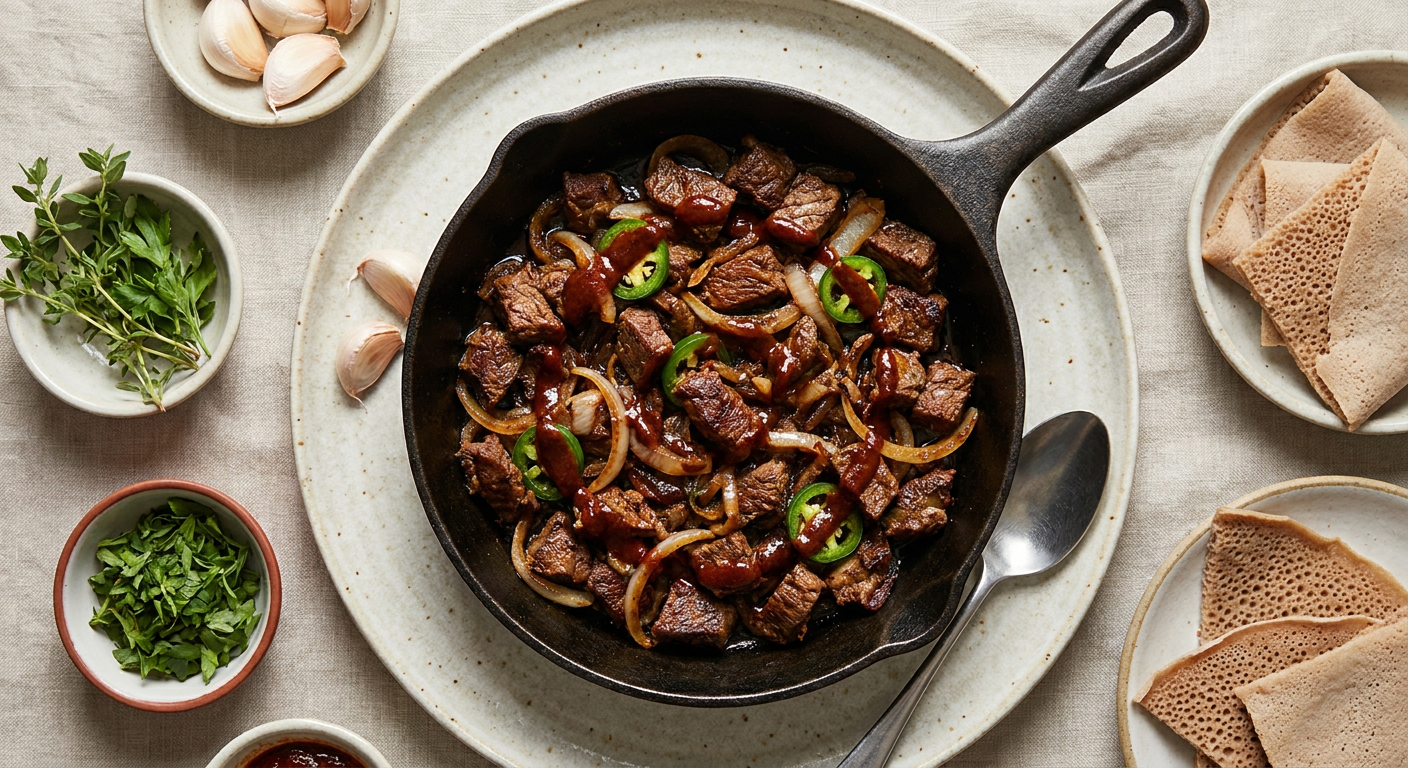
Sizzling Ethiopian Beef Tibs Recipe with Awaze
Master this authentic Ethiopian beef tibs recipe at home. Sear tender beef in spiced niter kibbeh with rosemary and jalapeños for a smoky, charred, restaurant-style finish.
 Dinner
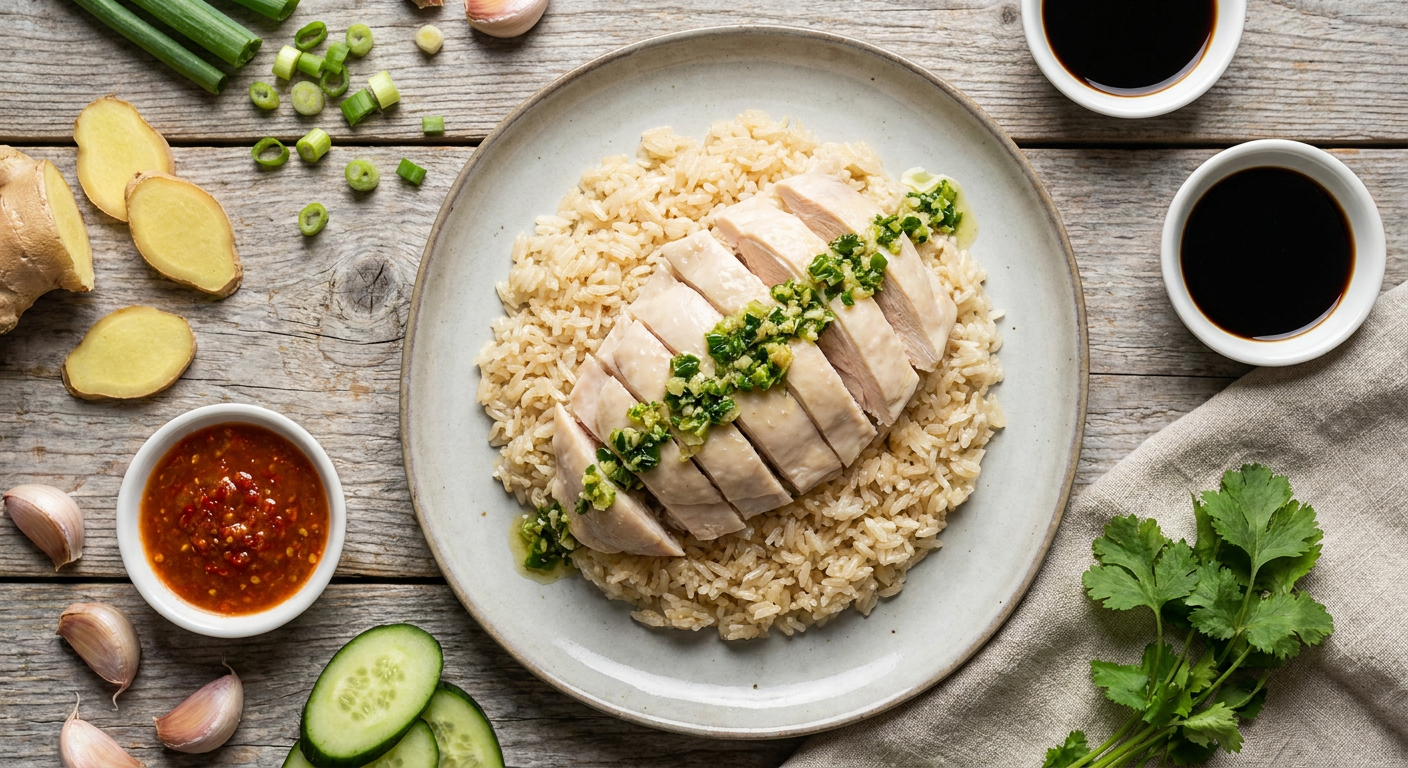
Authentic Hainanese Chicken Rice Recipe with Scallion Oil
Master this Hainanese chicken rice recipe for silky poached chicken, fragrant fat-toasted rice, and zingy ginger-scallion oil. The ultimate Singaporean comfort food.
 Dinner
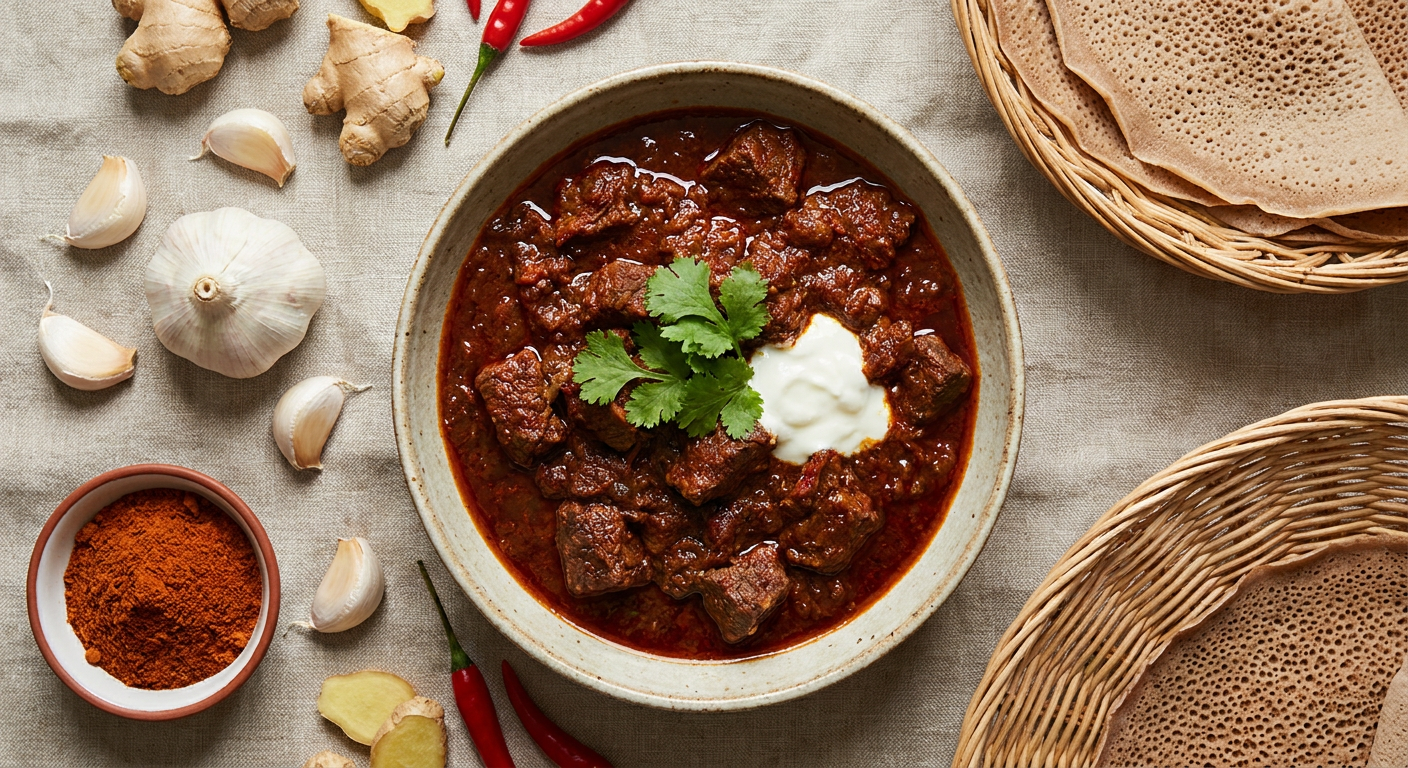
Authentic Zigni Recipe: Spicy Eritrean Beef Stew
Master this authentic zigni recipe. A slow-simmered Eritrean zigni stew featuring tender beef, dry-sweated onions, and bold berbere for a rich, brick-red finish.
 Dinner
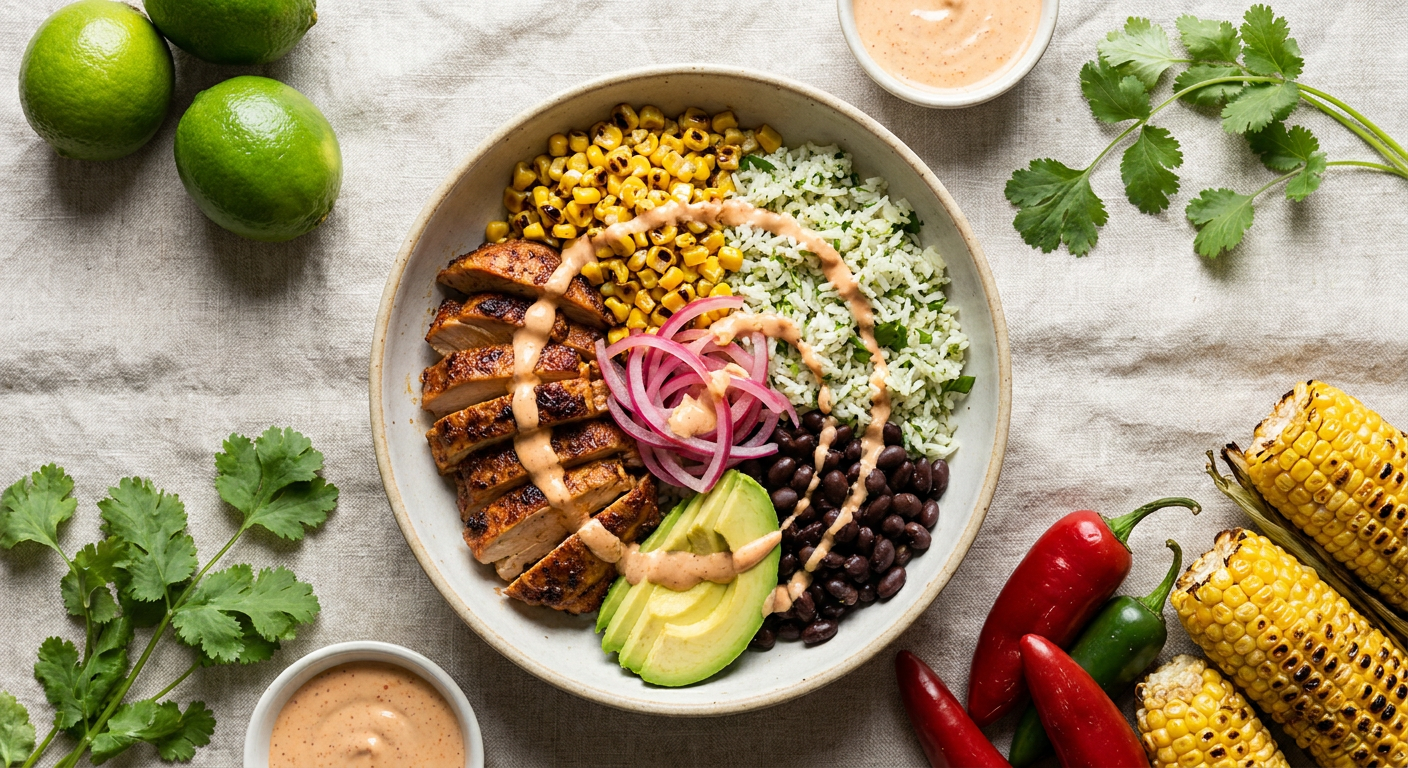
Adobo Chicken Burrito Bowl with Charred Corn and Crema
Learn how to make a restaurant-quality chicken burrito bowl at home with adobo-marinated thighs, cilantro-lime rice, and a smoky chipotle crema for perfect meal prep.