Authentic Hainanese Chicken Rice Recipe with Scallion Oil
Master this Hainanese chicken rice recipe for silky poached chicken, fragrant fat-toasted rice, and zingy ginger-scallion oil. The ultimate Singaporean comfort food.
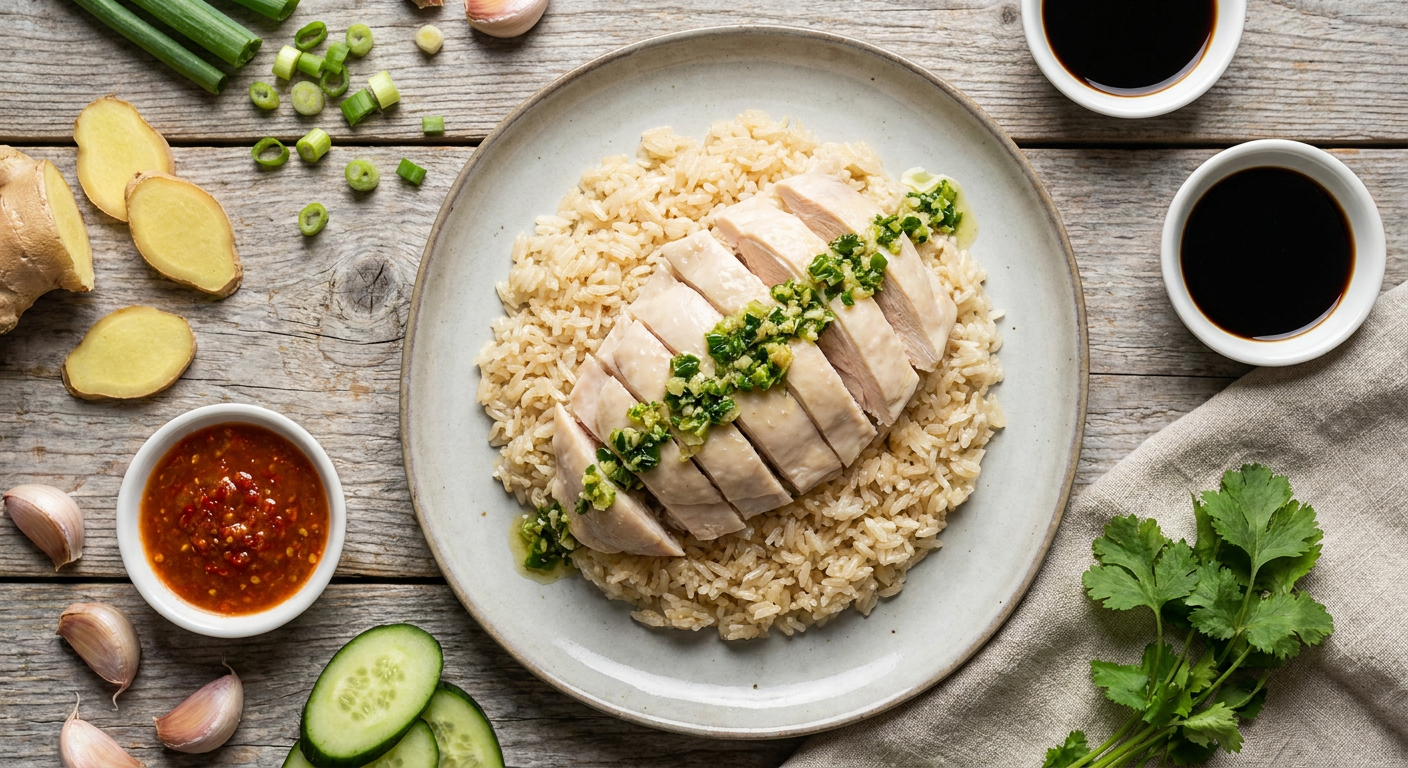

Developing a truly authentic Hainanese chicken rice recipe requires patience and a focus on temperature control. This isn't just a boiled bird; it is a masterclass in poaching techniques designed to yield the silkiest meat and a rich, gelatinous skin.
Known by many as Singapore chicken rice, the soul of the dish lies in the rice itself, which is toasted in rendered chicken fat before being steeped in a concentrated broth. By plunging the poached chicken into an ice bath immediately after cooking, you lock in the juices and create that signature jelly-like texture under the skin.
We serve this with the holy trinity of condiments: a sharp chili sauce, a savory ginger-scallion oil, and a splash of dark soy. Whether you call it poached chicken rice or Hainan gai fan, this method delivers restaurant-quality results in your own kitchen.
Ingredients
The Poached Chicken
- 1 whole chicken (3.5 to 4 lbs / 1.6 to 1.8 kg), room temperature
- 2 tablespoons kosher salt (for skin exfoliation)
- 4 slices ginger, smashed
- 2 stalks scallions, bruised
- 1 head garlic, halved crosswise
- 1 tablespoon sesame oil (for brushing)
The Fragrant Rice
- 2 cups (400g) long-grain jasmine rice
- 2 tablespoons chicken fat (trimmed from the bird) or peanut oil
- 3 cloves garlic, minced
- 1 inch ginger, minced
- 3 cups (720ml) reserved chicken poaching broth
- 1/2 teaspoon kosher salt
- 2 pandan leaves, tied in a knot (optional)
Ginger-Scallion Oil
- 1/2 cup scallions, finely minced
- 3 tablespoons ginger, finely grated
- 1/2 teaspoon salt
- 1/4 cup neutral oil (grapeseed or canola)
Instructions
- 1
Prepare the chicken by trimming excess fat from the cavity (save this for the rice) and rubbing the skin vigorously with 2 tablespoons of salt to remove impurities; rinse thoroughly under cold water.
- 2
Stuff the chicken cavity with the ginger slices, bruised scallions, and halved garlic head.
- 3
Submerge the chicken in a large pot of water, ensuring it is fully covered by at least an inch, and bring to a boil; immediately reduce heat to the lowest setting so the water is barely trembling (sub-simmer).
- 4
Poach the chicken for 40 to 50 minutes, or until the internal temperature reaches 165°F (74°C), then immediately lift the bird out and plunge it into a large bowl of ice water for 10 minutes.
- 5
Remove the chicken from the ice bath, pat dry, and brush the skin with a thin layer of sesame oil to prevent drying; set aside to rest while you cook the rice.
- 6
Rinse the jasmine rice until the water runs clear and drain well.
- 7
Render the reserved chicken fat in a pot over medium heat (or heat peanut oil) and sauté the minced garlic and ginger until fragrant but not browned.
- 8
Add the drained rice to the pot and stir for 2-3 minutes to toast the grains and coat them thoroughly in the fat.
- 9
Pour in 3 cups of the poaching broth, add the salt and pandan leaves, bring to a boil, then cover and simmer on low for 15 minutes or until the liquid is absorbed.
- 10
Prepare the ginger-scallion oil by mixing the aromatics in a heat-proof bowl and pouring over the oil after it has been heated until shimmering.
- 11
Carve the chicken into bite-sized pieces and serve alongside the fragrant rice, sliced cucumbers, and the ginger-scallion oil.
Nutrition (per serving)
Estimates only — not medical or dietary advice.
- Calories
- 845 kcal
- Protein
- 48 g
- Carbs
- 56 g
- Fat
- 45 g
- Fiber
- 2 g
- Sugar
- 1 g
- Sodium
- 1280 mg
Tips
- → Do not skip the ice bath; the thermal shock stops the cooking instantly and creates the classic gelatinous skin texture characteristic of Singapore chicken rice.
- → Use the remaining poaching broth as a side soup—just season with a little more salt and add some fresh scallions.
- → If you want the skin to be extra yellow, add a teaspoon of turmeric powder to the poaching water.
- → Toasting the rice is non-negotiable; it prevents the grains from becoming mushy and infuses them with deep chicken flavor.
FAQ
How do I know if the chicken is fully cooked without a thermometer?
Poke the thickest part of the thigh with a skewer; if the juices run clear without a trace of pink or blood, the chicken is ready.
Can I use chicken breast instead of a whole bird?
You can, but the rice will lack flavor without the rendered fat and bones from a whole bird. If using parts, reduce poaching time to 15-20 minutes.
Why does my chicken rice taste bland?
Usually, this is due to under-salting the poaching liquid or not toasting the rice in enough aromatics and fat before boiling.
Why is the skin on my chicken rubbery?
Rubberiness happens if the water boils too vigorously. Keeping the temperature just below a simmer ensures the collagen breaks down into a soft texture.
You might also like
 Dinner
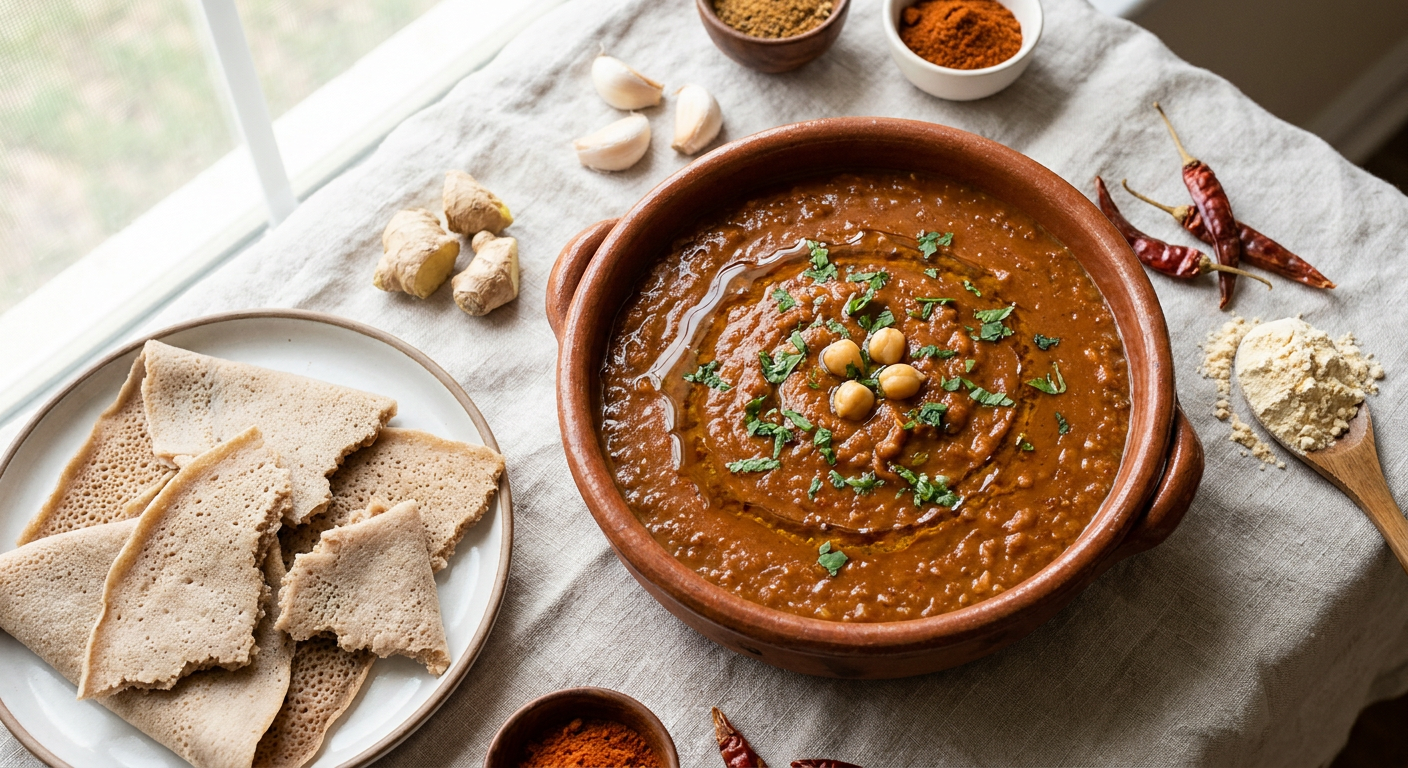
Authentic Shiro Wat Recipe: Silky Ethiopian Chickpea Stew
Learn the best shiro wat recipe for a silky, savory Ethiopian chickpea flour stew. Master the whisking technique for a smooth, glossy finish served with injera.
 Dinner
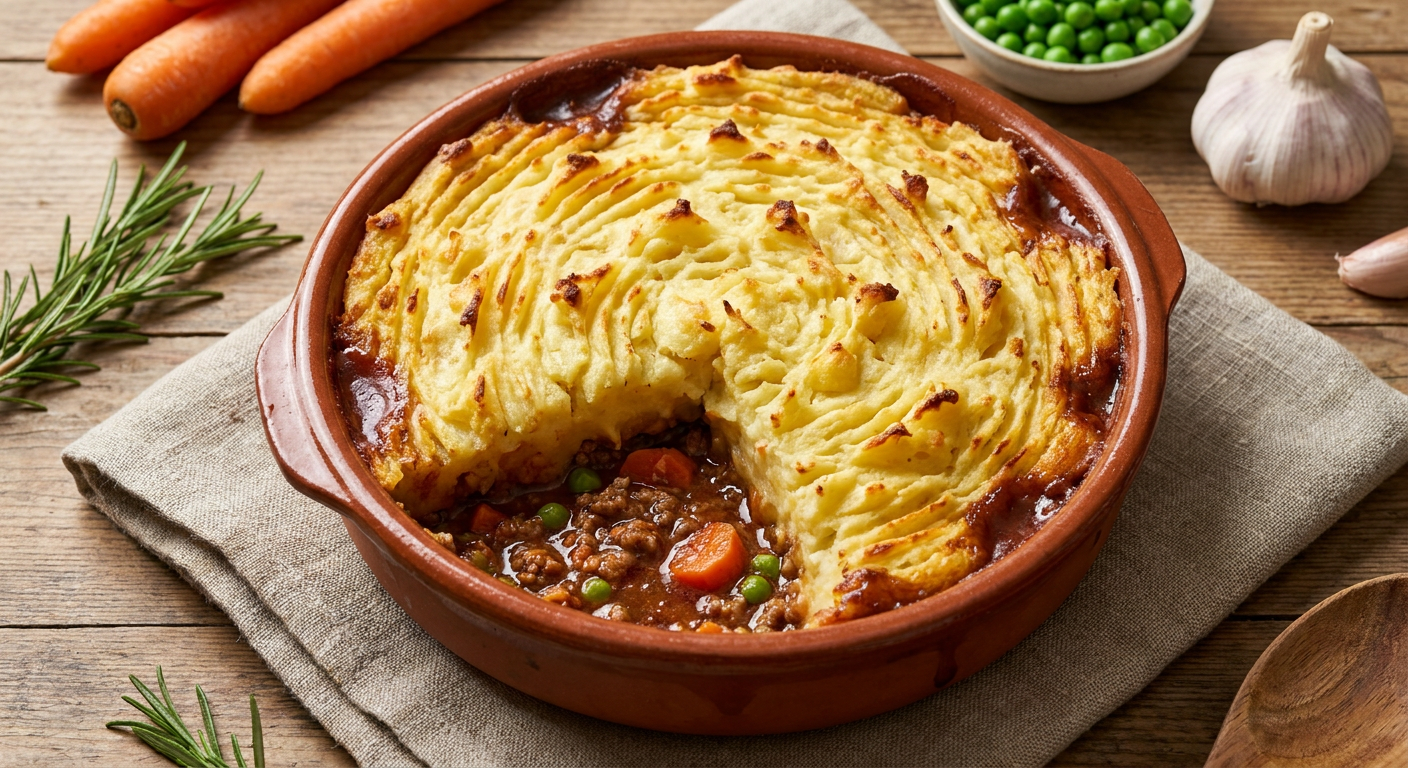
Proper Shepherd's Pie Recipe with Rich Lamb Gravy
This authentic shepherd's pie recipe features tender ground lamb in a rich red wine gravy, topped with buttery mashed potatoes forked into crispy golden ridges.
 Dinner
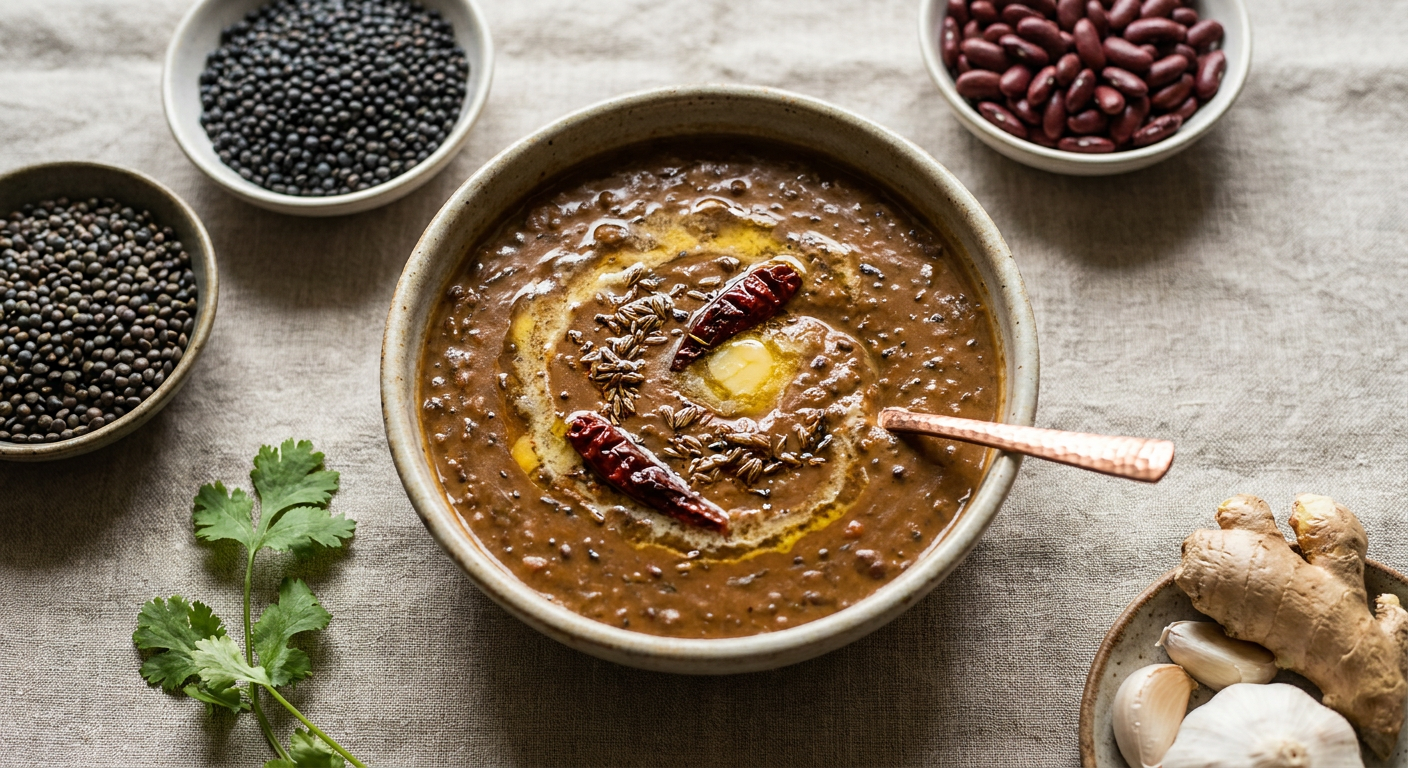
Creamy Dal Makhani Recipe with Smoky Ghee Tempering
This authentic dal makhani recipe yields restaurant-quality results at home. Simmer slow cooked urad dal and rajma into a rich, buttery, and smoky masterpiece.
 Dinner
Crispy Chicken Schnitzel Recipe with Souffléed Crust
Master this chicken schnitzel recipe for a crispy, golden crust that soufflés away from the meat. Pounded thin and fried in clarified butter for the ultimate crunch.