Authentic Polish Pierogi Ruskie with Potato and Cheese
Learn to make authentic Polish pierogi with a soft sour cream dough and a savory potato cheese filling. Finished in brown butter and onions for the ultimate comfort meal.
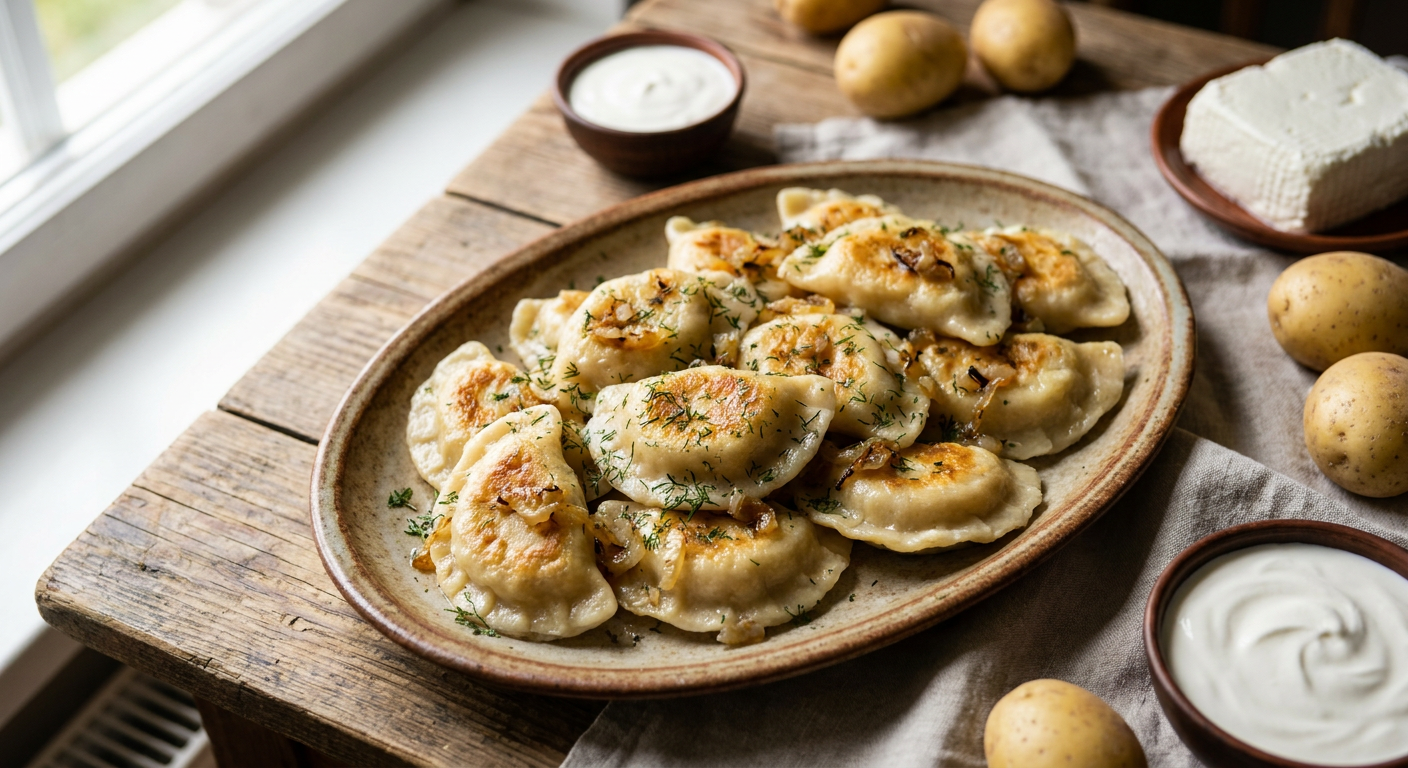

There is no comfort food quite like authentic Polish pierogi, the quintessential dumpling that defines Eastern European soul food. While fillings range from sauerkraut to sweet cherry, the 'Ruskie' style—a savory blend of potato and tangy farmer’s cheese—remains the gold standard for home cooks everywhere.
This homemade pierogi recipe focuses on a high-fat, sour cream-based dough that rests until it’s perfectly slack and easy to roll. Unlike tough, water-only doughs, this version stays supple through the boiling process and crisps up beautifully in a pan of brown butter.
The secret to the best potato cheese pierogi is mashing the potatoes while they are steaming hot directly into the cheese. This creates a cohesive, velvety texture that won't fall apart when you take that first, buttery bite.
Ingredients
The Pierogi Dough
- 3 cups (375g) all-purpose flour, plus more for dusting
- 1/2 teaspoon fine sea salt
- 1 large egg, room temperature
- 1/2 cup (120g) full-fat sour cream
- 1/2 cup (115g) unsalted butter, melted and slightly cooled
The Ruskie Filling
- 1.5 lbs (680g) Russet or Yukon Gold potatoes, peeled and cubed
- 1 cup (225g) Twaróg (Polish farmer’s cheese) or dry-curd cottage cheese
- 1 large yellow onion, finely diced
- 2 tablespoons butter (for sautéing onion)
- 1 teaspoon kosher salt
- 1/2 teaspoon freshly cracked black pepper
For Serving
- 4 tablespoons unsalted butter
- 1/2 yellow onion, sliced into half-moons
- Sour cream and fresh dill for garnish
Instructions
- 1
Boil the potatoes in salted water until fork-tender, about 15 minutes. Drain thoroughly and let steam for 2 minutes to remove excess moisture.
- 2
Sauté the finely diced onion in 2 tablespoons of butter over medium heat until golden brown and soft.
- 3
Mash the hot potatoes with the farmer's cheese, sautéed onions, salt, and pepper until smooth; set aside to cool completely before filling.
- 4
Whisk the flour and salt in a large bowl, then create a well in the center and add the egg, sour cream, and melted butter.
- 5
Knead the dough by hand or with a dough hook for 5-8 minutes until smooth and elastic, then wrap in plastic and rest at room temperature for at least 30 minutes.
- 6
Roll out half the dough on a lightly floured surface to 1/8-inch thickness and cut out 3-inch circles using a glass or biscuit cutter.
- 7
Place a rounded tablespoon of filling in the center of each circle, fold the dough over, and pinch the edges firmly to seal (use a touch of water if the dough feels dry).
- 8
Bring a large pot of salted water to a gentle boil and drop pierogi in batches; cook until they float, then give them 2 additional minutes.
- 9
Melt the remaining 4 tablespoons of butter in a large skillet over medium heat until it begins to foam and turn nut-brown.
- 10
Add the sliced onions to the brown butter and sauté until caramelized, then toss in the boiled pierogi to sear slightly on both sides.
- 11
Serve hot with a generous dollop of sour cream and a sprinkle of fresh dill.
Nutrition (per serving)
Estimates only — not medical or dietary advice.
- Calories
- 645 kcal
- Protein
- 16 g
- Carbs
- 68 g
- Fat
- 35 g
- Fiber
- 4 g
- Sugar
- 5 g
- Sodium
- 710 mg
Tips
- → Never use cold potatoes for the filling. Mashing them while hot allows the cheese to melt slightly and bind the mixture together.
- → Resting the dough is non-negotiable. If you try to roll it immediately, the gluten will snap back and your pierogi will be thick and tough.
- → If you can't find Polish Twaróg, use a dry-curd farmer’s cheese or strain full-fat cottage cheese through cheesecloth to remove all liquid.
- → To freeze, boil the pierogi first, toss them in a little oil to prevent sticking, and freeze in a single layer on a parchment-lined tray before bagging.
FAQ
Can I make the dough in advance?
Yes, you can refrigerate the dough for up to 24 hours. Just ensure it returns to room temperature before rolling so it stays pliable.
Why does my pierogi dough keep shrinking back?
This usually means the gluten hasn't rested long enough. Cover the dough and let it sit for another 15-20 minutes to relax the proteins.
How do I prevent pierogi from opening while boiling?
Ensure no filling touches the edges of the dough circle, as grease prevents a seal. Pinch firmly with your fingers or use the tines of a fork for a decorative, secure edge.
You might also like
 DinnerAdvanced
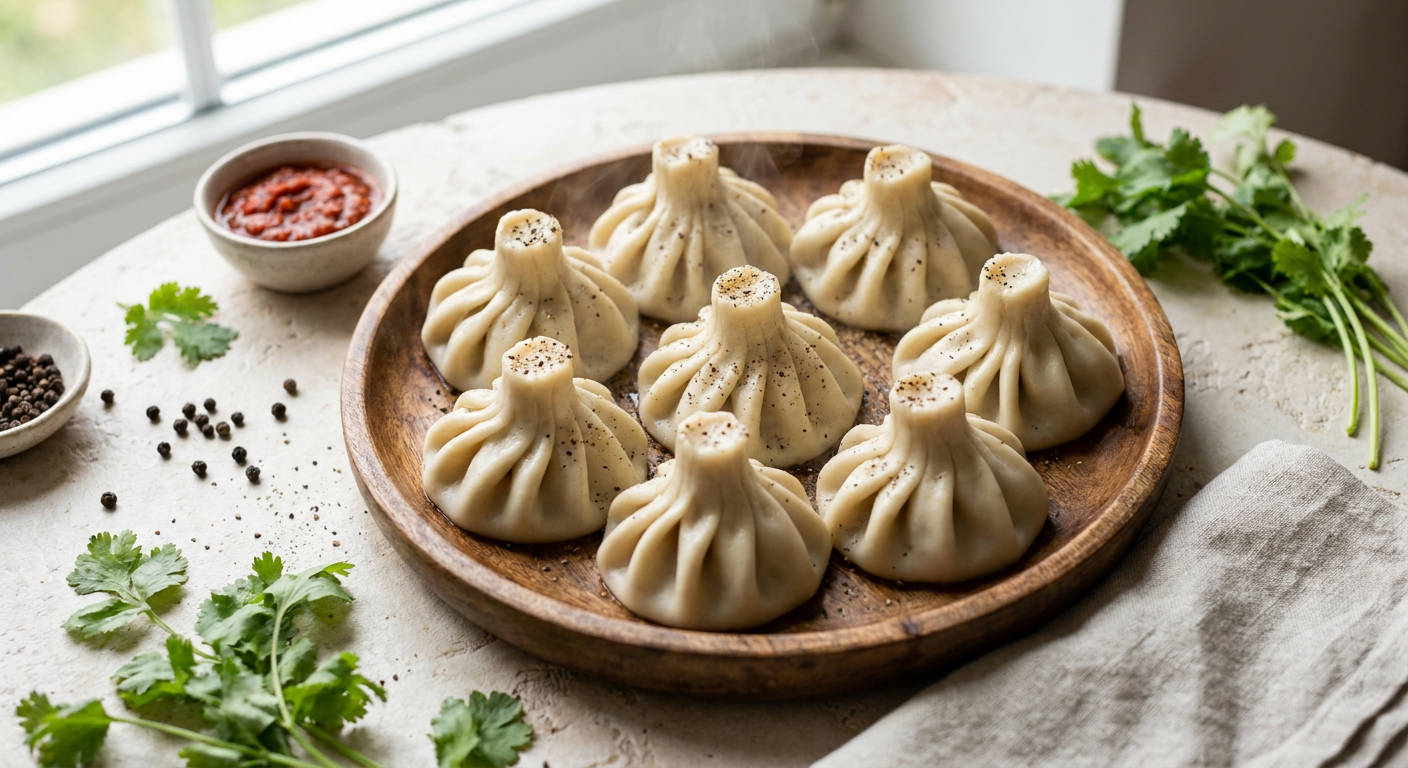
Authentic Georgian Khinkali: Spiced Meat Soup Dumplings
Learn to make authentic Georgian khinkali at home. This recipe features a firm, hand-pleated dough and a spiced beef-and-pork filling that creates a rich, savory broth inside.
 Dinner
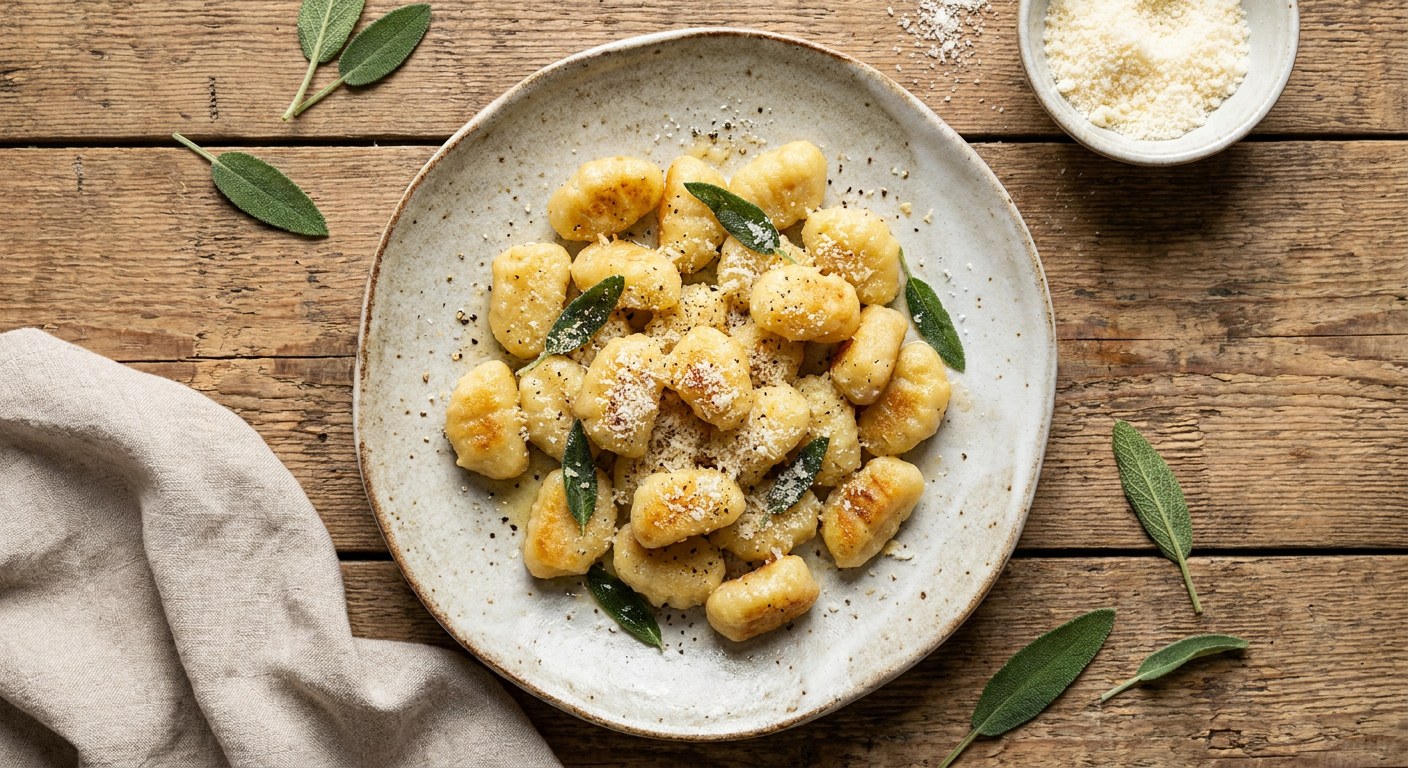
The Best Gnocchi Recipe for Pillowy Potato Dumplings
Master this authentic gnocchi recipe to create light, pillowy potato dumplings. Learn the secrets to avoiding gummy dough with riced russets and brown butter sage sauce.
 Dinner
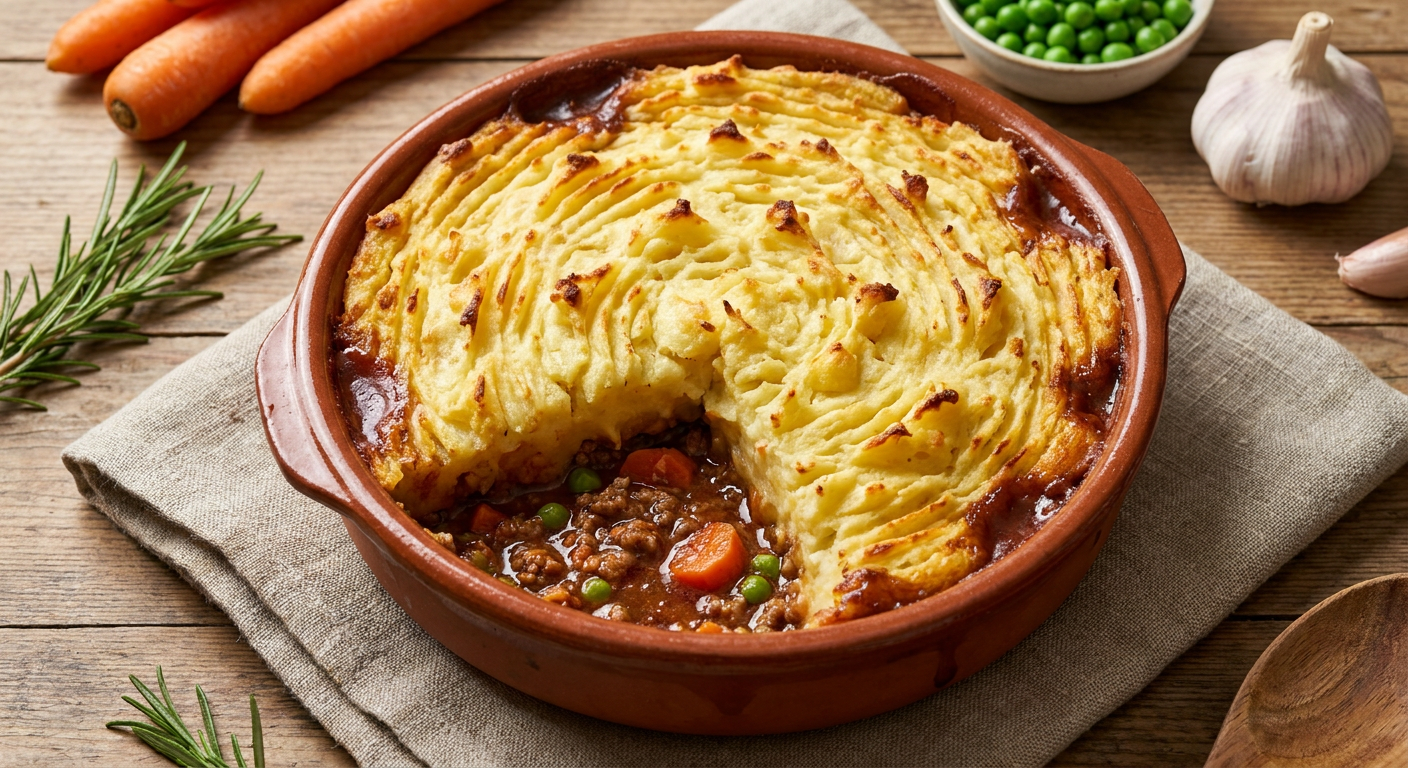
Proper Shepherd's Pie Recipe with Rich Lamb Gravy
This authentic shepherd's pie recipe features tender ground lamb in a rich red wine gravy, topped with buttery mashed potatoes forked into crispy golden ridges.
 Dinner
Creamy Dal Makhani Recipe with Smoky Ghee Tempering
This authentic dal makhani recipe yields restaurant-quality results at home. Simmer slow cooked urad dal and rajma into a rich, buttery, and smoky masterpiece.