Authentic Georgian Khinkali: Spiced Meat Soup Dumplings
Learn to make authentic Georgian khinkali at home. This recipe features a firm, hand-pleated dough and a spiced beef-and-pork filling that creates a rich, savory broth inside.
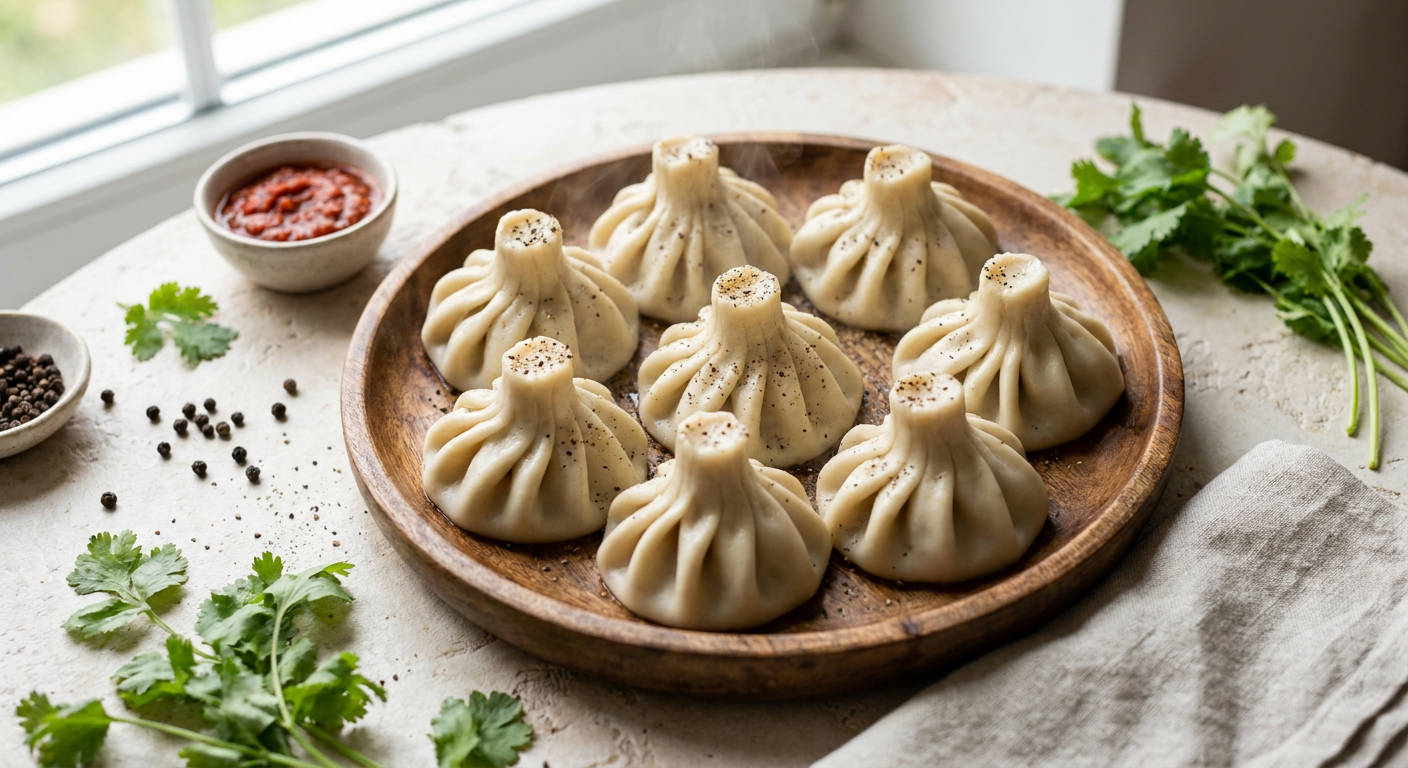

Mastering the art of Georgian khinkali is a rite of passage for any serious home cook interested in the crossroads of Europe and Asia. These iconic Georgian soup dumplings are defined by their thick, chewy topknots and a deeply spiced meat filling that releases a concentrated shot of broth as it boils.
Unlike their thinner-skinned cousins in the East, a proper khinkali recipe requires a stiff, unleavened dough that can withstand the pressure of the steam and the weight of the soup inside. The filling—traditionally a blend of beef and pork—is slackened with enough water or broth to create a loose batter, ensuring that every bite is as much about the liquid gold as it is about the meat.
Eating these is an interactive experience: you hold the dumpling by its pleated handle (the 'kudi'), flip it upside down, take a small bite of the dough, and slurp the soup before finishing the rest. Don't eat the handle; traditionally, it's left on the plate to count how many you've managed to conquer.
Ingredients
The Dough
- 500g (about 4 cups) all-purpose flour, plus extra for dusting
- 250ml (1 cup) cold water
- 1 teaspoon fine sea salt
The Filling
- 250g (9 oz) ground beef (80/20 fat ratio)
- 250g (9 oz) ground pork
- 1 large yellow onion, very finely minced or grated
- 3 cloves garlic, pressed
- 1 teaspoon ground caraway seeds
- 1/2 teaspoon red pepper flakes or Aleppo pepper
- 1/2 cup fresh cilantro, finely chopped
- 1 teaspoon salt
- 1/2 teaspoon freshly cracked black pepper
- 200ml to 250ml (approx. 1 cup) cold beef broth or water
Instructions
- 1
Mix the flour, salt, and 250ml water in a large bowl until a shaggy mass forms. Knead by hand for at least 10–12 minutes; the dough must be very stiff and smooth. Wrap in plastic and rest at room temperature for 45 minutes.
- 2
Combine the beef, pork, onion, garlic, caraway, pepper flakes, cilantro, salt, and pepper in a bowl. Mix thoroughly with your hands.
- 3
Gradually add the cold broth or water to the meat mixture, stirring constantly, until the meat is loose and has absorbed the liquid. It should look like a thick, wet batter—this is the secret to the soup inside.
- 4
Divide the rested dough into two pieces. On a lightly floured surface, roll the dough out to about 1/8 inch thickness. Use a 3-inch (7.5cm) circular cutter to stamp out rounds.
- 5
Roll each small round individually until it is very thin (about 1/16 inch), aiming for a diameter of 5–6 inches. The edges should be slightly thinner than the center.
- 6
Place 1 heaping tablespoon of the meat filling in the center of a dough circle.
- 7
Pleat the edges of the dough toward the center, creating small accordion-like folds. Aim for at least 15–19 pleats. Pinch the folds together at the top and twist to form a tight, sturdy knot. Trim any excess dough from the very top of the knot with a knife.
- 8
Bring a large pot of salted water to a rolling boil. Use a wooden spoon to create a gentle whirlpool in the water.
- 9
Drop the khinkali into the water one by one, knots facing up. Do not overcrowd the pot. The whirlpool prevents them from sticking to the bottom.
- 10
Boil gently for 8–10 minutes. The dumplings are ready when they flip over and float with the knots pointing downward.
- 11
Remove with a slotted spoon and transfer to a platter. Dust generously with coarse black pepper and serve immediately while piping hot.
Nutrition (per serving)
Estimates only — not medical or dietary advice.
- Calories
- 685 kcal
- Protein
- 31 g
- Carbs
- 94 g
- Fat
- 21 g
- Fiber
- 4 g
- Sugar
- 2 g
- Sodium
- 1280 mg
Tips
- → Do not skip the long kneading time; the gluten development is essential to prevent the dumplings from bursting while boiling.
- → Grating the onion instead of chopping it ensures the flavor is distributed evenly and the texture remains soft enough for the 'soup' effect.
- → When pleating, keep the meat filling away from the edges of the dough, or the seal will fail and the soup will leak out into the pot.
FAQ
Why does my khinkali dough keep tearing?
This usually happens if the dough hasn't been kneaded long enough or hasn't rested. A stiff, well-developed gluten structure is required to hold the heavy meat and liquid filling.
Can I make these ahead of time and freeze them?
Yes, but freeze them on a parchment-lined tray before they touch each other. Once solid, move to a bag. Boil directly from frozen for 12–15 minutes.
How do I eat Georgian khinkali without making a mess?
Hold the dumpling by the doughy knot (the handle). Take a small nibble from the side, slurp the broth out first, then eat the rest of the dumpling, leaving the knot on your plate.
What is the best meat ratio for the filling?
A 50/50 mix of beef and pork is traditional as it provides the perfect balance of flavor and fat, which is necessary for a rich broth.
You might also like
 Dinner
Authentic Swedish Meatballs with Rich Cream Gravy
Learn to make tender Swedish meatballs with a spiced panade and savory cream gravy. This classic recipe includes tips for the perfect sear and silky beef stock sauce.
 Dinner
Authentic Polish Pierogi Ruskie with Potato and Cheese
Learn to make authentic Polish pierogi with a soft sour cream dough and a savory potato cheese filling. Finished in brown butter and onions for the ultimate comfort meal.
 Dinner
Deeply Caramelized French Onion: The Best Soups for Winter
Warm up with this deeply caramelized French onion soup, one of the best soups for winter. Rich beef broth, dry sherry, and bubbling Gruyère make for the ultimate comfort meal.
 Dinner
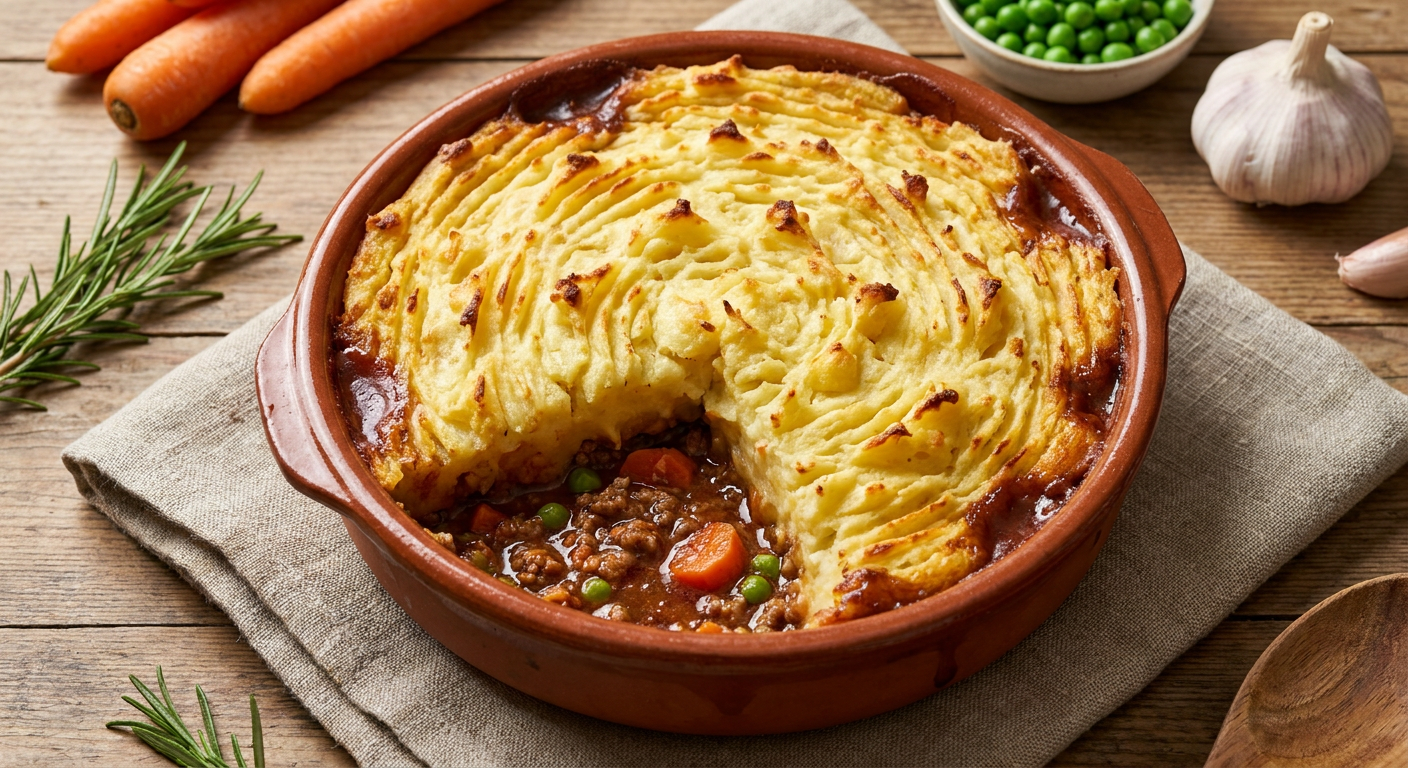
Proper Shepherd's Pie Recipe with Rich Lamb Gravy
This authentic shepherd's pie recipe features tender ground lamb in a rich red wine gravy, topped with buttery mashed potatoes forked into crispy golden ridges.