Authentic Nigerian Egusi Soup with Lumpy Melon Seeds
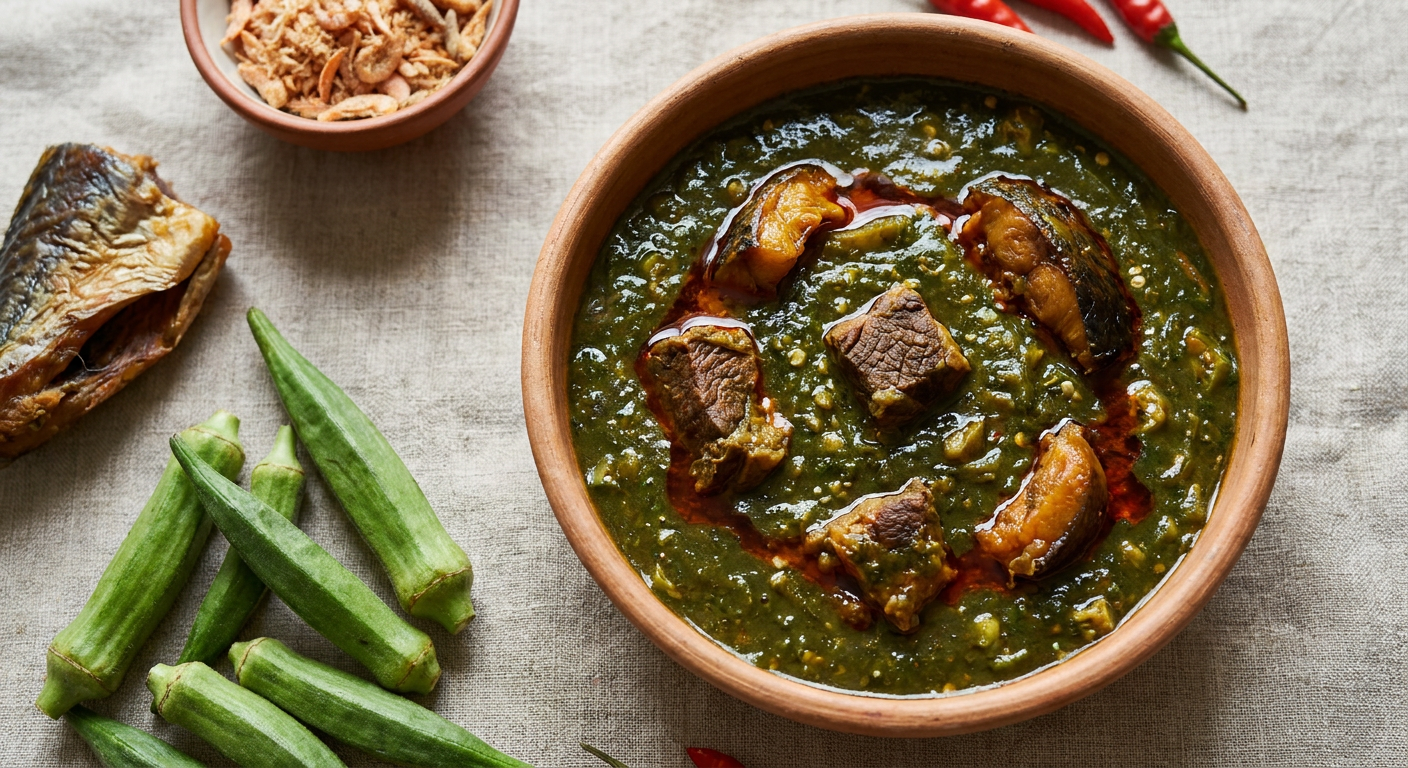
Learn to make authentic Nigerian egusi soup with rich palm oil, beef, and stockfish. This melon seed soup features fluffy curdled lumps and is served with pounded yam.
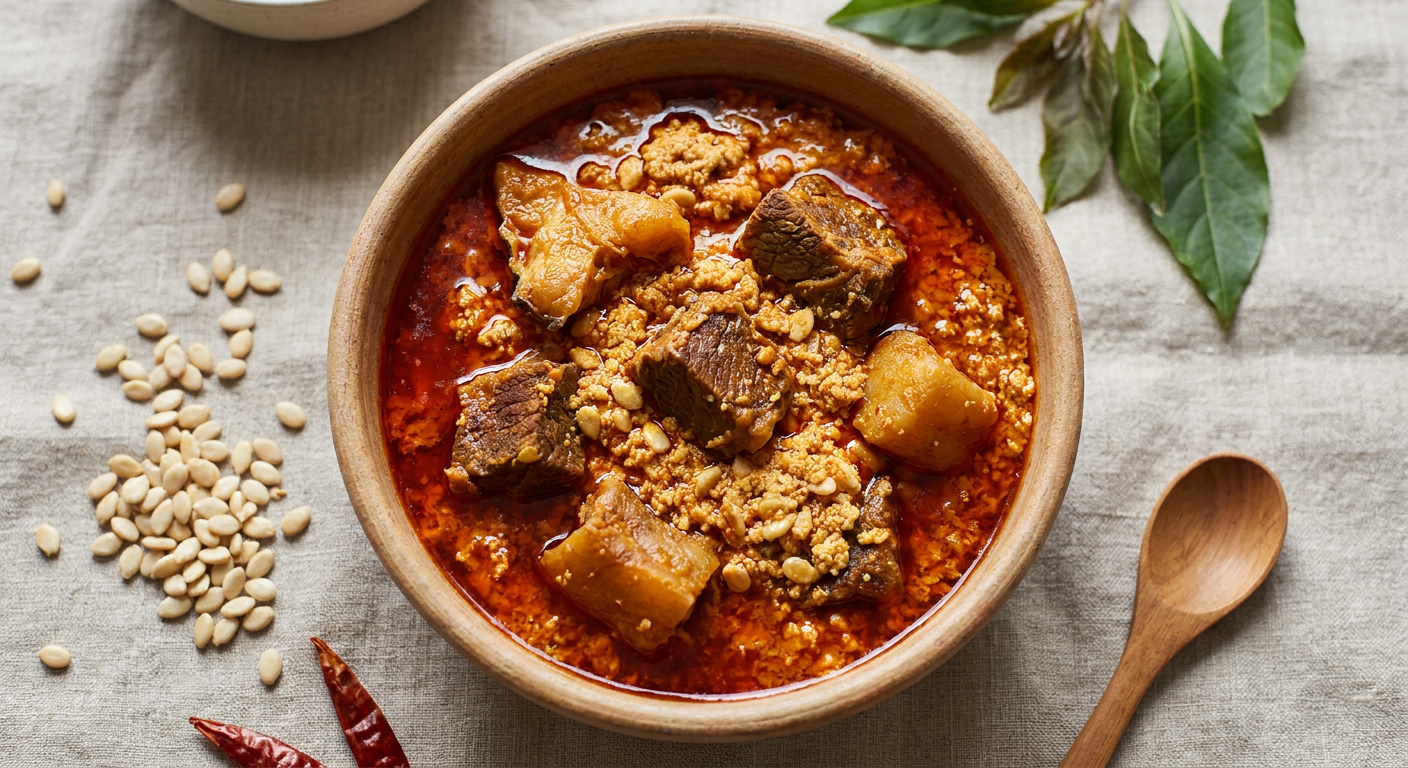

Nigerian egusi soup is the undisputed king of swallow accompaniments, beloved for its rich, nutty profile and distinct texture. This specific version uses the frying method, where ground melon seeds are toasted in palm oil to create the characteristic fluffy, protein-rich lumps that define a truly great bowl of soup.
While many variations exist, an authentic egusi soup recipe relies on the depth of flavor provided by fermented locust beans (iru) and the smokiness of dried fish. Whether you are using bitterleaf or spinach, the key is patience—allowing the melon seed soup to simmer until the oil separates, signaling that the flavors have fully melded.
Serve this hearty stew with smooth pounded yam or eba for a complete West African feast. It is a celebratory dish that brings a sense of home to any table, offering a perfect balance of savory fats, tender proteins, and vibrant greens.
Ingredients
The Proteins
- 900g (2 lbs) Beef chuck or goat meat, cut into bite-sized cubes
- 1 large piece Stockfish ear or head, soaked and cleaned
- 2 medium Dry fish (smoked catfish), deboned and washed
- 1 tablespoon Beef bouillon powder
- 1 teaspoon Salt
The Egusi Paste
- 300g (2.5 cups) Ground melon seeds (Egusi)
- 1 medium Onion, finely minced
- 60ml (1/4 cup) Water
The Base and Aromatics
- 240ml (1 cup) Red palm oil
- 2 tablespoons Fermented locust beans (Iru)
- 3 large Scotch bonnet peppers (Atarodo), blended
- 2 tablespoons Ground crayfish
- 200g Fresh bitterleaf (washed to remove bitterness) or chopped spinach
- 500ml (2 cups) Reserved meat stock
Instructions
- 1
Boil the beef and stockfish in a large pot with bouillon, salt, and half an onion until tender, reserving 2 cups of the resulting stock.
- 2
Mix the ground melon seeds with the minced onion and a splash of water in a small bowl to form a thick, gritty paste.
- 3
Heat the palm oil in a deep pot over medium heat for 2 minutes; do not let it smoke or bleach.
- 4
Scoop small tablespoons of the egusi paste into the hot oil, frying them gently without stirring for 3-5 minutes until they curdle into firm, yellow lumps.
- 5
Flip the lumps carefully with a wooden spoon to toast the other side, ensuring they stay intact.
- 6
Add the blended scotch bonnet peppers and fermented locust beans, stirring gently to avoid breaking the egusi lumps.
- 7
Pour in the reserved meat stock and bring the mixture to a slow simmer.
- 8
Add the cooked beef, stockfish, smoked dry fish, and ground crayfish to the pot.
- 9
Cover and simmer for 15-20 minutes until the oil begins to float on top of the soup.
- 10
Fold in the bitterleaf or spinach and cook for another 3-5 minutes until the greens are wilted but still vibrant.
- 11
Taste and adjust for salt, then remove from heat and serve hot with pounded yam.
Nutrition (per serving)
Estimates only — not medical or dietary advice.
- Calories
- 685 kcal
- Protein
- 48 g
- Carbs
- 12 g
- Fat
- 51 g
- Fiber
- 4 g
- Sugar
- 2 g
- Sodium
- 890 mg
Tips
- → To get those coveted large lumps, do not stir the soup immediately after adding the egusi paste to the oil; let it set like a poached egg.
- → If using fresh bitterleaf, wash it vigorously in multiple changes of water until the water runs clear and the leaves lose their intense sting.
- → The 'oil float' is your visual cue; if the palm oil hasn't risen to the top, the melon seeds aren't fully cooked and may cause an upset stomach.
- → For a deeper umami flavor, toast your ground crayfish in a dry pan for 60 seconds before adding it to the pot.
FAQ
Why does my egusi soup taste bitter?
Bitterness usually comes from improperly washed bitterleaf. If you aren't using bitterleaf, ensure your melon seeds are fresh, as ground egusi can turn rancid and bitter if stored too long at room temperature.
Can I make this without palm oil?
While palm oil provides the traditional color and earthy flavor, you can substitute with a neutral oil infused with annatto seeds, though the flavor profile will significantly change.
How do I get the egusi to form lumps?
The secret is the 'frying method.' By mixing the ground seeds into a thick paste with onions and dropping them into hot oil without stirring, the proteins coagulate into fluffy clusters.
Is egusi the same as pumpkin seeds?
No, egusi comes from a specific variety of fat-seeded melon (Mann's cucumeropsis). While they look similar to pepitas, pumpkin seeds have a different fat content and won't curdle the same way.
You might also like
 Soups
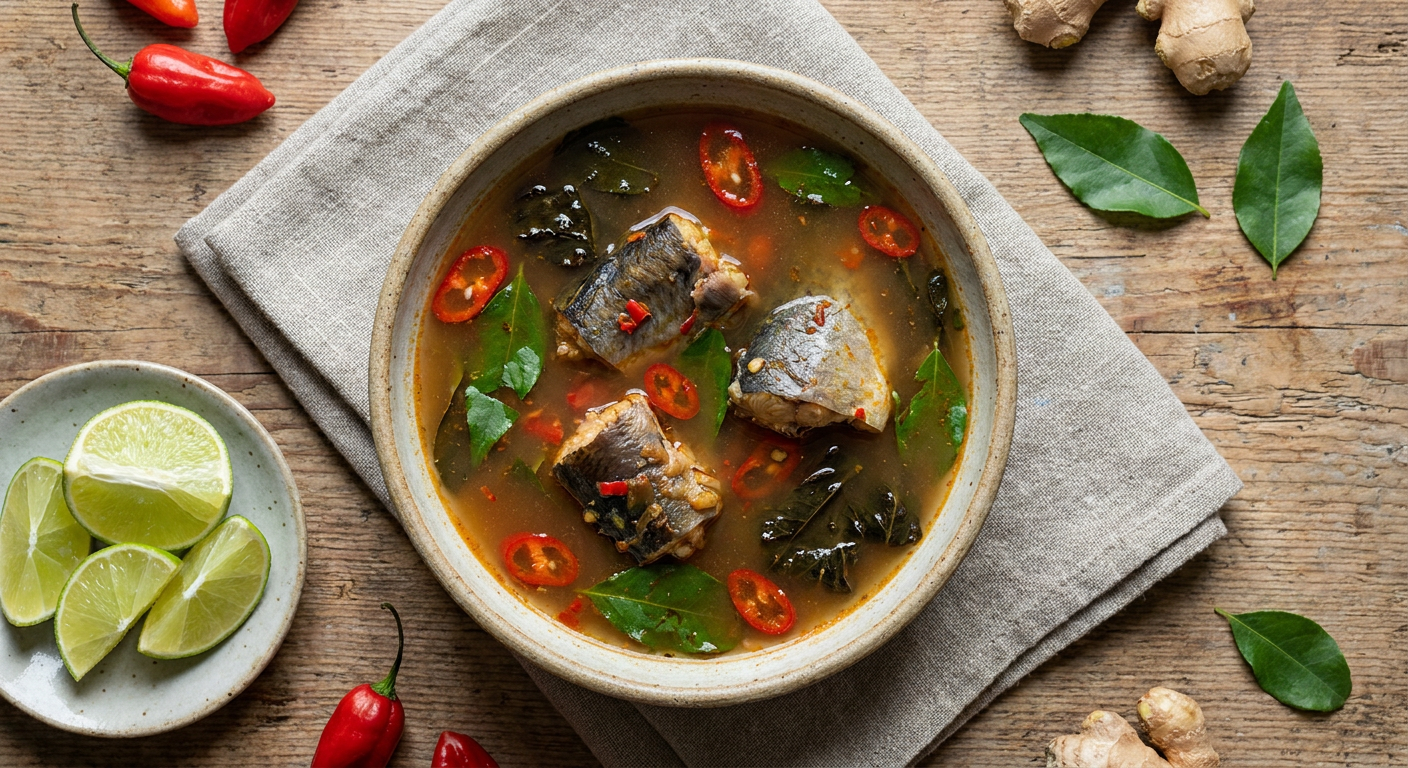
SoupsAuthentic Catfish Pepper Soup Recipe: Fiery and Fragrant
This authentic catfish pepper soup recipe delivers a clear, fiery broth infused with scent leaf and uziza. Learn the secret to cleaning fresh catfish for a perfect result.
 Soups
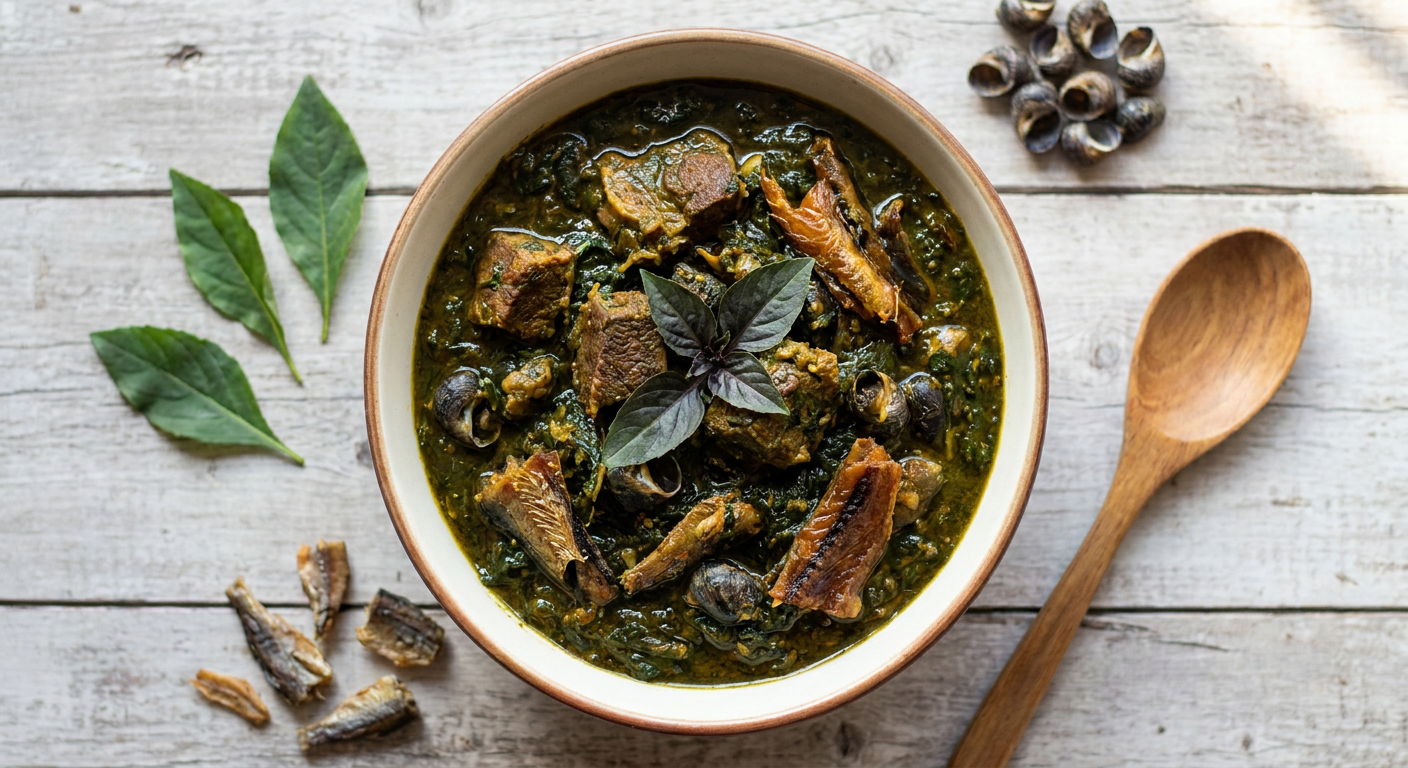
SoupsAuthentic Efik Afang Soup Recipe with Beef and Periwinkles
This authentic afang soup recipe features pounded okazi leaves and waterleaf for a rich, thick texture. Learn the Efik method with periwinkles and smoked fish.
 African
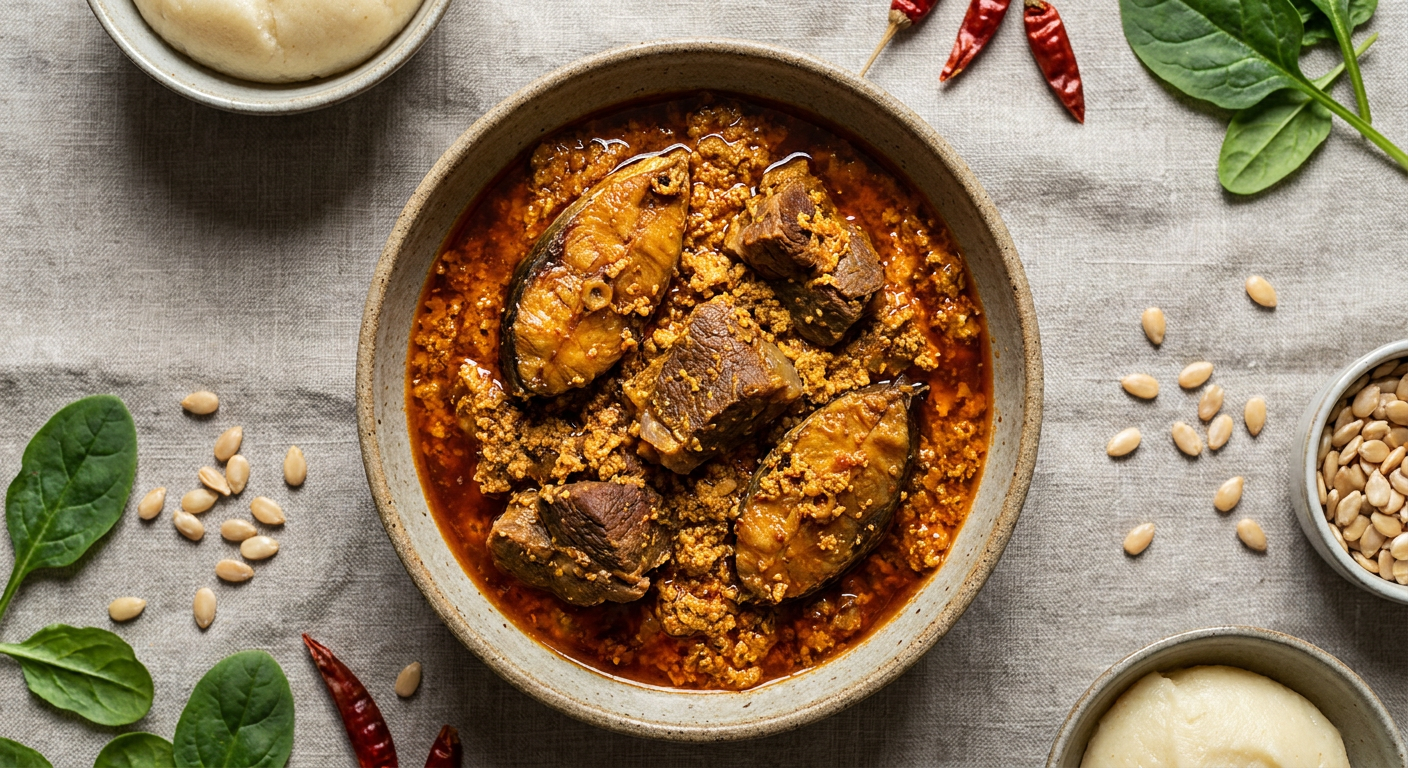
Authentic Nigerian Egusi Soup with Smoked Fish and Beef
Learn how to make authentic egusi soup at home. This Nigerian melon seed stew features toasted ground egusi, red palm oil, assorted meats, and vibrant greens.
 Dinner
Authentic Nigerian Okra Soup Recipe: Silky, Smoky, and Savory
Learn how to make a traditional Nigerian okra soup recipe with beef and smoked fish. This ila asepo guide ensures a silky draw without the slime, perfect for pounded yam.