Soft and Flaky Kenyan Chapati Recipe with Layered Dough
This authentic Kenyan chapati recipe creates soft, flaky flatbreads using a traditional coiling technique. Perfect for stews, these East African chapatis are a kitchen staple.
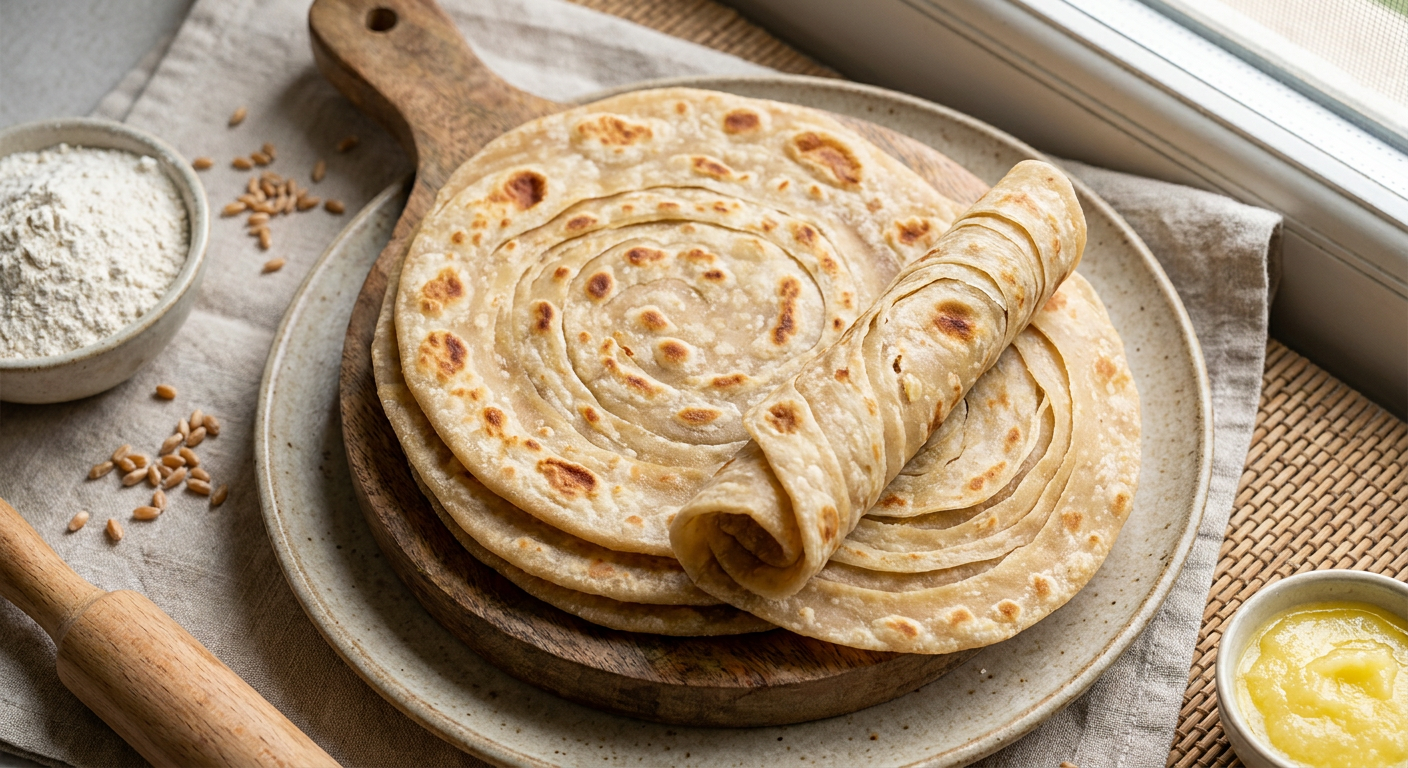

Mastering a Kenyan chapati recipe is a rite of passage for anyone who loves East African cuisine. Unlike the simpler Indian roti, these flatbreads are defined by their distinct, oily layers that pull apart with ease, making them the perfect vessel for soaking up rich stews like ndengu or beef stew.
The secret to a perfect soft layered chapati lies in the resting time and the coiling technique. By brushing the rolled dough with oil and rolling it into a snail-like shape before the final cook, you create air pockets that transform into flaky, golden strata on the pan.
Whether you call them East African chapati or simply 'chapo,' the goal is a bread that remains soft even after cooling. Follow this guide to achieve that signature spotted golden finish and a texture that is never tough or dry.
Ingredients
Dough
- 3 cups (375g) all-purpose flour, plus extra for dusting
- 1 teaspoon fine sea salt
- 1 tablespoon granulated sugar (optional, for browning)
- 1 cup (240ml) warm water
- 3 tablespoons vegetable oil (for the dough)
For Layering and Frying
- 1/2 cup vegetable oil or ghee, in a small bowl
Instructions
- 1
Whisk the flour, salt, and sugar together in a large mixing bowl until well combined.
- 2
Make a well in the center and pour in the warm water and 3 tablespoons of oil.
- 3
Mix by hand or with a sturdy spoon until a shaggy dough forms, then turn it out onto a lightly floured surface.
- 4
Knead the dough for 8–10 minutes until it is smooth, elastic, and no longer sticking to your hands; cover and let it rest for at least 30 minutes.
- 5
Divide the rested dough into 8 equal-sized balls.
- 6
Roll each ball into a very thin, wide circle using a rolling pin.
- 7
Brush the surface of the circle lightly with oil, then roll the dough up tightly like a cigar to form a long rope.
- 8
Coil the rope into a spiral (like a snail shell) and tuck the end underneath; let these coils rest for another 15 minutes covered with a damp cloth.
- 9
Roll each coil out again into a circle about 1/8 inch thick.
- 10
Place a skillet over medium heat and cook the chapati on a dry pan for 1 minute per side until small bubbles form and it looks set.
- 11
Drizzle a teaspoon of oil around the edges and under the chapati, pressing down with a spatula and rotating it until golden brown spots appear on both sides.
- 12
Stack the cooked chapatis in an insulated container or wrap them in clean kitchen towels to keep them soft through steaming.
Nutrition (per serving)
Estimates only — not medical or dietary advice.
- Calories
- 315 kcal
- Protein
- 5 g
- Carbs
- 36 g
- Fat
- 17 g
- Fiber
- 1 g
- Sugar
- 2 g
- Sodium
- 292 mg
Tips
- → Warm water is non-negotiable; it helps relax the gluten immediately, ensuring the bread doesn't turn out tough.
- → Do not skip the second rest after coiling the dough; if the dough springs back when you try to roll it out, it needs more time to relax.
- → Use a heavy-bottomed cast iron skillet if possible for even heat distribution and better browning.
- → Stacking the chapatis while hot is the 'secret' to softness; the residual steam softens the outer crust.
FAQ
Why is my chapati hard and crunchy?
Chapatis usually turn hard if the dough was too dry, if they were cooked for too long on low heat, or if they weren't wrapped immediately after cooking to trap the steam.
How do I get more layers in my chapati?
To maximize layers, roll the dough as thin as possible during the first step and ensure you apply a generous, even layer of oil before coiling it into a spiral.
Can I use whole wheat flour for this recipe?
Yes, but you may need slightly more water. A 50/50 mix of all-purpose and whole wheat (Atta) flour is common for a heartier flavor while maintaining softness.
You might also like
 Bread
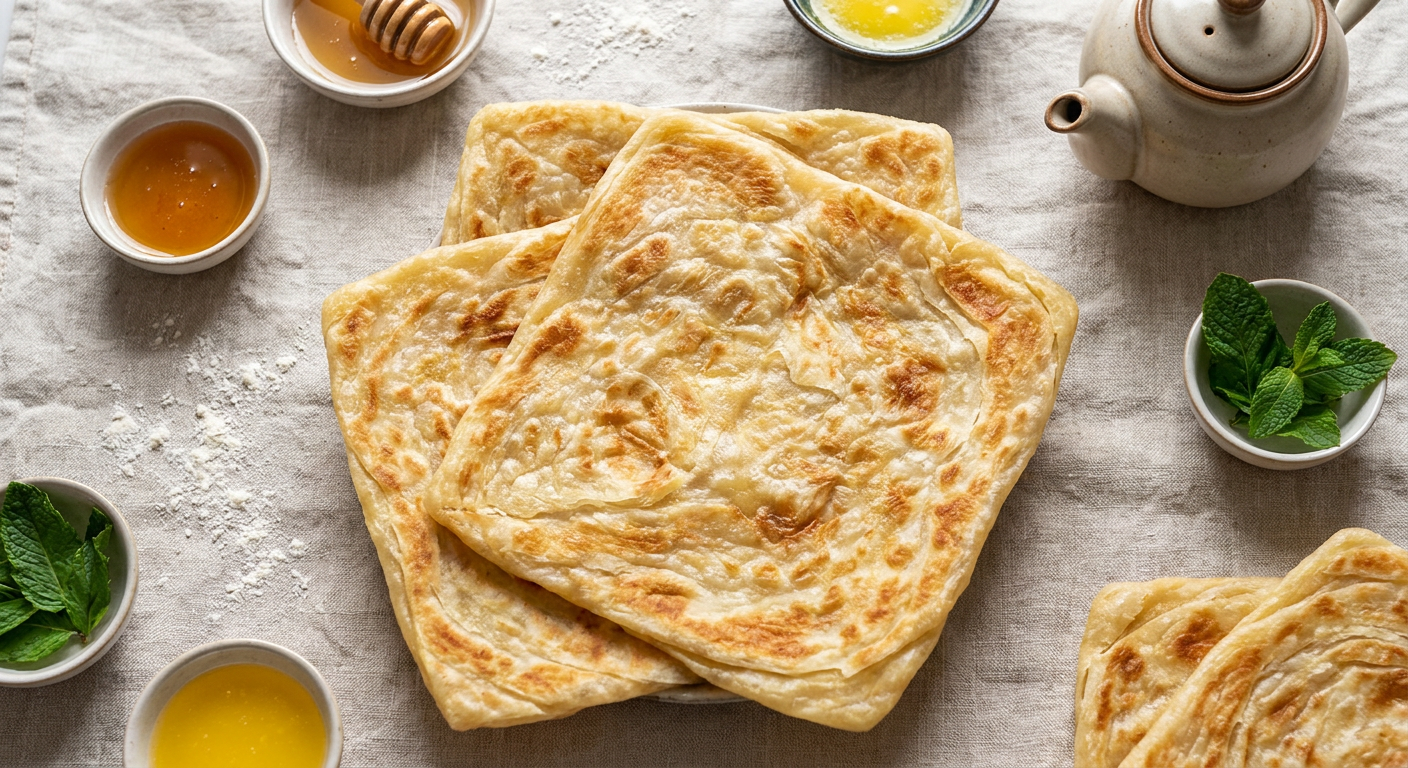
BreadAuthentic Moroccan Msemen: The Ultimate Flaky Square Flatbread
Learn to make authentic Moroccan msemen with this step-by-step guide. Master the art of folding this flaky Moroccan square flatbread for a perfect, shattering crunch.
 Dinner
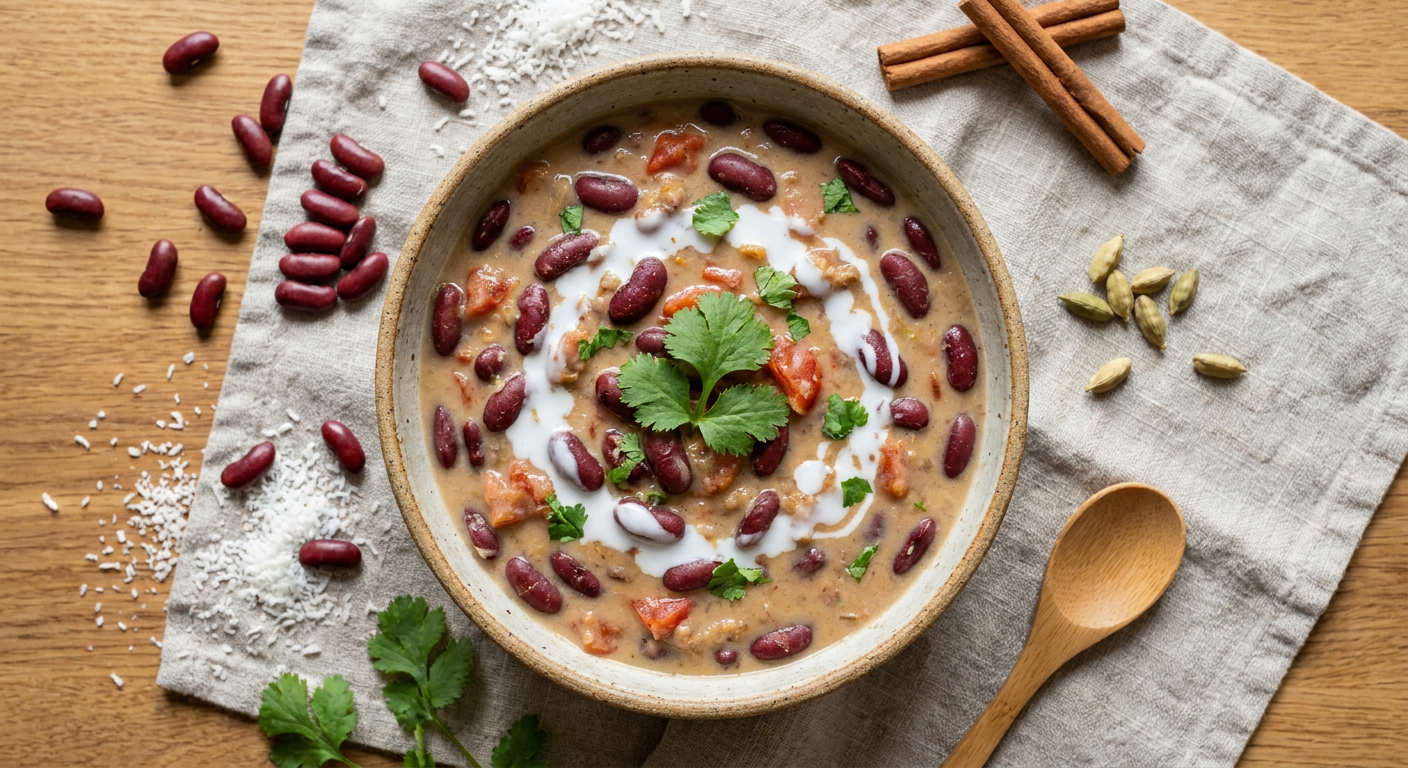
Creamy Maharagwe ya Nazi Recipe: Kenyan Coconut Beans
This authentic maharagwe ya nazi recipe simmers red kidney beans in rich coconut milk with Swahili spices for a creamy, comforting Kenyan bean stew.
 BreadAdvanced
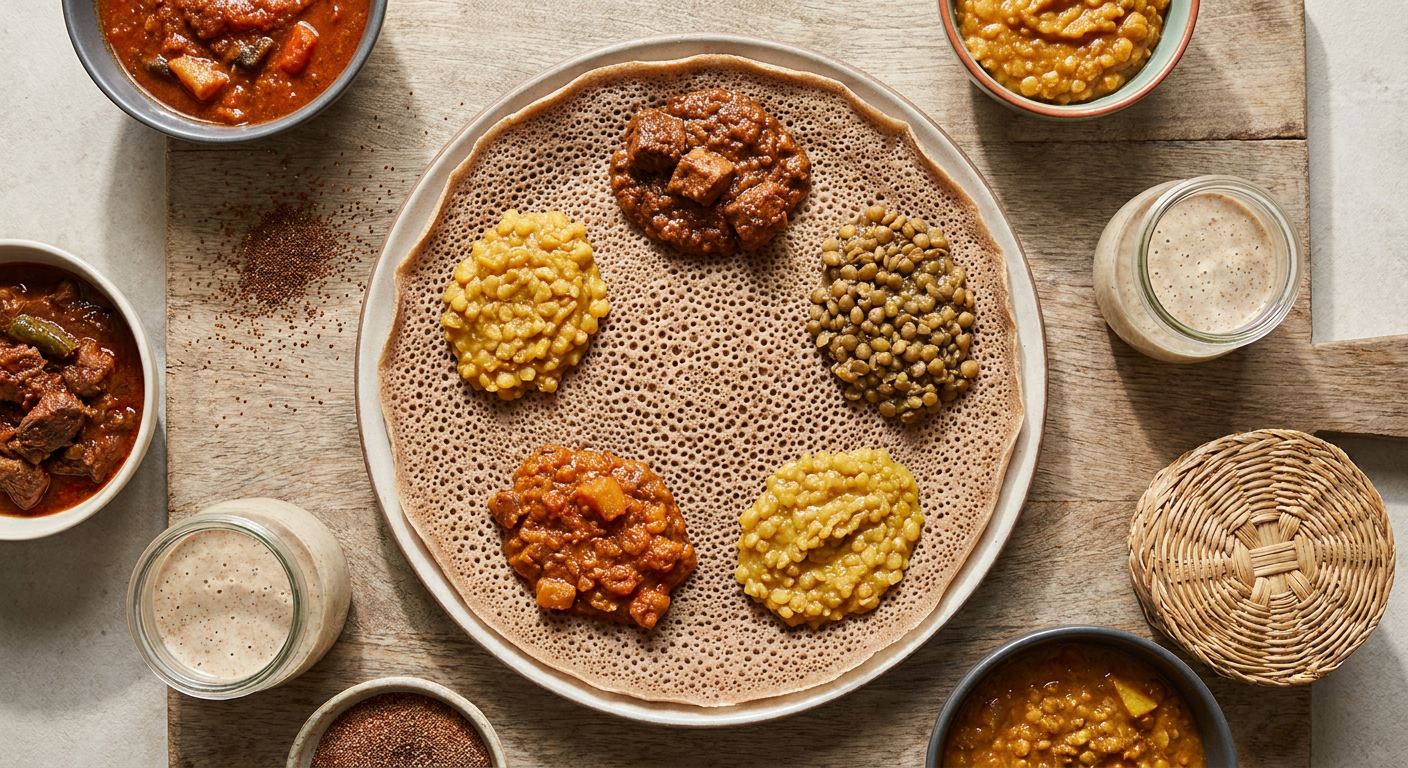
Authentic Injera Recipe: Fermented Teff Flatbread
Master this authentic injera recipe to create the perfect tangy, bubbly Ethiopian injera at home using a 24-hour teff fermentation and the traditional absit method.
 Bread
BreadMoist Banana Bread Recipe with 3 Bananas and Sugar Crust
This banana bread recipe with 3 bananas uses sour cream and melted butter for a moist, caramelized loaf. An easy one bowl banana bread with a crackly sugar top.