Authentic Indonesian Nasi Goreng with Fried Egg
Master this authentic Indonesian nasi goreng featuring day-old rice, savory shrimp paste, and sweet kecap manis, topped with a signature crispy fried egg.
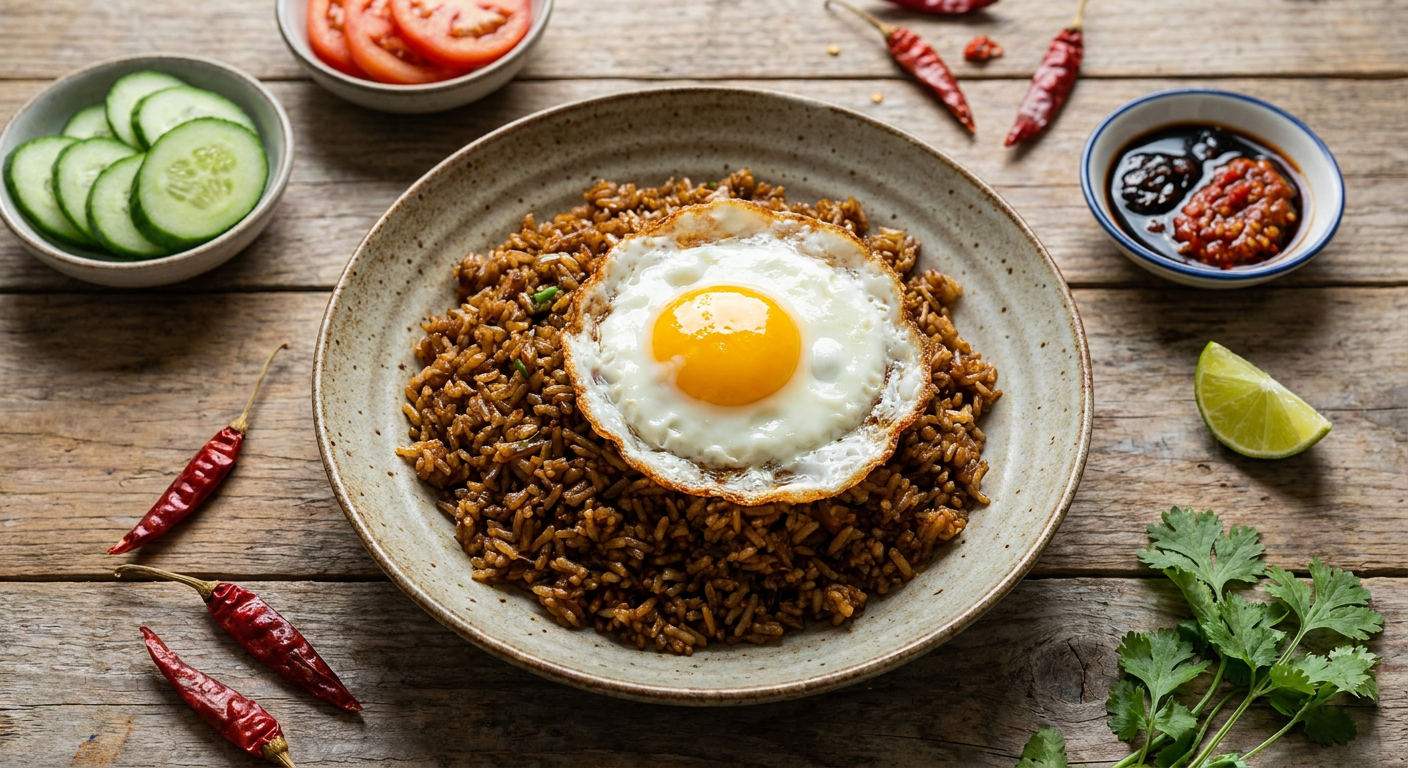

This Indonesian nasi goreng is the ultimate solution for leftover rice, transforming cold grains into a savory, smoky masterpiece. Unlike Chinese-style fried rice which relies heavily on soy sauce and toasted sesame oil, this version is defined by the deep, caramelized funk of kecap manis and a pungent hit of fermented shrimp paste.
To achieve the best results with this nasi goreng recipe, you need a blistering hot skillet and a traditional spice paste, or bumbu, made from pounded shallots, garlic, and chilies. The result is a plate of Indonesian fried rice that hits every flavor note: spicy, sweet, salty, and earthy.
We crown the dish with a 'telur ceplok'—a fried egg with edges so lacy and crisp they shatter, providing a rich yolk to coat the grains. Served alongside cool cucumber slices and a sprinkle of fried shallots, it is a complete meal that proves why it is one of the world's most beloved comfort foods.
Ingredients
The Bumbu (Spice Paste)
- 3 large shallots, roughly chopped
- 4 cloves garlic
- 2 red bird's eye chilies (adjust for heat preference)
- 1 teaspoon toasted shrimp paste (terasi or belacan)
- 1 tablespoon vegetable oil
The Rice and Seasoning
- 4 cups (600g) day-old cooked jasmine rice, cold
- 2 tablespoons vegetable oil
- 2 tablespoons kecap manis (Indonesian sweet soy sauce)
- 1 tablespoon thin soy sauce
- 2 green onions, sliced into 1-inch pieces
- 1/2 teaspoon kosher salt
- 1/4 teaspoon white pepper
For Serving
- 2 large eggs
- 1 Persian cucumber, sliced into rounds
- 2 tablespoons crispy fried shallots (bawang goreng)
- Fresh cilantro or lime wedges (optional)
Instructions
- 1
Prepare the spice paste by blending the shallots, garlic, chilies, and shrimp paste with 1 tablespoon of oil in a small food processor or mortar and pestle until a smooth paste forms.
- 2
Heat a wok or large heavy-bottomed skillet over high heat until wisps of smoke appear.
- 3
Add 1 tablespoon of oil to the wok and fry the eggs one at a time, spooning hot oil over the whites to create crispy, brown edges while keeping the yolk runny. Remove and set aside.
- 4
Clean the wok if necessary, then add the remaining tablespoon of oil over medium-high heat.
- 5
Sauté the spice paste for 2-3 minutes until the raw smell of the garlic disappears and the oil begins to separate from the solids.
- 6
Increase the heat to high and add the cold rice, breaking up any large clumps with the back of a spatula.
- 7
Drizzle the kecap manis and soy sauce over the rice, tossing constantly to ensure every grain is evenly coated and caramelized by the heat.
- 8
Season with salt, white pepper, and the sliced green onions, stir-frying for another 60 seconds until the rice is steaming and slightly charred.
- 9
Divide the rice between two plates and top each with a crispy fried egg.
- 10
Garnish with cucumber slices and a generous handful of fried shallots before serving immediately.
Nutrition (per serving)
Estimates only — not medical or dietary advice.
- Calories
- 785 kcal
- Protein
- 18 g
- Carbs
- 104 g
- Fat
- 33 g
- Fiber
- 3 g
- Sugar
- 15 g
- Sodium
- 1420 mg
Tips
- → Always use cold, day-old rice. Freshly cooked rice has too much moisture and will turn into a mushy clump rather than distinct, fried grains.
- → If you cannot find kecap manis, you can simulate it by simmering equal parts balsamic vinegar and brown sugar until syrupy, though the authentic bottle is worth the search.
- → Don't skip the shrimp paste; it provides the 'umami' backbone of the dish. If the smell is too strong for you, wrap it in foil and toast it in a dry pan for a minute before blending to mellow the aroma.
- → Ensure your wok is screaming hot before adding the rice to achieve 'wok hei' or the breath of the wok, which gives the rice its signature smoky flavor.
FAQ
Can I make Indonesian nasi goreng without shrimp paste?
You can, but you will lose the authentic depth of flavor. If you must skip it, substitute with a tablespoon of fish sauce or a teaspoon of miso paste for a similar savory fermented kick.
How do I prevent my rice from sticking to the pan?
Start with a very hot pan and enough oil. Also, ensure the rice is completely cold and the grains are separated before they hit the wok.
Why does my nasi goreng taste too sweet?
Kecap manis is quite sugary. If you prefer a saltier profile, reduce the kecap manis by half and increase the amount of regular soy sauce or add a pinch more salt.
What is the best type of rice to use?
Long-grain jasmine rice is the standard. Its floral aroma and firm texture when cold make it perfect for stir-frying.
You might also like
 Dinner
Better Than Takeout Chicken Fried Rice Recipe
Master this chicken fried rice at home. Featuring velveted chicken, day-old jasmine rice, and a high-heat wok sear, it is better than takeout and ready in 20 minutes.
 DinnerAdvanced
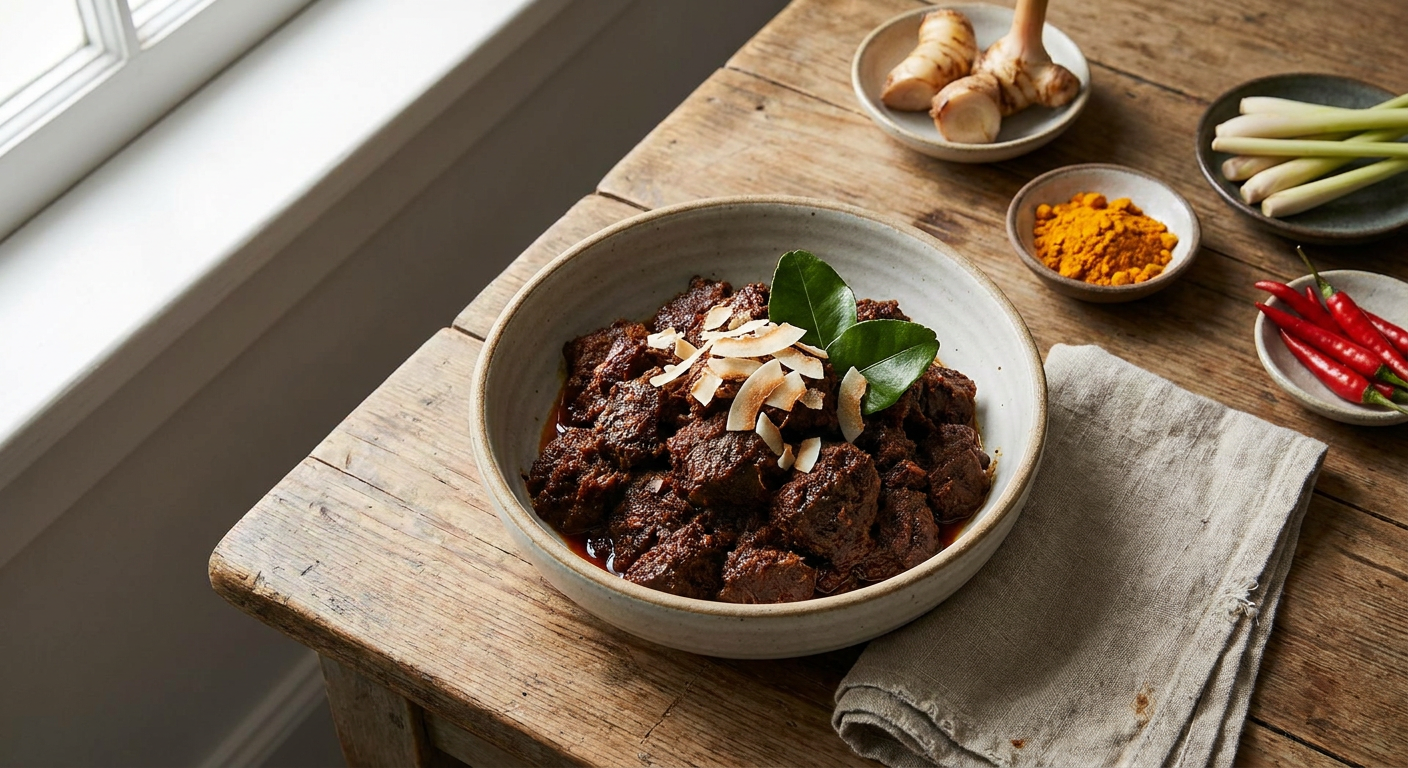
Indonesian Beef Rendang: Authentic Slow-Braised Dry Curry
Master this authentic Indonesian beef rendang recipe. Slow-simmered in coconut milk and spices until dark, dry, and incredibly tender. A true labor of love.
 Dinner
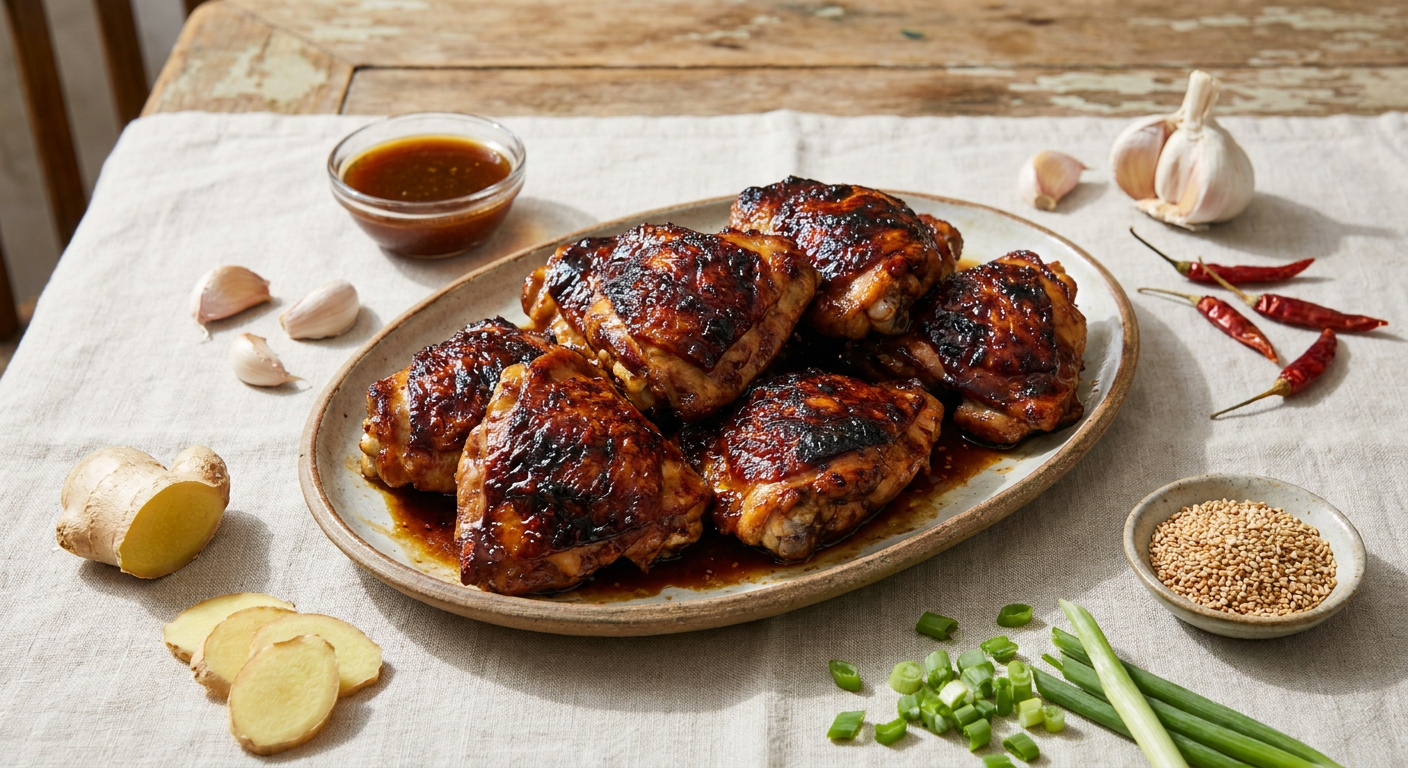
Sticky Honey Garlic Chicken Thighs (Extra Crispy Skin)
These honey garlic chicken thighs are roasted until the skin is shatteringly crisp, then finished with a sticky, glossy garlic glaze. A simple, one-pan dinner.
 Dinner
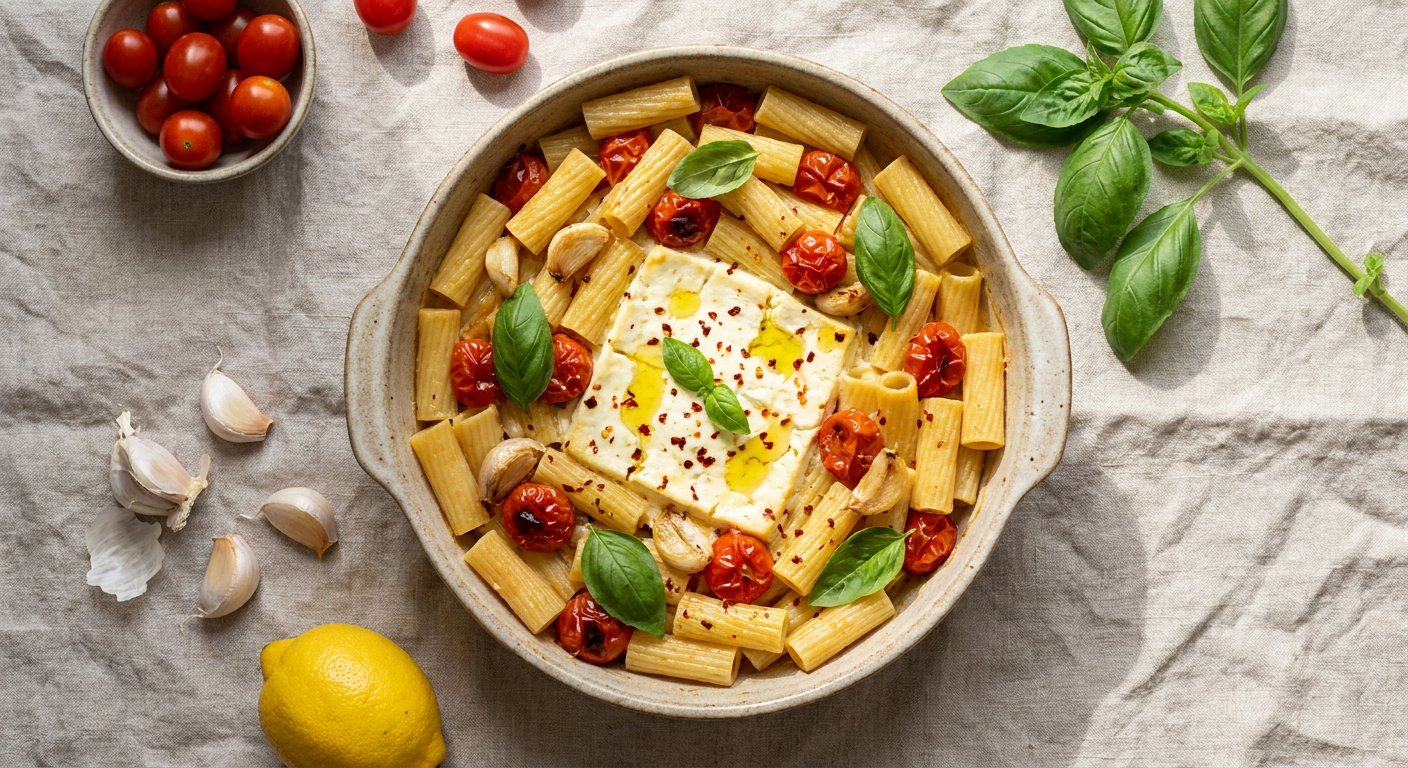
Creamy Baked Feta Pasta with Blistered Cherry Tomatoes
This upgraded baked feta pasta features a block of Greek feta, blistered cherry tomatoes, and garlic roasted at 400°F into a rich, creamy sauce with lemon and basil.