Authentic Ethiopian Misir Wot (Spicy Red Lentil Stew)
Make authentic Ethiopian misir wot at home. This protein-packed red lentil stew features slow-cooked onions, berbere spice, and silky lentils for a perfect vegan dinner.
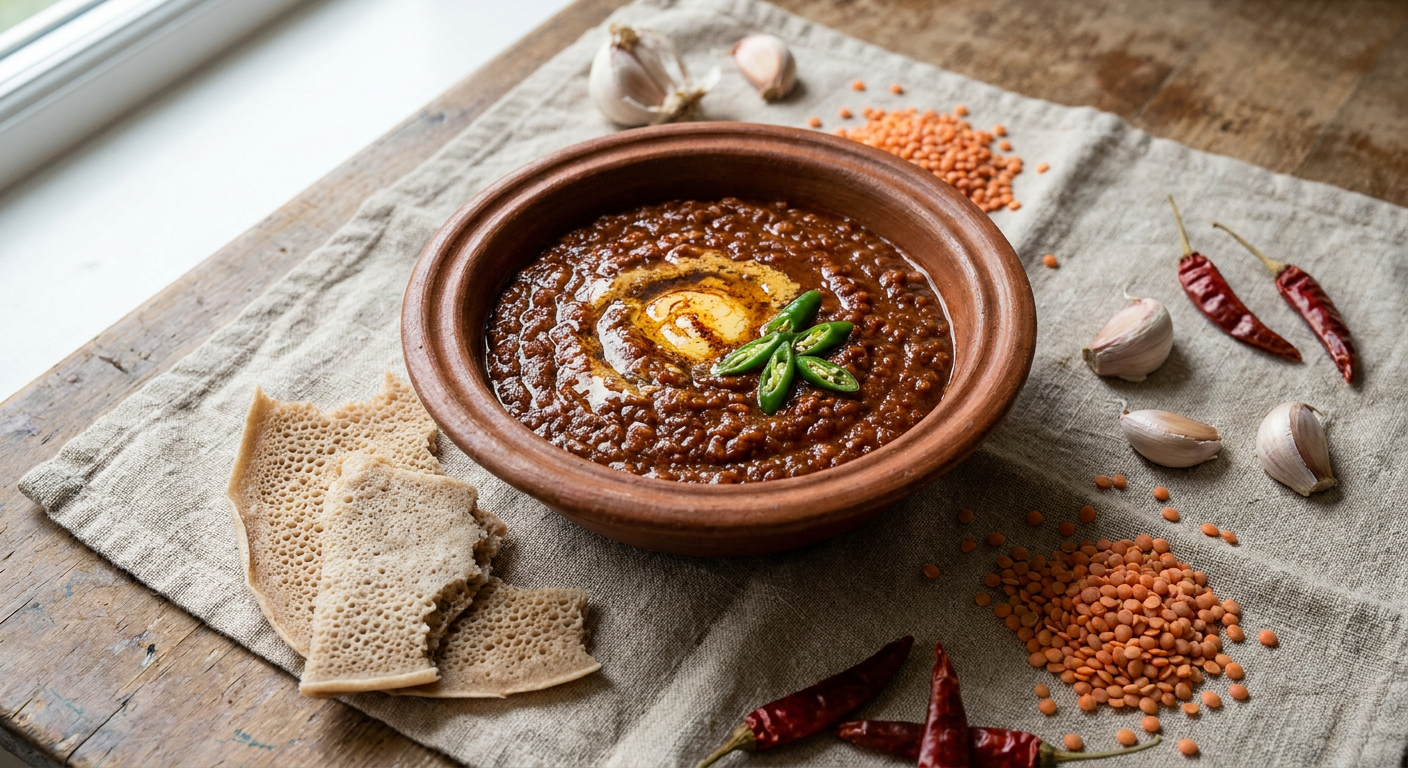

A proper Ethiopian misir wot is a masterclass in building flavor from the ground up. This traditional dish starts with finely minced onions that are dry-cooked for nearly twenty minutes until they collapse into a sweet, jammy base, providing a depth that oil alone can't achieve.
This misir wot recipe relies on two essential pillars of Ethiopian red lentil stew: berbere spice and niter kibbeh. The berbere provides a complex, smoky heat, while the spiced butter (or oil for a vegan version) blooms the spices into a rich, brick-red sauce that coats every tender lentil.
The result is a silky, savory stew that is naturally freezer-friendly and best enjoyed the traditional way—scooped up with pieces of tangy, fermented injera bread. It is comfort food that feels both exotic and deeply familiar.
Ingredients
The Base
- 2 large red onions, very finely minced (roughly 3 cups)
- 3 tablespoons niter kibbeh (Ethiopian spiced butter) or extra virgin olive oil for vegan
- 3 tablespoons berbere spice blend (adjust to your heat preference)
- 1 tablespoon garlic paste
- 1 tablespoon ginger paste
The Stew
- 1.5 cups (300g) split red lentils, rinsed thoroughly
- 3 cups (710ml) vegetable broth or water
- 1 tablespoon tomato paste
- 1 teaspoon salt, plus more to taste
- Freshly ground black pepper
Instructions
- 1
Place the minced onions in a heavy-bottomed pot or Dutch oven over medium heat without any oil or water.
- 2
Cook the onions dry for 15–20 minutes, stirring frequently to prevent burning, until they have lost their moisture and turned deep purple and translucent.
- 3
Add the niter kibbeh (or oil) to the pot and stir to coat the onions, cooking for another 5 minutes until fragrant.
- 4
Stir in the berbere spice and tomato paste, allowing them to 'bloom' in the fat for 2–3 minutes until the mixture turns a dark, brick-red color.
- 5
Add the garlic and ginger pastes and cook for 1 minute more until the raw aroma dissipates.
- 6
Pour in the rinsed red lentils and stir well to ensure every lentil is coated in the spicy onion base.
- 7
Add the broth or water and bring the mixture to a gentle boil, then reduce the heat to low.
- 8
Simmer uncovered for 25–30 minutes, stirring occasionally to prevent the lentils from sticking to the bottom, until the lentils are soft and the stew has thickened.
- 9
Add a splash of water if the stew becomes too thick before the lentils are fully tender; the final texture should be like a thick porridge.
- 10
Season with salt and pepper to taste, and finish with an extra teaspoon of kibbeh or oil for a glossy sheen before serving.
Nutrition (per serving)
Estimates only — not medical or dietary advice.
- Calories
- 385 kcal
- Protein
- 21 g
- Carbs
- 54 g
- Fat
- 11 g
- Fiber
- 14 g
- Sugar
- 6 g
- Sodium
- 890 mg
Tips
- → Don't rush the dry-cooking of the onions; this stage creates the foundational sweetness that balances the intense heat of the berbere.
- → If you want a truly silky texture, you can use a whisk to vigorously stir the lentils toward the end of cooking to break some of them down.
- → Berbere spice blends vary wildly in heat; if you are sensitive to spice, start with 1.5 tablespoons and work your way up.
- → Misir wot tastes even better the next day after the spices have had time to settle and penetrate the lentils.
FAQ
Can I make this recipe vegan?
Absolutely. Simply swap the niter kibbeh for a high-quality extra virgin olive oil or a vegan spiced butter alternative. The flavor will still be incredible.
Why does my misir wot taste bitter?
Bitterness usually comes from burning the berbere spice or the garlic. Ensure you keep the heat at medium-low when blooming the spices and have your liquid ready to pour in immediately.
How do I store and reheat leftovers?
Store in an airtight container in the fridge for up to 5 days or freeze for up to 3 months. Reheat on the stove with a splash of water to loosen the texture.
What if I can't find injera?
While injera is traditional, you can serve this with basmati rice, warm pita bread, or even sourdough toast in a pinch.
You might also like
 Dinner
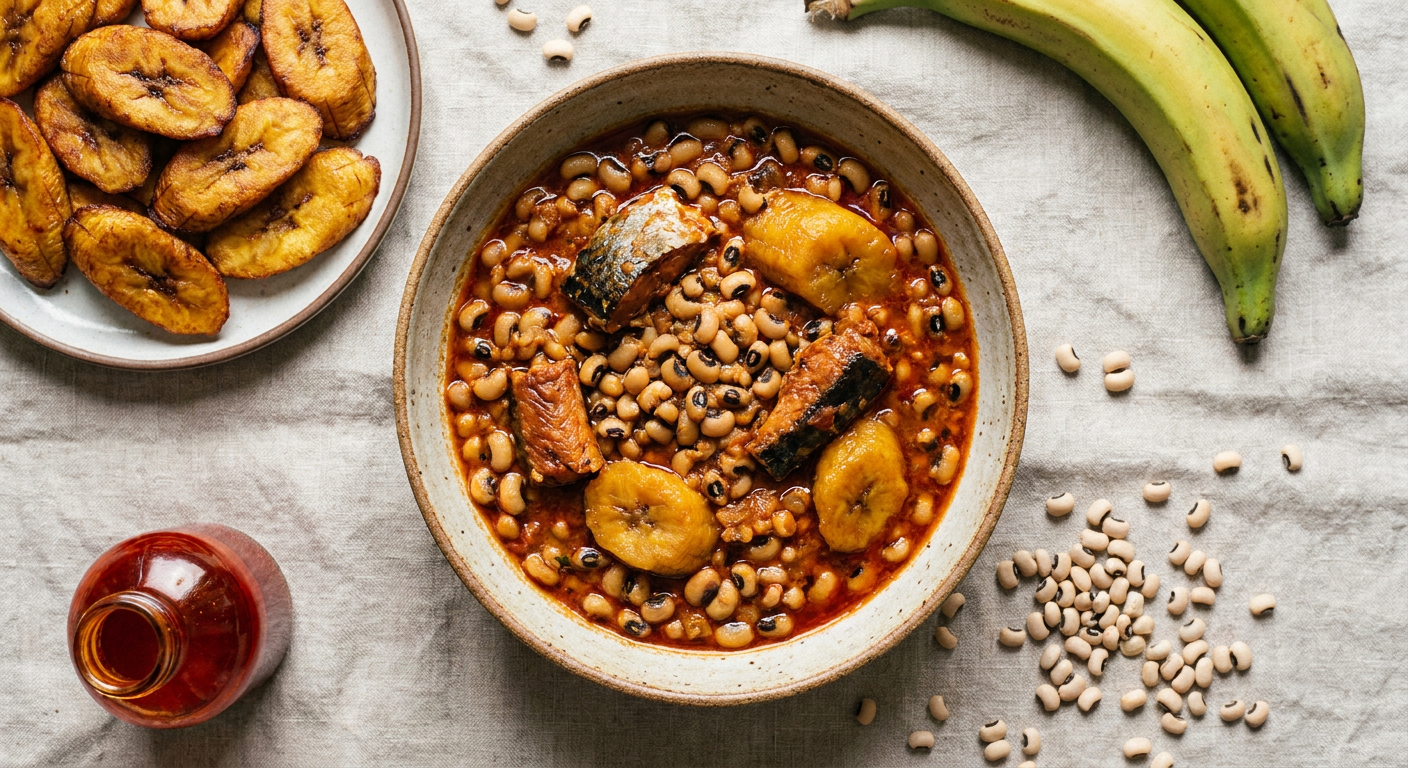
Authentic Ghanaian Red Red (Bean Stew with Fried Plantains)
This authentic Ghanaian red red is a smoky, savory black-eyed pea stew cooked in palm oil and served with sweet fried plantains. A naturally vegan, protein-packed comfort meal.
 Dinner
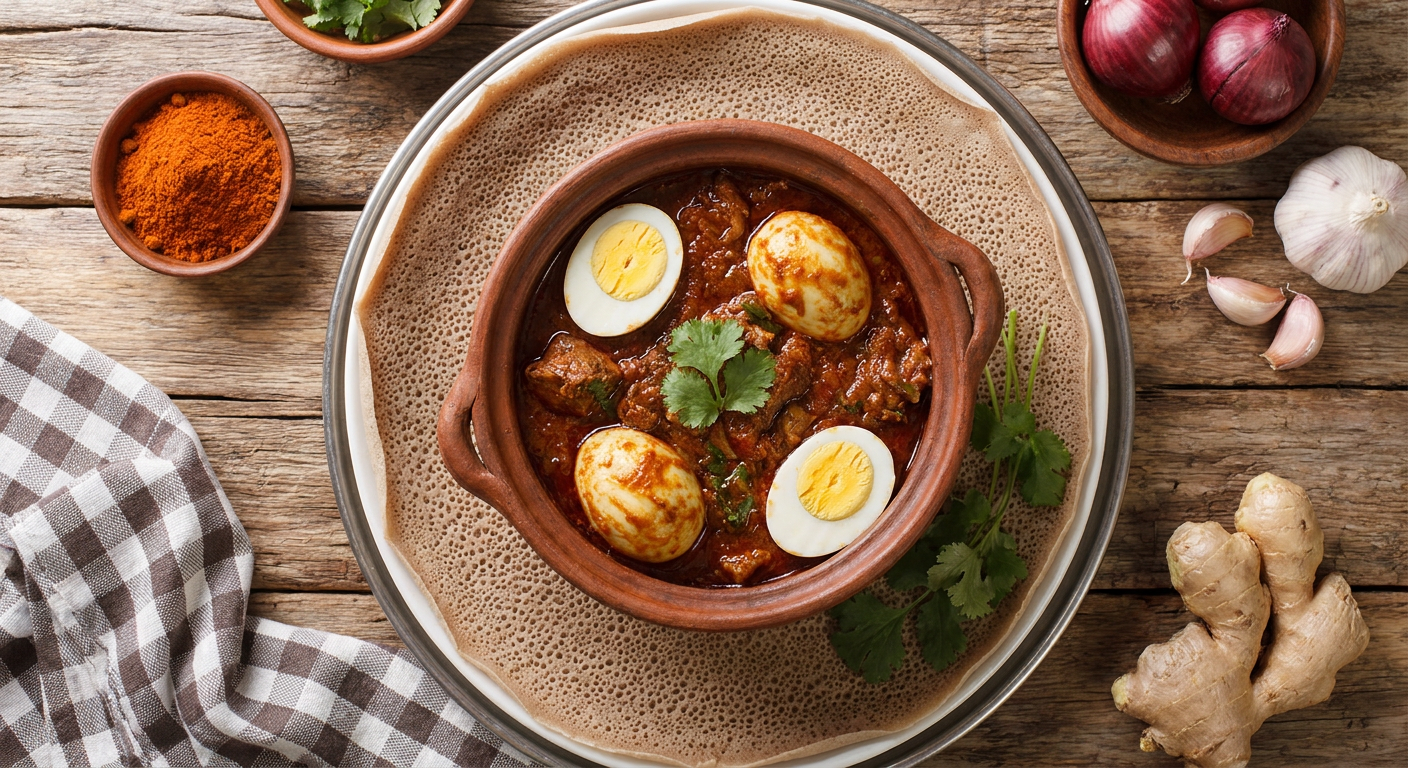
Authentic Ethiopian Doro Wat (Spicy Chicken Stew)
Master the art of Ethiopian doro wat. A rich, slow-cooked Ethiopian chicken stew recipe featuring hand-rendered niter kibbeh, bold berbere spice, and jammy caramelized onions.
 Soups
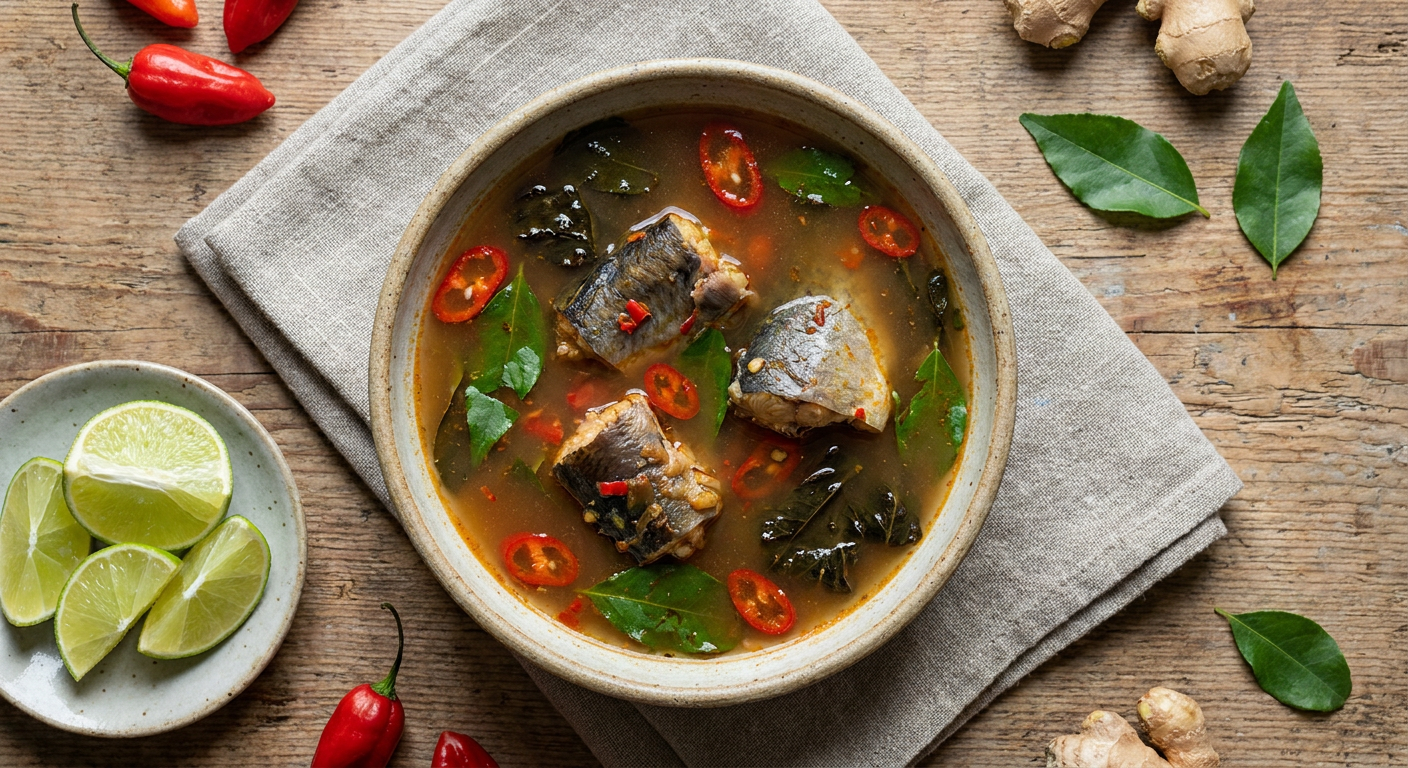
SoupsAuthentic Catfish Pepper Soup Recipe: Fiery and Fragrant
This authentic catfish pepper soup recipe delivers a clear, fiery broth infused with scent leaf and uziza. Learn the secret to cleaning fresh catfish for a perfect result.
 Soups
SoupsLoaded Baked Potato Soup with Bacon and Cheddar
This loaded baked potato soup is thick, creamy, and packed with russet potatoes, sharp cheddar, and crispy bacon. The ultimate comfort food in a single bowl.