Authentic Ethiopian Doro Wat (Spicy Chicken Stew)
Master the art of Ethiopian doro wat. A rich, slow-cooked Ethiopian chicken stew recipe featuring hand-rendered niter kibbeh, bold berbere spice, and jammy caramelized onions.
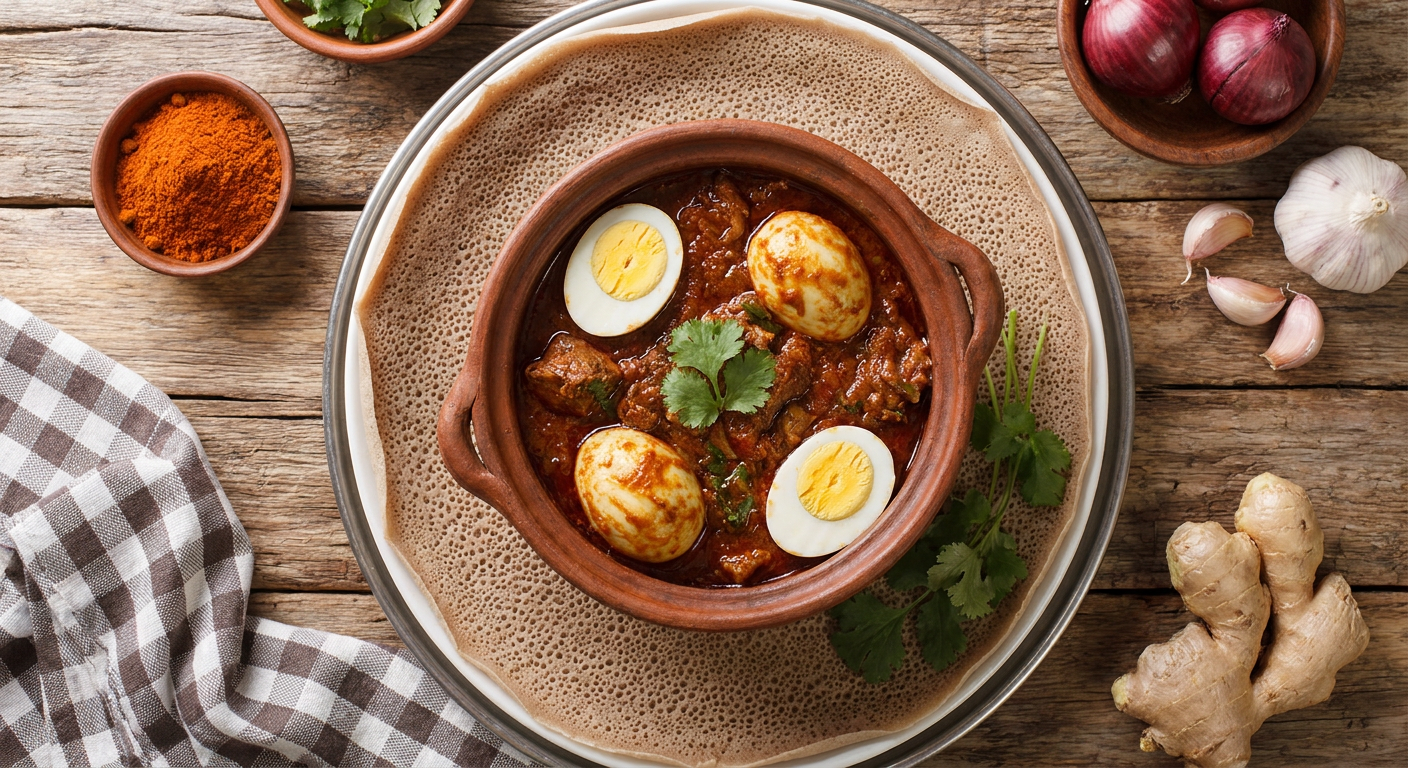

Making an authentic Ethiopian doro wat is a lesson in patience and the transformative power of the humble onion. This isn't a quick weeknight curry; it is a celebrated, deep-red celebration stew that relies on a mountain of finely minced onions being dry-cooked for nearly an hour until they melt into a thick, savory jam.
The soul of this doro wat with berbere lies in the interplay between the heat of the spice blend and the richness of niter kibbeh (spiced clarified butter). By simmering bone-in chicken legs and whole hard-boiled eggs in this concentrated base, you develop a complexity that is simultaneously earthy, spicy, and sweet. Serve it with plenty of sourdough injera to scoop up every drop of the sauce.
While many versions take shortcuts, our Ethiopian chicken stew recipe respects the traditional method of slow-reduction. The result is a glossy, mahogany sauce that coats the meat and eggs perfectly, offering a heat that builds slowly rather than stinging the palate.
Ingredients
The Stew Base
- 2.5 lbs (1.1kg) red onions, processed into a fine mince or paste
- 1/2 cup (115g) niter kibbeh (Ethiopian spiced clarified butter)
- 1/2 cup (60g) berbere spice blend
- 2 tablespoons garlic, minced
- 1 tablespoon fresh ginger, grated
- 1 teaspoon salt, plus more to taste
- 1 cup water or chicken stock
Protein and Finishing
- 3 lbs (1.4kg) chicken drumsticks and thighs, skin removed
- 2 tablespoons fresh lemon juice
- 6 hard-boiled eggs, peeled
- 1/2 teaspoon mekelesha (optional finishing spice blend)
Instructions
- 1
Place the minced onions in a large, heavy-bottomed Dutch oven over medium-low heat without any oil or water.
- 2
Cook the onions for 45 to 60 minutes, stirring frequently; they should steam in their own juices and eventually turn a deep, translucent gold without burning.
- 3
Add the niter kibbeh once the onions have reduced significantly and lost their raw smell, stirring until the butter is fully melted and incorporated.
- 4
Stir in the berbere spice blend and continue to cook for another 10-15 minutes on low heat, allowing the spices to bloom in the fat until the mixture turns a dark mahogany red.
- 5
Add the garlic, ginger, and salt, sautéing for 2 minutes until fragrant.
- 6
Toss the chicken pieces with lemon juice in a bowl while the aromatics cook, then add the chicken to the pot.
- 7
Pour in the water or stock, cover the pot, and simmer on low heat for 40-50 minutes until the chicken is tender and pulling away from the bone.
- 8
Use a knife to make small vertical slits in the boiled eggs and gently nestle them into the stew during the last 10 minutes of cooking.
- 9
Adjust the seasoning with more salt or a pinch of mekelesha if using, and serve warm with fresh injera.
Nutrition (per serving)
Estimates only — not medical or dietary advice.
- Calories
- 615 kcal
- Protein
- 48 g
- Carbs
- 18 g
- Fat
- 39 g
- Fiber
- 5 g
- Sugar
- 7 g
- Sodium
- 840 mg
Tips
- → Don't rush the onions. If they begin to stick or brown too quickly before they’ve broken down, add a tablespoon of water at a time to deglaze the pot.
- → Remove the chicken skin. Traditional doro wat uses skinless chicken to allow the sauce to penetrate the meat and to keep the stew from becoming overly greasy.
- → Score the eggs. Making tiny slits in the hard-boiled eggs allows the spicy sauce to seep into the whites, flavoring them all the way through.
FAQ
Can I use regular butter instead of niter kibbeh?
You can use ghee as a substitute, but niter kibbeh contains specific spices like besobela and koseret that give doro wat its unique aroma. If using ghee, add a pinch of cardamom and fenugreek.
Why does my doro wat taste bitter?
Bitterness usually comes from burning the berbere or not cooking the onions long enough. Ensure the heat is low when the spices are added and stir constantly.
How do I make the stew less spicy?
The heat comes from the berbere. You can reduce the berbere to 1/4 cup and replace the remaining volume with paprika to maintain the red color with less fire.
You might also like
 Dinner
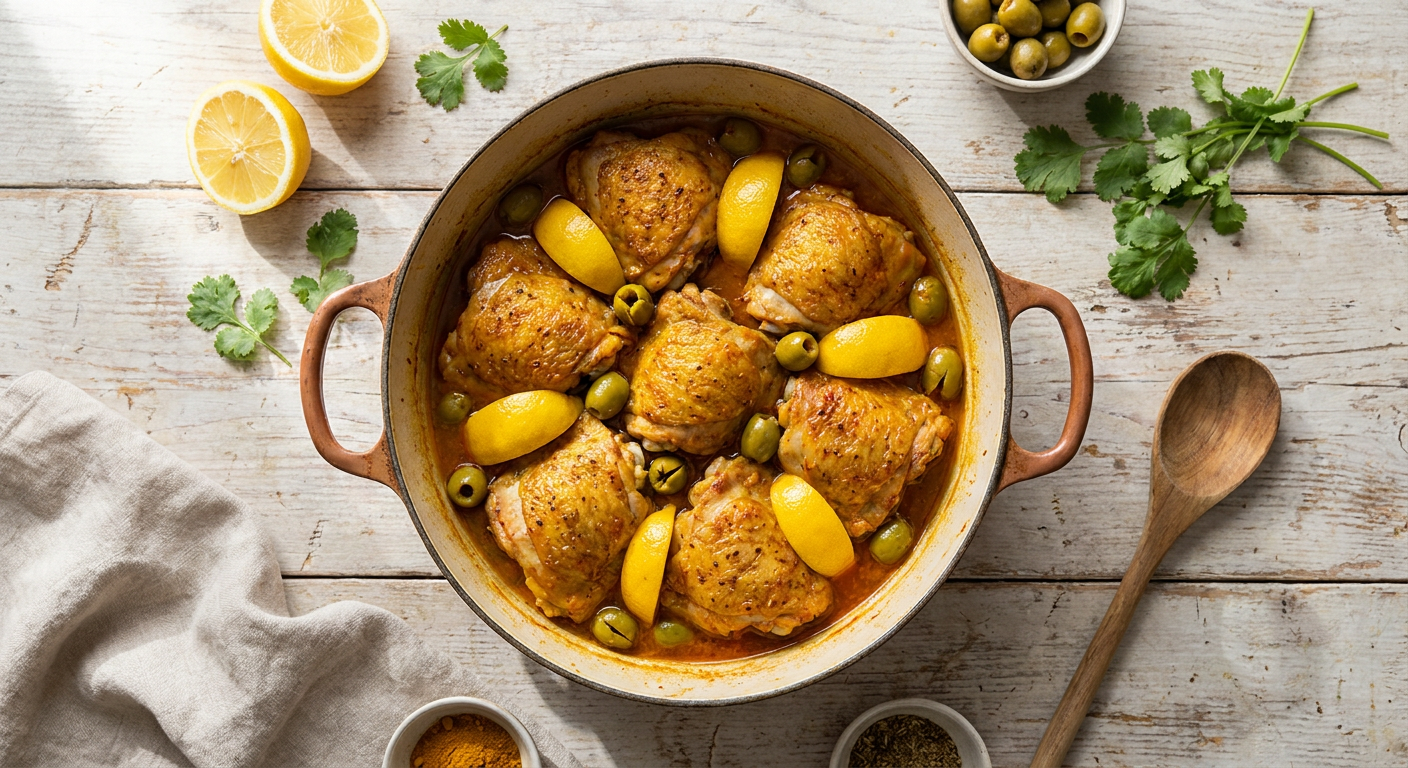
Moroccan Chicken Tagine with Preserved Lemon and Olives
This Moroccan chicken tagine recipe layers saffron, ginger, preserved lemon, and cracked green olives over bone-in thighs for a bright, savory braise that works in any Dutch oven — no tagine required.
 Dinner
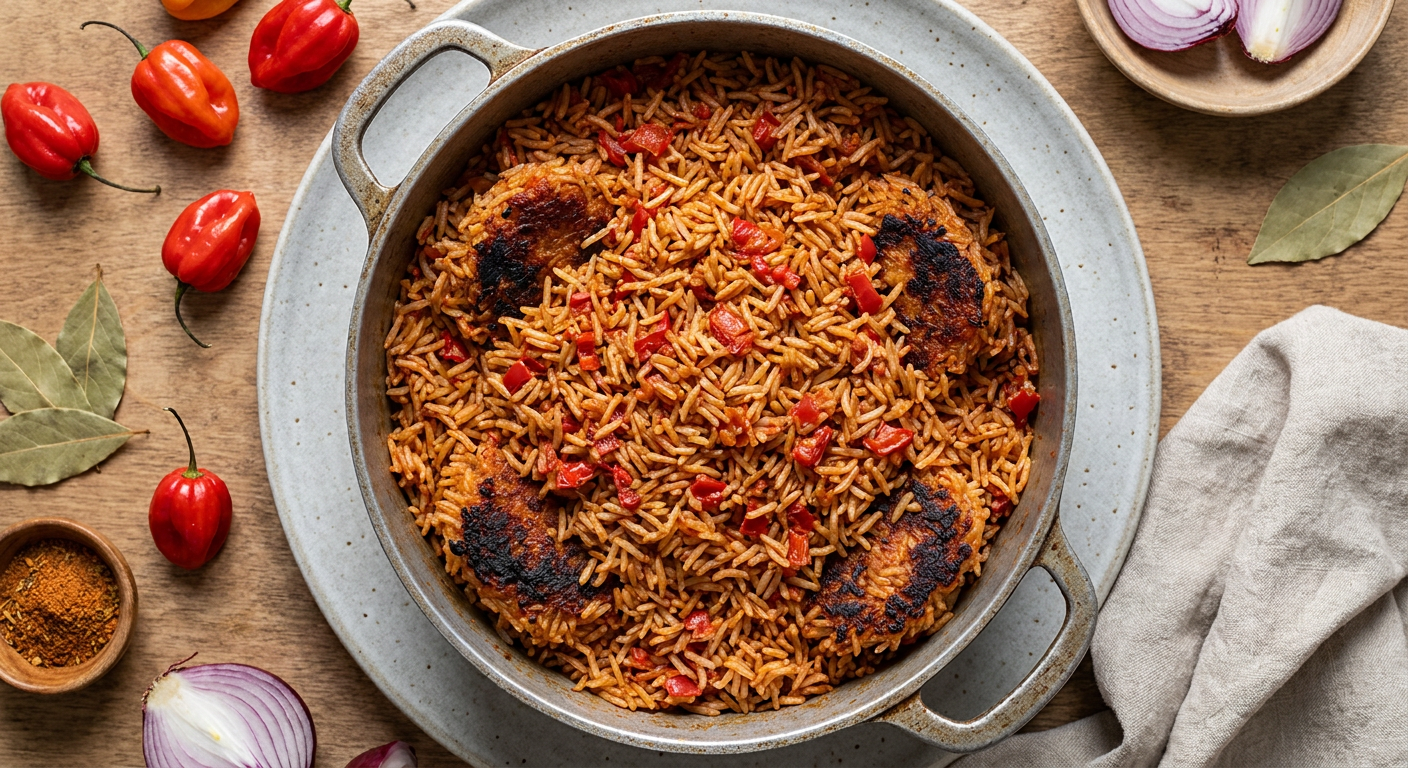
Nigerian Jollof Rice Recipe (Smoky Party-Style)
This Nigerian jollof rice recipe delivers party-style smoky flavor with a scorched-pot bottom, blended red pepper base, and long-grain parboiled rice. The best easy jollof rice for home cooks.
 Dinner
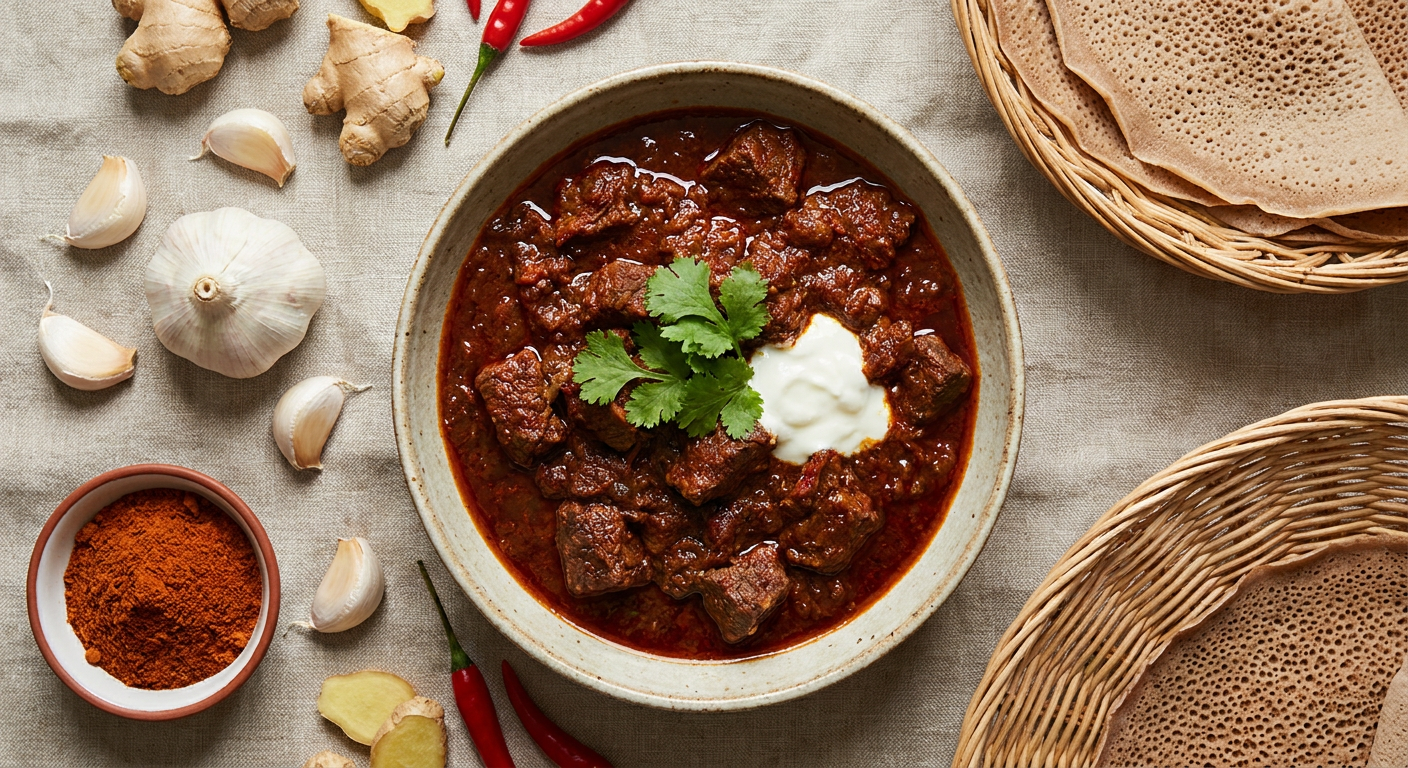
Authentic Zigni Recipe: Spicy Eritrean Beef Stew
Master this authentic zigni recipe. A slow-simmered Eritrean zigni stew featuring tender beef, dry-sweated onions, and bold berbere for a rich, brick-red finish.
 Dinner
Tanzanian Zanzibar Pilau with Beef and Fragrant Spices
Master this authentic Tanzanian Zanzibar pilau featuring tender beef and basmati rice bloomed with cardamom, cloves, and cinnamon for a deeply aromatic dinner.