Traditional Toulouse Cassoulet Recipe with Confit Duck
Learn how to master this authentic cassoulet recipe. A slow-cooked Toulouse cassoulet featuring tarbais beans, duck confit, and garlic sausage with a perfect crust.
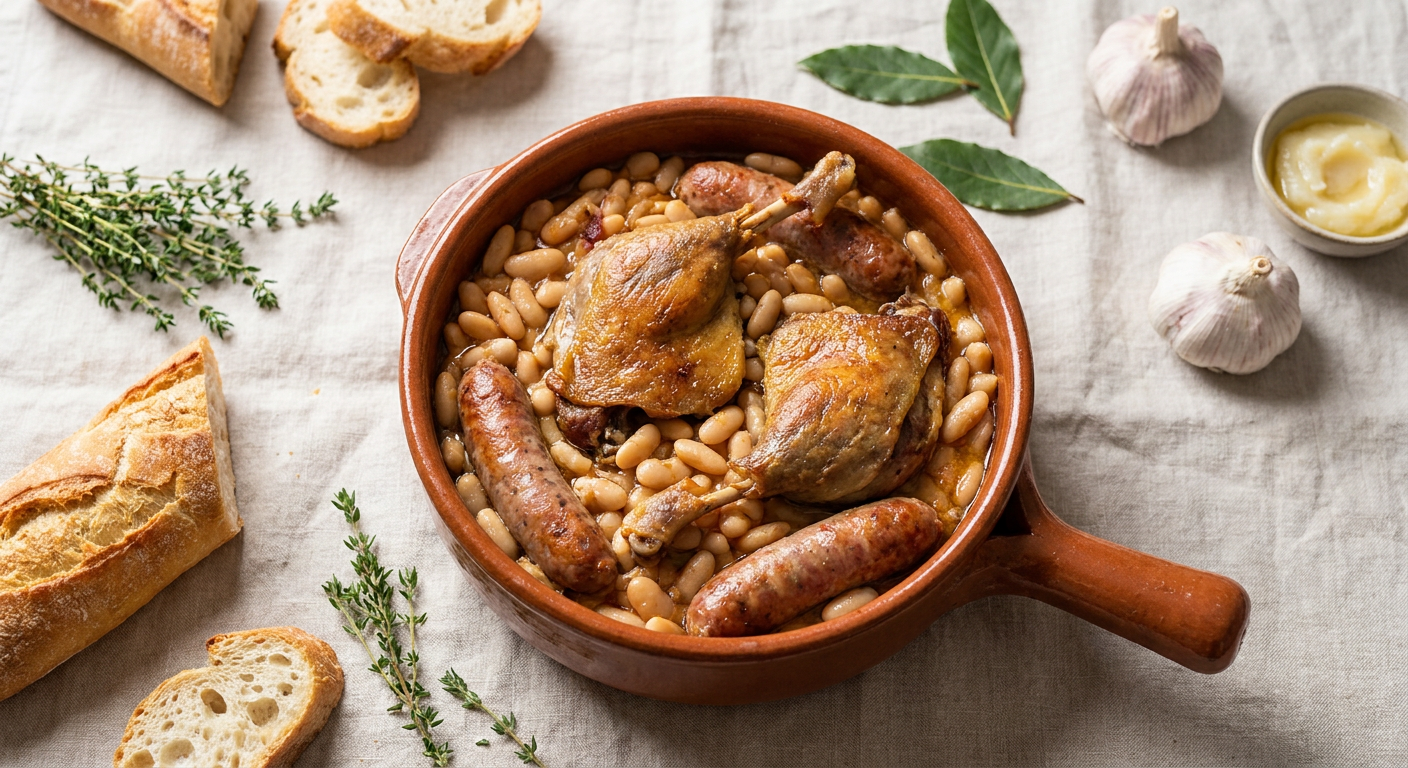

This authentic cassoulet recipe is a labor of love that rewards the patient cook with the deepest savory flavors in the French repertoire. Unlike quick stews, a traditional French cassoulet relies on the gelatinous richness of pork skin and the silken fat of duck confit to transform humble white beans into something ethereal.
Specifically, this version follows the toulouse cassoulet style, prioritizing a specific assembly of meats: garlic-heavy sausages, salt pork, and preserved duck legs. The secret to the signature texture is the repeated breaking of the 'crust'—the skin that forms on top of the beans—which is pushed back into the pot seven times during the final bake to emulsify the fats and liquids into a creamy,짙은 sauce.
Ingredients
The Beans and Aromatics
- 1 lb (450g) dried Tarbais or Cannellini beans, soaked overnight
- 4 oz (115g) fresh pork skin (rind), cleaned
- 1 medium yellow onion, studded with 3 whole cloves
- 1 large carrot, peeled and halved
- 1 bouquet garni (parsley stems, thyme, bay leaf)
- 6 cups (1.4L) unsalted chicken or duck stock
The Meats
- 4 duck confit legs, room temperature
- 1 lb (450g) Toulouse-style garlic sausage, or high-quality kielbasa
- 8 oz (225g) salt pork or pancetta, cut into 1-inch chunks
- 1 lb (450g) boneless pork shoulder, cut into 2-inch cubes
- 2 tablespoons duck fat
The Assembly
- 6 cloves garlic, finely minced
- 2 tablespoons tomato paste
- Freshly cracked black pepper, to taste
Instructions
- 1
Drain the soaked beans and place them in a large pot with the pork skin, onion, carrot, bouquet garni, and stock; simmer gently for 1 hour until just tender but not falling apart.
- 2
Brown the pork shoulder and salt pork in a heavy skillet with a little duck fat over medium-high heat until deeply caramelized, then set aside.
- 3
Sear the sausages in the same skillet until browned, then slice them into 2-inch rounds.
- 4
Drain the beans, reserving the cooking liquid (pot liquor) and the pork skin; discard the onion, carrot, and bouquet garni.
- 5
Line the bottom of a large earthenware cassole or Dutch oven with the cooked pork skin, fat side down.
- 6
Layer half of the beans over the skin, followed by the browned pork shoulder, salt pork, and half of the sausages, seasoned generously with black pepper and the minced garlic.
- 7
Add the remaining beans on top, then nestle the duck confit legs and remaining sausages into the top layer of beans.
- 8
Whisk the tomato paste into 3 cups of the reserved bean cooking liquid and pour over the beans until they are just barely covered.
- 9
Bake uncovered at 300°F (150°C) for 2 to 3 hours.
- 10
Break the brown crust that forms on top with a spoon every 30 minutes, pushing it back into the beans and adding more reserved liquid if the pot looks dry.
- 11
Repeat the crust-breaking process exactly seven times, allowing the final crust to remain undisturbed for the last 30 minutes of cooking.
- 12
Remove from the oven and let the cassoulet rest for 20 minutes before serving to allow the liquids to set.
Nutrition (per serving)
Estimates only — not medical or dietary advice.
- Calories
- 985 kcal
- Protein
- 54 g
- Carbs
- 46 g
- Fat
- 62 g
- Fiber
- 11 g
- Sugar
- 4 g
- Sodium
- 1480 mg
Tips
- → Never add salt to the beans while they are boiling; the salt pork and duck confit provide significant seasoning, and salting early can toughen the bean skins.
- → If you cannot find Tarbais beans, use high-quality dried Cannellini or Great Northern beans, but ensure they are not old, as aged beans will never soften properly.
- → The 'seven times' rule for breaking the crust is traditional for a reason—it builds a deep, umami-rich glaze and thickens the sauce without flour.
FAQ
Can I make this cassoulet recipe ahead of time?
Yes, cassoulet is actually better the second day. Reheat it slowly in a 300°F oven, adding a splash of stock if needed to loosen the beans.
Why does my cassoulet look dry?
Beans absorb a massive amount of liquid during the long bake. If the top looks parched, add a ladle of the reserved bean cooking liquid or stock whenever you break the crust.
What is the best bean for a traditional French cassoulet?
The Tarbais bean is the gold standard because it is thin-skinned and incredibly creamy, though Cannellini is a suitable substitute.
You might also like
 DinnerChef-level
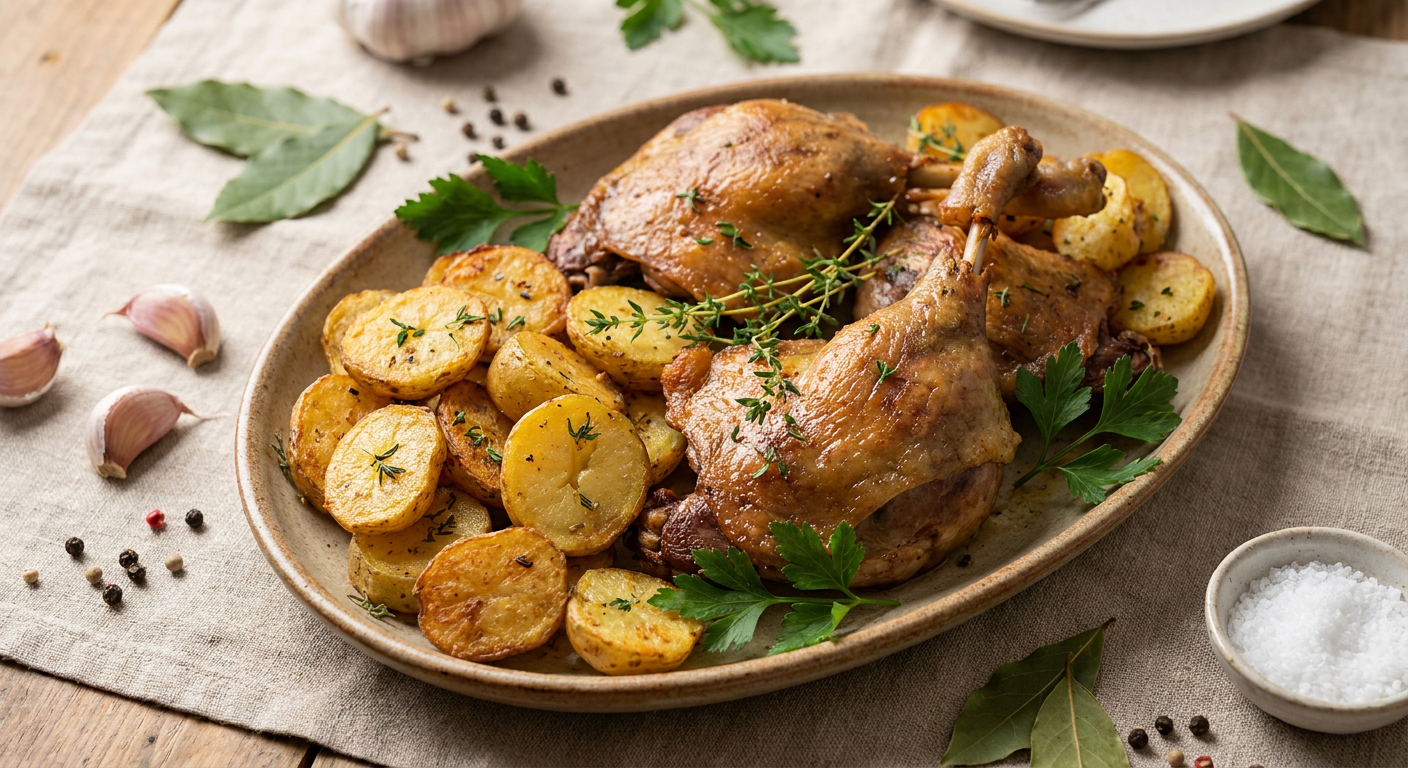
Traditional Duck Confit Recipe with Pommes Sarladaises
Master the ultimate duck confit recipe. Learn how to dry-cure duck legs overnight and slow-poach them in rendered fat for the most tender, classic French result.
 DinnerAdvanced
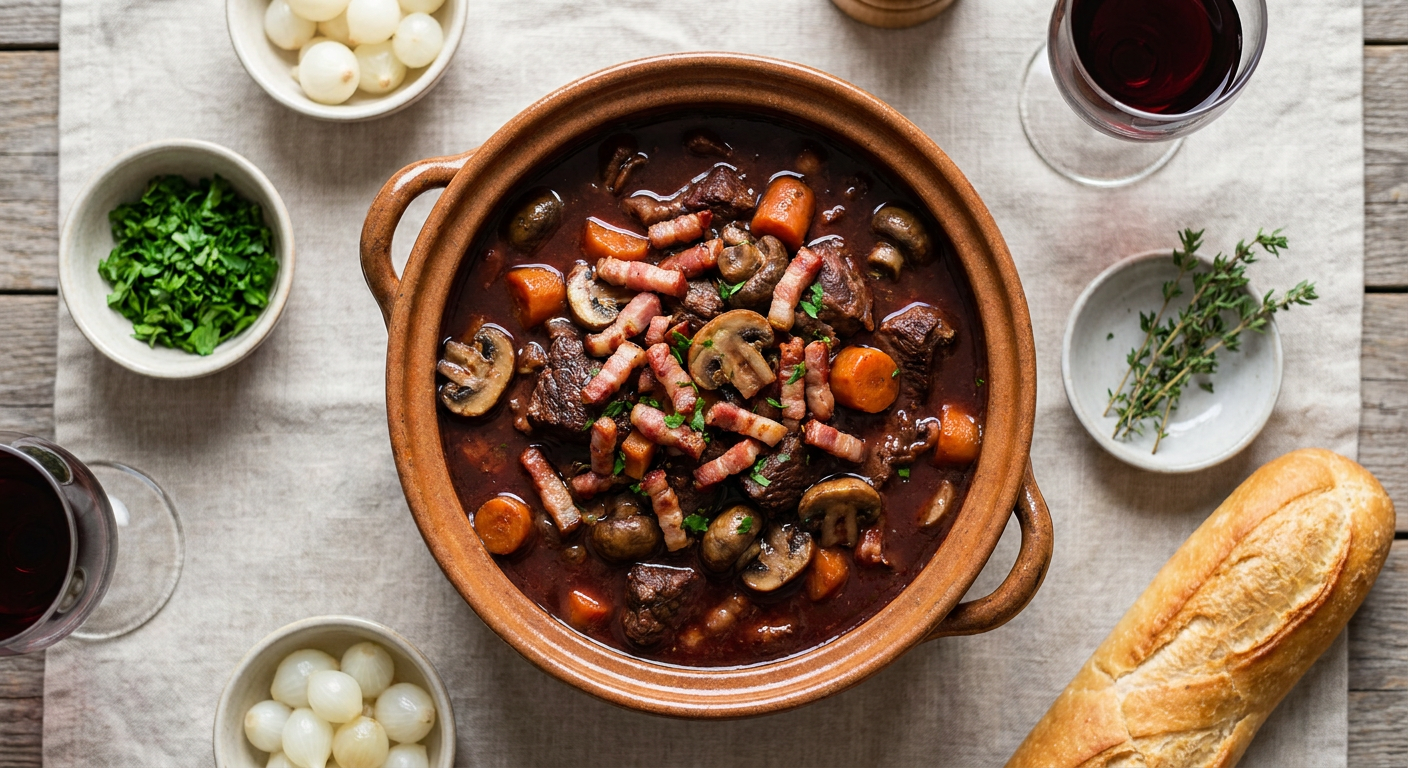
Authentic Beef Bourguignon Recipe: The Ultimate Red Wine Braise
Master this beef bourguignon recipe with overnight-marinated chuck, crispy lardons, and a silky red wine reduction. A classic French braise for the patient home cook.
 Dinner
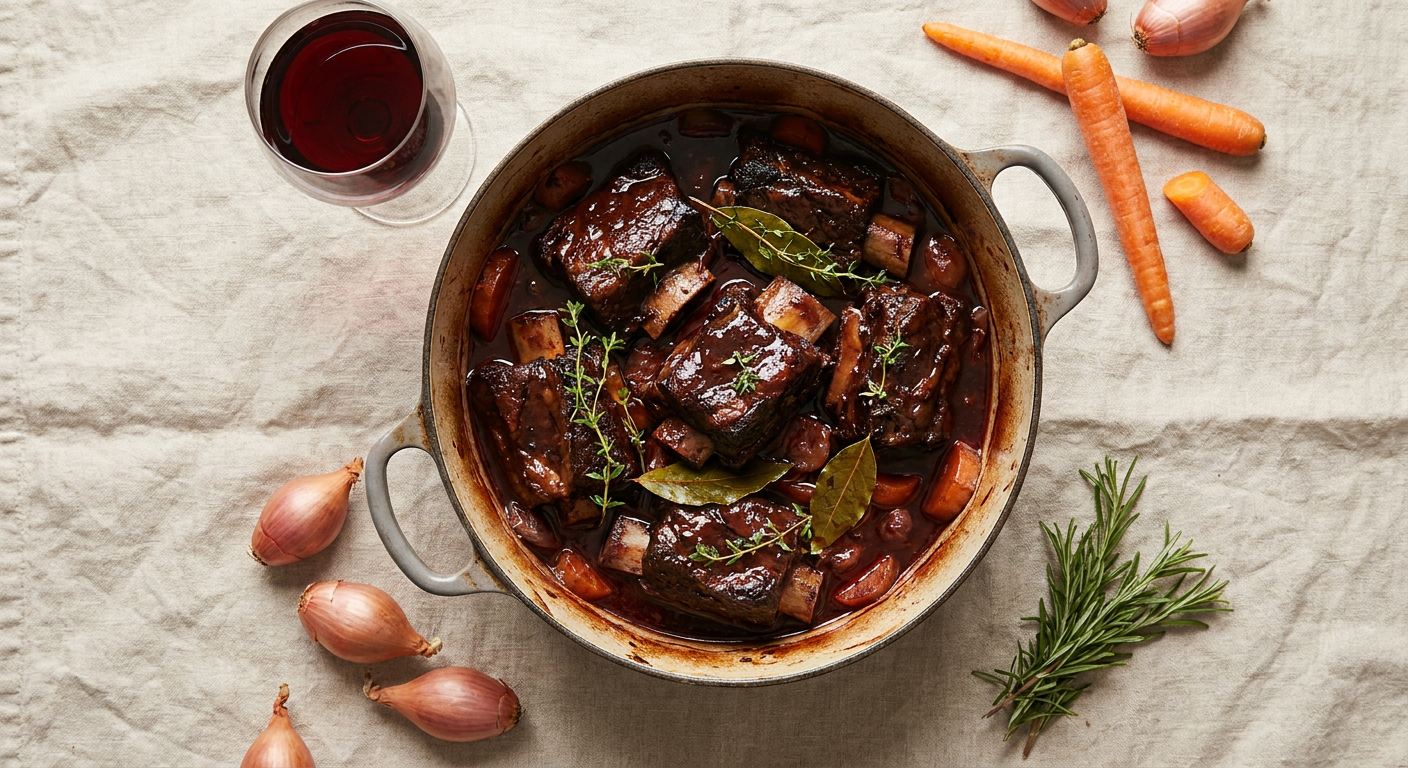
Red Wine Braised Dutch Oven Short Ribs
Master these dutch oven short ribs braised in red wine and beef stock. A foolproof recipe for fall-off-the-bone tenderness and a silky, rich reduction sauce.
 Dinner
Chef-Style Chicken Cordon Bleu Recipe with Mustard Cream
Master this chicken cordon bleu recipe using a pro technique to prevent cheese leaks. Crispy panko, ham and swiss stuffed chicken, and a silky mustard cream sauce.