September 13, 2026
How to Buy Fish for Every Recipe: Match Cut to Cooking Method
Shop smarter for seafood: learn quick freshness checks, three must-ask fishmonger questions, and how to pick the cut that best suits the recipe you plan...
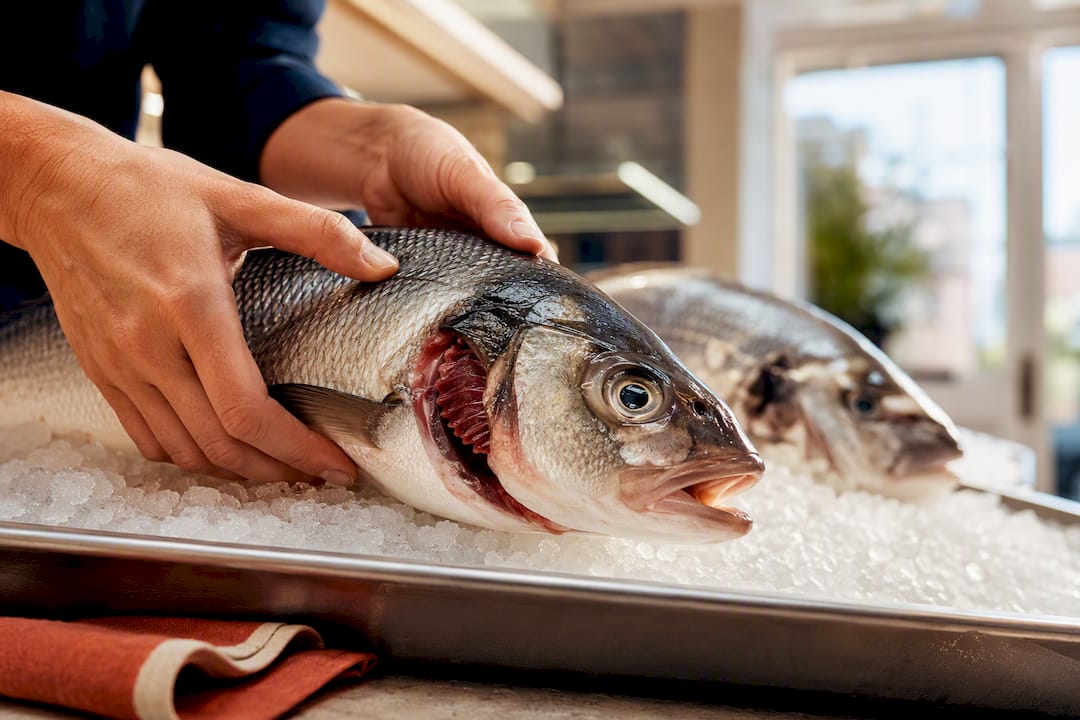
How to Buy Fish for Every Recipe: Match Cut to Cooking Method
Buy with your eyes, nose, and fingers before you buy with your wallet: clear eyes, firm flesh, and a clean ocean smell beat any “fresh” sticker. For most kitchens, a good frozen fillet is the safer bet than an uncertain fresh case. NOAA Fisheries and testing from recipe sources point the same direction: judge the fish in front of you, not the label on it.
TL;DR:
- Fresh fish should have clear, shiny eyes and bright red gills; fillets should bounce back when pressed and have a mild ocean smell.
- “Fresh” labels mainly mean the fish hasn’t been frozen, but properly frozen fish often has better quality due to flash-freezing shortly after catch.
- Frozen fish is generally more reliable than fresh, especially if packaging has no ice crystals, is vacuum-sealed, and the fish feels firm.
- Live shellfish must be closed or close when tapped, and smell should be faintly sweet; avoid shells that are cracked or gaping.
- Buying from dedicated fish markets and asking specific questions about arrival time, freezing history, and origin helps ensure better quality and ethical sourcing.
Table of Contents
- How Do You Check Fresh Fish for Quality at the Counter?
- What Do Fish Labels Like “Fresh” and “Sushi-Grade” Actually Mean?
- Should You Buy Frozen Fish Instead of Fresh?
- What Should You Check When Buying Shellfish?
- Where Is the Best Place to Buy Fish?
- How Should You Transport and Store Fish Once You Buy It?
- What Should You Ask the Fishmonger Before You Buy?
- How Do You Match Your Fish Purchase to the Recipe You’re Cooking?
- A Fishmonger’s Habits Worth Stealing
- Let Forkward Kitchen Help You Decide What to Buy Next
- Sources
- FAQ
How Do You Check Fresh Fish for Quality at the Counter?
Whole fish tells you everything through its eyes and gills. Look for eyes that are clear, shiny, and slightly bulging, never sunken or clouded, and gills that read bright red or pink rather than brown or gray, according to NOAA Fisheries. Fillets are trickier since you lose those cues, but the flesh still talks.
Pro Tip: Press a fillet gently with one finger. If the dent bounces back within a second or two, it’s fresh. If it stays dented or feels mushy, walk away.
Run through this at the case before you commit to anything:
- Fillets should look shiny and evenly colored, with no browning at the edges or gaping seams in the flesh.
- The smell should be mild and briny, like the ocean. A strong “fishy” or ammonia odor means it’s past its prime.
- Steaks and fillets should sit flat with minimal liquid pooling underneath the tray.
- Skin, when present, should look taut and moist, not dried out or curling at the corners.
Fillets that spring back and gills that stay pink are the two fastest freshness checks a shopper has, and both can be done very quickly at the case.
What Do Fish Labels Like “Fresh” and “Sushi-Grade” Actually Mean?
“Fresh” on a label is mostly marketing. It legally just means the fish hasn’t been frozen, but plenty of “fresh” fish sat in transit for days before hitting the case. “Previously frozen” fish, thawed properly and kept cold, is often in better shape than a “fresh” fillet that traveled cross-country on ice. “Frozen-at-sea” is the gold standard phrase to look for, since it means the catch was flash-frozen within hours, locking in texture before it has a chance to degrade.
“Sushi-grade” has no legal definition in the United States. It’s a term individual sellers use at their own discretion, so it’s only as trustworthy as the seller using it. Ask directly about handling and freezing history before eating anything raw.
A few more label basics worth knowing:
- Wild versus farmed isn’t a quality verdict either way. It depends on the species, the farming method, and how the wild stock is managed.
- Specific labeling (species name, state or fishery of origin) usually points to better traceability than a vague “Atlantic fish” tag, per The Kitchn.
- Watch for sodium tripolyphosphate (STPP) and bisulfites on ingredient lists. Sellers use them to boost water retention or prevent discoloration, and they’re required by law to disclose them.
Should You Buy Frozen Fish Instead of Fresh?
Frozen fish, done right, often beats fresh. Modern flash-freezing locks in texture and flavor at the peak of freshness, which means a well-frozen fillet can taste better than a “fresh” one that spent three days in transit, according to Allrecipes. For most home cooks who don’t live near a dock, frozen is genuinely the more dependable choice, not a fallback.
Judge the package the same way you’d judge the fish itself:
- No visible ice crystals inside the bag. Frost signals temperature swings or a refreeze cycle.
- The vacuum seal should sit tight against the fish, with no air pockets or torn plastic.
- The fish should feel rock solid, not soft or bendable at the edges.
- At the grocery store, packages should sit below the freezer’s load line, never piled above it.
Pro Tip: Thaw frozen fish overnight in the fridge, not on the counter. Once thawed, cook it within a day or two, and never refreeze fish that’s already been thawed once.
What Should You Check When Buying Shellfish?
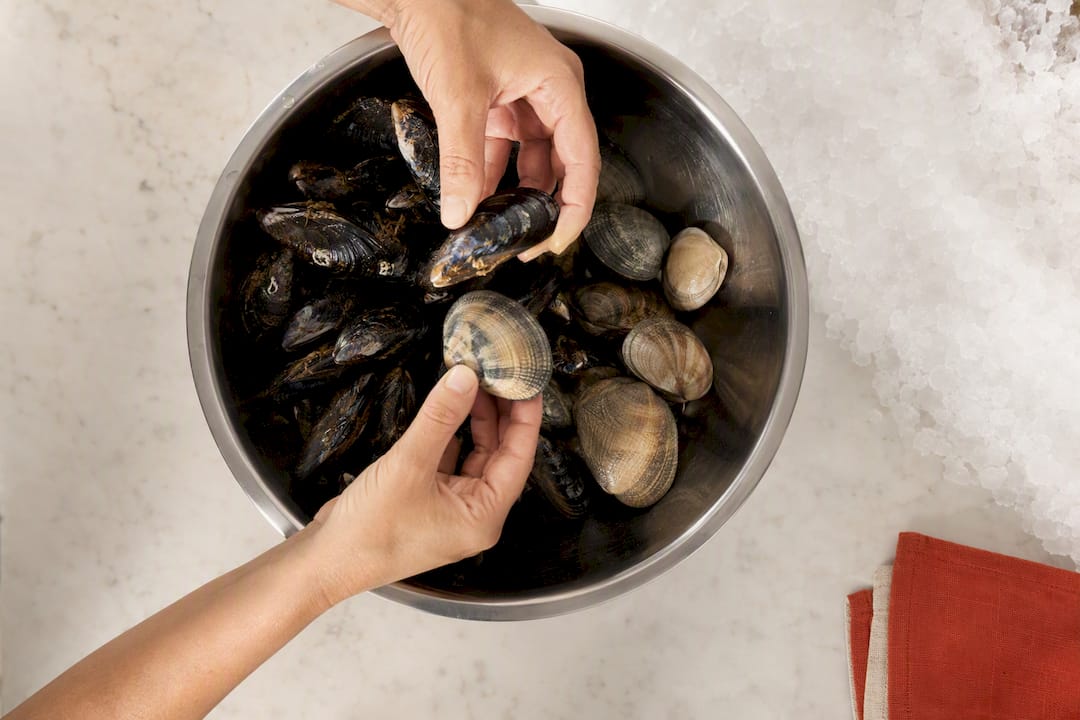
Live shellfish, like clams, mussels, and oysters, needs to actually be alive when you buy it. Shells should be closed or should close quickly when tapped. Toss anything with a cracked or gaping shell that won’t shut.
For shrimp and scallops, smell and appearance carry the weight. A clean, faintly sweet smell is normal; a sharp ammonia or sulfur note is not. Some scallops are treated with STPP to plump them up with water, so check for that on the label if you want the real thing.
- Live shellfish: shells closed or closing when tapped, no cracked shells.
- Packaged shellfish: cold to the touch, no off-odors, per SeafoodHealthFacts.
- Check “sell by” or “use by” dates closely on pasteurized crab and other ready-to-eat products.
- If you’re pregnant, immunocompromised, or otherwise higher risk, pasteurized shellfish is the safer call over raw.
Proper icing and refrigeration near 32°F is the baseline every reputable seafood counter should meet.
Where Is the Best Place to Buy Fish?
- Dedicated fish markets tend to win on transparency. Staff usually know exactly when the catch came in and can tell you which boat it came off, and that relationship pays off every time you shop there.
- Grocery store seafood counters offer convenience and, at busy stores, solid turnover. Turnover is your friend: a case that sells through fast doesn’t sit on old inventory.
- Online and mail-order seafood is worth it when you want species you can’t find locally, but ask about cold-chain shipping, insulated packaging, and whether the fish arrives frozen or on ice.
Across every channel, the same red flags apply: vague answers about origin, staff who seem unwilling to talk about handling, or packaging that looks torn or wet on the outside.
How Should You Transport and Store Fish Once You Buy It?
Buy your fish last, right before checkout, so it spends the least time out of the cold. If you’ve got more than a twenty minute drive home, bring a cooler or insulated bag with an ice pack.
Once home:
- Refrigerate immediately and cook fresh fish within one to two days for best quality.
- Freeze in airtight packaging, portioned into meal-sized amounts, with the date written on the outside.
- Keep your fridge at or below 40°F and your freezer at 0°F.
Pro Tip: Cook fish to an internal temperature of 145°F, and when in doubt, the flesh should turn opaque and separate easily with a fork.
What Should You Ask the Fishmonger Before You Buy?
Three questions cut through most of the guesswork instantly.
- “When did this arrive, and when was it filleted?” Fishmongers expect this question, and a specific answer (not a shrug) is a good sign, according to the Institute of Culinary Education.
- “Was this previously frozen?” There’s nothing wrong with the answer being yes. What matters is that they know and tell you straight.
- “Where did this come from?” A named fishery or region beats a vague “domestic” or “imported” answer every time.
Red flags to walk away from: a strong fishy or ammonia smell, fillets sitting in a pool of liquid, gaping seams in the flesh, or torn packaging. Skip pre-marinated fish from a seller you don’t know well, since marinade can mask spoilage.
How Do You Match Your Fish Purchase to the Recipe You’re Cooking?
Buy for a specific dish, not a vague idea of “fish for dinner.” A thin fillet is built for quick pan-searing or baking, a thicker steak holds up on the grill or under the broiler, and a whole fish is forgiving for roasting or steaming low and slow.
- Weeknight cooking: a solid frozen portion, like the kind used in this air fryer salmon bite recipe, gets dinner on the table without a special trip to the counter.
- Weekend projects: splurge on fresh, high-quality fish for something like a salmon sushi bake, where texture and flavor really show.
- Flavor-forward meals: pair your cut with a matching salmon marinade rather than guessing at seasoning after the fact.
Forkwardkitchen’s contributor Oloru has tested enough seafood recipes to know the cut dictates the cook, not the other way around.
A Fishmonger’s Habits Worth Stealing
The best habit isn’t a trick, it’s a routine: buy fish last, keep it cold, and ask one honest question before you pay. A good vendor answers without hesitation, and that transparency tells you more than any label ever will. Start small. Pick one counter, ask when the catch came in, and see how they respond.
— Oloru
Let Forkward Kitchen Help You Decide What to Buy Next
Knowing how to pick good fish is only half the job. The other half is knowing what to do with it once it’s in your cart, and that’s where a lot of home cooks lose confidence and default to the same three dishes. Some content sites close that gap with original, tested recipes that spell out exactly which cut, which cooking method, and which level of skill each dish calls for, so your seafood purchase actually turns into a finished plate instead of sitting in the fridge.
If you picked up scallops this week, the scallop searing guide walks through getting a golden crust without overcooking. Weeknight cooks can browse the full recipe index for fast, reliable dinners, while anyone ready to push further can check the advanced recipe collection for whole-fish and technique-driven projects. Pick a recipe before your next seafood trip, and shop with a purpose instead of a guess.
Sources
For deeper reading beyond this guide, a few sources are worth bookmarking:
- Tips for Buying Quality Seafood | NOAA Fisheries
- Guide to selecting seafood | SeafoodHealthFacts
- Guide to Buying Fish | Institute of Culinary Education (ICE)
- 9 Tips For Buying Seafood at the Grocery Store | The Kitchn
- Why You Should Opt for Frozen Seafood | Allrecipes
FAQ
What Is the Best Way to Buy Fish?
Use your senses before you use the label: check for clear eyes and pink gills on whole fish, firm flesh that springs back on fillets, and a mild ocean smell rather than a sharp fishy one, per NOAA Fisheries. When in doubt, a well-frozen fillet is often more reliable than an uncertain fresh case.
What Should You Look for When Buying Fish?
Look for firm, springy flesh, bright color with no browning, and packaging that’s cold and free of pooled liquid. For frozen fish, confirm there are no ice crystals and the seal is intact.
What Should You Know Before Buying a Fish?
There’s no license required to buy seafood for home cooking, but knowing the basics, freshness signs, label terms like “previously frozen,” and safe storage windows, sets you up to actually use what you buy instead of tossing it. Recipe pages from various cooking sites are often built around matching the cut you bought to a method that works.
How Do You Buy Fish Ethically?
Look for Seafood Watch’s sustainability ratings or the Marine Stewardship Council label, and favor sellers who can name the specific fishery or region a catch came from. Specific origin labeling generally signals more responsible sourcing than a vague country-of-origin tag, according to The Kitchn.