September 19, 2026
Herb Substitutions: Three Tested Blends and Swaps That Rescue Dinner
Run out of an herb? Use the 3:1 fresh to dried rule, three kitchen tested blends, and simple pantry swaps to keep dinner tasting great.
Herb Substitutions: Three Tested Blends and Swaps That Rescue Dinner
Out of an herb mid-recipe? Use the 3:1 rule: 1 tablespoon fresh equals 1 teaspoon dried, and the closest fix usually comes from the same plant family, since thyme, oregano, rosemary, and sage all share flavor compounds that let them stand in for each other. If you’re missing rosemary, thyme is your fastest fix in almost any roast or braise. A quick-reference list of swaps for every common herb follows below.
TL;DR:
- Oregano and marjoram are the best substitutes for thyme, with oregano being stronger and requiring less to avoid overpowering the dish.
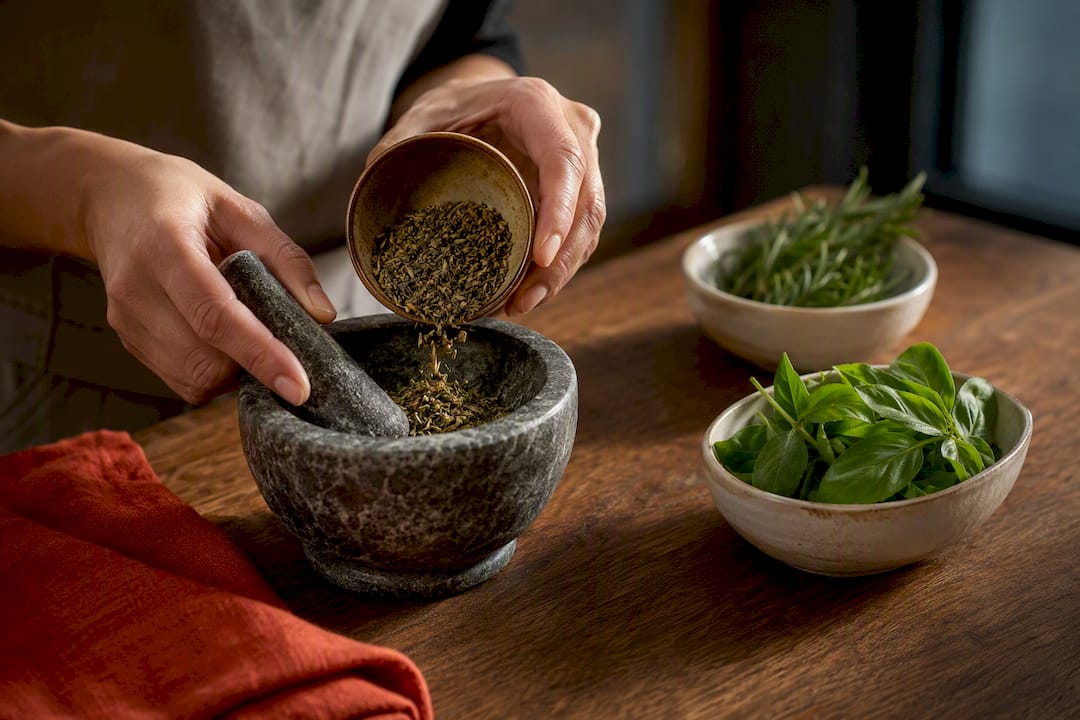
- Dried herbs should be finely minced or rubbed between fingers to release oils and prevent a dusty flavor.
- Fresh to dried herb conversions follow the standard 3:1 ratio, but volume varies with leaf size and form, so adjust accordingly.
- Herb swaps in flavorful, raw preparations like pestos or vinaigrettes require starting with less and tasting often to avoid overwhelming the dish.
- Regional cuisines demand specific herbs; Mediterranean dishes suit woody, resinous herbs, while Asian recipes benefit from cilantro, Thai basil, or mint, making substitutions worth considering as flavor shifts.
Table of Contents
- Quick Reference: The Best Herb Substitutions for Common Recipes
- Fresh-to-Dried Herb Conversion: The Math That Keeps You Consistent
- Which Herb Swap Works Best for Poultry, Pork, Fish, and Vegetables?
- How to Build Herb Blends That Replicate Complex Flavors
- How Should You Store Herbs So You Rarely Run Out?
- Do Mediterranean and Asian Recipes Need Different Herb Swaps?
- What Should You Know About Allergies and Dietary Needs When Swapping Herbs?
- Why Substitutions Are Where Real Cooking Confidence Starts
- Sources
- FAQ
Quick Reference: The Best Herb Substitutions for Common Recipes
When a recipe calls for something you don’t have, you rarely need an exact clone. You need something from the same flavor family that won’t fight the rest of the dish. Here’s what to grab instead, herb by herb, with notes on when each swap actually works.
- Thyme substitute: Oregano or marjoram, using half the amount if oregano (it’s punchier); rosemary works too, but mince it fine so the texture doesn’t dominate.
- Rosemary substitute: Thyme is the closest match for roasted meats and potatoes; sage brings a similar earthy depth for poultry and pork.
- Basil substitute: Oregano or thyme in cooked sauces; for pesto, swap in parsley plus a pinch of dried oregano, though the flavor shifts noticeably away from basil’s sweetness.
- Parsley substitute: Cilantro if the dish can handle a flavor pivot, or chervil for a milder, more neutral green note; skip dried parsley entirely, since it loses almost all its flavor.
- Cilantro substitute: Parsley plus a squeeze of lime gets you closer than most people expect, though it won’t replicate cilantro’s citrusy punch.
- Oregano substitute: Marjoram (its gentler cousin) or thyme; both work in tomato sauces and grilled dishes.
- Sage substitute: Rosemary or thyme, in smaller amounts, since sage’s flavor is stronger and more resinous than either.
- Tarragon substitute: Chervil for delicate sauces, or a pinch of fennel seed and parsley when tarragon’s anise note matters, according to Better Homes & Gardens.
- Marjoram substitute: Oregano, cut by a third since it runs hotter and more assertive.
- Chives substitute: The green tops of scallions, or a small amount of finely minced onion for cooked applications.
- Dill substitute: Tarragon or fennel fronds for fish and creamy sauces; both bring that same feathery, slightly sweet quality.
Sensitive dishes deserve a warning. Herb-forward preparations like pesto, chimichurri, and vinaigrettes put the substitute front and center, so swaps that work fine in a simmered soup can taste off in a raw sauce. Start with less than you think you need in these applications, since there’s no long simmer to mellow a substitute that doesn’t quite belong.
Pro Tip: Mincing dried herbs finer than you would fresh ones helps them disperse evenly, and rubbing dried leaves between your palms before adding them wakes up dormant oils, according to Ingredient Substitutes. Skip that step and dried herbs can taste dusty instead of vibrant.
Fresh-to-Dried Herb Conversion: The Math That Keeps You Consistent
The standard conversion is simple: 1 tablespoon of fresh herb equals 1 teaspoon of dried, a 3:1 ratio confirmed by kitchen guides like Food Network’s substitution reference. A recipe asking for 3 tablespoons of fresh basil needs just 1 tablespoon dried.
Potency and leaf size complicate the math slightly. Whole dried leaves (like bay or whole thyme sprigs) are less concentrated by volume than crumbled or ground versions, so a teaspoon of ground sage packs more punch than a teaspoon of rubbed sage leaves.
- For long braises and stews, add dried herbs early since they need time and heat to soften and release their oils.
- For finishing touches like a soup garnish or a salad dressing, fresh herbs (or a light dusting of dried, rubbed between your fingers first) work better added at the very end.
- When converting a recipe that calls for a mix of fresh herbs added at different stages, convert each one separately rather than lumping them into one dried measurement.
Which Herb Swap Works Best for Poultry, Pork, Fish, and Vegetables?
The right substitute depends on the fat content and cooking method as much as the flavor itself. Roasted chicken renders fat that carries woody, resinous flavors well, which is why thyme or sage stand in so easily for rosemary on poultry. That same fat and heat is what makes rosemary alternatives compatible in the first place, since Lamiaceae family herbs like rosemary, thyme, sage, and oregano share overlapping flavor compounds.
Tomato-based dishes lean toward oregano, basil, or marjoram, since their brightness cuts through acidity instead of getting buried by it. Fish and other light, delicate preparations call for something gentler: marjoram, dill, or a lemony herb that won’t overpower a mild fillet. Save the heavy, piney herbs for heartier proteins.
Roasted root vegetables and squash can handle rosemary’s boldness, but if you’re out, a blend of thyme and a touch of sage gets remarkably close. This is the same logic Forkward Kitchen uses in dishes like miso butter roast chicken, where herb choice is built around fat and roasting time, not just flavor on paper.
How to Build Herb Blends That Replicate Complex Flavors
Every missing herb has a personality: woody, citrusy, floral, or peppery. Identify which lane the missing herb occupies, and you can rebuild its role from two or three things already in your spice rack instead of chasing an exact match.
Three combinations worth memorizing:
- Woodland blend (for roasts and braises): thyme plus sage, with a pinch of black pepper. Mimics rosemary’s depth without its intensity.
- Bright Mediterranean blend (for tomato sauces and grilled vegetables): oregano plus basil, with a touch of marjoram. Replaces a missing Italian seasoning blend almost seamlessly.
- Delicate herb blend (for fish and creamy sauces): dill plus tarragon, with fresh parsley stirred in at the end.
Taste as you go. Add a small amount, cook briefly, taste again, and adjust before committing the whole batch. A splash of acid (lemon juice, vinegar) tames an herb that’s running too strong, while a pat of butter or a drizzle of olive oil rounds out flavors that taste sharp or thin. Forkward Kitchen’s tested fish sauce substitute guide uses the same tasting loop for a different pantry gap, and it works just as well here.
How Should You Store Herbs So You Rarely Run Out?
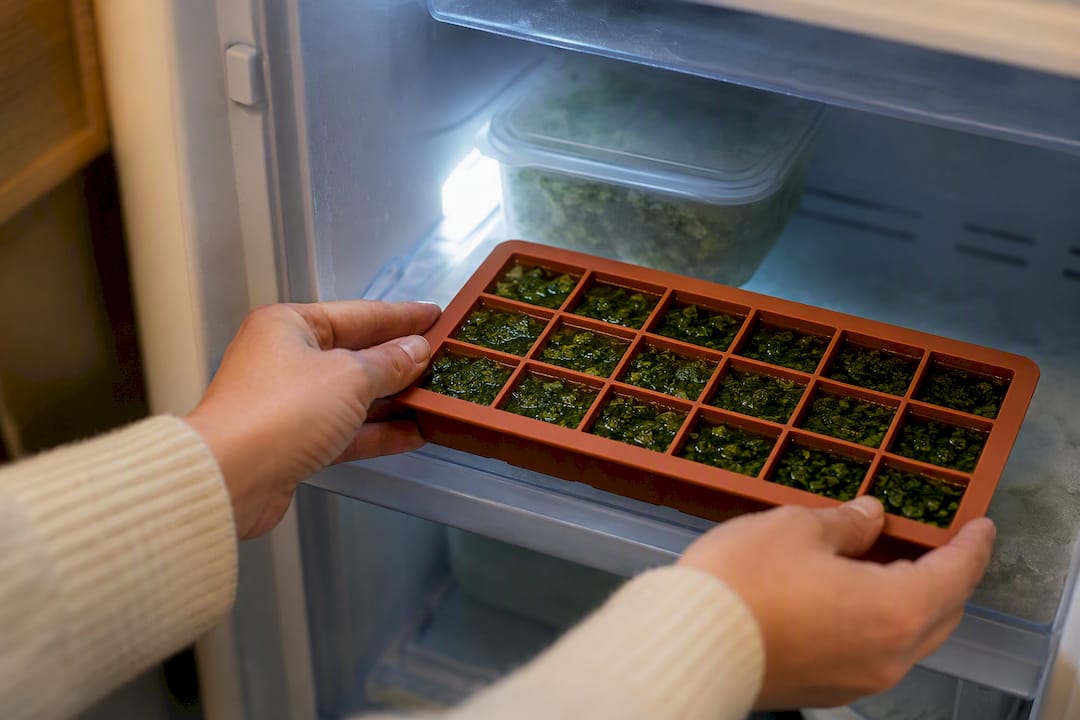
Freezing solves more problems than most cooks realize. Chop fresh herbs, pack them into ice cube trays, cover with olive oil, and freeze; the resulting cubes drop straight into soups, sauces, and sautés without thawing first.
Drying works better for woody herbs like rosemary, thyme, and sage, which hold their oils well even after moisture is gone. Store dried herbs in a cool, dark spot, since heat and light degrade flavor fast, a point backed by storage guidance from Ingredient Substitutes.
If your pantry only has room for three dried herbs, make them oregano, thyme, and basil. They cover the widest range of dishes, and buying smaller jars keeps them fresher than a giant tin that sits half full for a year. Cozee Bay’s spice organization guide has practical ideas for keeping small quantities visible and accessible instead of buried in the back of a cabinet.
Do Mediterranean and Asian Recipes Need Different Herb Swaps?
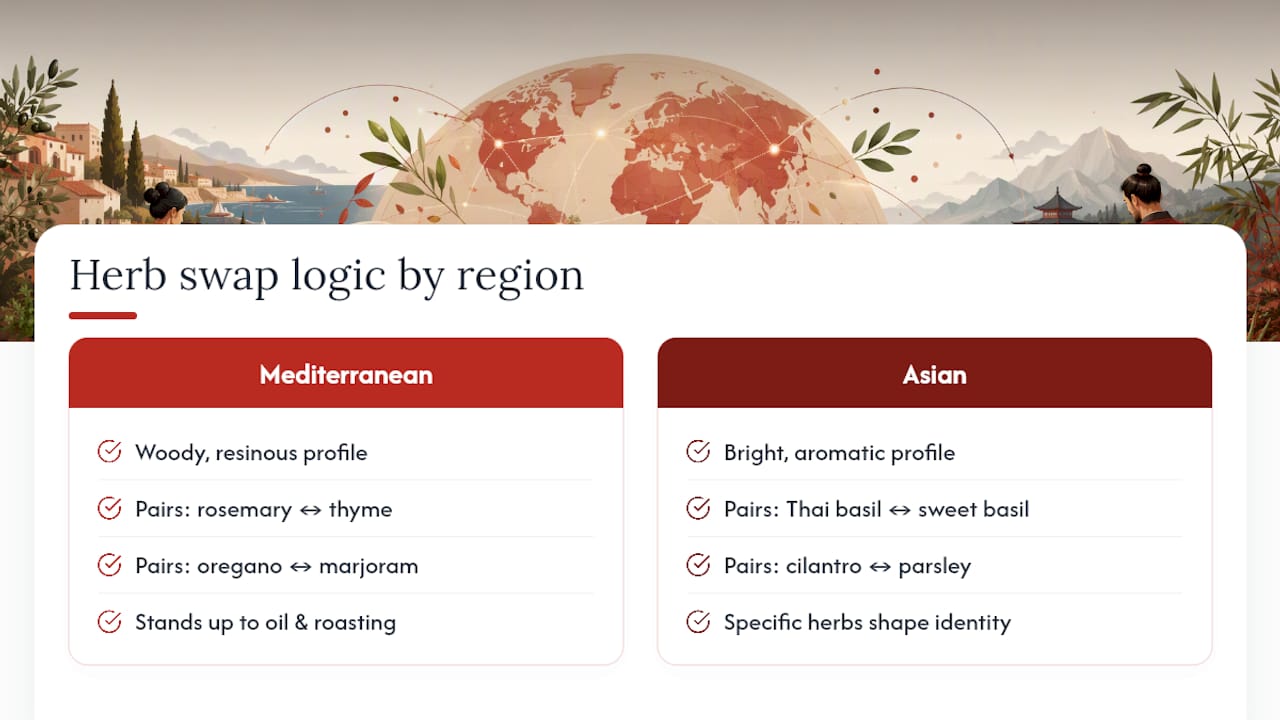
Regional cuisine changes what counts as a “safe” substitute, because the herbs that define one cuisine often clash with another’s flavor logic. Mediterranean cooking leans on woody, resinous herbs, oregano, thyme, rosemary, marjoram, which hold up to olive oil, garlic, and long roasting. Swapping within that family (thyme for rosemary, marjoram for oregano) keeps a dish recognizably Mediterranean.
Asian cooking relies on a different set entirely: cilantro, Thai basil, mint, lemongrass, and Vietnamese coriander bring brightness and aromatic lift rather than earthy depth. Substituting a Mediterranean herb into a Southeast Asian noodle dish, say, using regular basil in place of Thai basil, changes the character of the dish more than a like-for-like Mediterranean swap would. Thai basil has a peppery, anise-forward edge that sweet basil doesn’t replicate, though sweet basil is the closest widely available stand-in.
Cilantro is the trickiest cross-cuisine swap. It shows up constantly in Mexican, Indian, Vietnamese, and Thai cooking, but it has no close relative in Western pantries. Parsley is the standard fallback, and while it won’t match cilantro’s citrusy note, it keeps the dish from tasting flat. When a recipe leans on a specific regional herb for its identity, like lemongrass in Thai curries or shiso in Japanese dishes, treat substitution as a flavor shift rather than a direct replacement, and adjust the rest of the seasoning to match.
What Should You Know About Allergies and Dietary Needs When Swapping Herbs?
Herb allergies are less common than allergies to nuts or shellfish, but they’re real, and cross-reactivity matters more than people expect. Anyone with a known sensitivity to plants in the carrot family (Apiaceae) should be cautious with parsley, dill, cilantro, and tarragon, since reactions can cross over between related species. Similarly, someone sensitive to one Lamiaceae herb, like oregano, occasionally reacts to close relatives like thyme or marjoram, though this is far less common than Apiaceae cross-reactivity.
Dried herb blends sold pre-mixed sometimes include anti-caking agents or are processed in facilities that also handle nuts or gluten-containing grains, so anyone with a serious allergy should check labels rather than assume a jar of “Italian seasoning” is herb-only. Fresh herbs you chop yourself avoid that risk entirely.
For dietary restrictions beyond allergies, herb substitutions are mostly a non-issue since herbs themselves are naturally vegan, gluten-free, and low-FODMAP in typical cooking amounts. The exception is store-bought herb pastes or oils, which sometimes contain dairy, gluten-based thickeners, or added sugar. When a recipe leans on a specific herb for both flavor and a dietary requirement, check the substitute’s ingredient list with the same scrutiny you’d give the original.
Why Substitutions Are Where Real Cooking Confidence Starts
Recipe testing at Forkward Kitchen has a way of exposing which herb swaps are genuinely interchangeable and which just sound like they should be. Thyme for rosemary works nearly every time. Cilantro for parsley works maybe half the time, depending on what else is in the pot. That inconsistency is the whole point: substitution rewards a cook who tastes and adjusts, not one who follows a chart blindly.
Try the woodland blend the next time a recipe calls for rosemary you don’t have, maybe on the garlic herb pork tenderloin, and see how close it lands.
— Oloru
Sources
- Ingredient Substitution Guide | Food Network
- These Easy Herb Substitutions Free You Up to Play with Flavor | Better Homes & Gardens
- Spice substitution chart: ratios for 40 spices and herbs | Ingredient Substitutes
Ready to put these swaps to work? Browse Forkward Kitchen’s full recipe collection for dishes that show exactly how herbs, fresh or dried, come together in a finished meal, including plenty of pasta recipes where a quick oregano-for-basil swap won’t cost you a thing.
FAQ
What Are the Most Common Cooking Herbs?
The herbs that show up most often in home kitchens are basil, parsley, oregano, thyme, rosemary, sage, cilantro, dill, tarragon, and chives. Most of these fall into just a couple of plant families, which is exactly why they substitute for each other so reliably.
How Do I Substitute Dried Herbs for Fresh in a Recipe?
Use the 3:1 rule: 1 tablespoon of fresh herb equals 1 teaspoon of dried, according to Food Network’s substitution guide. Add dried herbs earlier in cooking than you would fresh ones, since they need heat and time to release their flavor.
What Can I Use Instead of Mixed Italian Herbs?
Rebuild the blend from what’s already in your pantry: combine basil, oregano, thyme, and rosemary, with a pinch of red pepper flakes if you want extra kick. This works because premixed blends like Italian seasoning are usually just a ratio of a few common Mediterranean herbs to begin with.
What’s the Best Substitute for Thyme?
Oregano or marjoram are the closest matches, since all three belong to the same plant family and share overlapping flavor compounds. Use marjoram at roughly the same amount as thyme, but cut oregano back a bit since it’s more assertive.