September 15, 2026
3 Tested Tamari vs Soy Sauce Swaps to Avoid Overseasoning
Recipe-tested guidance on when to use tamari or soy sauce, exact substitution ratios, and tasting tips so your glaze, stir-fry, or marinade doesn’t go too...
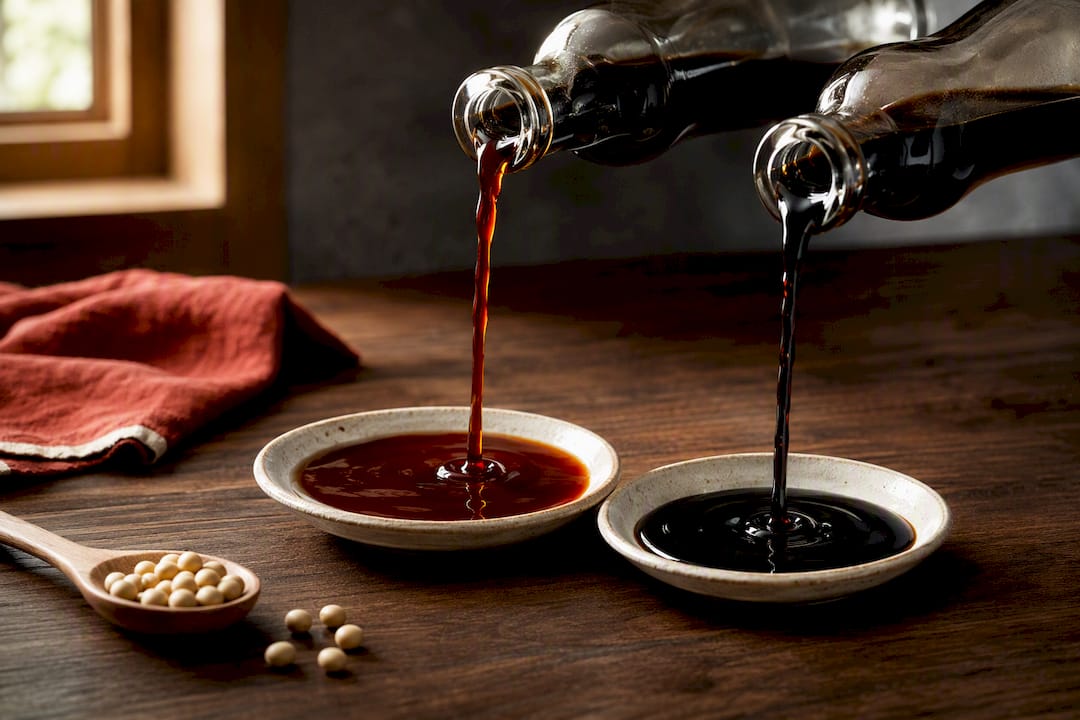
3 Tested Tamari vs Soy Sauce Swaps to Avoid Overseasoning
Tamari and soy sauce split on three things that matter at the stove: tamari is usually thicker, rounder in flavor, and often wheat-free, while soy sauce is thinner, sharper, and almost always brewed with wheat. Reach for tamari when you’re making a glaze, dip, or finishing sauce, or when someone at the table needs a gluten-free option. Reach for soy sauce for everyday stir-fries and marinades where you want a brighter salt hit. If you’re swapping one for the other, taste as you go instead of pouring a straight substitution without adjustment.
TL;DR:
- Tamari is thicker and rounder in flavor, often wheat-free, making it ideal for glazes and finishing sauces, while soy sauce is thinner and sharper, better for quick cooking like stir-fries.
- Many tamari brands still contain wheat; always check ingredient labels if you need a gluten-free option, as it is not legally guaranteed gluten-free.
- When substituting, use 50 to 75 percent of soy sauce for tamari in recipes, and taste frequently to avoid over-salting or altering the intended flavor profile.
- Both sauces are high in sodium, with reduced-sodium options available, and typically do not require refrigeration, but keeping them cool helps maintain flavor over time.
- Tamari naturally contains glutamates from fermentation, providing umami without added MSG, but both sauces carry significant sodium content.
Table of Contents
- What Is Tamari? Ingredients and Label Notes
- What Is Soy Sauce? How Wheat Shapes the Flavor
- Tamari vs Soy Sauce: The Differences That Matter in a Recipe
- When to Use Tamari vs Soy Sauce in Real Cooking
- How to Substitute Tamari for Soy Sauce (and Back)
- Do You Need to Refrigerate Tamari and Soy Sauce?
- Sodium, Gluten, and MSG: What to Actually Worry About
- What Forkwardkitchen’s Recipe Testing Says About These Swaps
- Should You Keep Both in Your Pantry?
- Try These Tested Recipes Next
- Sources
- FAQ
What Is Tamari? Ingredients and Label Notes
Tamari started as the liquid runoff from making miso, a Japanese soybean paste, before it became its own bottled condiment. Modern commercial tamari is brewed with a much higher ratio of soybeans than typical soy sauce, and often little to no wheat, which is why it reads darker, thicker, and smoother on the spoon, according to Kikkoman.
That higher soy content and longer fermentation give tamari a rounder, less aggressive saltiness. But don’t assume every bottle is gluten-free. Some brands still add wheat during brewing, so Kikkoman specifically recommends checking the ingredient list every time, not just the front label, before buying tamari for anyone avoiding gluten.
What Is Soy Sauce? How Wheat Shapes the Flavor
Soy sauce is brewed from soybeans and a grain, typically wheat, fermented together with salt and a mold culture. That wheat is doing real work: it’s what gives soy sauce its brighter, sharper, more assertive salty edge compared with tamari, according to Serious Eats.
Not all soy sauce behaves the same way, either. Light soy sauce is thinner and saltier, built for seasoning during cooking. Dark soy sauce is aged longer, often sweetened slightly, and used more for color and depth than raw saltiness. Chinese-style sauces tend to skew toward this light/dark split, while Japanese-style soy sauce (shoyu) sits closer to the middle, with a rounder profile that’s a little less sharp than a typical Chinese light soy sauce.
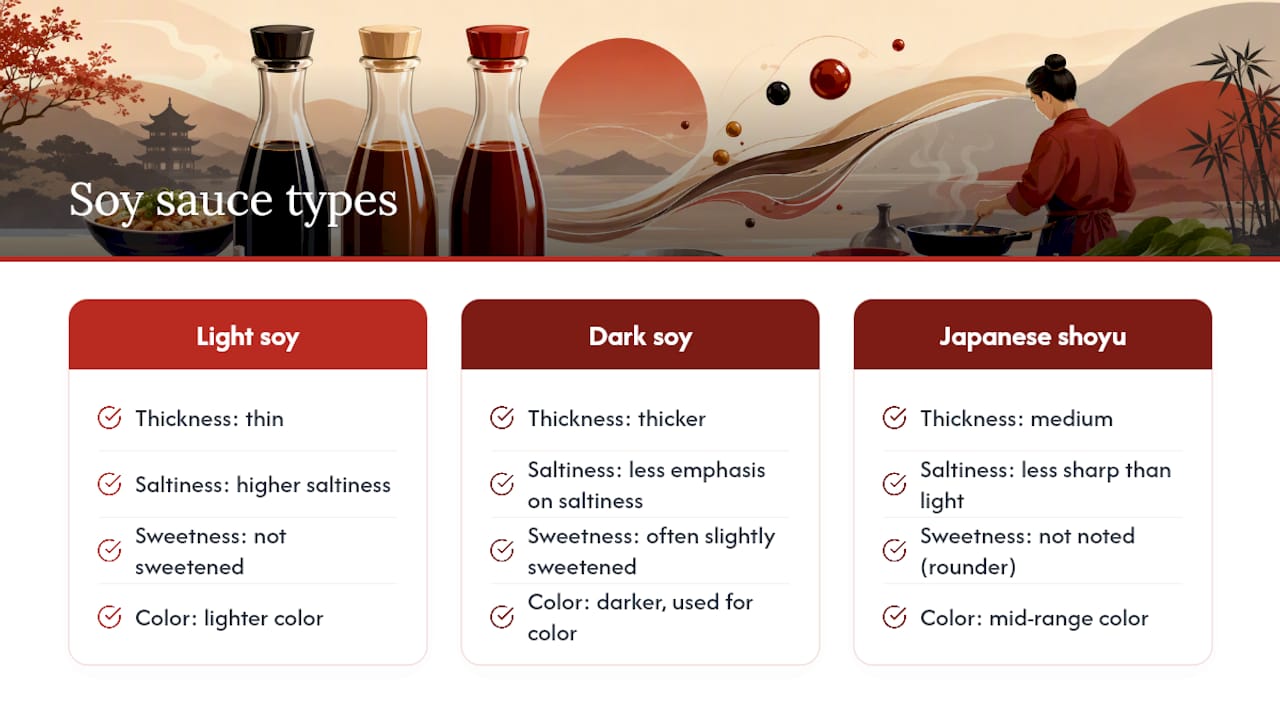
Tamari vs Soy Sauce: The Differences That Matter in a Recipe
Here’s the shortlist worth remembering when you’re standing in front of your pantry mid-recipe:
- Ingredients and gluten risk: Tamari is often brewed with little or no wheat, but “tamari” is not a legal guarantee of gluten-free. Always check the label.
- Flavor: Soy sauce brings a bright, sharp saltiness up front. Tamari brings a rounder, deeper umami with less bite, a contrast Kikkoman describes in its tamari flavor comparison.
- Viscosity: Tamari is thicker and holds its body under heat, which makes it the better pick for glazes and reductions. Soy sauce is thinner, so it disperses fast, which is exactly what you want in a quick stir-fry.
- Sodium: Both sauces are genuinely high in sodium per tablespoon, based on standard entries in USDA FoodData Central. Reduced-sodium versions of both exist and can cut that number substantially.
None of these differences is dramatic enough to ruin a dish if you use the “wrong” one. But stacked together, they explain why a glaze made with soy sauce sometimes turns thin and sharp when the recipe wanted something closer to lacquer.
When to Use Tamari vs Soy Sauce in Real Cooking
- Dipping sauces and dressings. Tamari’s rounder flavor works better undiluted, straight from the bottle next to sushi or dumplings, where a harsher soy sauce can overpower delicate fish.
- Glazes and finishing sauces. Because tamari holds body under heat, it reduces into a glossier, thicker glaze. This matters for something like a broiled teriyaki salmon with a ginger mirin lacquer, where the sauce needs to cling rather than run.
- Stir-fries and quick sautés. Soy sauce’s thinner consistency and sharper salt note season fast-cooked vegetables and proteins without needing to reduce first, which is the whole point of a weeknight stir-fry.
- Marinades and braises. Soy sauce’s brightness cuts through fat in longer-cooked dishes, while tamari can taste muddier in a braise that runs for hours since there’s nothing sharp left to balance the richness.
Swap one for the other in any of these and the dish still works. Swap tamari into a five-minute stir-fry, though, and you’ll notice it sits flatter without that lift soy sauce provides.
How to Substitute Tamari for Soy Sauce (and Back)
Ratios matter here more than most home cooks expect, mostly because tamari and soy sauce aren’t equally salty or equally thick.
- Replacing tamari with soy sauce: Start at 50 to 75 percent of the amount the recipe calls for, then taste and adjust. Soy sauce is sharper and often saltier by volume, so a straight swap risks over-salting, a caution Serious Eats backs directly.
- Replacing soy sauce with tamari: You can generally go 1:1, but still taste partway through cooking, since tamari’s rounder profile can mask how much salt is actually in the dish.
- Timing the addition: Soy sauce’s thin body means it blends in almost instantly, so add it early or mid-cook. Tamari’s thickness holds up better if added toward the end, especially in a reduction, so it doesn’t lose body over long heat.
Pro Tip: If you’re building a glaze or lacquer, use tamari and let it reduce slowly rather than trying to thicken a thinner soy sauce with cornstarch. Tamari keeps a natural glossy body that soy sauce loses once it’s diluted down for a quick swap.
For a broader look at pantry swaps beyond these two, Forkwardkitchen’s guide to fish sauce substitutes covers the same taste-and-adjust logic.
Do You Need to Refrigerate Tamari and Soy Sauce?
Both sauces are shelf-stable enough to sit in a pantry unopened for a long time, and neither strictly requires refrigeration once opened. That said, Serious Eats notes many manufacturers recommend refrigerating both after opening to keep the flavor from drifting flat or overly sharp over months of exposure to air and light.
Keep the cap on tight and store the bottle somewhere cool and dark either way. If the sauce smells noticeably more bitter or the color has darkened unusually fast, it’s past its best window.
Sodium, Gluten, and MSG: What to Actually Worry About
- Sodium: Both sauces run high per tablespoon. Reduced-sodium versions exist for both, and reading the Nutrition Facts label for serving size helps you compare brands accurately rather than guessing.
- Gluten: Tamari is frequently the safer choice for gluten-free cooking, but “safer” isn’t “guaranteed.” Check every bottle’s ingredient list, since some tamari still contains wheat.
- MSG: Fermentation naturally produces glutamates in both sauces, which is where a lot of that umami punch comes from. That’s chemically different from added MSG, even though the flavor effect overlaps.
What Forkwardkitchen’s Recipe Testing Says About These Swaps
Recipes from Forkwardkitchen are tested in a real kitchen, with sauce swaps treated the same way. The consistent finding: testers reach for tamari specifically when a recipe reduces or glazes, because it keeps its body under heat instead of thinning out.
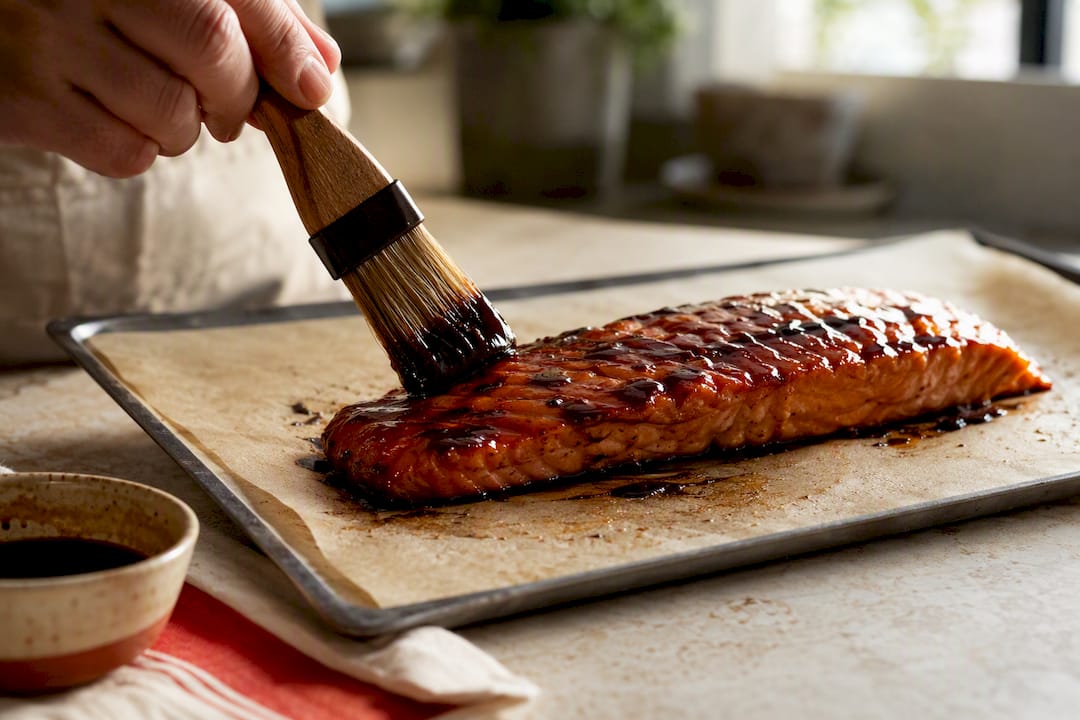
That’s reflected in recipes like the all-purpose stir-fry sauce, built around soy sauce’s quick-seasoning strength, versus the teriyaki salmon glaze, where tamari’s thickness does the heavy lifting. Each recipe page states honest difficulty ratings and the specific swap ratio that worked in testing, rather than a generic “substitute as needed” note.
Should You Keep Both in Your Pantry?
If you cook mostly stir-fries and marinades, one good soy sauce covers you. But the moment you start glazing salmon or reducing a sauce, a small bottle of tamari earns its shelf space fast. Keep both if you can; if not, tamari’s versatility edges it out as the single bottle worth owning.
— Oloru
Try These Tested Recipes Next
Reading about tamari and soy sauce only gets you so far. Forkwardkitchen tests every sauce ratio in an actual kitchen before it goes on the page, which means you’re not guessing at “to taste” when a recipe calls for soy or tamari.

Start with the all-purpose stir-fry sauce if you want a fast weeknight base built around soy sauce’s sharp seasoning strength, or try the broiled teriyaki salmon with ginger mirin lacquer to see tamari’s thicker body do its job in a real glaze. Both recipe pages list exact swap ratios tested in advance, so you can substitute with confidence instead of pouring blind. Browse the full recipe collection for more tested pantry swaps like this one.
Sources
- When to Use Soy Sauce vs. Tamari for Better-Tasting Dishes — Serious Eats
- What Is Tamari? Taste, Uses & How It Compares to Soy Sauce — Kikkoman USA
- USDA FoodData Central
FAQ
Can I Substitute Soy Sauce for Tamari?
Yes, generally 1:1, but taste as you cook since tamari’s rounder flavor can hide how much salt you’ve actually added.
Which Is Healthier, Tamari or Soy Sauce?
Neither has a clear health edge; both are high in sodium per tablespoon, according to USDA FoodData Central, so check for reduced-sodium versions of either.
Does Tamari Need to Be Refrigerated?
It’s not strictly required, but manufacturers commonly recommend refrigerating tamari after opening to preserve its flavor, per Serious Eats.
Does Tamari Have MSG?
No added MSG, typically, but fermentation naturally produces glutamates in tamari, which is a different thing chemically from added MSG despite the similar umami effect.