Classic Filipino Pancit Bihon Recipe with Chicken and Vegetables
An authentic pancit bihon recipe featuring thin rice noodles, shredded chicken, and crisp vegetables finished with a savory soy-citrus sauce. Easy Filipino comfort food.
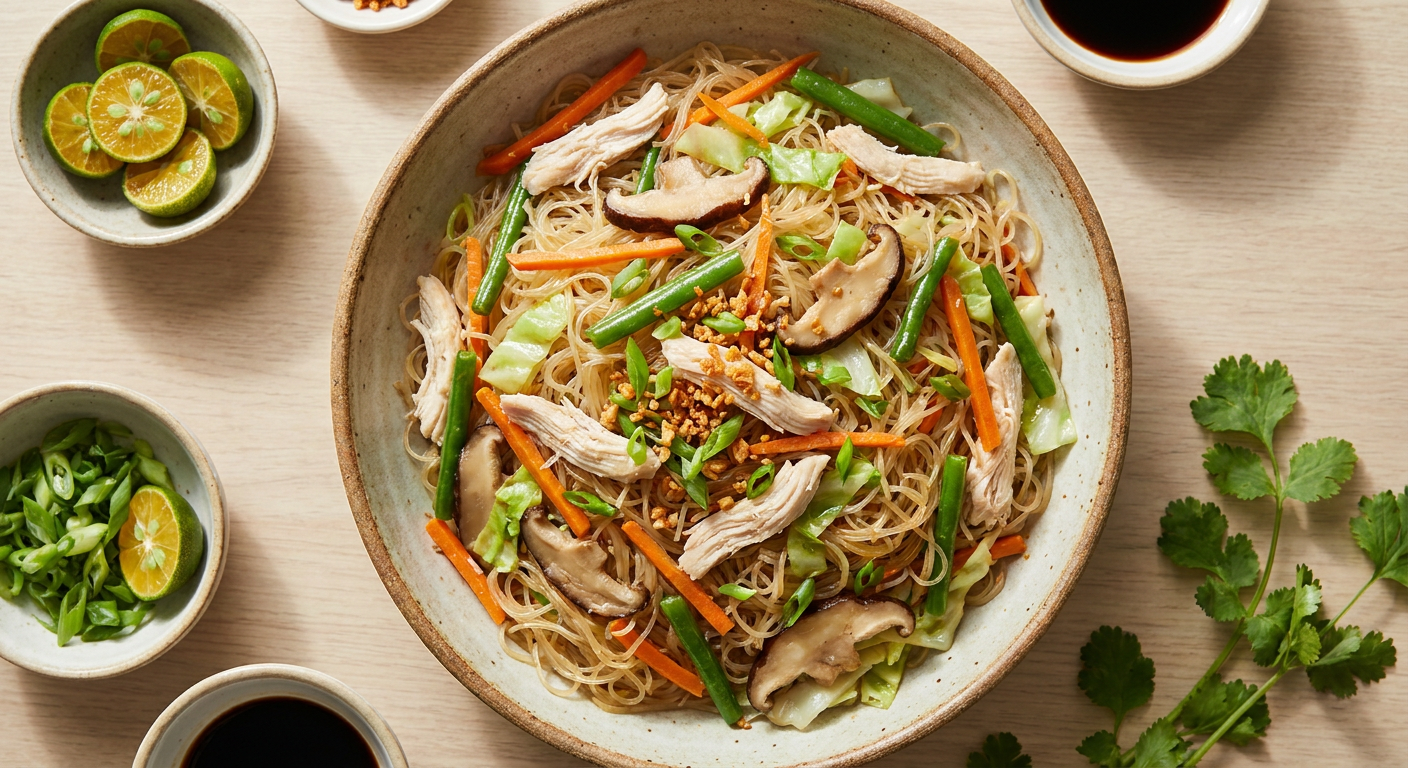

This classic pancit bihon recipe is the ultimate Filipino comfort food, traditionally served at birthdays to symbolize long life. Unlike other stir-fries that can turn mushy, this method focuses on soaking the thin rice noodles just until they are pliable, allowing them to absorb a savory chicken-soy broth in the wok for maximum flavor.
Making filipino pancit bihon at home is surprisingly simple once you have your prep work done. It is essentially a balanced rice noodle stir fry with chicken, packed with crunchy cabbage, sweet carrots, and snap peas, all brightened by a final squeeze of fresh calamansi or lime.
The secret to a great stir fry is the texture. We briefly sear the chicken and aromatics, then deglaze with a seasoned broth before tossing in the noodles. This ensures the noodles are seasoned to the core without losing their distinct bite.
Ingredients
Noodles and Protein
- 227g (8 oz) thin rice vermicelli (bihon noodles)
- 450g (1 lb) boneless skinless chicken thighs, sliced into thin strips
- 2 tablespoons vegetable oil
- 115g (4 oz) Chinese sausage (lap cheong), sliced thin (optional)
Vegetables and Aromatics
- 1 small yellow onion, thinly sliced
- 4 cloves garlic, minced
- 1 large carrot, julienned
- 2 cups green cabbage, shredded
- 1 cup snow peas or snap peas, trimmed
- 2 stalks celery, thinly sliced
Sauce and Garnish
- 710ml (3 cups) chicken stock, low sodium
- 60ml (4 tablespoons) soy sauce
- 1 tablespoon oyster sauce
- 1/2 teaspoon cracked black pepper
- 2-3 calamansi fruits (or 1 lime), halved
- 2 green onions, sliced for garnish
Instructions
- 1
Place the dry rice bihon noodles in a large bowl of room-temperature water and soak for 10 minutes until pliable but not soft; drain and set aside.
- 2
Heat 1 tablespoon of oil in a large wok or wide skillet over medium-high heat.
- 3
Sauté the chicken strips and Chinese sausage (if using) until the chicken is browned and cooked through, about 5-6 minutes; remove from the pan and set aside.
- 4
Add the remaining tablespoon of oil to the same pan and sauté the onions, garlic, and celery until fragrant and softened.
- 5
Toss in the carrots, cabbage, and snow peas, stir-frying for 2-3 minutes until they are crisp-tender; remove the vegetables and set aside with the chicken.
- 6
Pour the chicken stock, soy sauce, oyster sauce, and black pepper into the wok and bring to a rolling boil.
- 7
Add the drained rice noodles to the boiling liquid and use tongs to toss them constantly as they absorb the broth.
- 8
Continue cooking until the liquid has almost completely evaporated and the noodles are tender but still distinct.
- 9
Return the cooked chicken and vegetables to the wok, tossing everything together for 1-2 minutes to reheat.
- 10
Remove from heat, garnish with green onions, and serve immediately with calamansi halves for squeezing over the top.
Nutrition (per serving)
Estimates only — not medical or dietary advice.
- Calories
- 585 kcal
- Protein
- 34 g
- Carbs
- 56 g
- Fat
- 25 g
- Fiber
- 4 g
- Sugar
- 5 g
- Sodium
- 1420 mg
Tips
- → Do not over-soak the noodles in hot water; room temperature water for 10 minutes prevents them from becoming brittle or mushy when they hit the hot broth.
- → If the noodles look dry before they are fully cooked, add an extra 1/4 cup of chicken stock at a time until the desired texture is reached.
- → Always remove the vegetables after the initial stir-fry and add them back at the end to ensure they stay vibrant and crunchy.
FAQ
Why does my pancit bihon turn out mushy?
Mushy noodles usually happen if you soak them for too long or in water that is too hot. Soak them in room temperature water just until they are flexible, and let them finish cooking in the broth in the wok.
What can I use if I can't find calamansi?
Calamansi is a Filipino citrus that tastes like a cross between a lime and an orange. If you can't find it, a fresh lime wedge is the best substitute to provide that essential hit of acidity.
Can I make this pancit bihon recipe vegetarian?
Yes, simply swap the chicken for firm tofu cubes, use vegetable broth instead of chicken stock, and replace the oyster sauce with a vegetarian stir-fry sauce or extra soy sauce.
You might also like
 Dinner
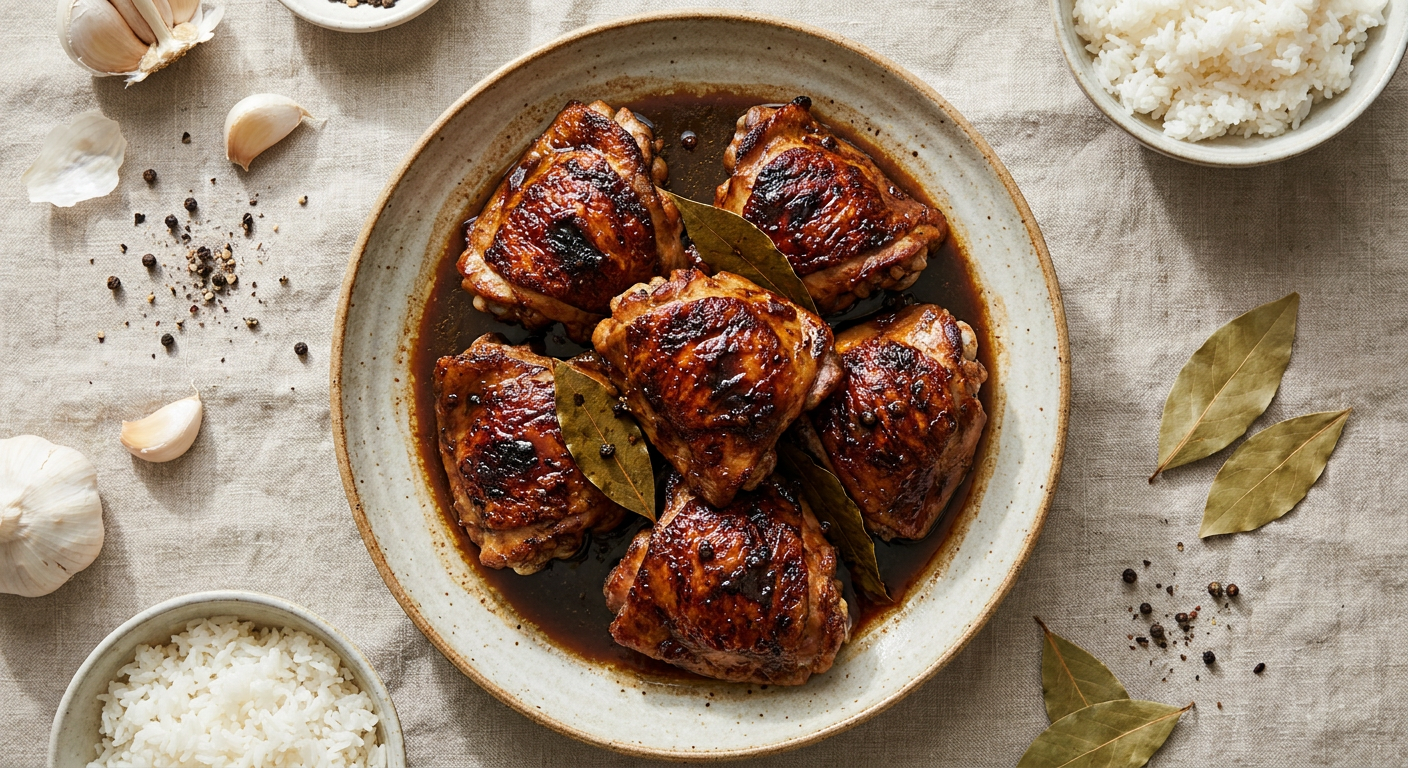
Traditional Filipino Chicken Adobo with Crispy Skin
Learn to make authentic Filipino chicken adobo with tender thighs, a savory soy-vinegar glaze, and crispy skin. A simple, one-pot dinner that defines comfort food.
 Dinner
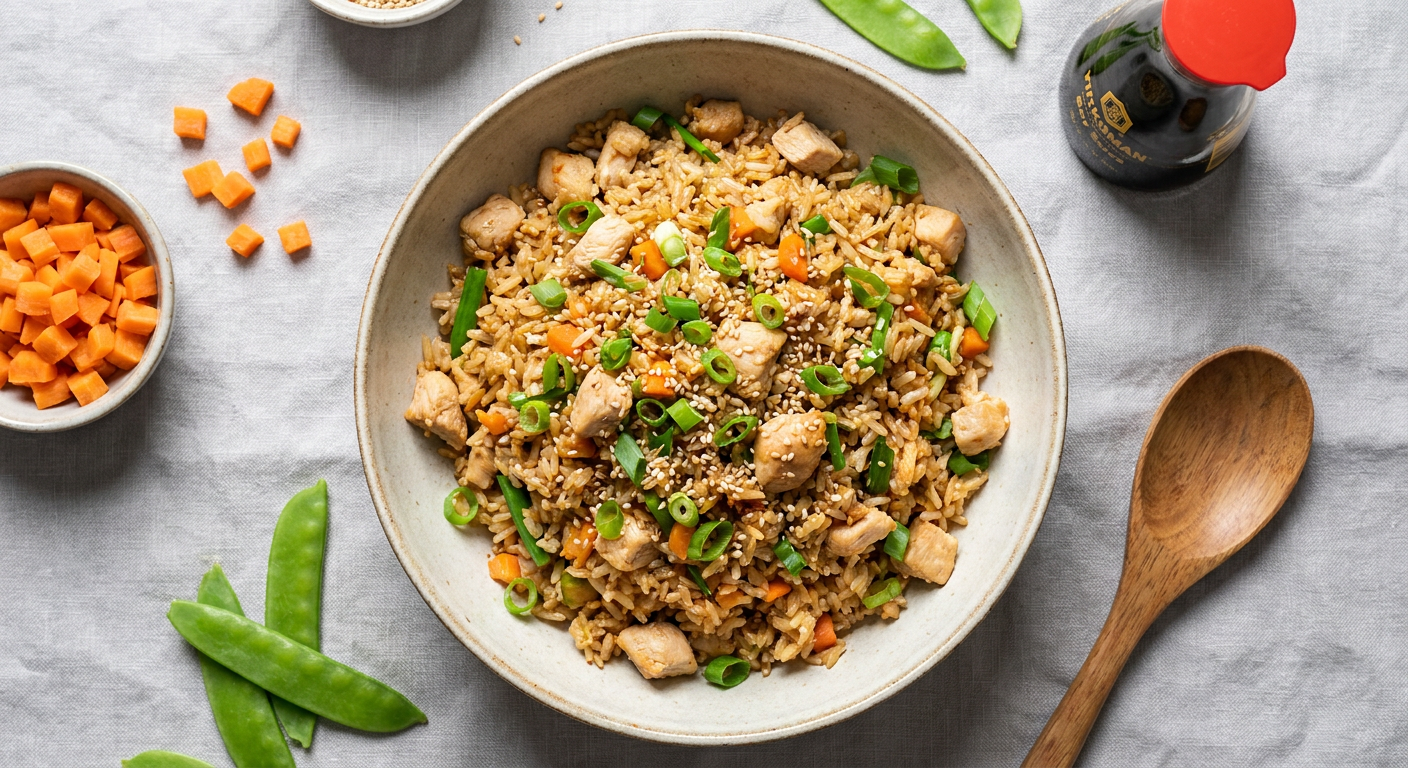
Better Than Takeout Chicken Fried Rice Recipe
Master this chicken fried rice at home. Featuring velveted chicken, day-old jasmine rice, and a high-heat wok sear, it is better than takeout and ready in 20 minutes.
 Dinner
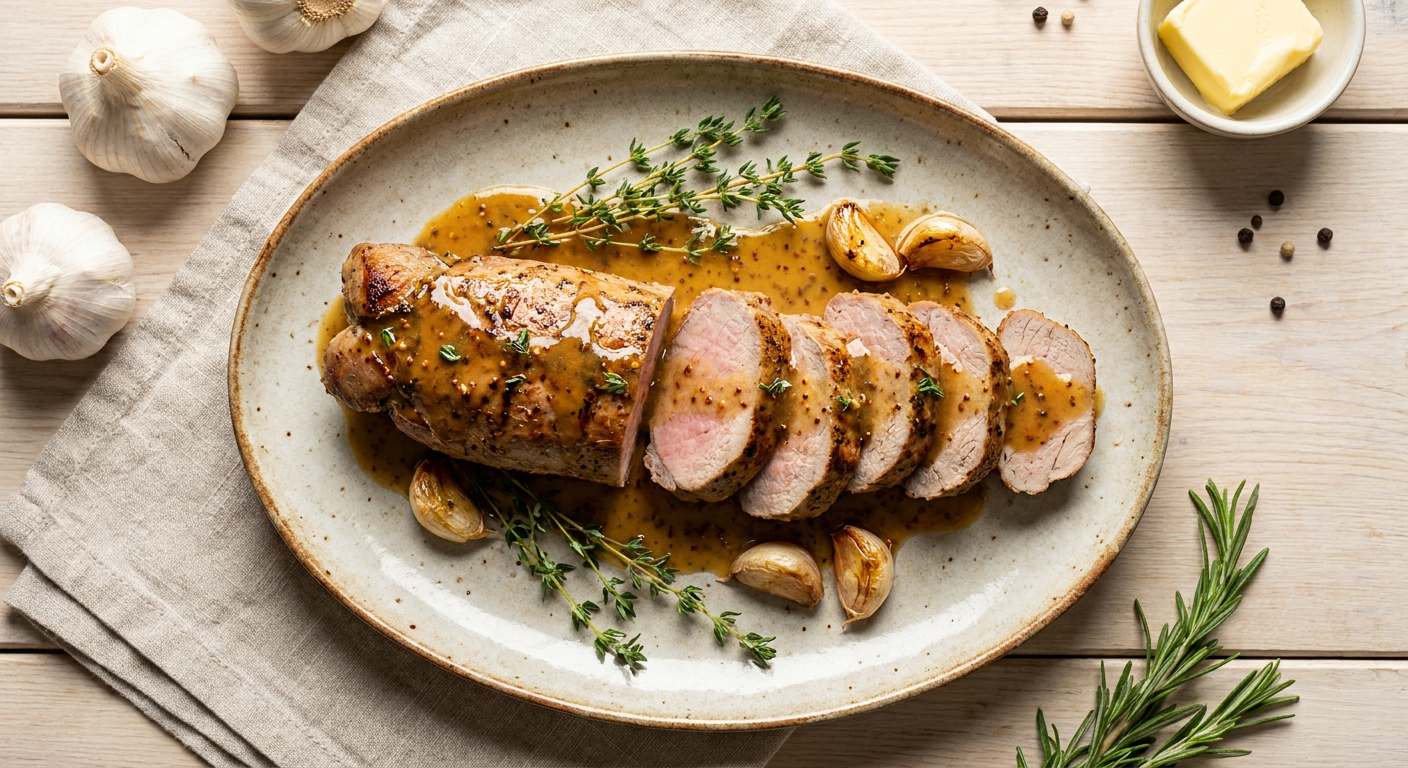
Juicy Garlic Herb Pork Tenderloin Recipe with Pan Sauce
This easy pork tenderloin recipe features a garlic-herb rub and a silky mustard-butter sauce. Learn how to make a juicy oven baked pork tenderloin every single time.
 Dinner
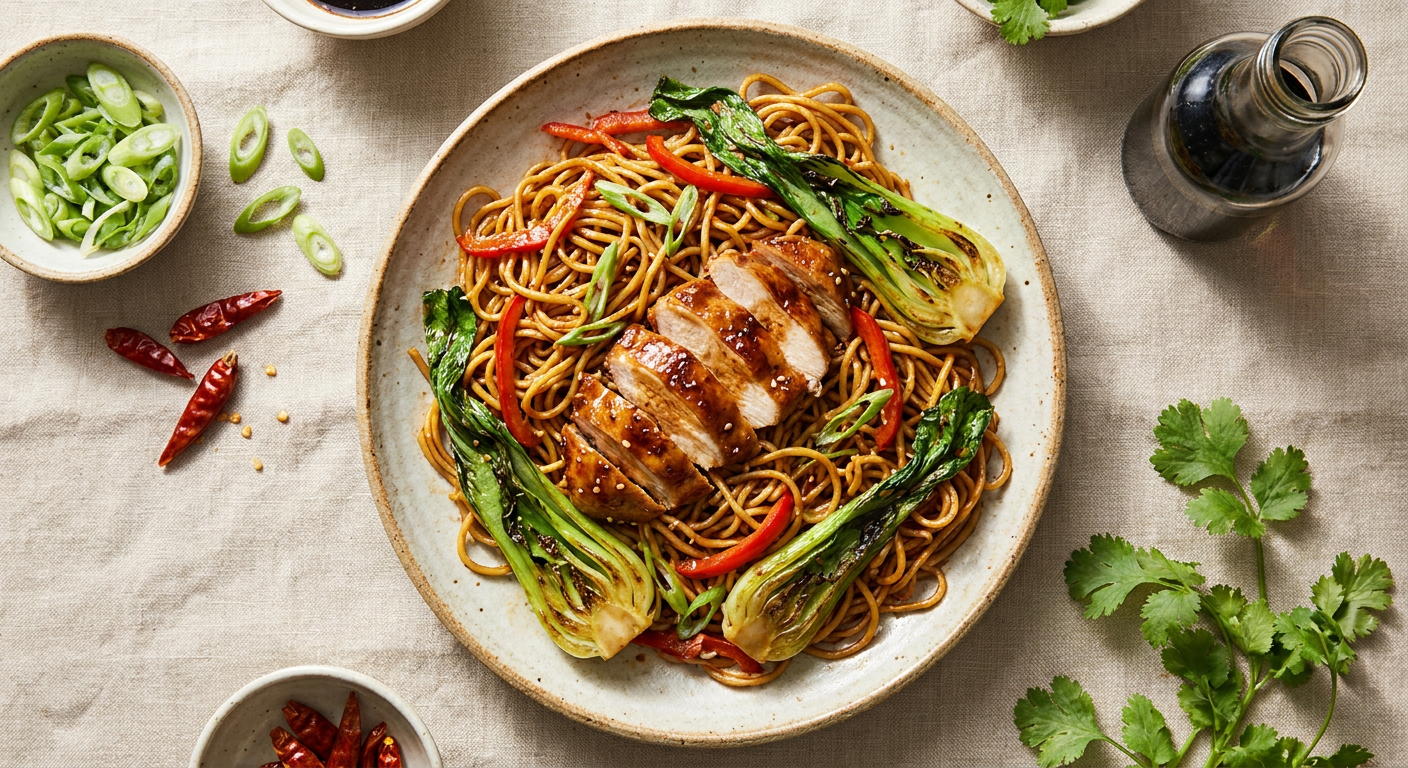
Crispy Smoky Chicken Chow Mein Recipe with Velveted Meat
Master this authentic chicken chow mein recipe featuring tender velveted chicken, pan-crisped noodles, and a smoky takeaway style sauce that stays dry and bold.