Authentic Matoke Recipe: Steamed Green Banana Stew
This authentic matoke recipe features tender green bananas steamed in banana leaves over a rich, savory beef and groundnut stew. A classic Ugandan comfort meal.
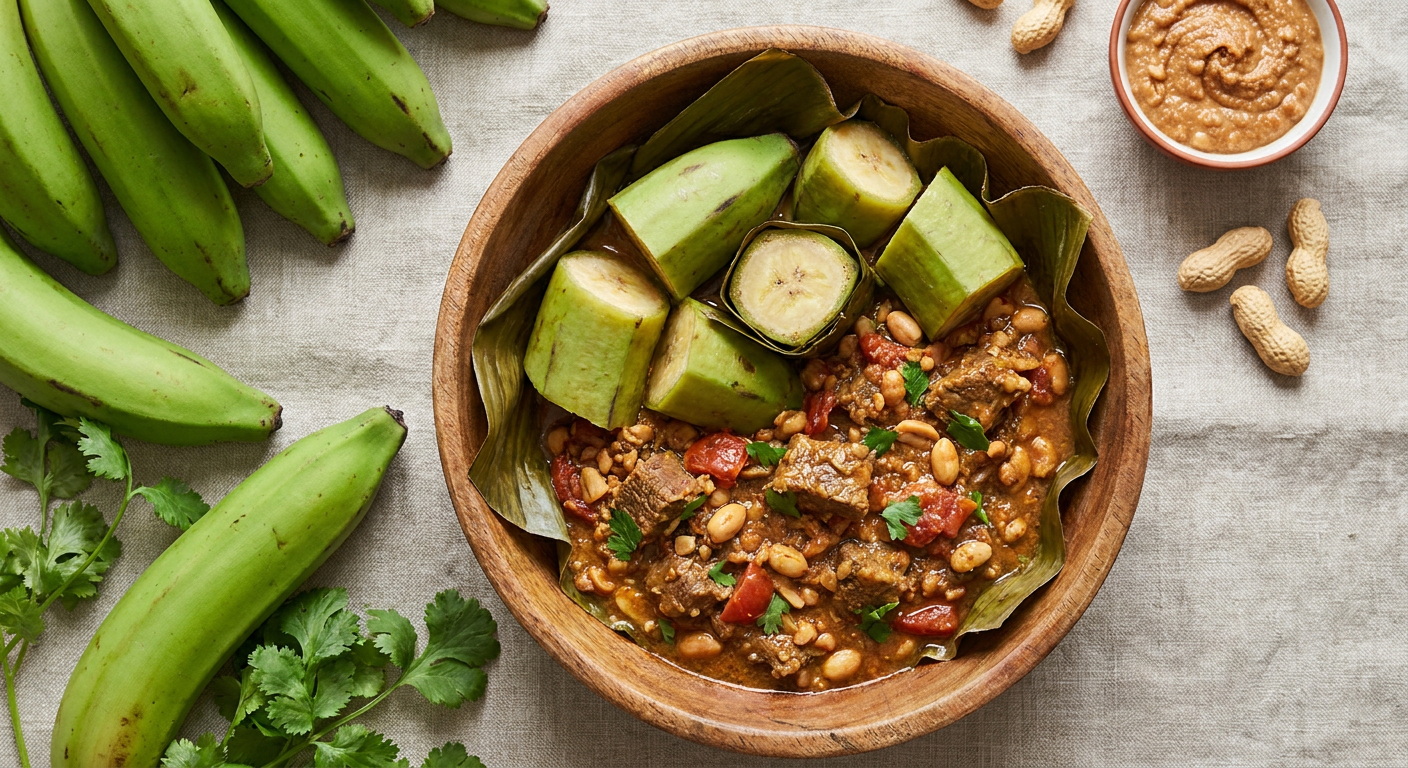

If you are looking for a true taste of Kampala, this authentic matoke recipe is the ultimate comfort dish. Unlike sweet dessert bananas, Ugandan matoke are starchy green highland bananas that transform into a silky, savory mash when steamed correctly.
In this version, we prepare a traditional steamed green banana stew by nestling the peeled fruit inside banana leaves directly over a simmering pot of beef and groundnuts. This technique allows the bananas to absorb the aromatic steam from the stew, resulting in a depth of flavor you won't get from boiling alone.
Whether you serve it chunky or mashed into a smooth puree, the combination of tender beef and the earthy richness of g-nut (peanut) sauce makes this a centerpiece of East African home cooking.
Ingredients
The Matoke
- 10-12 large green matoke (Ugandan highland bananas)
- 2-3 large banana leaves (fresh or thawed from frozen)
- 1 tablespoon lemon juice (to prevent browning while peeling)
Beef and Groundnut Stew
- 500g (1.1 lbs) beef chuck, cut into 1-inch cubes
- 150g (1 cup) raw groundnuts (peanuts), toasted and ground into a fine paste
- 2 medium onions, finely diced
- 3 cloves garlic, minced
- 2 large tomatoes, chopped
- 1 green bell pepper, diced
- 1 tablespoon tomato paste
- 1 teaspoon salt, plus more to taste
- 1/2 teaspoon black pepper
- 500ml (2 cups) beef stock or water
Instructions
- 1
Prepare the matoke by oiling your hands (to prevent sap sticking) and peeling the green skins off with a small knife. Place peeled bananas in a bowl of water with lemon juice.
- 2
Sear the beef cubes in a large, heavy-based pot over medium-high heat until browned on all sides. Remove the beef and set aside.
- 3
In the same pot, sauté the onions until soft, then add the garlic, bell pepper, and tomatoes. Cook until the tomatoes break down into a thick sauce.
- 4
Stir in the tomato paste, salt, and pepper. Return the beef to the pot and add the beef stock or water. Bring to a gentle simmer.
- 5
Mix a small amount of warm water into the groundnut paste to create a smooth slurry, then stir this into the pot. The sauce will begin to thicken.
- 6
Line a separate steamer basket or the top of the beef mixture with softened banana leaves (warm them over a flame briefly to make them pliable).
- 7
Place the peeled matoke onto the leaves, fold the leaves over to enclose the bananas completely, and cover the pot with a tight-fitting lid.
- 8
Simmer on low heat for 45-60 minutes. The matoke are done when they turn a deep yellow color and are soft enough to be pierced easily with a fork.
- 9
Remove the wrapped matoke. You can serve them whole or mash them inside the leaves with a wooden spoon until smooth and velvety.
- 10
Serve the hot mashed matoke alongside the rich beef and groundnut stew.
Nutrition (per serving)
Estimates only — not medical or dietary advice.
- Calories
- 685 kcal
- Protein
- 34 g
- Carbs
- 82 g
- Fat
- 26 g
- Fiber
- 9 g
- Sugar
- 14 g
- Sodium
- 740 mg
Tips
- → Always oil your hands and the knife blade before peeling matoke; the sticky latex sap is difficult to remove otherwise.
- → If you cannot find banana leaves, you can use parchment paper covered with foil, though you will lose the subtle earthy aroma the leaves provide.
- → For the smoothest groundnut sauce, ensure the peanuts are ground until they start to release their oils, similar to a natural peanut butter.
- → Don't rush the steaming. Matoke needs time to lose its astringency and develop that signature buttery texture.
FAQ
Can I use regular green grocery store bananas for this matoke recipe?
No, standard Cavendish bananas (even when green) have a different sugar content and texture. Look for 'matoke' or 'green highland bananas' at African or Latino markets (where they may be near the plantains).
How do I know when the matoke is fully cooked?
The color is the best indicator. Raw matoke is white/cream; once perfectly steamed, it turns a distinct, pale yellow-orange and becomes very soft.
Why does my matoke taste bitter?
Bitterness usually means the bananas were undercooked or weren't steamed long enough to break down the tannins. Ensure they are fork-tender before mashing.
Is matoke the same as a plantain?
No. Matoke is shorter and starchier than a plantain. While you can use this method for plantains, the flavor will be much sweeter and the texture less creamy.
You might also like
 Dinner
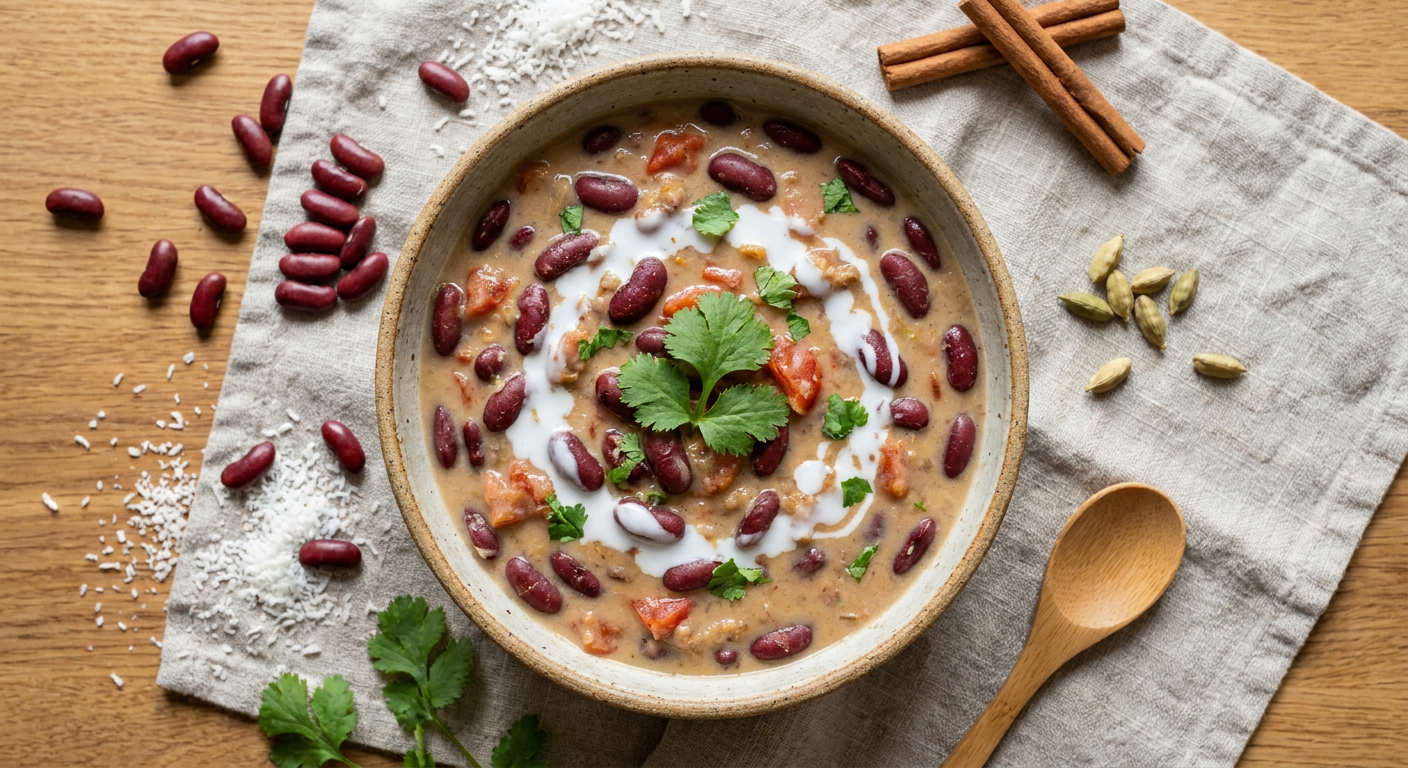
Creamy Maharagwe ya Nazi Recipe: Kenyan Coconut Beans
This authentic maharagwe ya nazi recipe simmers red kidney beans in rich coconut milk with Swahili spices for a creamy, comforting Kenyan bean stew.
 Dinner
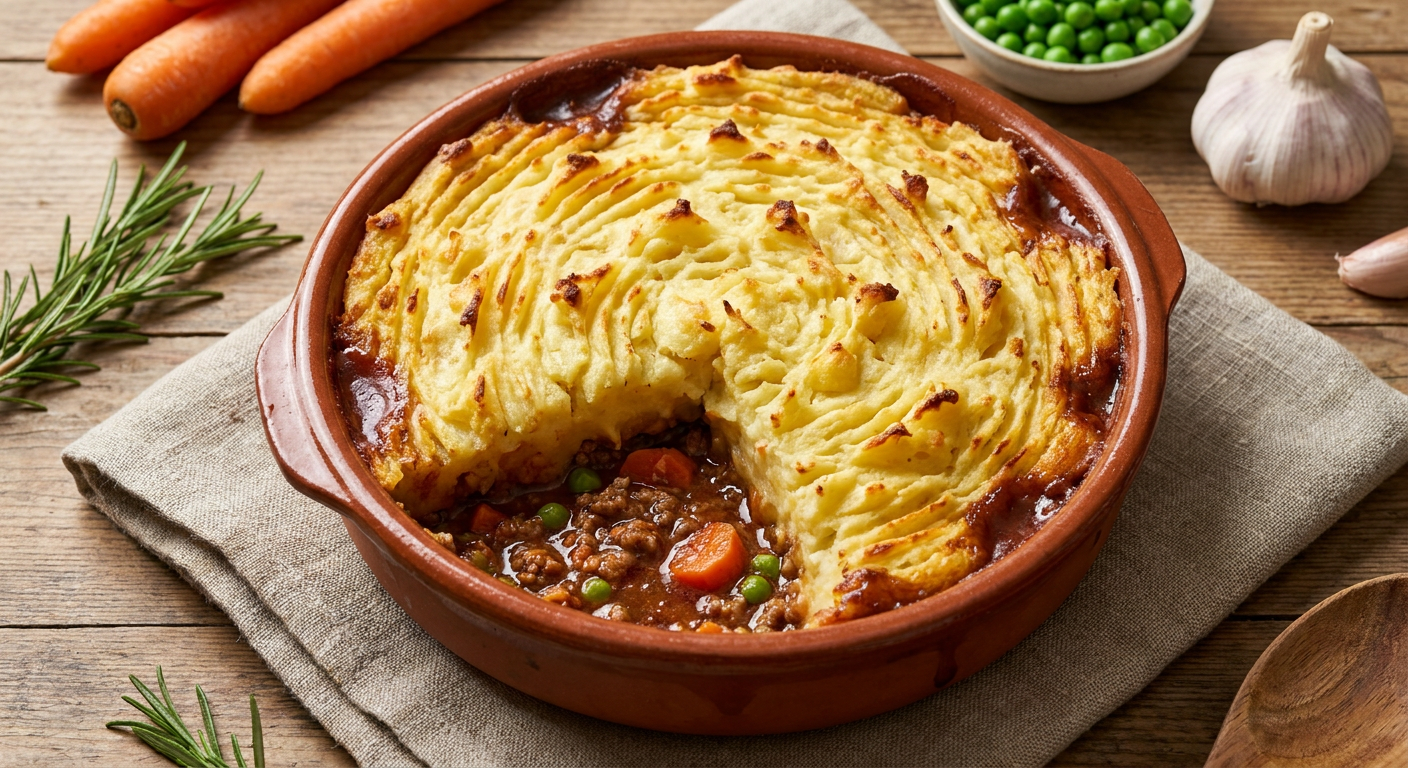
Proper Shepherd's Pie Recipe with Rich Lamb Gravy
This authentic shepherd's pie recipe features tender ground lamb in a rich red wine gravy, topped with buttery mashed potatoes forked into crispy golden ridges.
 Dinner
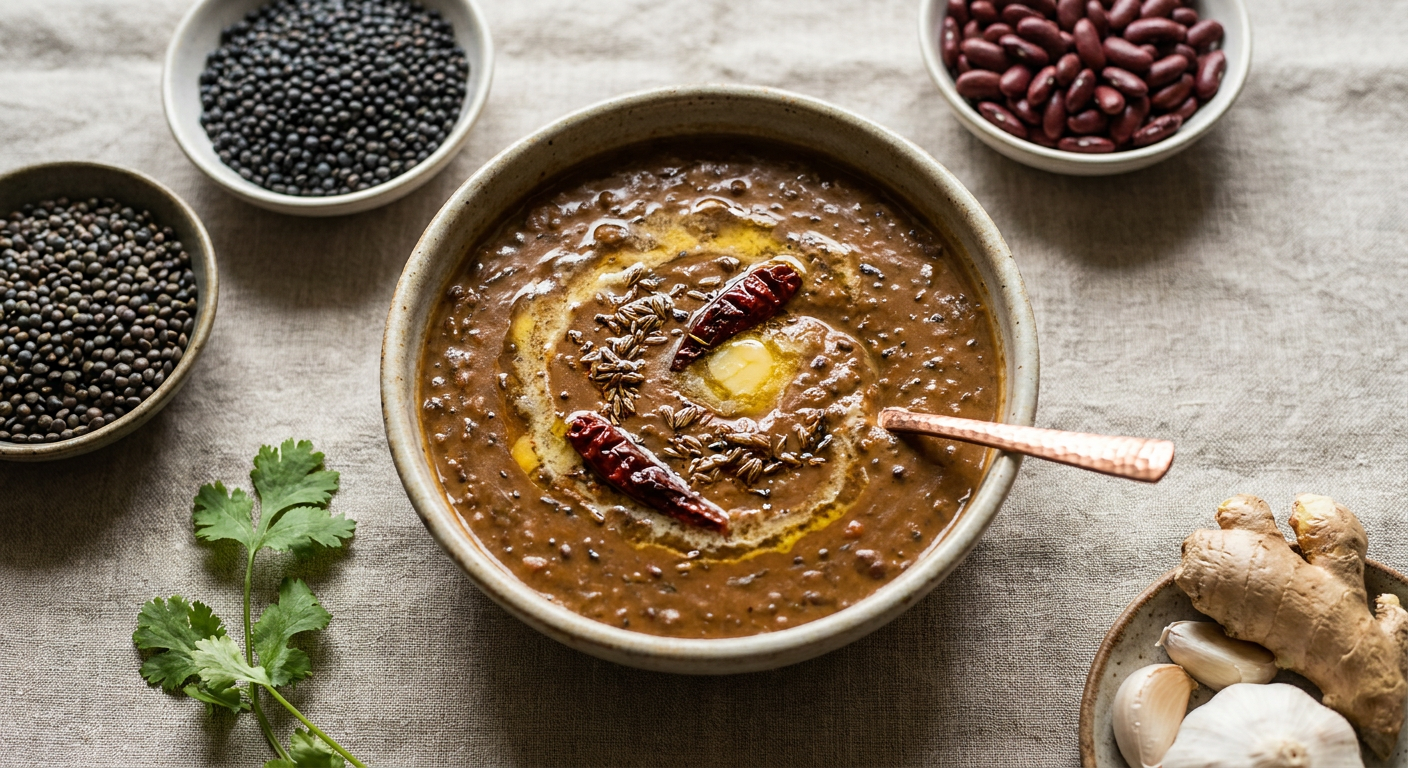
Creamy Dal Makhani Recipe with Smoky Ghee Tempering
This authentic dal makhani recipe yields restaurant-quality results at home. Simmer slow cooked urad dal and rajma into a rich, buttery, and smoky masterpiece.
 Dinner
Crispy Chicken Schnitzel Recipe with Souffléed Crust
Master this chicken schnitzel recipe for a crispy, golden crust that soufflés away from the meat. Pounded thin and fried in clarified butter for the ultimate crunch.