Crispy Pan-Fried Japanese Gyoza With Pork and Chives
Master authentic Japanese gyoza with this step-by-step guide. Featuring a juicy pork and garlic chive filling and a signature lacy, crispy bottom for the perfect bite.
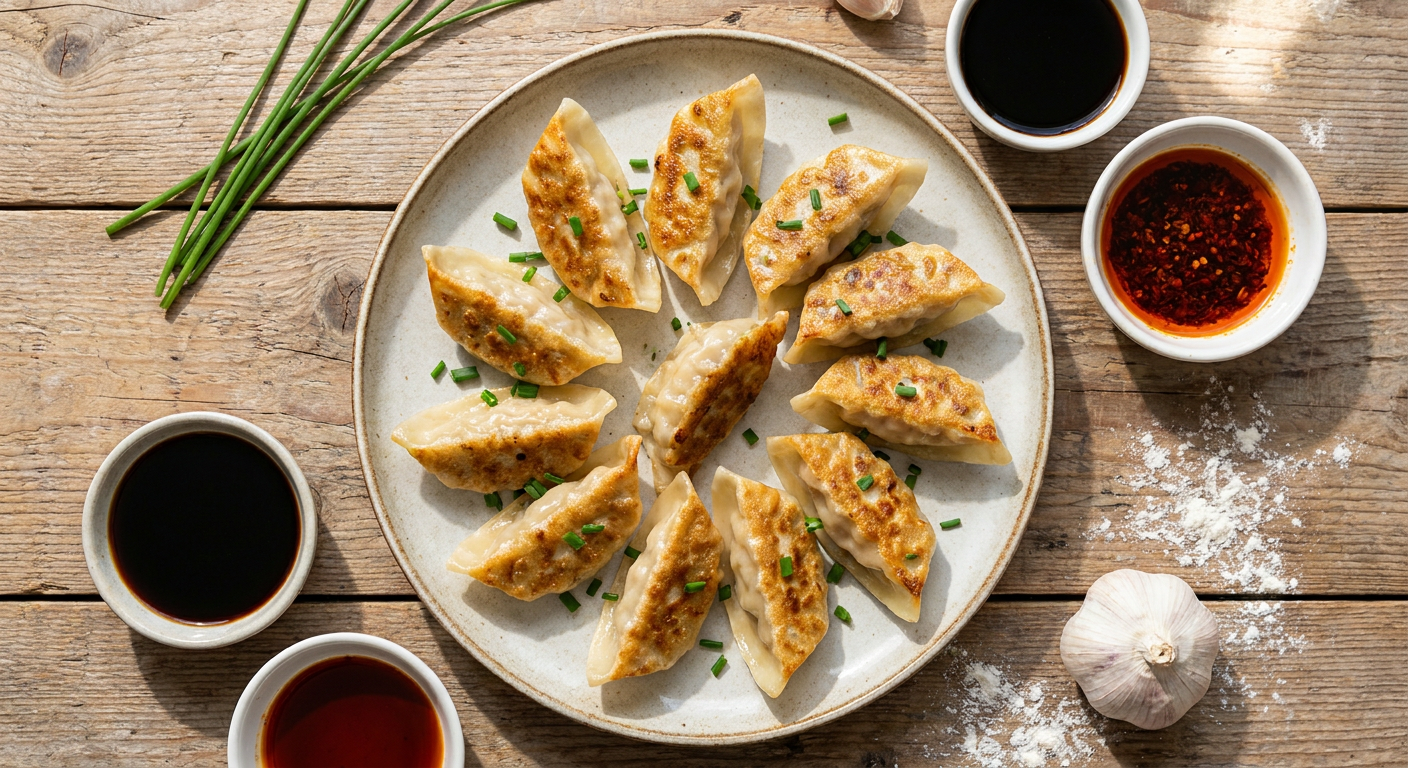

There is nothing quite like a plate of golden, pan-fried Japanese gyoza served hot from the skillet. Unlike other dumplings, gyoza are defined by their thinner skins and a specific cooking technique that yields a shatteringly crisp bottom and a tender, steamed top.
Making pork potstickers from scratch might seem intimidating, but the secret to a professional result lies in the cabbage. By salting and squeezing the moisture out of the greens, you ensure this gyoza recipe stays succulent and flavorful without ever becoming watery or soggy.
Whether you are hosting a dinner party or just craving a salty, savory snack, these dumplings deliver. We use a combination of ground pork, aromatic garlic chives, and a splash of sake to create a filling that tastes exactly like what you'd find in a Tokyo izakaya.
Ingredients
The Filling
- 1 lb (450g) ground pork (preferably 20% fat)
- 2 cups finely minced green cabbage
- 1/2 teaspoon kosher salt (for wilting cabbage)
- 1 bunch garlic chives (nira), finely chopped (substitute scallions if needed)
- 2 cloves garlic, grated
- 1 inch fresh ginger, grated
- 1 tablespoon soy sauce
- 1 tablespoon toasted sesame oil
- 1 tablespoon sake
- 1/2 teaspoon sugar
- 1/4 teaspoon ground white pepper
Assembly and Frying
- 40-50 gyoza wrappers (round)
- 1 tablespoon neutral oil (grapeseed or canola)
- 1/2 cup water
- 1 teaspoon toasted sesame oil (for the finish)
Chili-Vinegar Dip
- 2 tablespoons soy sauce
- 2 tablespoons rice vinegar
- 1 teaspoon rayu (Japanese chili oil)
Instructions
- 1
Prep the cabbage by tossing the minced leaves with 1/2 teaspoon salt in a bowl; let sit for 15 minutes until softened.
- 2
Squeeze the cabbage firmly with your hands or a kitchen towel to remove as much liquid as possible; discard the liquid.
- 3
Combine the squeezed cabbage, ground pork, garlic chives, garlic, ginger, soy sauce, sesame oil, sake, sugar, and white pepper in a large bowl.
- 4
Mix the filling vigorously in one direction with your hand or a spatula until the mixture becomes slightly tacky and pale in color.
- 5
Hold a gyoza wrapper in your non-dominant hand and place 1 rounded teaspoon of filling in the center.
- 6
Wet the edge of the wrapper with a finger dipped in water, fold in half, and create 5-8 small pleats along one side, pressing firmly to seal against the flat back side.
- 7
Heat 1 tablespoon of neutral oil in a large non-stick skillet over medium-high heat.
- 8
Arrange the gyoza in the pan in a circular or row pattern, flat-side down, and fry for 2 minutes until the bottoms are light golden brown.
- 9
Pour 1/2 cup of water into the pan and immediately cover with a tight-fitting lid to trap the steam.
- 10
Steam for 5-6 minutes, or until the water has almost completely evaporated and the wrappers look translucent.
- 11
Remove the lid and drizzle 1 teaspoon of sesame oil around the edges; continue cooking for 1-2 minutes until the bottoms are dark gold and lacy-crisp.
- 12
Invert the gyoza onto a plate and serve immediately with the chili-vinegar dipping sauce.
Nutrition (per serving)
Estimates only — not medical or dietary advice.
- Calories
- 520 kcal
- Protein
- 26 g
- Carbs
- 44 g
- Fat
- 26 g
- Fiber
- 3 g
- Sugar
- 2 g
- Sodium
- 1180 mg
Tips
- → Don't skip the cabbage squeeze; excess moisture is the enemy of a crisp gyoza and will cause the wrappers to tear.
- → Use a non-stick pan or a well-seasoned cast iron skillet to ensure the dumplings release easily without losing their crispy crust.
- → If you have extra gyoza, freeze them on a parchment-lined tray before transferring to a bag; they can be cooked straight from frozen (just add 2 minutes to the steaming time).
FAQ
Can I use wonton wrappers instead of gyoza wrappers?
Wonton wrappers are typically thinner and square. While they work in a pinch, gyoza wrappers are thicker and round, designed to withstand the fry-steam-fry method better.
Why does my gyoza filling fall apart?
You likely didn't mix the pork enough. Kneading the meat mixture until it becomes sticky helps the proteins bind, ensuring a cohesive patty inside the wrapper.
How do I get the 'lacy' bottom on my gyoza?
For an extra-lacy effect, whisk 1 teaspoon of flour or cornstarch into the steaming water before pouring it into the pan.
Can I make these with ground chicken or turkey?
Yes, but since poultry is leaner, add an extra teaspoon of sesame oil to the filling to keep it from drying out.
You might also like
 Dinner
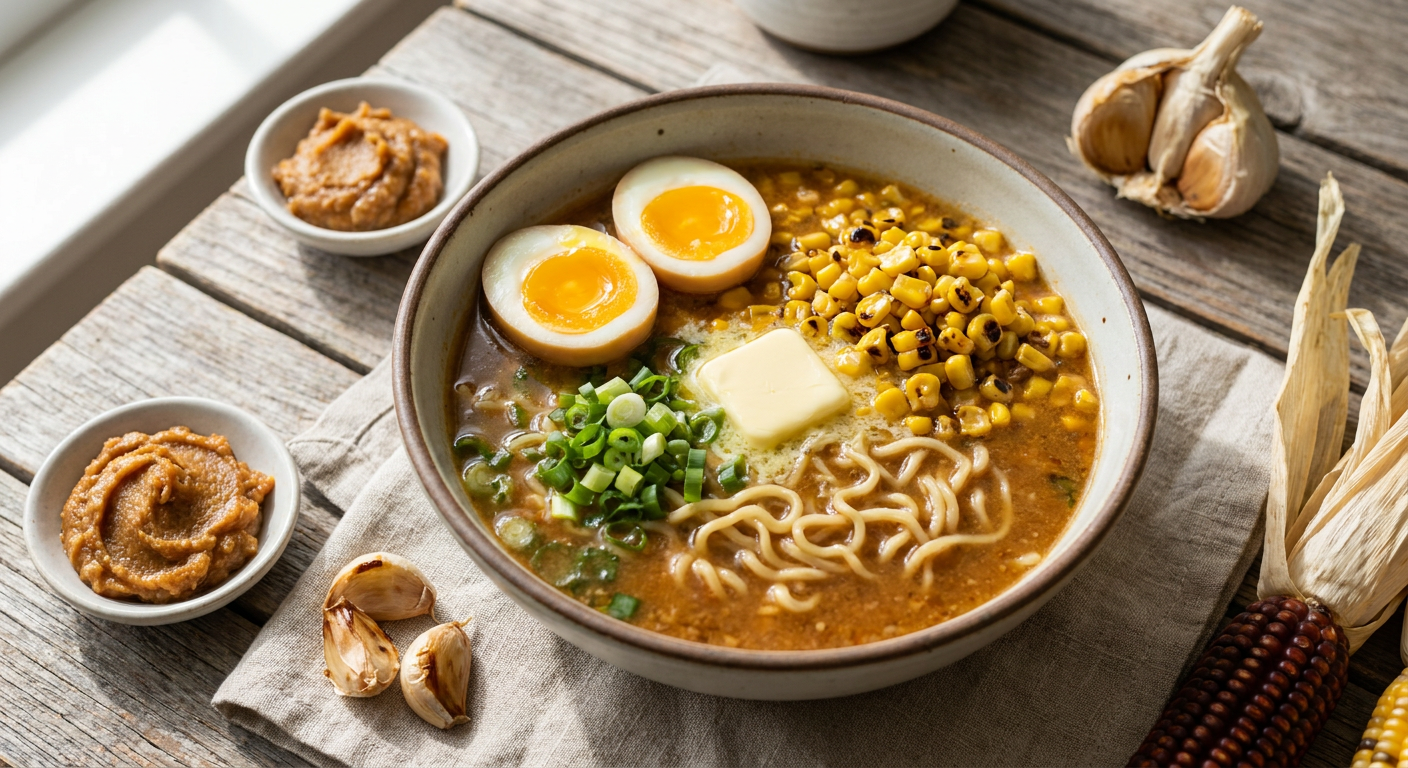
Miso Garlic Butter 20 Minute Ramen with Charred Corn
This 20 minute ramen features a rich miso-garlic-butter broth, jammy eggs, and charred corn. A quick homemade ramen that delivers restaurant-quality flavor fast.
 Dinner
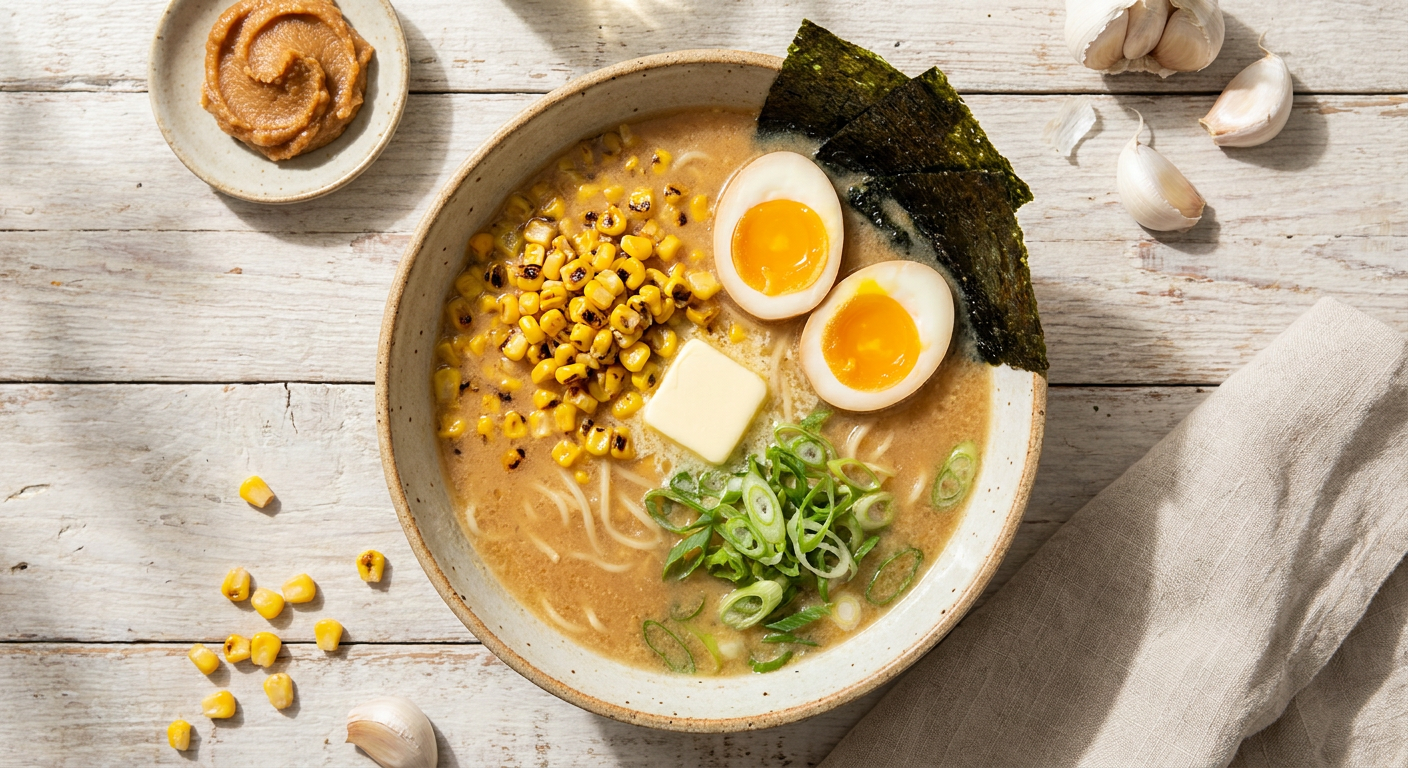
20 Minute Ramen with Miso Garlic Butter Broth
This 20 minute ramen features a rich miso-garlic-butter broth, charred corn, and jammy eggs. A quick homemade ramen that delivers real restaurant flavor in record time.
 Dinner
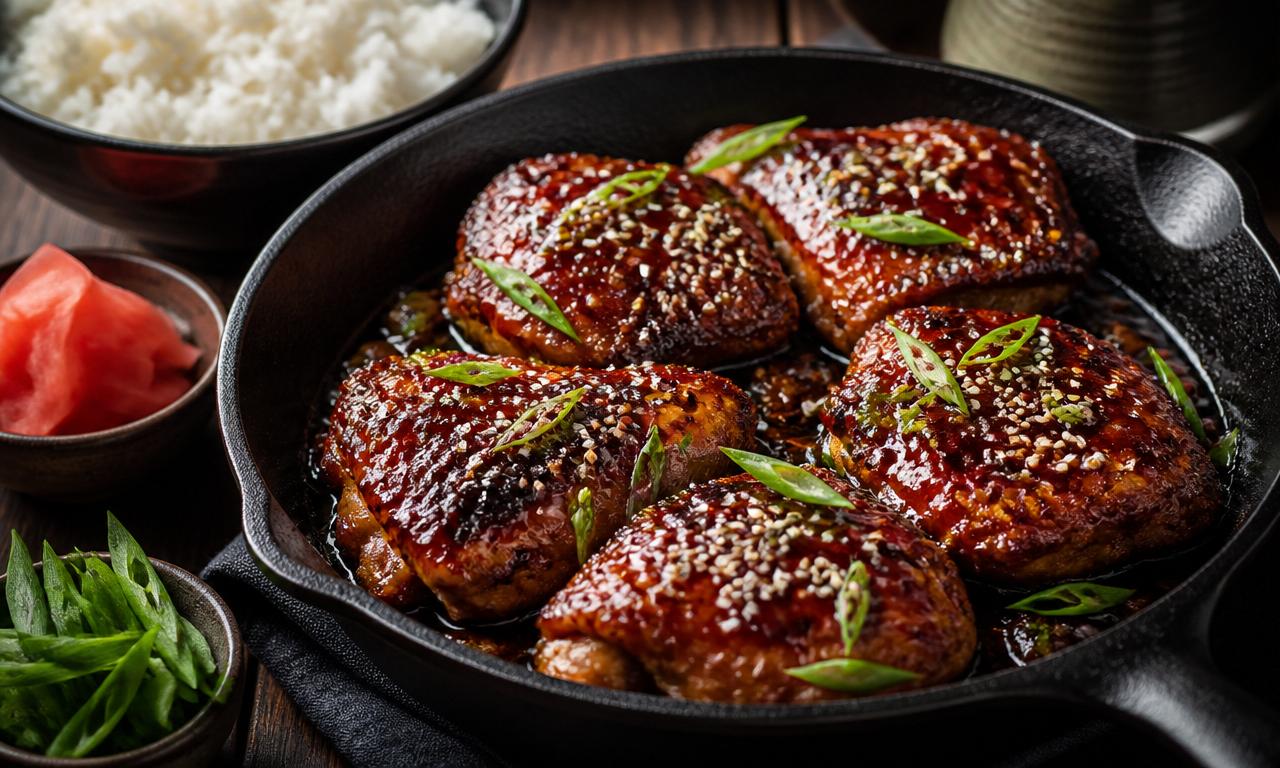
Crispy Skin Teriyaki Chicken with Honey-Soy Glaze
Learn how to make authentic teriyaki chicken with a glossy 5-ingredient sauce. This recipe features crispy-skinned chicken thighs and a perfectly reduced homemade glaze.
 Dinner
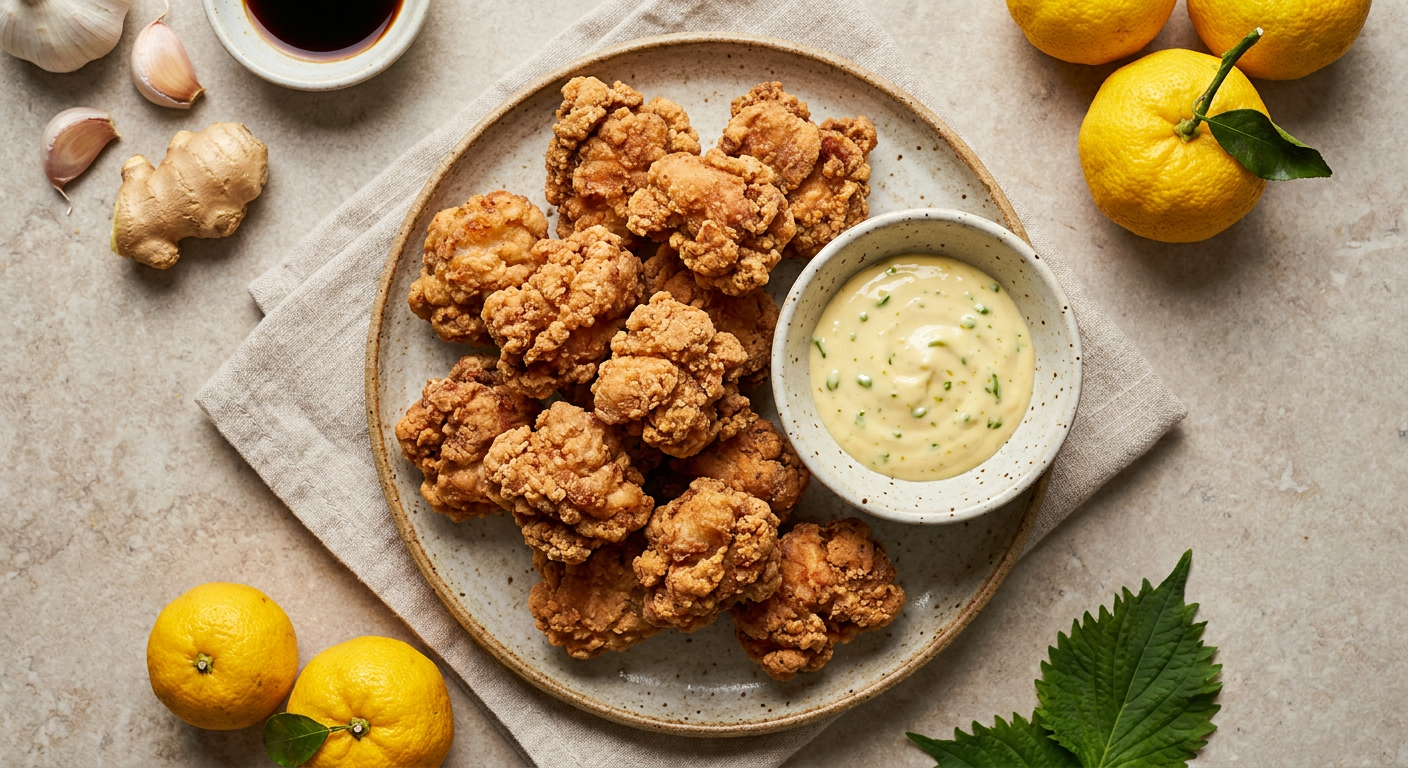
Extra Crispy Chicken Karaage Recipe with Yuzu Kosho Mayo
This chicken karaage recipe features a soy-ginger marinade and a potato starch coating. Double-fried for a shattering shell and served with a zesty yuzu kosho mayo.