July 23, 2026
The Best Buttermilk Substitute for Home Baking
Discover the best buttermilk substitute for your baking needs. From vinegar to yogurt, find the perfect option for delicious cakes, biscuits, and more!
The Best Buttermilk Substitute for Home Baking
The best buttermilk substitutes you can use right now
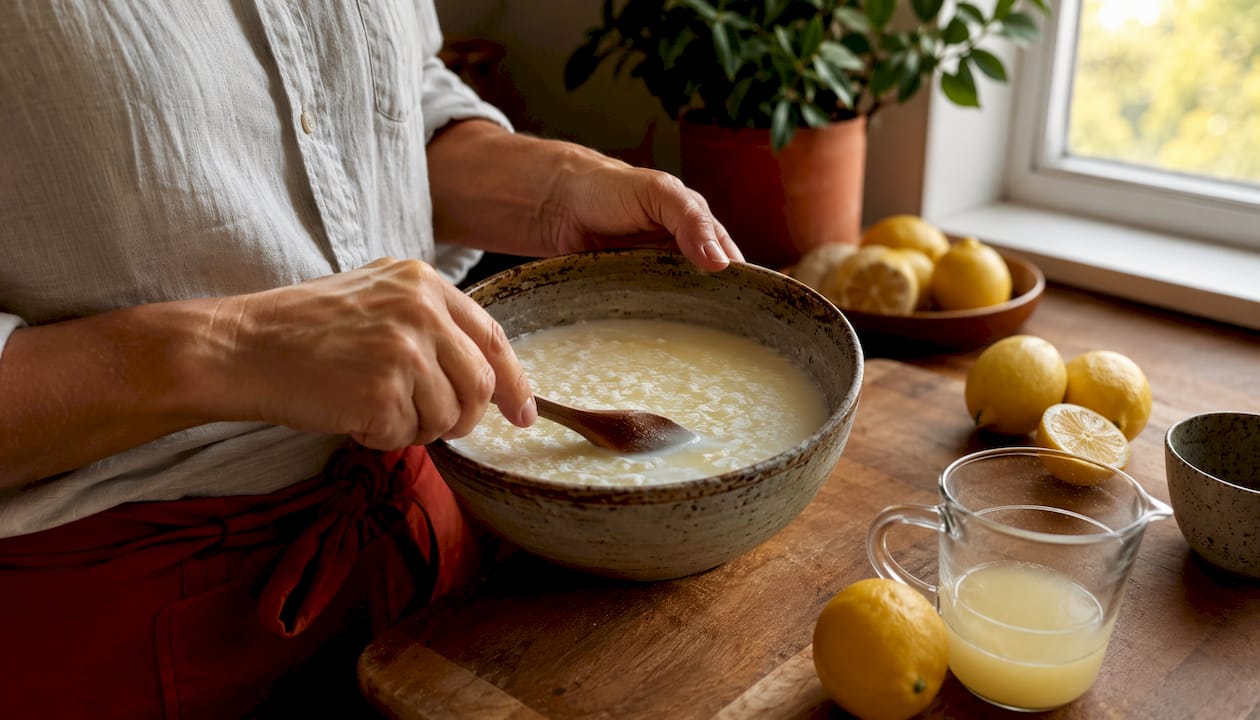
The fastest buttermilk substitute you can make is 1 tablespoon of white vinegar or lemon juice topped up with milk to the 1-cup line. Stir, wait five minutes, and you have a drop-in replacement that works in cakes, biscuits, pancakes, and muffins. That’s the short answer. Below are all the options, dairy and non-dairy, so you can pick the one that fits your pantry and your recipe.
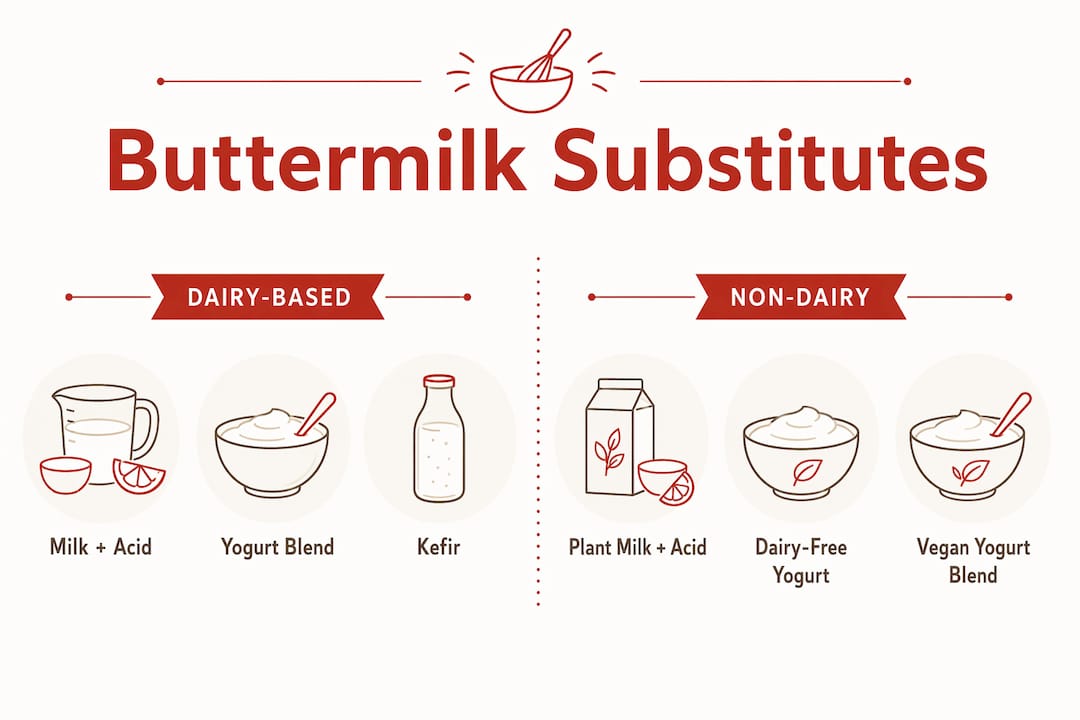
Dairy-based substitutes:
- Milk + white vinegar or lemon juice: 1 tablespoon acid + enough milk to make 1 cup. The most neutral-flavored option and the easiest to scale.
- Sour cream: Thin ¾ cup sour cream with ¼ cup milk or water to reach a pourable consistency. Adds richness and a mild tang. Best for dense baked goods like pound cake or coffee cake.
- Plain yogurt: Same ratio as sour cream. Full-fat yogurt gives a closer texture match; low-fat works but produces a slightly thinner batter.
- Kefir: Use it straight, 1:1. Kefir is already liquid and acidic, so no thinning or acid addition needed. Its tang is more pronounced than milk-based substitutes.
- Cream of tartar + milk: Whisk 1¾ teaspoons cream of tartar into 1 cup of milk. Good when you’re out of vinegar and lemon juice both.
Non-dairy substitutes:
- Soy milk + acid: 1 tablespoon vinegar or lemon juice + enough unsweetened soy milk to make 1 cup. Soy milk curdles and thickens better than other plant milks, making it the closest non-dairy match.
- Almond milk + acid: Same ratio as soy milk. Thinner consistency, mild flavor. Works well in pancakes and lighter cakes.
- Oat milk + acid: Slightly thicker than almond milk, with a faint sweetness. Good for muffins and quick breads.
- Dairy-free yogurt + plant milk: Combine ⅔ cup dairy-free yogurt with ½ cup plant-based milk. This richer dairy-free blend mimics cultured buttermilk more closely than simple acidified milk.
All of these substitute 1:1 by volume in any recipe calling for buttermilk. The acid is what matters most for leavening; the milk base affects texture and flavor.
Table of Contents
- What buttermilk actually does in your baked goods
- How to make a buttermilk substitute step by step
- How the most common substitutes compare
- How to use a buttermilk replacement in recipes
- Forkwardkitchen’s tested insights on buttermilk substitutes
- Key Takeaways
- The part of buttermilk substitutes most guides get wrong
- Forkwardkitchen’s tested baking recipes are ready when you are
What buttermilk actually does in your baked goods
Buttermilk is a cultured dairy product with an acidity around pH 4.5, compared to regular milk’s pH of roughly 6.7. That gap is not trivial. When buttermilk hits baking soda in a batter, the acid-base reaction produces carbon dioxide bubbles, and those bubbles are what give your pancakes their lift and your biscuits their flaky layers.
The second job buttermilk does is tenderize gluten. Acid weakens the protein bonds in flour, which shortens gluten strands and produces a finer, softer crumb. Bake the same cake with regular milk and you’ll notice the difference in texture, not just flavor. Buttermilk’s dual role as a leavening acid and a gluten tenderizer is why it shows up in recipes like red velvet cake, Southern biscuits, and classic pancakes.
The key insight: Buttermilk’s acidity (pH ~4.5) does two things simultaneously — it activates baking soda for lift and weakens gluten for a softer crumb. Any substitute that replicates that acidity will replicate both functions.
Store-bought cultured buttermilk is not the same as the old-fashioned byproduct of churning butter. Modern cultured buttermilk contains beneficial bacteria and thickeners that influence browning and texture in ways a quick acid-milk substitute can’t perfectly copy. You’ll get the leavening and the tenderness. The slight tang and the very specific mouthfeel of real cultured buttermilk? Those are harder to nail, but for most home baking recipes, the difference is minor.
Pro Tip: If your recipe calls for both baking soda and baking powder, the buttermilk is activating the soda. Don’t skip the acid in your substitute, or you’ll lose that activation and end up with a denser result.
How to make a buttermilk substitute step by step
The classic milk-and-acid method
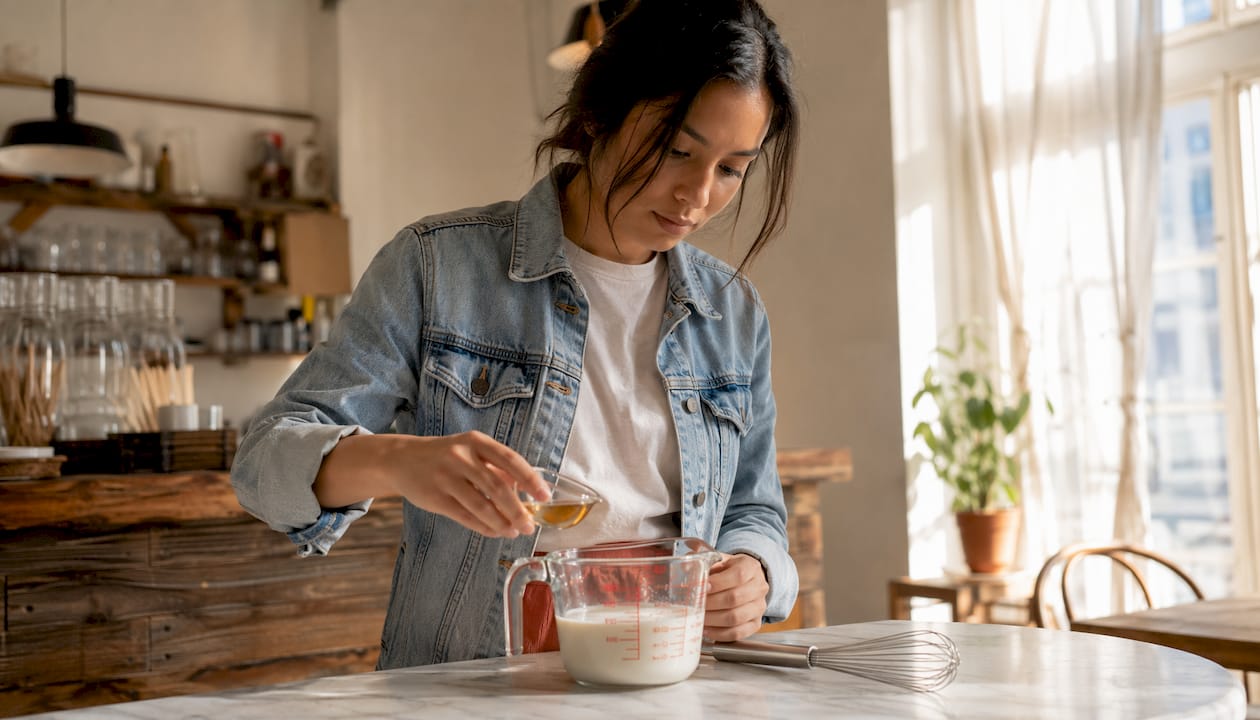
- Pour 1 tablespoon of white vinegar or lemon juice into a liquid measuring cup.
- Add your milk of choice until the liquid reaches the 1-cup line (you’ll use just under a full cup of milk).
- Stir gently and let it sit at room temperature for 5 minutes. You’ll see light curdling. That’s normal.
- Use immediately in your recipe as a direct 1:1 replacement.
For smaller amounts, scale it down: ¾ teaspoon acid + ¼ cup milk = ¼ cup substitute; 1½ teaspoons acid + ½ cup milk = ½ cup substitute.
Making substitutes with sour cream or yogurt
- Measure ¾ cup of plain full-fat yogurt or sour cream into a bowl.
- Add ¼ cup of milk (or water if you want a lighter result).
- Whisk until smooth and pourable. It should flow like thick pancake batter.
- Use 1:1 in place of buttermilk. This version works especially well in bakery-style muffins and dense cakes where extra richness helps.
Kefir
No prep needed. Measure kefir directly into your recipe at the same volume as the buttermilk called for. Its acidity and liquid consistency are already in the right range.
Vegan and dairy-free methods
- For the simplest version: 1 tablespoon vinegar or lemon juice + unsweetened soy milk to the 1-cup line. Stir and use after 5 minutes.
- For a richer result: combine ⅔ cup dairy-free yogurt with ½ cup unsweetened plant milk. Whisk until smooth. This blend is thicker and closer in texture to cultured buttermilk.
- If you want to make your own plant milk base from scratch, homemade almond or oat milk works well in either method above.
Choosing the right acid
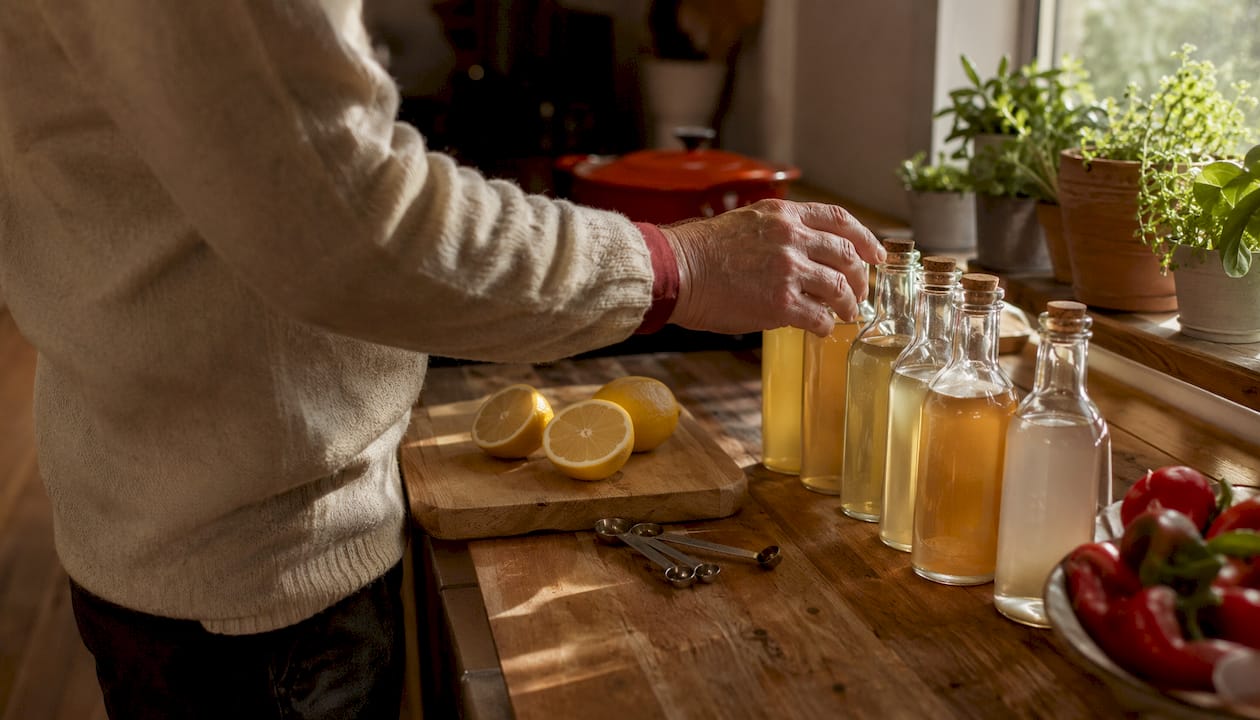
The acid you pick changes the flavor more than most recipes acknowledge. White vinegar is the cleanest choice for neutral-flavored baked goods like vanilla cake or white biscuits. Apple cider vinegar suits heartier recipes like banana bread or whole-wheat muffins, where its slight fruitiness blends in. Lemon juice adds a distinct citrus note, which is great in a lemon pound cake but can read as off in a chocolate cake.
Pro Tip: You don’t need to wait for the milk to fully curdle before using it. Curdling is mostly aesthetic — the acid activates baking soda the moment it hits the batter, not while it’s sitting in the cup. If you’re short on time, mix and use immediately.
Storage and freezing
Homemade buttermilk substitutes keep in the refrigerator for up to 2 days in a sealed container. For longer storage, buttermilk freezes well for up to 3 months with only minor texture change that doesn’t affect baking performance. The most practical method: pour the substitute into an ice cube tray, freeze solid, then transfer the cubes to a zip-lock bag. Each standard cube holds about 2 tablespoons, so you can thaw exactly what a recipe needs.
How the most common substitutes compare
| Type of substitute | Ingredients needed | Flavor impact | Texture impact | Best use cases |
|---|---|---|---|---|
| Milk + white vinegar | Milk, white vinegar | Neutral, very mild tang | Thin, similar to buttermilk | Pancakes, cakes, biscuits, most general baking |
| Milk + lemon juice | Milk, lemon juice | Light citrus note | Thin, similar to buttermilk | Lemon cakes, scones, citrus-forward recipes |
| Sour cream + milk | Sour cream, milk | Richer tang, slightly heavier | Thicker, adds body | Pound cake, coffee cake, dense muffins |
| Plain yogurt + milk | Plain yogurt, milk | Mild tang, slightly creamy | Medium-thick | Muffins, quick breads, pancakes |
| Kefir | Kefir only | Pronounced tang | Thin to medium | Pancakes, waffles, lighter cakes |
| Soy milk + acid | Unsweetened soy milk, vinegar or lemon juice | Neutral to mild | Curdles well, medium body | Any recipe; best all-purpose vegan option |
| Almond milk + acid | Unsweetened almond milk, vinegar or lemon juice | Very mild, slightly nutty | Thin | Pancakes, lighter cakes, muffins |
| Oat milk + acid | Unsweetened oat milk, vinegar or lemon juice | Faint sweetness | Slightly thicker than almond | Muffins, quick breads |
| Dairy-free yogurt + plant milk | Dairy-free yogurt, plant milk | Tangy, closer to cultured | Thick, rich | Dense cakes, biscuits, vegan baking |
Quick pros and cons by category:
- Milk + acid: Easiest to make, most neutral flavor, scales perfectly. Slightly thinner than real buttermilk, and it won’t replicate the browning that cultured buttermilk produces.
- Sour cream or yogurt: Adds richness and a genuine tang. Requires thinning, and the extra fat can make lighter recipes feel heavier than intended.
- Kefir: No prep, already the right consistency. The stronger tang can be noticeable in delicate recipes.
- Non-dairy milk + acid: Accessible for vegan and lactose-intolerant cooks. Soy milk performs best; almond and oat milk produce thinner batters that may need a small adjustment in flour.
- Dairy-free yogurt blend: The closest vegan match to cultured buttermilk in both texture and function, but requires two ingredients and a bit more measuring.
The right choice usually comes down to what’s in your fridge. If you have whole milk and white vinegar, that covers 90% of recipes without any noticeable difference in the finished product.
How to use a buttermilk replacement in recipes
Substituting 1:1
Every substitute listed above replaces buttermilk at the same volume. If a recipe calls for 1 cup of buttermilk, use 1 cup of your substitute. No adjustment needed to the rest of the recipe, as long as your substitute contains acid.
What happens if you skip the acid
Buttermilk’s acid activates baking soda. If you swap in plain milk with no acid, the baking soda won’t react fully, and your baked good will be denser and less risen. If you’re using a substitute without acid (like plain milk or a non-acidic plant milk), either add the acid as directed or replace the baking soda with additional baking powder, which contains its own acid and doesn’t need an external source.
When to choose thick vs. thin substitutes
Thin substitutes (milk + acid, kefir, almond milk + acid) work best in recipes where the batter is already fluid, like pancakes, waffles, and layer cakes. Thick substitutes (sour cream blend, yogurt blend, dairy-free yogurt blend) suit denser batters where extra moisture would throw off the balance, like pound cake or biscuit dough. For protein pancakes and similar high-protein batters, a thinner substitute keeps the texture from getting too heavy.
Storage tips for homemade substitutes
- Use within 2 days if refrigerated.
- Freeze in ice cube portions for a few months.
- Thaw overnight in the fridge or at room temperature for 30 minutes before using.
- Always stir or shake before measuring from a stored batch, as separation occurs.
Common troubleshooting
- Batter seems too thick: Your yogurt or sour cream substitute may need a splash more milk. Add 1 tablespoon at a time until the consistency matches what the recipe describes.
- Baked good didn’t rise well: Check that you included acid in your substitute and that your baking soda is fresh. Baking soda loses potency after about 6 months.
- Flavor tastes slightly off: Lemon juice is the most likely culprit in savory or chocolate recipes. Switch to white vinegar for a cleaner result.
- Vegan batter is too thin: Replace almond or oat milk with soy milk, or use the dairy-free yogurt blend for more body.
Forkwardkitchen’s tested insights on buttermilk substitutes
After testing buttermilk substitutes across dozens of recipes at Forkwardkitchen, a few things stand out that most guides gloss over.
First, acid choice matters more in simple recipes than complex ones. In a plain white cake or a classic buttermilk biscuit, white vinegar keeps the flavor clean. In a banana bread or a spiced muffin, apple cider vinegar blends in naturally and can even add a subtle depth. Lemon juice is genuinely useful in citrus recipes, but it’s easy to overuse. One tablespoon in a chocolate cake batter is enough to leave a faint citrus note that doesn’t belong there.
Second, the curdling step is widely overstated. The acid starts working on baking soda the second it enters the batter, not while it’s sitting in the measuring cup. Waiting the full five minutes produces a more visually curdled mixture, but the baking results are nearly identical whether you wait or not. If you’re in a rush, mix and go.
Third, for vegan baking, the dairy-free yogurt blend consistently outperforms plain acidified plant milk. The combination of ⅔ cup dairy-free yogurt and ½ cup plant milk produces a thicker, protein-richer substitute that holds up better in biscuits and dense cakes. Plain soy milk with acid is fine for pancakes and lighter batters, but for anything where texture is critical, the yogurt blend is worth the extra step.
Pro Tip: When measuring acid for consistency across multiple batches, use a measuring spoon rather than eyeballing it. A half-tablespoon difference in vinegar changes the pH enough to affect how much the baking soda activates, which shows up as a slightly flatter result.
One honest caveat: no quick substitute fully replicates the browning and mouthfeel of real cultured buttermilk. Modern store-bought buttermilk contains live cultures and stabilizers that contribute to a specific crust color and crumb texture. For everyday baking, the difference is minor. For a recipe where buttermilk is the star, like a true Southern buttermilk pie or a classic red velvet cake, buying the real thing is worth it.
Key Takeaways
The acid in any buttermilk substitute is what drives leavening and tenderness in baking, making it the one element you cannot skip regardless of which base you choose.
| Point | Details |
|---|---|
| Acid is non-negotiable | Any substitute must include an acid (vinegar, lemon juice, or naturally acidic dairy) to activate baking soda and tenderize gluten. |
| Easiest all-purpose option | 1 tablespoon white vinegar or lemon juice topped up to 1 cup with milk substitutes 1:1 in nearly any recipe. |
| Best vegan substitute | Unsweetened soy milk with acid curdles and thickens better than almond or oat milk; dairy-free yogurt blend gives the richest result. |
| Freeze for convenience | Pour homemade substitute into an ice cube tray and freeze for up to 3 months; thaw only what each recipe needs. |
| Forkwardkitchen’s approach | Every recipe on Forkwardkitchen includes tested substitution notes and honest difficulty ratings so you know exactly what to expect before you start. |
The part of buttermilk substitutes most guides get wrong
Most articles on this topic treat the five-minute wait as sacred. Stir, wait, use. The implication is that something important is happening in that cup while you stand there. It isn’t. The curdling you see is a physical change in the milk proteins, not a chemical reaction that needs to complete before the substitute is “ready.” The real chemistry happens in the bowl, the moment acid meets baking soda in the batter.
This matters practically. If you’re mid-recipe and realize you’re out of buttermilk, you don’t need to pause everything and watch a cup of milk curdle. Mix your substitute, pour it in, and keep going. The result will be the same.
What actually deserves more attention is the choice of milk base, especially for vegan bakers. Soy milk is not interchangeable with almond milk in this context. Soy milk’s higher protein content means it curdles more visibly and produces a thicker substitute that behaves more like real buttermilk in the batter. Almond milk stays thin and watery, which is fine for pancakes but can leave biscuit dough or cake batter slightly under-hydrated in terms of body. Choosing the right plant milk base is a more consequential decision than whether you wait five minutes or zero.
The other thing worth saying plainly: for most home bakers, the difference between a recipe made with real buttermilk and one made with a good substitute is genuinely small. The acid-base chemistry is replicated. The gluten tenderizing happens. The rise is there. Where you’ll notice a gap is in very delicate recipes where the cultured flavor of real buttermilk is part of the point, or in baked goods where a specific crust color matters. For everything else, a well-made substitute is not a compromise. It’s just a different route to the same result.
Forkwardkitchen’s tested baking recipes are ready when you are
Knowing your substitute options is one thing. Seeing them work in a real recipe is another. At Forkwardkitchen, every recipe is built from scratch and tested until the results are consistent, which means the substitution notes aren’t guesswork. They’re baked in.
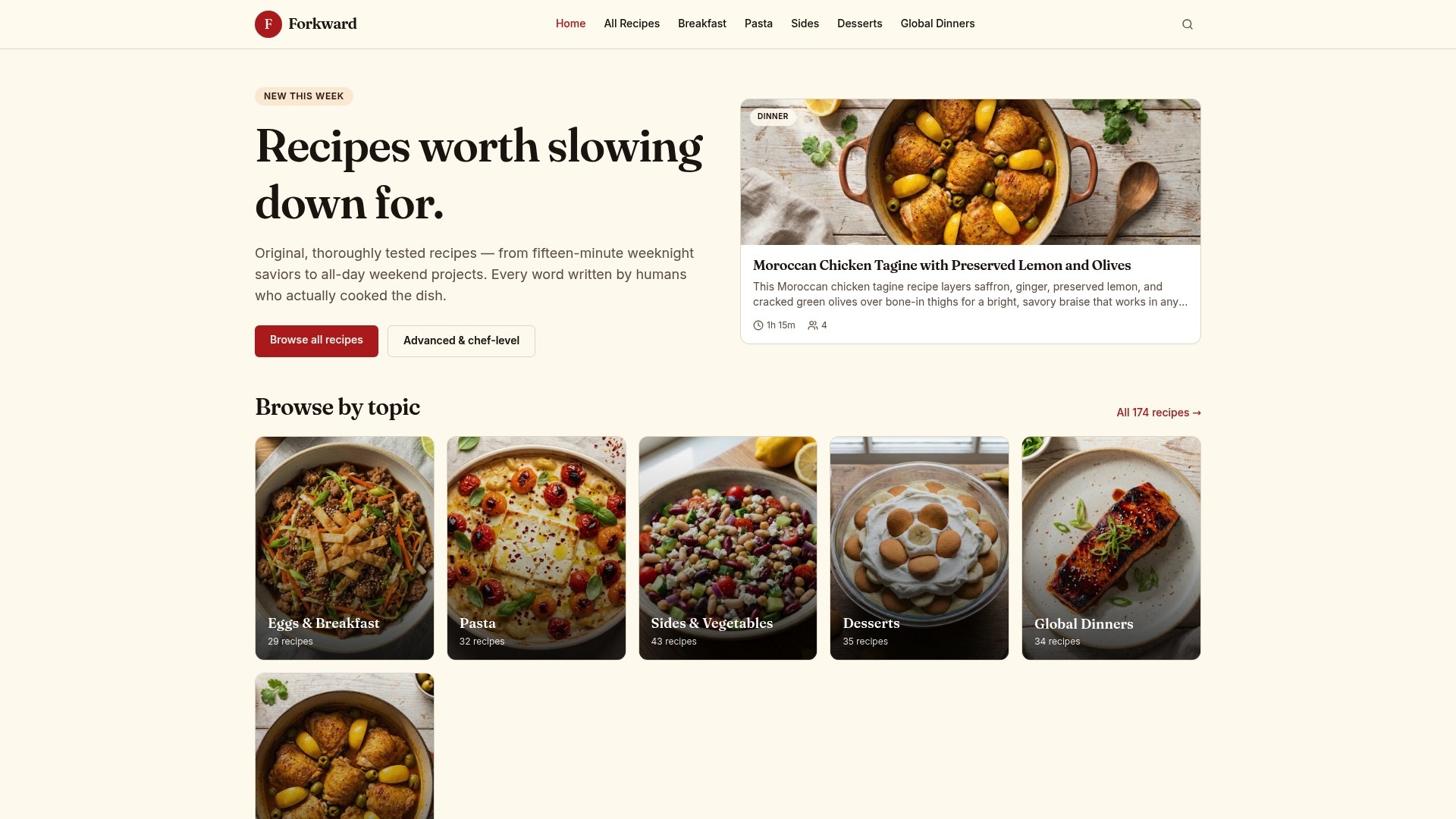
Whether you’re a first-time baker working through a simple muffin recipe or an experienced cook tackling a layered cake, Forkwardkitchen’s full recipe collection covers the full range, with honest difficulty ratings on every recipe so you know what you’re getting into before you preheat the oven. Each recipe includes practical notes on ingredient swaps, including when a buttermilk substitute works just as well as the real thing and when it doesn’t. Browse the desserts and baking category to find recipes that put these substitutes to work in real baked goods, from sky-high muffins to buttery pound cakes.