Zesty Lemon Pound Cake with a Crackly Sugar Glaze
This lemon pound cake features a tight, buttery crumb, a sharp lemon-syrup soak, and a crackly glaze. It is the ultimate bright and citrusy dessert for any occasion.
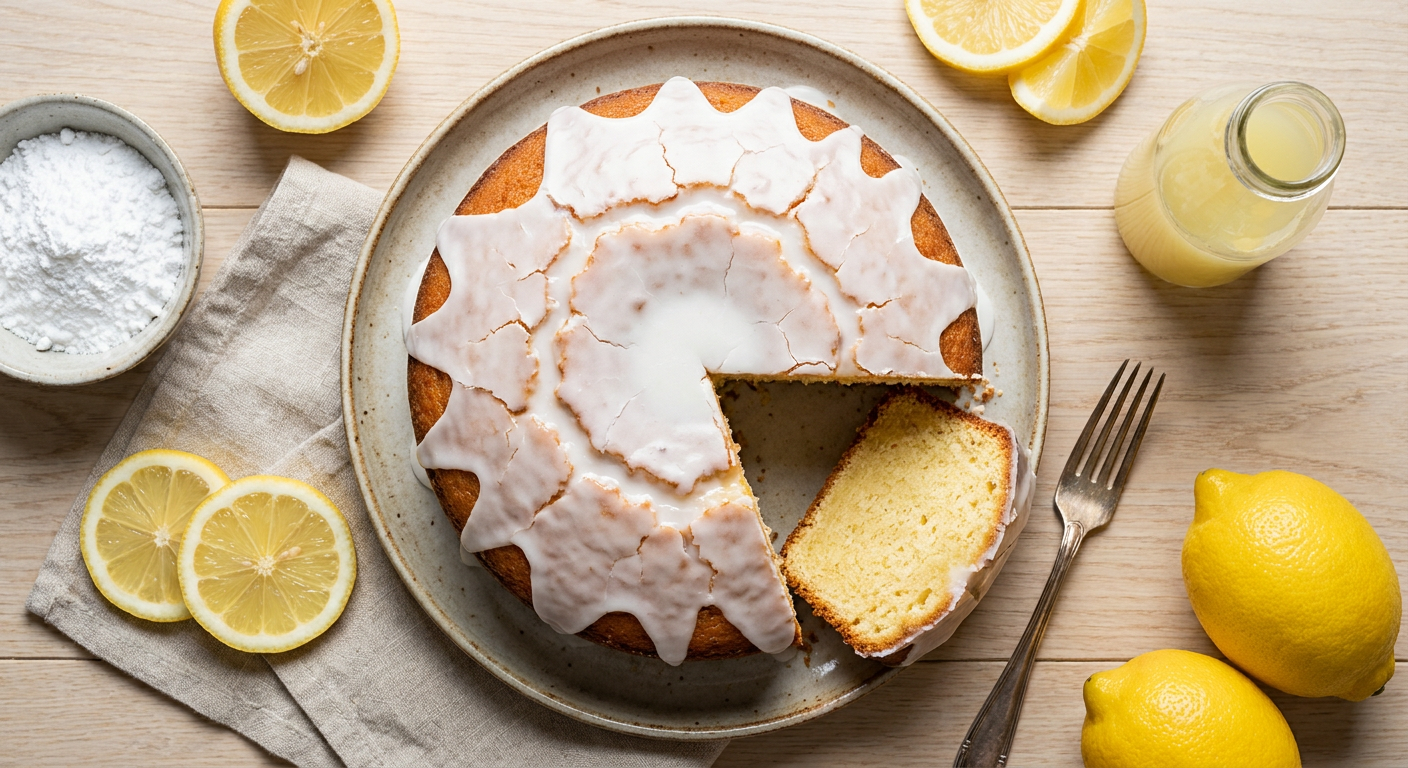

A truly great lemon pound cake is a study in texture. While many recipes turn out either too airy or disappointingly dry, this version delivers a dense, velvety crumb that holds its own against a double hit of citrus. By rubbing fresh zest directly into the sugar, we release the essential oils that provide a deeper flavor than extract alone ever could.
This is an easy lemon pound cake for bakers who want professional results without complicated techniques. The secret lies in a two-step finishing process: a hot lemon syrup soak that migrates into the crumb, followed by a thick, glazed lemon pound cake finish that sets into a satisfying, sugary shell. It is sharp, buttery, and unapologetically tart.
Whether you are serving this for afternoon tea or as a bright conclusion to a heavy meal, the balance of rich butter and acidic lemon makes it addictive. Don't skimp on the zest; it is the backbone of the entire cake.
Ingredients
Cake Batter
- 1 cup (225g) unsalted butter, softened to room temperature
- 1 ½ cups (300g) granulated sugar
- 2 tablespoons fresh lemon zest (from about 3 large lemons)
- 3 large eggs, room temperature
- ½ cup (120g) full-fat sour cream or Greek yogurt
- 1 teaspoon vanilla extract
- 1 ½ cups (190g) all-purpose flour
- ½ teaspoon baking powder
- ½ teaspoon kosher salt
Lemon Syrup Soak
- ¼ cup (50g) granulated sugar
- ¼ cup (60ml) fresh lemon juice
Crackly Glaze
- 1 cup (120g) powdered sugar, sifted
- 2 tablespoons fresh lemon juice
- 1 teaspoon heavy cream (optional, for opacity)
Instructions
- 1
Preheat your oven to 350°F (175°C) and grease a 9x5-inch loaf pan with butter or non-stick spray, then line with parchment paper for easy removal.
- 2
In the bowl of a stand mixer, combine the granulated sugar and lemon zest. Rub them together with your fingertips until the sugar is fragrant and moist.
- 3
Add the softened butter to the lemon sugar and cream on medium-high speed for 3-5 minutes until pale and very fluffy.
- 4
Reduce the speed to medium and add the eggs one at a time, beating well after each addition and scraping down the sides of the bowl.
- 5
Mix in the sour cream and vanilla extract until just combined.
- 6
Whisk the flour, baking powder, and salt together in a separate bowl, then fold them into the wet ingredients by hand or on the lowest mixer setting until no flour streaks remains.
- 7
Transfer the batter to the prepared pan and bake for 50-60 minutes, or until a skewer inserted into the center comes out clean.
- 8
While the cake bakes, make the syrup by heating lemon juice and sugar in a small saucepan over low heat until the sugar dissolves. Do not boil.
- 9
Poke holes all over the warm cake while it is still in the pan, then pour the lemon syrup over the top and let it absorb for 15 minutes before removing from the pan to a wire rack.
- 10
Whisk the powdered sugar, lemon juice, and cream together to make a thick glaze. Pour over the completely cooled cake and let it set until crackly.
Nutrition (per serving)
Estimates only — not medical or dietary advice.
- Calories
- 472 kcal
- Protein
- 4 g
- Carbs
- 60 g
- Fat
- 21 g
- Fiber
- 1 g
- Sugar
- 46 g
- Sodium
- 115 mg
Tips
- → Room temperature ingredients are non-negotiable for a pound cake; cold eggs or butter will cause the batter to break and result in a heavy, greasy texture.
- → Rubbing the zest into the sugar is a French technique called 'perfuming' that ensures the citrus flavor is distributed evenly throughout the fat in the batter.
- → Apply the glaze only once the cake is totally cool. If the cake is even slightly warm, the glaze will soak in rather than forming that characteristic crackly crust.
FAQ
Why does my lemon pound cake have a large crack down the middle?
A crack in the center of a loaf cake is actually a sign of a good rise. Because the batter is dense, the exterior sets before the interior finishes rising, forcing the steam to escape through the top.
Can I use bottled lemon juice for this recipe?
Avoid bottled juice if possible. Fresh lemon juice has a brighter acidity and better flavor profile, plus you need the fresh zest from the fruit to make the cake truly flavorful.
How do I store lemon pound cake to keep it moist?
Wrap the cake tightly in plastic wrap or store it in an airtight container at room temperature for up to 3 days. The sugar glaze acts as a seal to keep the moisture inside.
Why is my cake dense instead of velvety?
Over-mixing the flour can develop gluten, leading to a tough texture. Ensure you only mix until the flour is just incorporated.
You might also like
 Dessert
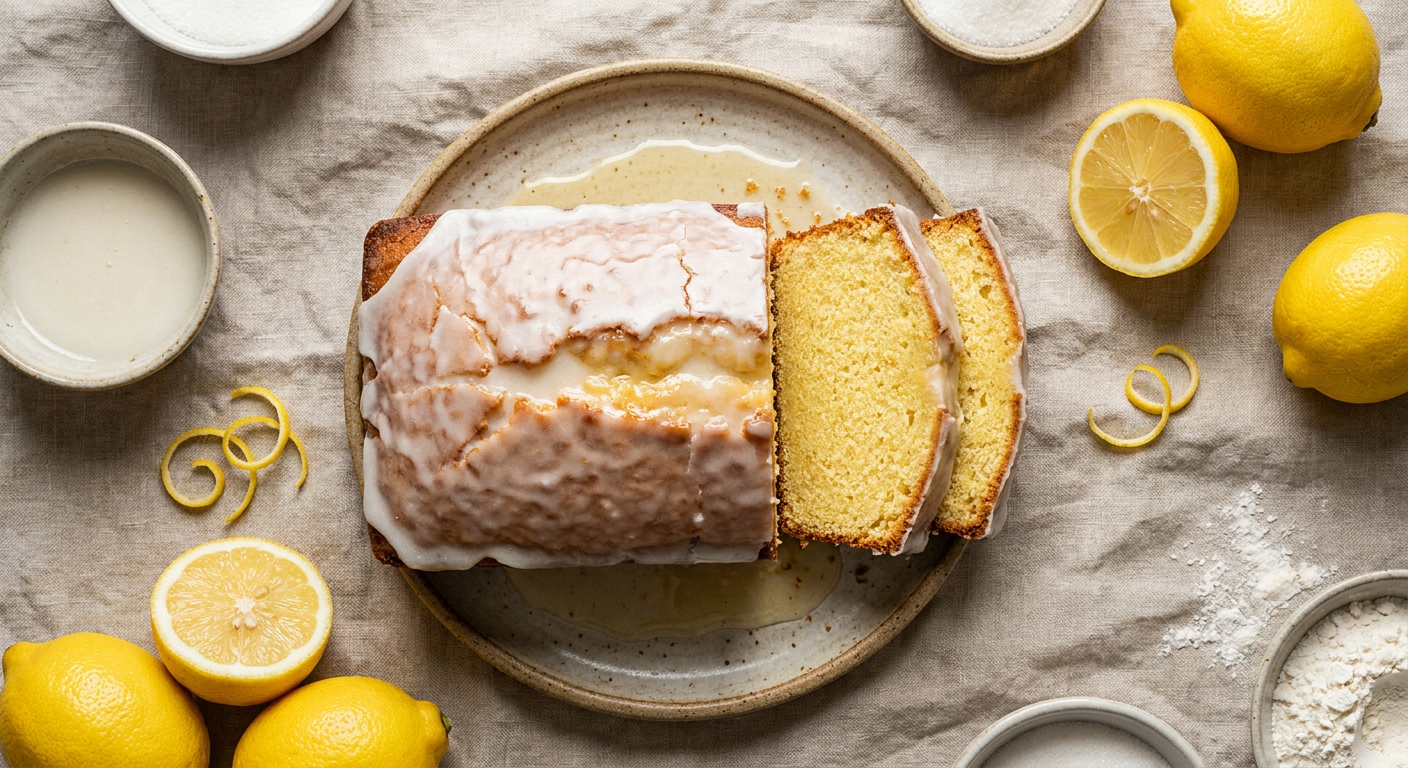
Lemon Pound Cake with Zesty Syrup and Crackle Glaze
This buttery lemon pound cake features a tight crumb, a bright citrus syrup soak, and a tart sugar glaze. The ultimate easy lemon pound cake for high-impact dessert.
 Dessert
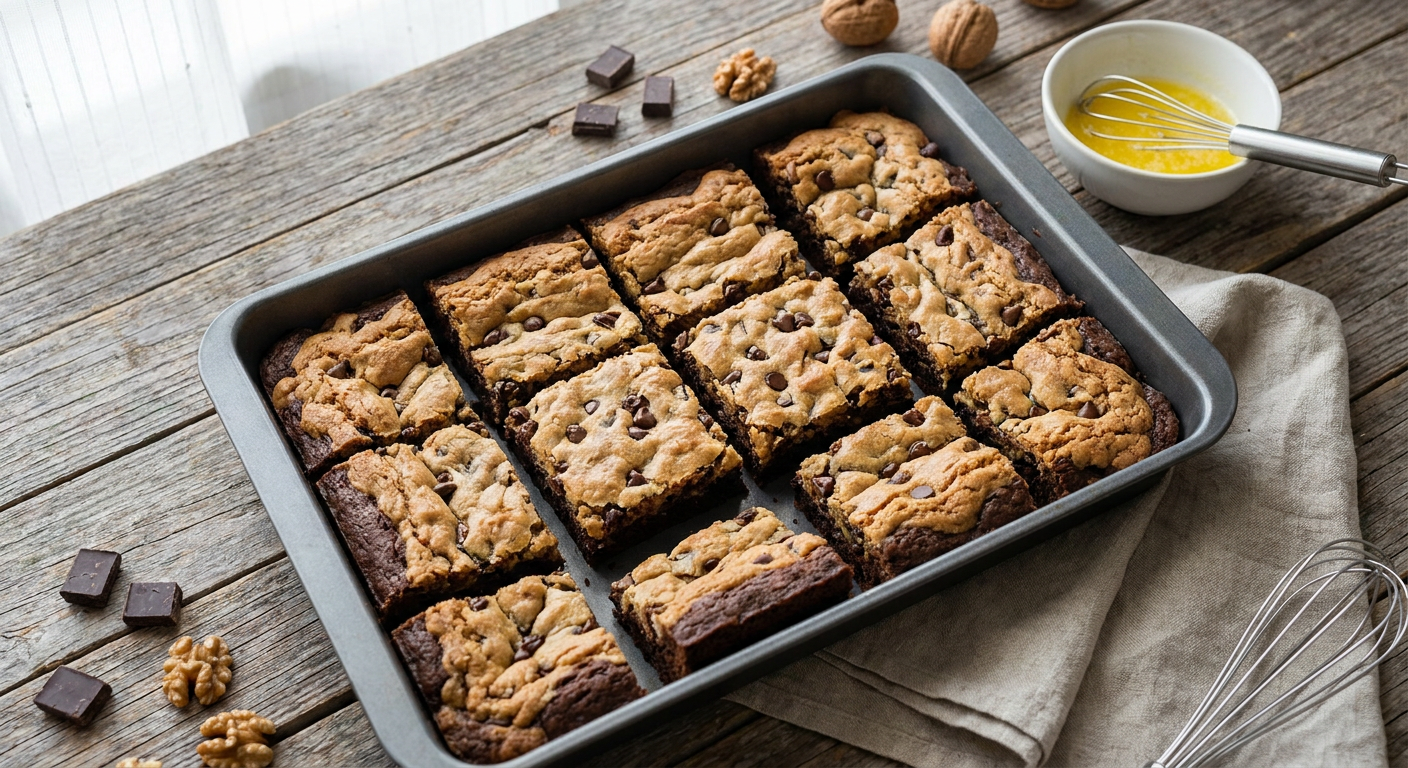
Fudgy Brookies Recipe with Brown Butter Cookie Dough
This ultimate brookies recipe features a fudgy dark chocolate brownie base topped with chewy brown butter chocolate chip cookies for the best of both worlds.
 Dessert
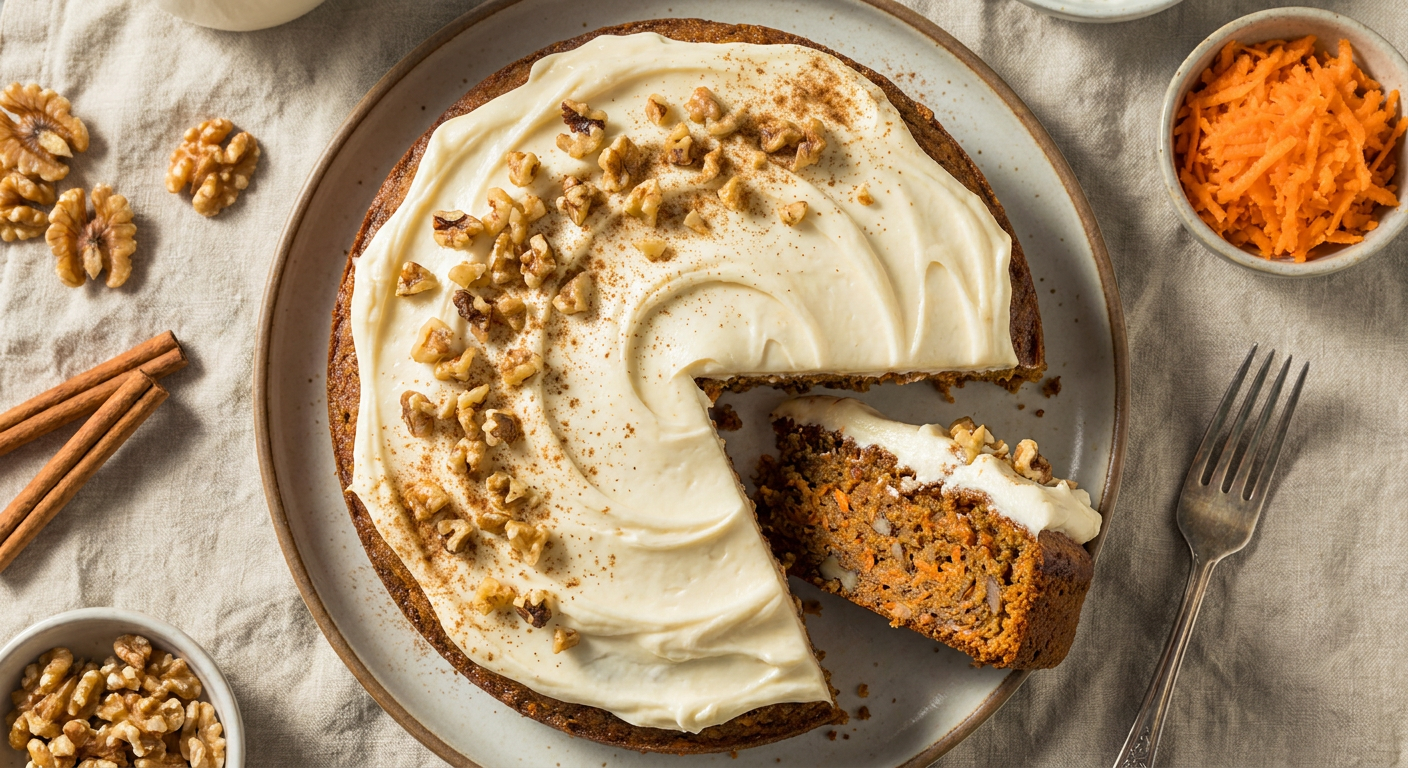
The Ultimate Spiced Carrot Cake Recipe with Cream Cheese Frosting
This reliable carrot cake recipe delivers a moist, perfectly spiced sponge packed with toasted walnuts and topped with a thick, tangy cream cheese frosting.
 Dessert
Lemon Blueberry Loaf with Sour Cream and Citrus Syrup
This lemon blueberry loaf features a tender sour cream crumb, fresh berries, and a double hit of citrus with a warm lemon syrup soak and a tart glaze.