Authentic Pad Thai Recipe with Shrimp and Tamarind
Master this authentic pad thai recipe featuring a balanced sweet-sour sauce, chewy rice noodles, and wok-seared shrimp. Better than takeout and ready in 30 minutes.
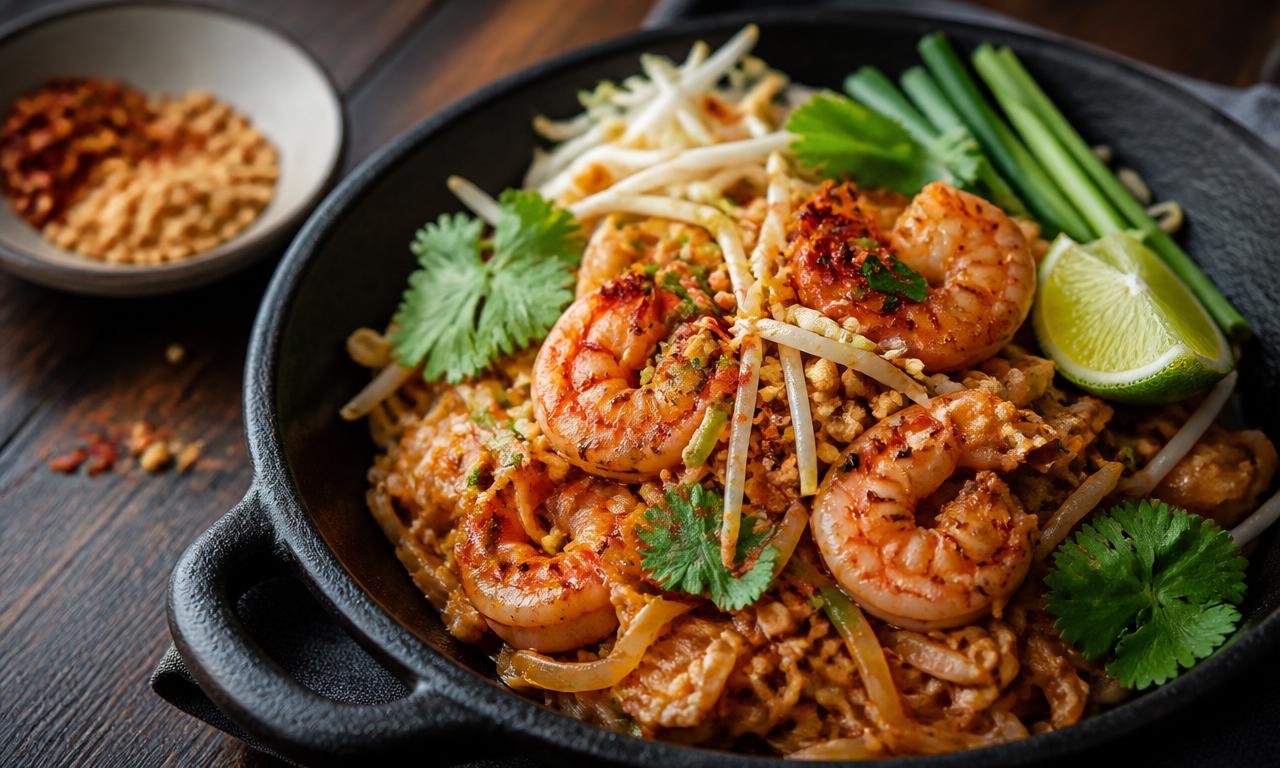

Getting a restaurant-quality pad thai recipe right at home comes down to three things: the soak of the noodles, the funk of the sauce, and the heat of the pan. We aren't using ketchup or lime juice as a shortcut here; instead, we rely on the trio of tamarind paste, fish sauce, and palm sugar to create that signature complex depth.
Making an easy pad thai is entirely possible once you have your mise en place ready. Because the actual cooking happens in under ten minutes, you want your shrimp peeled, your aromatics chopped, and your sauce whisked before the wok even hits the flame. This authentic pad thai method ensures the noodles absorb the sauce without becoming a gummy mess.
Don't be intimidated by the ingredient list. While items like preserved radish and dried shrimp add the traditional umami punch, the heart of the dish is the balance of salt, sugar, and acid. Follow these steps and you'll never settle for a bland, soggy noodle box again.
Ingredients
The Signature Sauce
- 4 tablespoons tamarind concentrate (pulp-free)
- 4 tablespoons fish sauce
- 3 tablespoons palm sugar (finely shaved) or brown sugar
- 1 tablespoon water
- 1 teaspoon chili flakes (or to taste)
Noodles & Protein
- 4 oz (115g) dried wide rice sticks (medium width)
- 8-10 large shrimp, peeled and deveined
- 2 tablespoons neutral oil (grapeseed or canola)
- 2 large eggs, lightly beaten
- 1/2 cup firm tofu, cut into small batons
- 1 tablespoon garlic, minced
- 1 tablespoon shallot, finely diced
The Finish
- 1 cup fresh bean sprouts
- 1/4 cup garlic chives or scallions, cut into 2-inch pieces
- 2 tablespoons roasted peanuts, crushed
- 1 tablespoon dried shrimp (optional, for authenticity)
- 1 tablespoon sweet preserved radish, finely chopped (optional)
- Fresh lime wedges for serving
Instructions
- 1
Soak the rice noodles in a bowl of room-temperature water for 30 to 45 minutes until they are flexible and limp but still firm to the bite (al dente). Drain and set aside.
- 2
Whisk the tamarind concentrate, fish sauce, palm sugar, water, and chili flakes in a small bowl until the sugar is mostly dissolved.
- 3
Heat a wok or large heavy skillet over high heat with 1 tablespoon of oil. Sear the shrimp for 1-2 minutes per side until just opaque, then remove them from the pan and set aside to prevent overcooking.
- 4
Add the remaining tablespoon of oil to the hot wok. Toss in the tofu batons, shallots, garlic, and (if using) the dried shrimp and radish. Stir-fry for 1 minute until fragrant.
- 5
Push the aromatics to the side of the pan and pour the beaten eggs into the center. Let them set for 15 seconds, then scramble them lightly into large curds.
- 6
Add the drained noodles to the wok followed immediately by the sauce. Toss vigorously over high heat using tongs or a spatula. The noodles will begin to soften and absorb the liquid.
- 7
Continue stir-frying for 2-3 minutes. If the noodles seem too dry or brittle, add a tablespoon of water at a time until they reach a chewy, tender consistency.
- 8
Return the cooked shrimp to the pan. Add the bean sprouts and garlic chives, tossing for just 30 seconds so the sprouts retain their crunch.
- 9
Plate immediately and top with a generous dusting of crushed peanuts and a squeeze of fresh lime juice.
Nutrition (per serving)
Estimates only — not medical or dietary advice.
- Calories
- 615 kcal
- Protein
- 32 g
- Carbs
- 68 g
- Fat
- 24 g
- Fiber
- 4 g
- Sugar
- 22 g
- Sodium
- 1840 mg
Tips
- → Avoid boiling the noodles. Soaking them in room-temperature water ensures they stay chewy and don't turn into mush when they hit the hot sauce.
- → Palm sugar is traditional for its mellow caramel notes, but if you can't find it, light brown sugar is a perfectly acceptable substitute.
- → Do not crowd the pan. If you are doubling this recipe, cook it in two separate batches to maintain the 'wok hei' (breath of the wok) and prevent steaming the noodles.
- → Tamarind concentrate varies in intensity by brand. Taste your sauce before adding it; it should be a sharp balance of sweet, salty, and sour.
FAQ
Why does my pad thai turn out mushy?
Mushy noodles usually happen because they were soaked in water that was too hot or cooked in the pan for too long. Stick to room-temperature water for soaking and ensure your wok is screaming hot to evaporate excess moisture quickly.
Can I make this recipe vegan?
Yes, you can substitute the fish sauce with a high-quality vegan 'fish' sauce or a mixture of soy sauce and mushroom powder, and replace the shrimp with extra tofu or mushrooms.
How do I store and reheat leftovers?
Pad thai is best served fresh, but leftovers can be stored in an airtight container for up to 2 days. Reheat in a skillet with a splash of water to loosen the noodles, rather than using a microwave.
You might also like
 Dinner
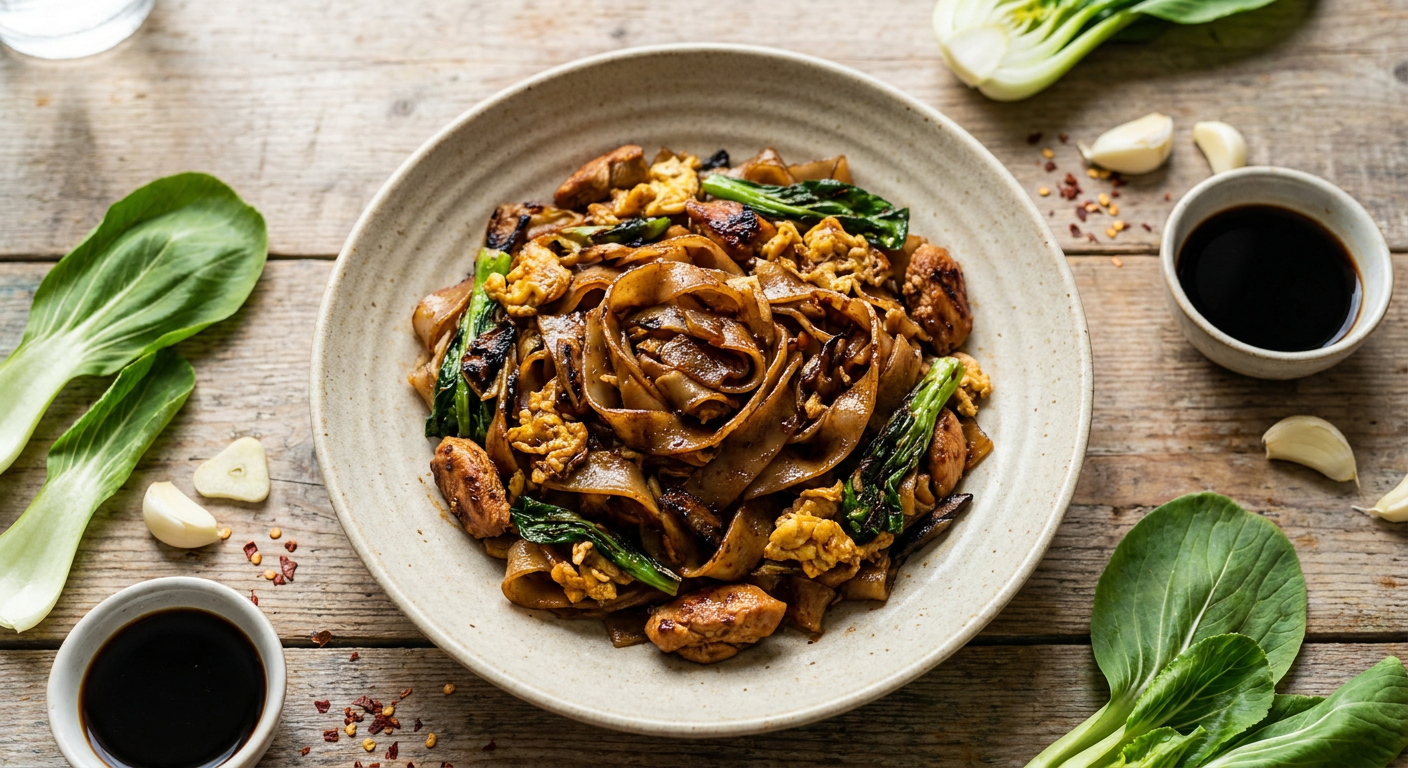
Smoky Pad See Ew Recipe with Charred Wide Rice Noodles
Master this smoky pad see ew recipe at home. Learn how to char fresh wide rice noodles with Chinese broccoli, savory dark soy sauce, and perfectly scrambled eggs.
 Dinner
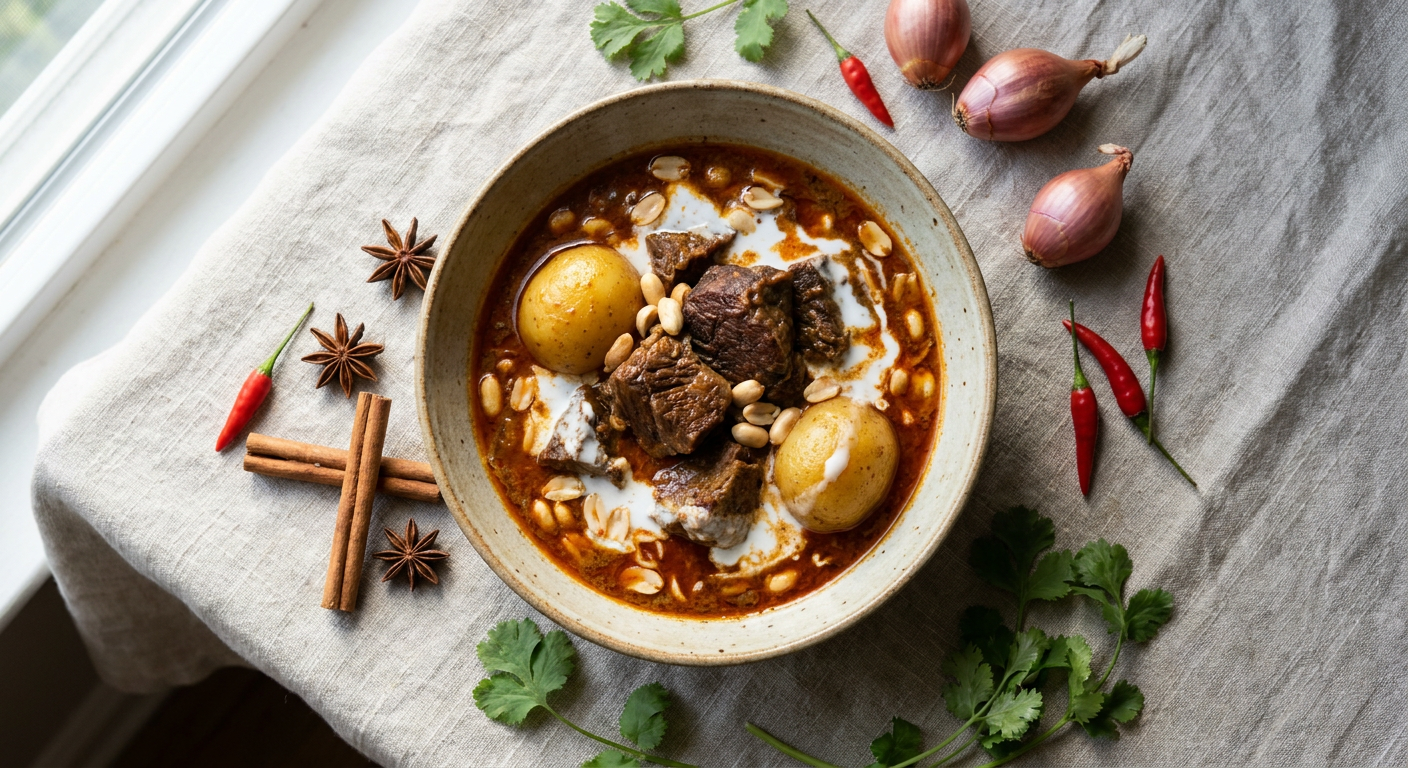
Authentic Beef Massaman Curry with Slow-Braised Chuck
This beef massaman curry features tender chuck roast, cracked coconut cream, and a rich tamarind sauce. A sweet and savory Thai massaman curry recipe for home cooks.
 Dinner
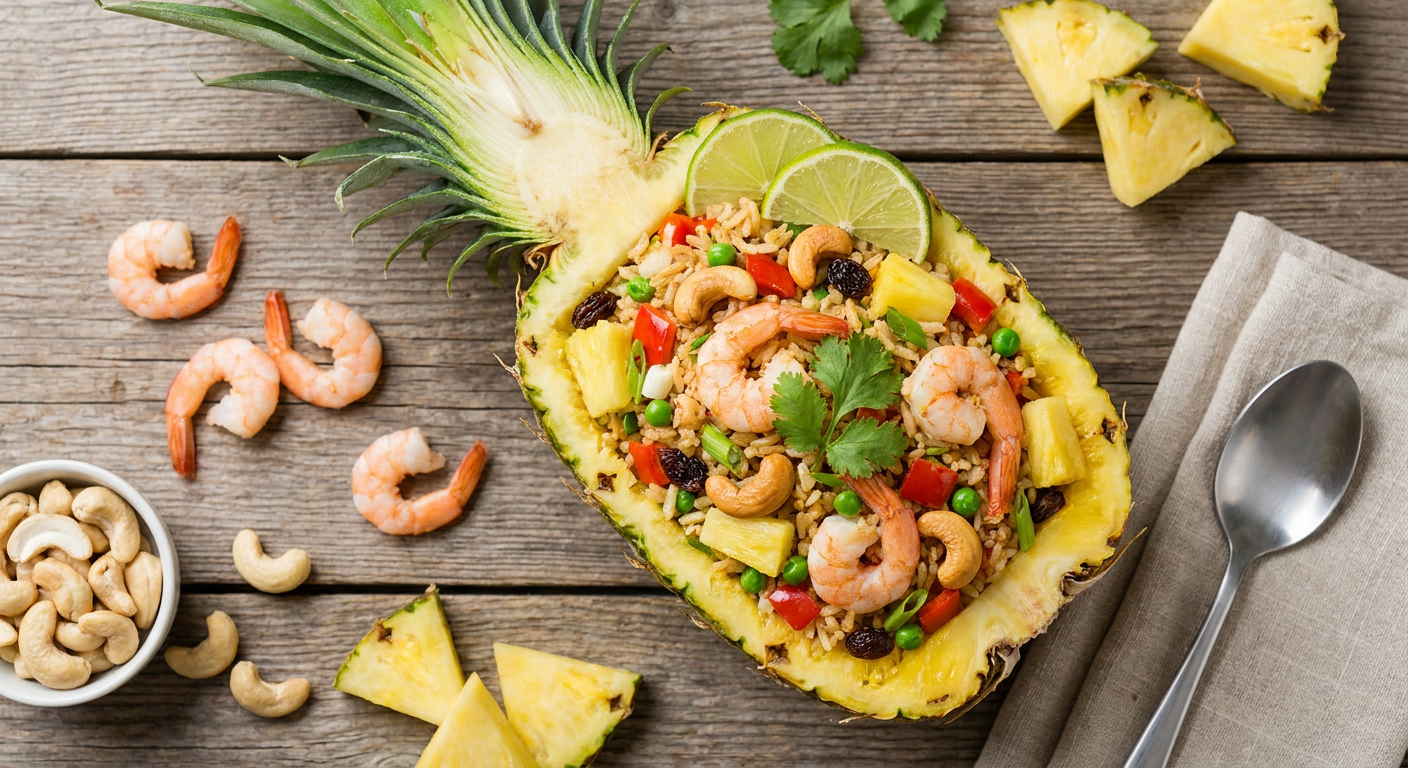
Thai Pineapple Fried Rice with Shrimp and Cashews
This vibrant pineapple fried rice features jasmine rice, succulent shrimp, and crunchy cashews tossed in a savory curry sauce for a 20-minute weeknight dinner.
 Dinner
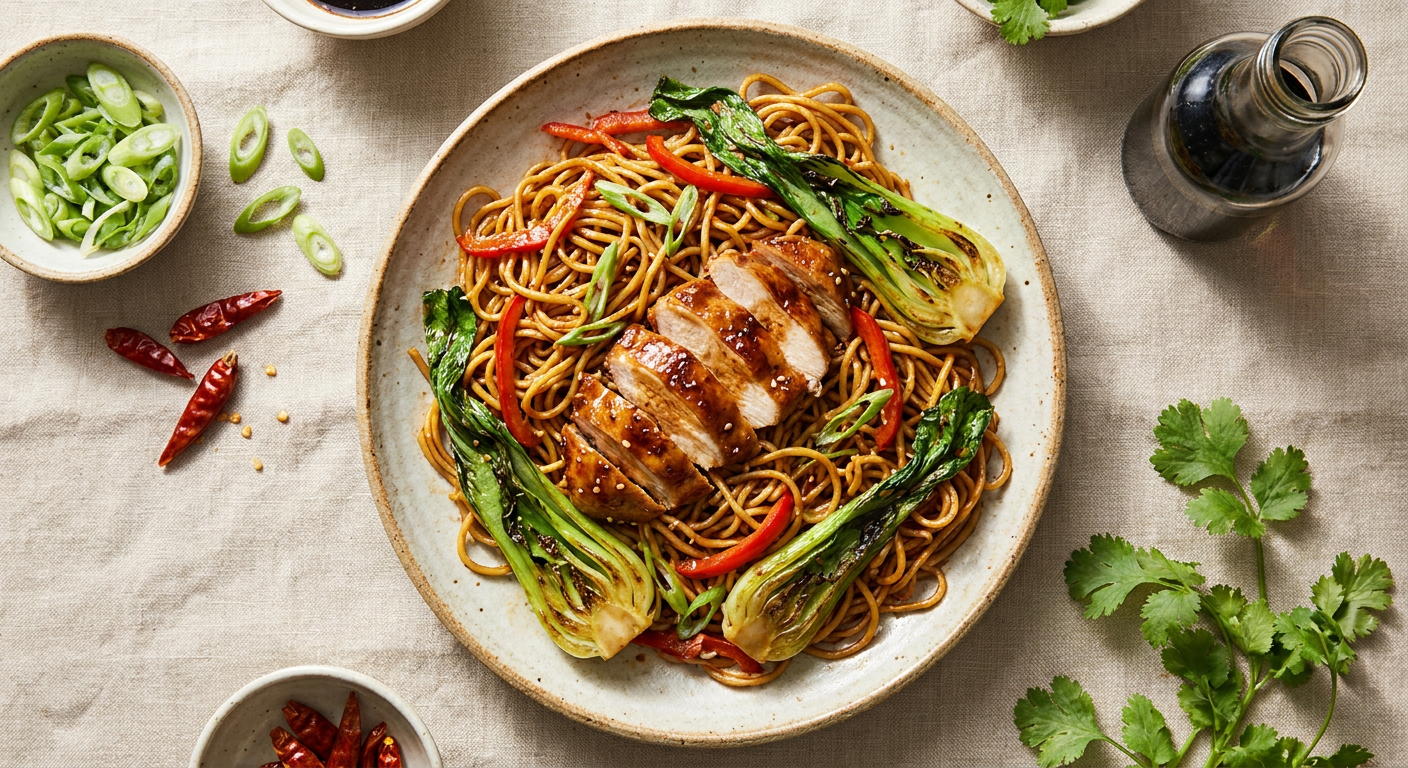
Crispy Smoky Chicken Chow Mein Recipe with Velveted Meat
Master this authentic chicken chow mein recipe featuring tender velveted chicken, pan-crisped noodles, and a smoky takeaway style sauce that stays dry and bold.