How to Make Scrambled Eggs That Are Actually Good
Learn how to make scrambled eggs that are custardy and soft. This guide covers the low-and-slow technique for the best scrambled eggs every single time.
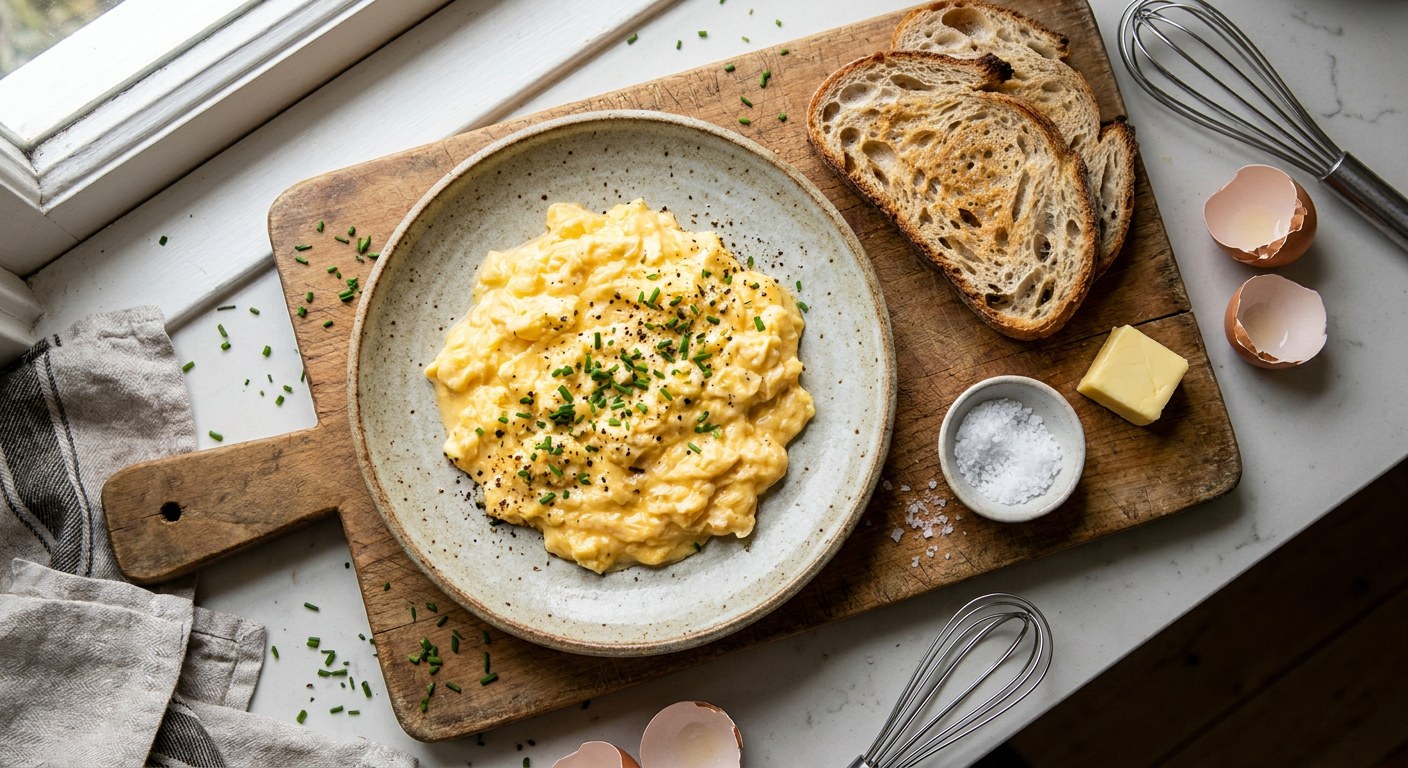

Most people think they know how to make scrambled eggs, but they usually end up with dry, bouncy curds that squeak against their teeth. The secret to a truly elevated breakfast isn't a splash of milk or a fancy gadget; it’s about heat management and patience. If you want a plate of soft scrambled eggs that feel like a luxury, you have to throw away the 'high heat' habit.
The best scrambled eggs are achieved by treating the eggs like a delicate custard rather than a piece of meat. By using a small knob of butter and constant movement, you can create tiny, velvety curds that melt in your mouth. This method produces a rich, spoonable texture that is miles ahead of the rubbery cafeteria style we've all grown used to.
Stop overcooking your protein. Follow this technique to master the art of the skillet, ensuring your eggs stay moist and vibrant from the pan to the toast.
Ingredients
- 3 large cold eggs, preferably pasture-raised
- 1 tablespoon unsalted butter (approx. 14g)
- 1 teaspoon heavy cream (optional, for extra richness)
- 1/8 teaspoon flaky sea salt
- 1 teaspoon fresh chives, finely minced
- Freshly cracked black pepper to taste
Instructions
- 1
Crack the eggs into a small bowl and whisk vigorously with a fork or small whisk until no streaks of white remain and the mixture is uniform.
- 2
Place a small non-stick skillet over medium-low heat and add the butter. Let it melt until it just begins to foam, but do not let it brown.
- 3
Pour the eggs into the center of the pan. If you hear a loud sizzle, your heat is too high; turn it down immediately.
- 4
Using a heat-resistant silicone spatula, begin stirring the eggs constantly in small circles. You want to keep the eggs moving to prevent a 'skin' from forming on the bottom.
- 5
Continue stirring for 3 to 5 minutes. As the eggs thicken into a porridge-like consistency, occasionally scrape the sides of the pan to incorporate all the bits.
- 6
Remove the pan from the heat when the eggs look slightly underdone and wet. They will continue to cook from the residual heat of the pan.
- 7
Stir in the heavy cream (if using) to stop the cooking process and add a final touch of silkiness.
- 8
Plate immediately and garnish with flaky salt, black pepper, and minced chives.
Nutrition (per serving)
Estimates only — not medical or dietary advice.
- Calories
- 335 kcal
- Protein
- 19 g
- Carbs
- 2 g
- Fat
- 28 g
- Fiber
- 0 g
- Sugar
- 1 g
- Sodium
- 350 mg
Tips
- → Don't salt the eggs before they hit the pan; salting too early can break down the proteins and make the eggs watery. Season at the very end.
- → The pan should never be so hot that the eggs set instantly. If you see steam, pull the pan off the burner for 10 seconds while continuing to stir.
- → Use a silicone spatula, not a wooden spoon. The flexibility allows you to sweep every millimeter of the pan surface for the smallest possible curds.
FAQ
Why does my scrambled egg water leak on the plate?
This usually happens because the eggs were overcooked on high heat, causing the protein structures to tighten and squeeze out the moisture. Cooking low and slow prevents this syneresis.
Can I make these without butter?
You can use oil, but butter provides the fat and emulsifiers necessary for that signature creamy, chef-style texture. If you must skip dairy, use a high-quality olive oil.
How do I know when the eggs are done?
The eggs are done when they look like thick, wet cottage cheese. If they look 'dry' in the pan, they are already overcooked.
You might also like
 Breakfast
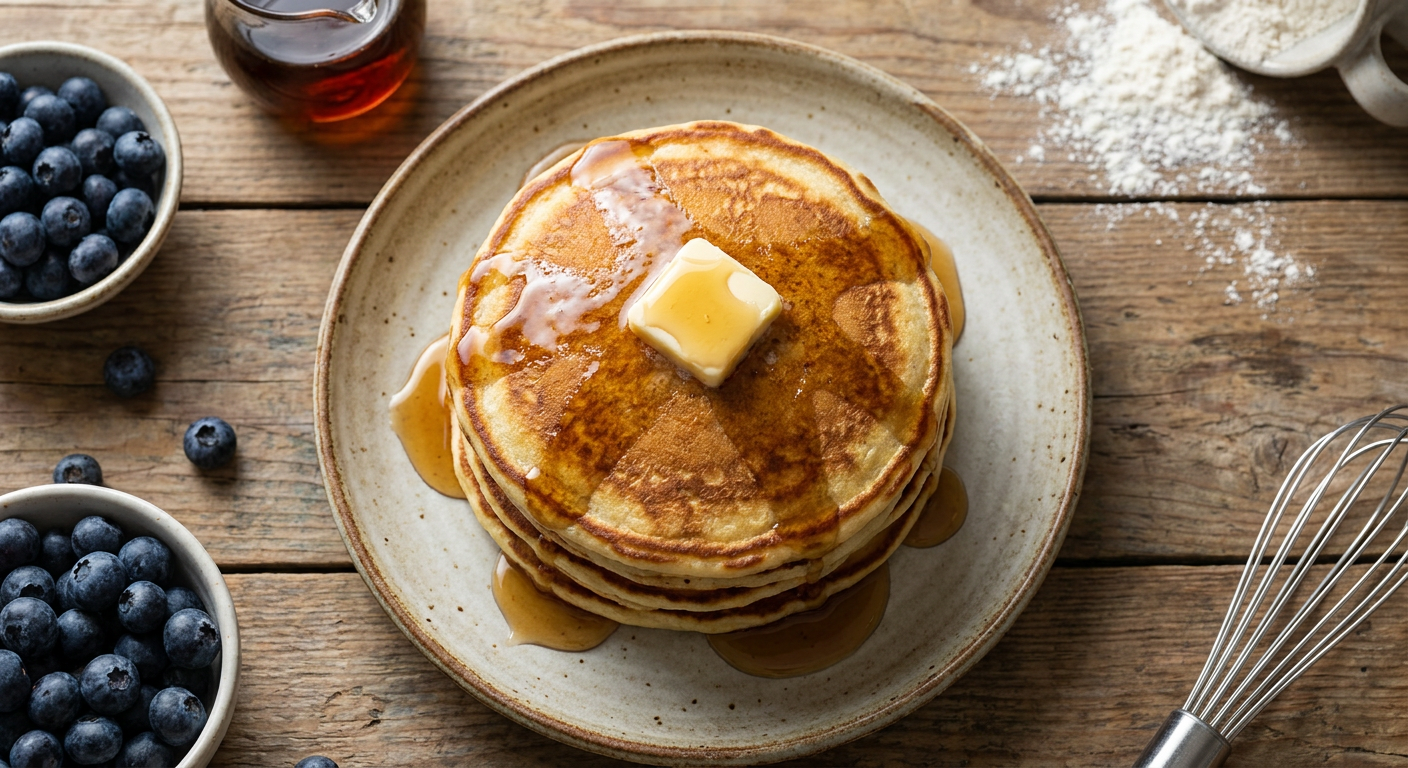
The Ultimate Buttermilk Pancakes Recipe for Fluffy Stacks
Master this buttermilk pancakes recipe for tall, airy stacks with lacy golden edges. Learn the secret to fluffy buttermilk pancakes from scratch every time.
 Breakfast
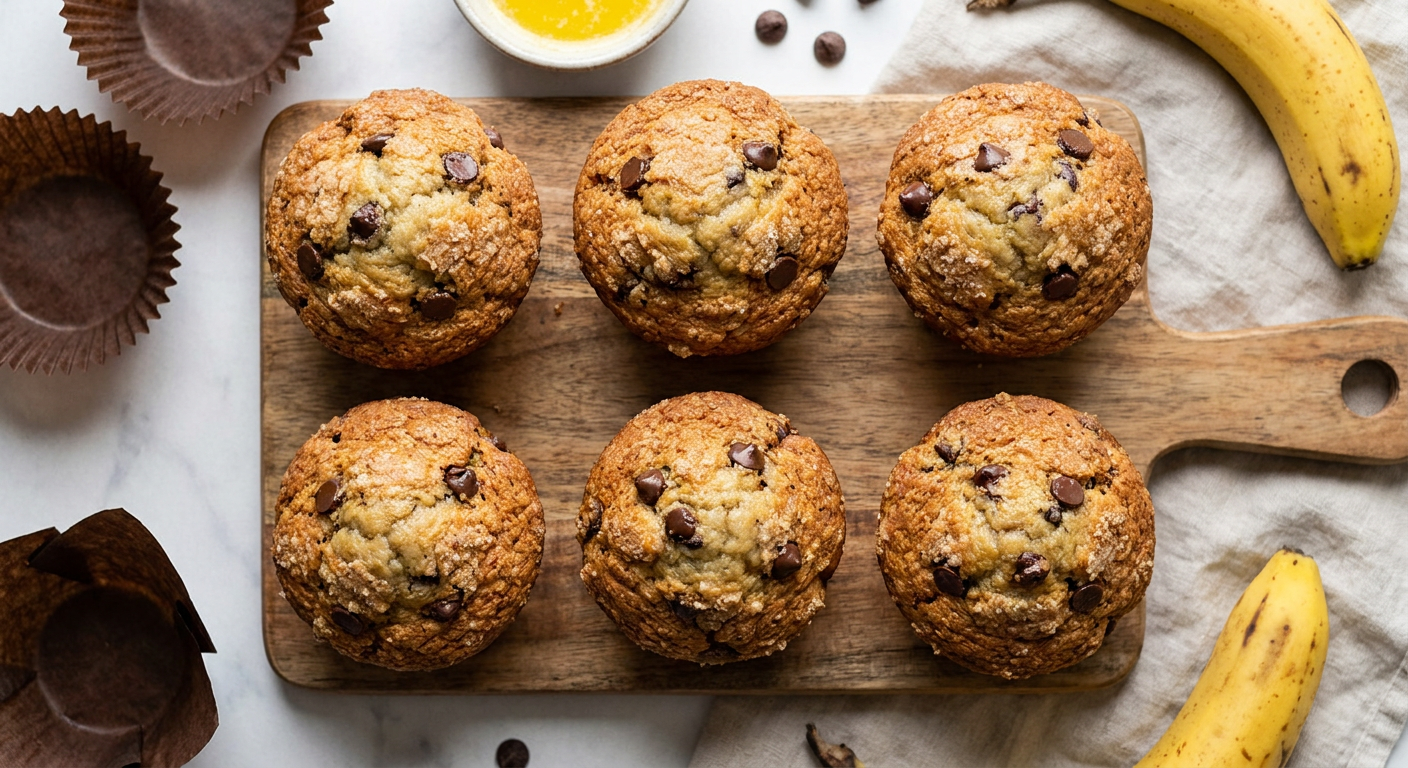
Bakery Style Chocolate Chip Banana Muffins with Brown Butter
These bakery style chocolate chip banana muffins feature brown butter, sour cream, and a high-domed sugar crust. The ultimate recipe for moist banana chocolate chip muffins.
 Breakfast
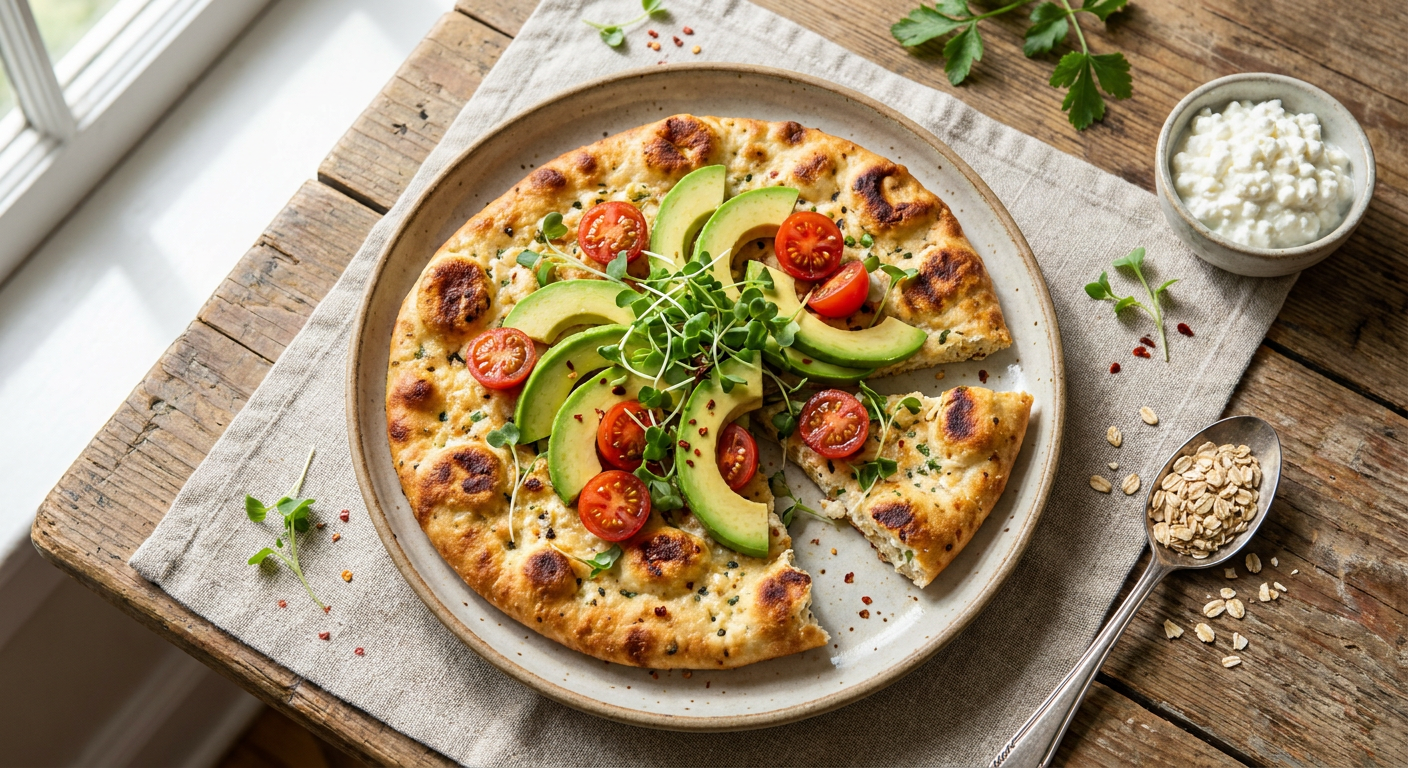
Protein-Packed Cottage Cheese Flatbread (2 Ingredients)
Make this viral cottage cheese flatbread for a 30g protein meal. Blended smooth and baked with everything bagel seasoning, it's the ultimate low-carb, foldable wrap.
 Breakfast
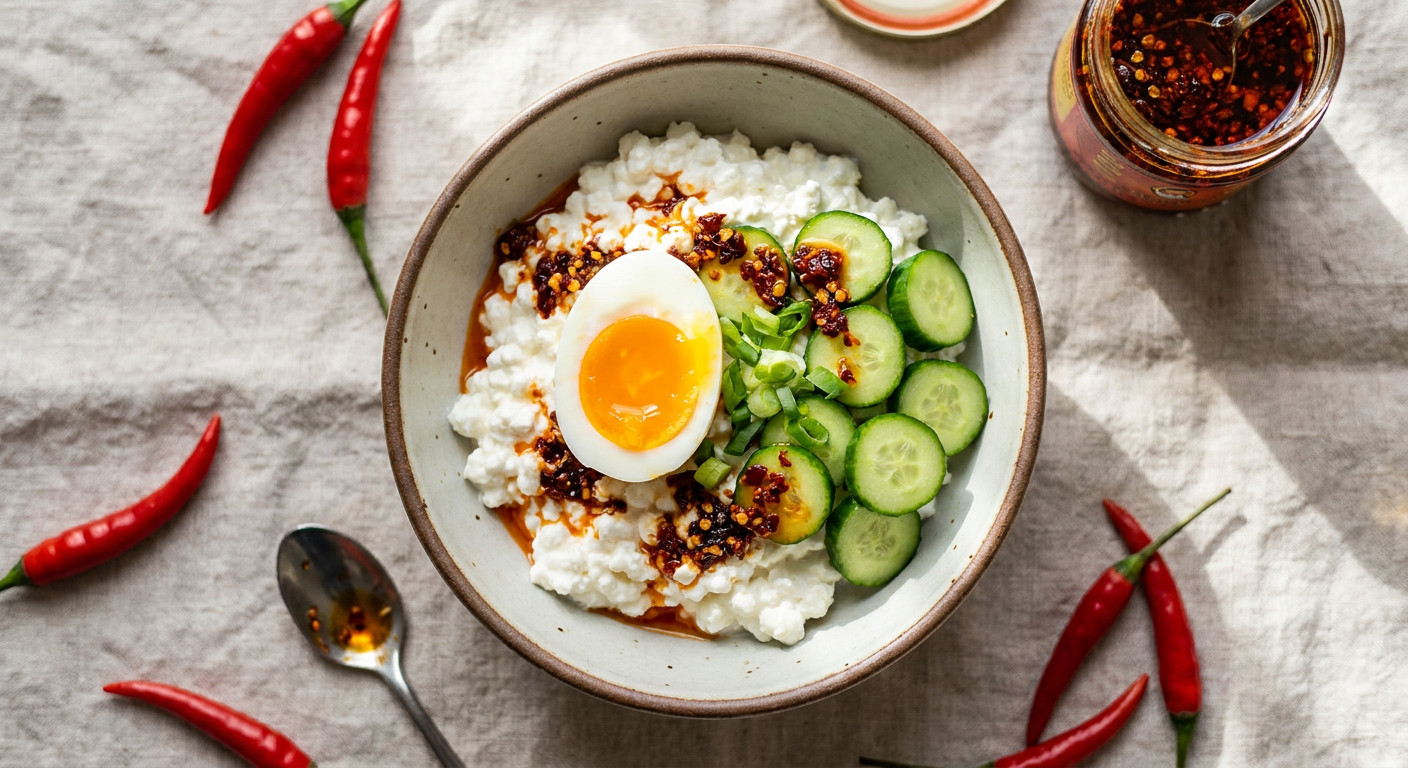
Savory Cottage Cheese Bowl Recipe with Chili Crisp
This 5-minute cottage cheese bowl recipe features a jammy egg, crunchy cucumber, and spicy chili crisp for a high protein cottage cheese bowl with 35g of protein.