August 27, 2026
Eight Fast, Family-Friendly Ways to Use Leftover Chicken
Discover eight quick and family-friendly recipes to revitalize leftover chicken, from quesadillas to hearty casseroles, all ready in under 45 minutes!
Eight Fast, Family-Friendly Ways to Use Leftover Chicken
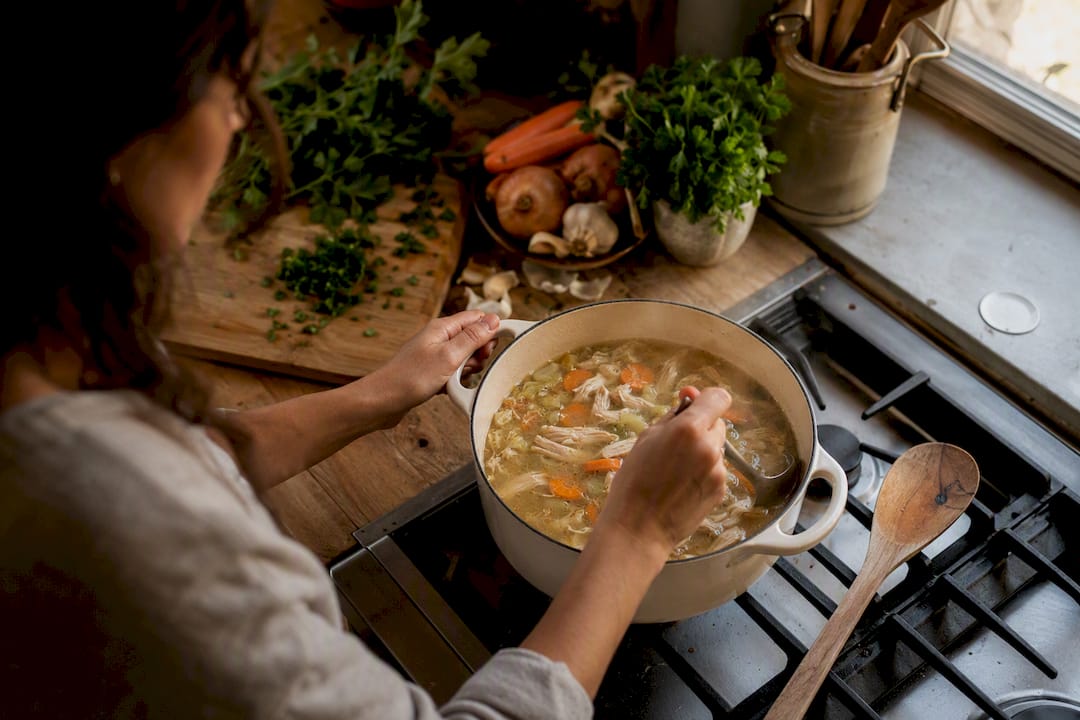
Make a pot of soup, a one-pan pasta, a hearty casserole, a chicken salad, quesadillas, an enchilada skillet, a grain bowl, or a five-minute dip. Each one gets leftover chicken back on the table in 5 to 45 minutes, and every one of them works with rotisserie chicken, leftover roast chicken, or plain shredded chicken pulled from last night’s dinner. You don’t need a plan for leftover chicken recipes so much as you need eight good defaults, ranked by speed:
- Chicken quesadillas — 10 minutes, tortillas plus cheese plus chicken.
- Buffalo chicken dip — 15 minutes, mostly hands-off in the oven.
- Grain bowl — 15 minutes if your rice or farro is already cooked.
- Chicken salad — 10 minutes, no stove required.
- One-pot pasta — 20 to 25 minutes, one pan to wash.
- Enchilada skillet — 25 minutes, all the flavor of enchiladas without the rolling.
- Chicken soup — 30 minutes with store-bought broth, longer if you’re making stock.
- Chicken-and-rice casserole — 40 to 45 minutes, best for feeding a crowd or freezing half.
Rotisserie chicken is the easiest starting point for all eight because it’s already cooked, seasoned, and shreddable in about five minutes flat.
TL;DR:
- Quick recipes like quesadillas and dips take under 15 minutes, while casseroles and stock-based soups require 30 to 45 minutes to prepare.
- Leftover chicken remains safe for 3 to 4 days in the fridge and can last several months frozen with proper packaging.
- Reheat chicken with added broth or milk on low heat to preserve moisture and avoid dryness or toughness.
- Small amounts of chicken are best used in soups, casseroles, or grain bowls, which easily stretch the meat with grains, beans, or vegetables.
- Tested, from-scratch recipes from Forkwardkitchen include honest difficulty ratings, making quick, reliable dinners like pastas, dips, and casseroles easier to execute.
Table of Contents
- How Long Leftover Chicken Keeps Safely
- Choosing the Right Dish for the Chicken You Have
- Soup and Stock Ideas That Start With Leftover Chicken
- Casseroles and Baked Dinners for Feeding a Crowd
- Chicken Salads and Grain Bowls for Lunch
- One-Pot and Baked Pasta Dishes
- Dips, Nachos, and Small Bites From Small Amounts
- Freezing and Portioning Chicken for Later
- Why These Recipes Work: Notes From Testing
- A Cook’s Honest Take on Reusing Chicken
- Find More Tested Leftover Chicken Recipes on Forkwardkitchen
- Key Takeaways
- Sources
How Long Leftover Chicken Keeps Safely
Refrigerated leftover chicken is good for a few days. In the freezer, properly wrapped chicken holds its quality for several months, though the meat stays safe to eat well beyond that if the freezer never lost power. Quality, not safety, is what fades over time.
A few habits make the difference between chicken you’re excited to reuse and chicken you throw out:
- Cool it within two hours of cooking, then refrigerate or freeze right away.
- Store in an airtight container or a freezer bag with the air pressed out.
- Label with the date. “Chicken, 2/14” beats guessing three weeks later.
- Portion before freezing so you thaw only what tonight’s recipe needs.
Pro Tip: Reheat chicken gently, not aggressively. A splash of broth or milk stirred in before microwaving on medium power, or a low oven at 300°F with foil over the dish, keeps the meat from tightening up and turning rubbery.
Choosing the Right Dish for the Chicken You Have
The amount of chicken in your fridge should decide the recipe, not the other way around. A cup of shredded chicken barely dents a stir-fry, but it’s plenty for a casserole once you add rice, pasta, or beans to bulk it out. Soups, casseroles, pastas, and dips are the most forgiving formats because they’re built to stretch: a little meat goes a long way when it’s suspended in broth, sauce, or cheese instead of standing alone on a plate.
As a rough guide, one cup of shredded chicken (roughly what you get off one chicken breast or a quarter of a rotisserie bird) will comfortably feed:
- 2 to 3 people in a soup or casserole, once grains and vegetables are added.
- 2 people in a pasta dish, tossed with a full pound of noodles.
- 4 to 6 servings of dip, spread across chips or crostini.
The bigger challenge with leftover chicken usually isn’t quantity. It’s that reheated chicken tastes flat compared to the night it came out of the oven. Fix that with three moves: a squeeze of lemon or splash of vinegar to wake up the flavor, a handful of fresh herbs stirred in at the end, and a sauce or broth that reintroduces moisture. Skip all three and even a great casserole tastes like an afterthought.
Pro Tip: Taste your chicken plain before you build the recipe around it. If it’s bland on its own, add salt and acid before anything else. Cheese and sauce can mask a lot, but they can’t fix underseasoned meat.
Soup and Stock Ideas That Start With Leftover Chicken
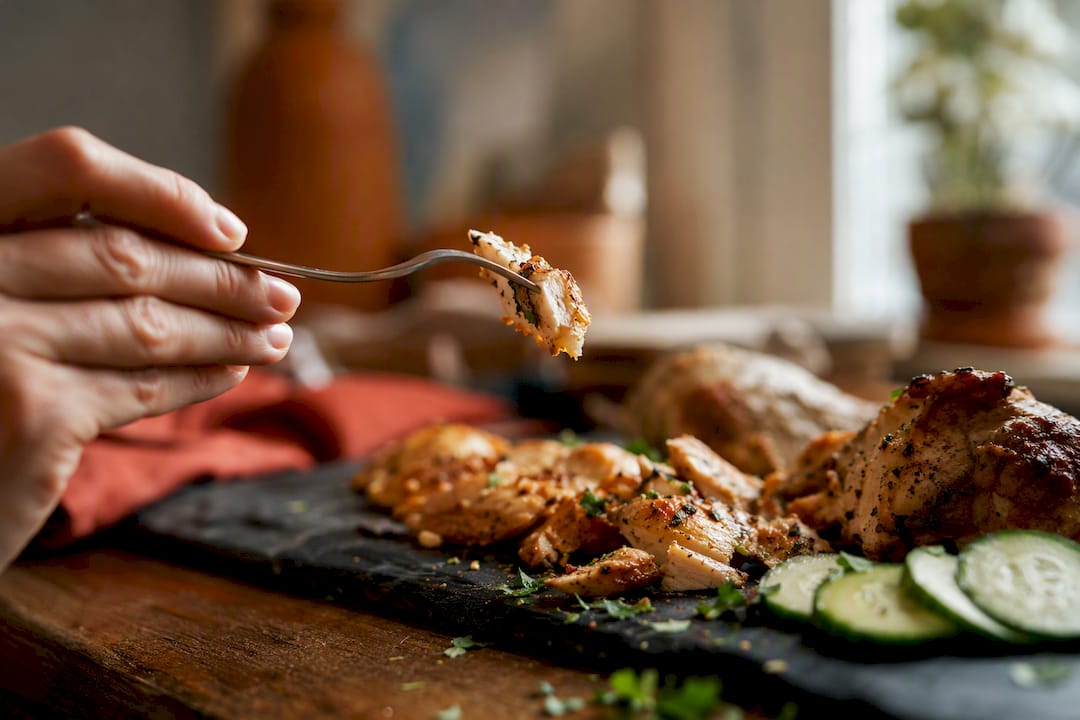
Soup is the single best use for leftover chicken because it hides imperfect texture, uses up odds and ends from the fridge, and scales to whatever amount you have. The basic template rarely changes: broth, aromatics, a starch or grain, vegetables, shredded chicken, and a finishing hit of acid or herbs.
Decide first whether you’re making stock or just soup. If you have a picked-over carcass, bones, and skin, simmering them in water for an hour or two with an onion, carrot, and celery builds real stock. The Washington Post’s leftover roast chicken soup uses 10 to 16 ounces of bones and scraps with 8 cups of water to build a base rich enough for a full 10-cup pot of soup. If you’re short on time, canned or boxed broth gets you to dinner in half the time with almost no quality loss once the soup is loaded with chicken and vegetables.
Six soups worth putting into weekly rotation:
- Classic chicken noodle — broth, egg noodles, carrots, celery, shredded chicken, parsley.
- Lemon orzo soup — broth, orzo, spinach, a generous squeeze of lemon, and dill.
- Chicken tortilla soup — broth, crushed tomatoes, cumin, chili powder, tortilla strips, avocado.
- Wild rice and chicken soup — broth, wild rice, mushrooms, a splash of cream at the end.
- Chicken and white bean soup — broth, cannellini beans, kale, garlic, parmesan rind if you have one.
- Miso ramen with shredded chicken — miso paste whisked into broth, instant or fresh noodles, a soft egg, scallions. According to Serious Eats, this kind of noodle bowl comes together in about 15 minutes once the chicken is already shredded.
Leftover roasted chicken also freezes well as raw carcass material, so if you’re not making stock tonight, bag the bones and save the soup project for a weekend. Table Magazine’s roundup recommends exactly that: freeze the frame now, simmer it into stock later when you actually have the two hours it deserves.
Pro Tip: Add shredded chicken to soup in the last five minutes of cooking, not at the start. Chicken that’s already cooked only needs to warm through. Simmer it too long and it turns stringy.
Casseroles and Baked Dinners for Feeding a Crowd
Casseroles solve the “one chicken, six mouths” problem better than almost any other format, because rice, pasta, or tortillas do the volume work while the chicken adds flavor and protein. The basic formula is chicken plus a starch plus a sauce plus cheese, baked until bubbling.
A few reliable variations:
- King Ranch style chicken — shredded chicken, corn tortillas, a tomato-chile sauce, layered like lasagna with cheese and baked.
- Chicken and rice casserole — cooked rice, chicken, a creamy sauce (homemade or a canned soup shortcut), baked with a crunchy topping.
- Chicken mac and cheese — a basic stovetop mac and cheese sauce with shredded chicken folded in, topped with panko and broiled until golden.
- Chicken pot pie — chicken, peas, carrots, and gravy under a biscuit or pie crust top.
Shortcuts matter here. A rotisserie chicken already does the hardest part, and a store-bought rotisserie or leftover roast bird pairs just as well with a homemade white sauce as it does with a canned cream soup base if you’re short on time. Serious Eats points out that a shredded rotisserie chicken shortens dishes like enchiladas and one-pot bakes dramatically compared to starting from raw meat, since the cooking step is already done.
For picky eaters, keep the sauce mild and let a crunchy topping (crushed crackers, panko, or fried onions) do the work of making the dish feel special. Two make-ahead moves worth knowing:
- Assemble the casserole up to 24 hours ahead, cover, and refrigerate unbaked; add 10 to 15 extra minutes in the oven since it’s starting cold.
- Freeze a baked casserole in individual portions, then reheat covered at 350°F until the center hits 165°F.
Chicken Salads and Grain Bowls for Lunch
When you want something lighter than a casserole, chicken salad and grain bowls turn small amounts of leftover chicken into a full lunch without turning on the oven. Both come together in under 15 minutes.
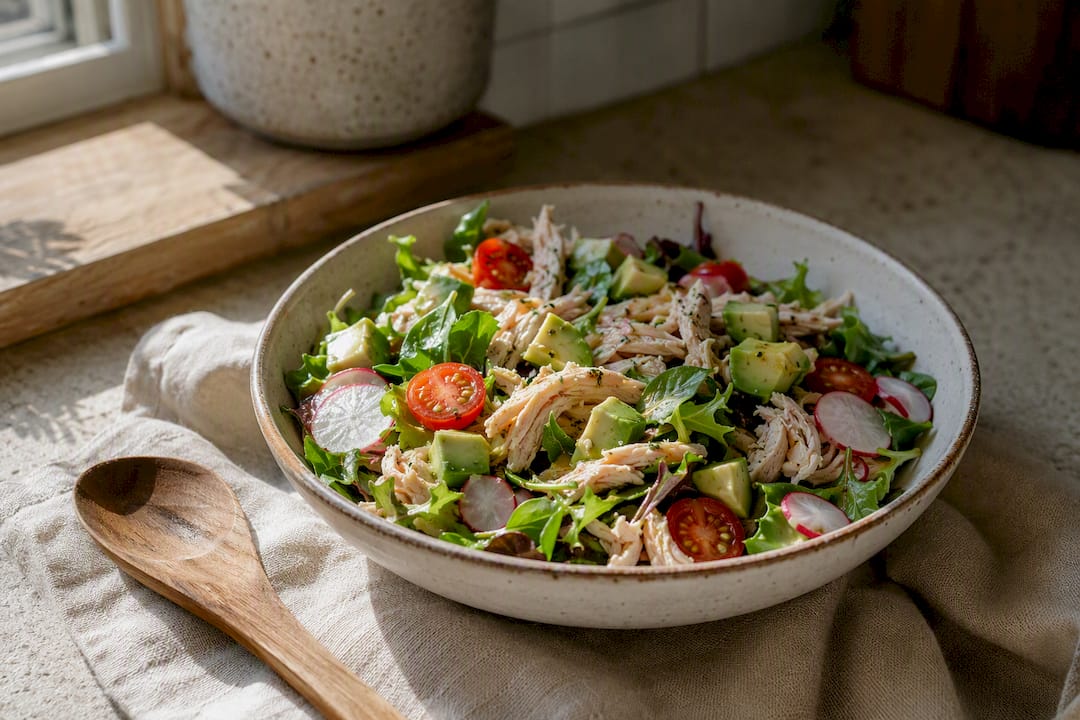
For chicken salad, swap half or all of the mayonnaise for plain Greek yogurt. Table Magazine includes a high-protein version built this way, and the yogurt actually holds dressing to shredded chicken better than straight mayo while cutting the fat significantly. Diced apple, celery, and toasted walnuts add crunch; a squeeze of lemon and fresh dill keep it from tasting one-note.
Grain bowls follow an easier formula you can vary endlessly:
- Base: cooked rice, farro, quinoa, or couscous.
- Vegetables: roasted, raw, or pickled, whatever’s in the crisper drawer.
- Chicken: warmed or cold, shredded or diced.
- Sauce: tahini, a vinaigrette, or a yogurt-based dressing.
- Finish: a drizzle of olive oil, fresh herbs, or a scatter of seeds.
For packed lunches, keep the dressing separate until you’re ready to eat so the greens or grains don’t turn soggy by noon. Grain bowls also travel better cold than hot, which makes them one of the easiest options for chicken meal prep bowls you portion out on Sunday and grab all week.
One-Pot and Baked Pasta Dishes
Pasta is where leftover chicken disappears the fastest, because the sauce does most of the flavor work and the chicken just needs to heat through. The trick with one-pot pasta is timing: add the pasta and just enough liquid to cook it through as the starch thickens the sauce, then stir in the chicken during the last two or three minutes so it doesn’t dry out or turn tough.
Two directions work well depending on what’s in the fridge:
- Creamy one-pot pasta — chicken broth, cream or half-and-half, garlic, parmesan, and shredded chicken, finished with spinach or sun-dried tomatoes. Forkwardkitchen’s creamy one-pot chicken pasta with sun-dried tomatoes and its garlic and spinach version both use this exact approach.
- Tomato-based one-pot pasta — crushed tomatoes, broth, garlic, and Italian herbs simmered with the pasta, chicken stirred in near the end, finished with fresh basil and parmesan.
If you’d rather bake it, cook the pasta about two minutes shy of al dente, toss with sauce and chicken, top with mozzarella, and finish in a 400°F oven until browned on top. That’s essentially a Tuscan-style baked pasta, and it reheats better the next day than most stovetop versions do. For something a little richer for a weekend dinner, Forkwardkitchen’s marry me chicken pasta uses leftover or freshly cooked chicken in a sun-dried tomato cream sauce that holds up well as a next-day lunch, too.
Pro Tip: Add shredded chicken to pasta sauce off the heat or on the lowest possible simmer. Direct high heat is what turns already-cooked chicken rubbery, not time.
Dips, Nachos, and Small Bites From Small Amounts
Some nights you have less than a cup of chicken left, barely enough for a main dish but plenty for a snack or appetizer. This is where leftover chicken earns its keep in the smallest, highest-flavor formats.
- Buffalo chicken dip — cream cheese, shredded chicken, hot sauce, and shredded cheddar baked until bubbling. Five ingredients, 15 minutes, and it disappears at any gathering. Forkwardkitchen’s baked buffalo chicken dip with blue cheese and sharp cheddar is the fuller version of this idea.
- Sheet-pan chicken nachos — chips, chicken, cheese, and whatever toppings you have, broiled for 3 to 5 minutes until melted.
- Chicken quesadillas — chicken, cheese, and a tortilla in a hot skillet for 2 to 3 minutes per side. Forkwardkitchen’s easy chicken quesadilla with Oaxaca cheese and chipotle crema shows how far a small amount of chicken stretches when melty cheese does the heavy lifting.
- Chicken crostini — toasted baguette slices topped with a smear of goat cheese or hummus and a few shreds of warm chicken.
For more ideas on stretching small toppings across a spread of snacks, this seed-based meal ideas roundup has useful add-ins for crostini and wraps beyond chicken alone.
Freezing and Portioning Chicken for Later
Good freezer habits turn one rotisserie chicken into three or four future meals instead of one big dinner. Portion the meat into recipe-sized amounts (a cup per bag is a useful default) before freezing, since a solid block of frozen chicken is much harder to work with than pre-divided portions.
- Squeeze out excess air or use a vacuum sealer to prevent freezer burn.
- Freeze flat in bags so portions thaw faster and stack easier.
- Thaw overnight in the fridge rather than at room temperature.
- Stretch a small thawed portion by folding it into a big batch of soup, a grain bowl, or a bean-based chili.
Chicken frozen properly holds good quality for 2 to 6 months, and safety extends well beyond that if your freezer stays at 0°F consistently. Beans, rice, and extra vegetables are the easiest way to turn half a cup of thawed chicken into a meal that still feeds the whole table.
Why These Recipes Work: Notes From Testing
Forkwardkitchen builds every recipe from scratch and tests it in a real kitchen before it’s published, with honest difficulty ratings attached so you know what you’re getting into before you start cooking. That matters more with leftover chicken than with a recipe that starts from raw meat, because reused chicken behaves differently: it’s already cooked, often drier, and unforgiving of extra time on the heat.
A few testing notes worth carrying into your own kitchen:
- Break chicken down while it’s still warm from roasting or from the store. Warm meat pulls off the bone in clean shreds; cold chicken tends to shred into stringy, uneven pieces.
- When reheating chicken in a sauce, add a splash of broth or milk and keep the heat low. The added liquid rehydrates the muscle fibers instead of tightening them further.
- Recipes with a “quick” or “easy” difficulty rating on Forkwardkitchen are the ones built specifically for leftovers: minimal steps, forgiving timing, and short ingredient lists.
Chicken that’s already cooked doesn’t need more heat. It needs moisture back. That single idea explains why some reheated chicken dishes taste dry and rubbery while others taste like they were just made.
A Cook’s Honest Take on Reusing Chicken
Most people treat leftover chicken like a chore to get through before it goes bad. It’s actually the opposite: it’s already seasoned, already cooked, and already saving you 20 minutes of prep compared to starting from raw. The families who get the most mileage out of it aren’t the ones with fancy recipes. They’re the ones with two or three defaults on rotation, soup one week, quesadillas the next, so leftover chicken never becomes a mystery ingredient staring back from the fridge. If you only try one thing tonight, make the buffalo chicken dip. It takes less time than deciding what to watch on TV, and it never survives the night uneaten.
— Oloru
Find More Tested Leftover Chicken Recipes on Forkwardkitchen
Every recipe mentioned here, from the one-pot pastas to the buffalo chicken dip, comes with full ingredient lists, step-by-step photos, and an honest difficulty rating so you know exactly what you’re signing up for before dinner starts. That’s the real advantage over scrolling through a dozen random roundups: one place, tested from scratch, with no guesswork about whether a recipe will actually work on a Tuesday night.
Browse the full recipe index for more ways to use up what’s already in your fridge, or head straight to the pasta collection if tonight calls for something creamy and fast. If leftover chicken turns out to be your gateway into cooking more from scratch, the advanced recipe collection is there for the weekend you’re ready for a bigger project. Start with tonight’s dinner and go from there.
Key Takeaways
Leftover chicken becomes dinner fastest when the recipe format, not the amount of chicken, drives the decision, and reheating with added moisture keeps the meat from turning dry or rubbery.
| Point | Details |
|---|---|
| Pick by time, not ingredient | Quesadillas and dip take 10 to 15 minutes; casseroles and stock-based soups need 30 to 45. |
| Storage windows | Refrigerate leftover chicken 3 to 4 days; freeze up to 2 to 6 months for best quality. |
| Reheat with moisture | Add broth or milk and use low heat to rehydrate chicken instead of drying it out. |
| Stretch small portions | Soups, casseroles, and grain bowls absorb small amounts of chicken best with grains or beans. |
| Forkwardkitchen advantage | Tested, from-scratch recipes with honest difficulty ratings for quick pastas, dips, and casseroles. |
Sources
- Leftover Roast Chicken Soup Recipe - The Washington Post
- Got a Rotisserie Chicken? Here Are 14 Quick, Satisfying Dinners You Can Make Tonight | Serious Eats
- Recipes for Your Leftover Roasted Chicken - Table Magazine