August 23, 2026
15 Easy Crockpot Dinners Families Will Actually Ask For Again
Discover 15 easy crockpot dinners your family will love. Prep in 15 minutes, set, and enjoy delicious meals with minimal effort!
15 Easy Crockpot Dinners Families Will Actually Ask For Again
Here’s what you get in this roundup: easy, family-friendly crockpot dinners you can prep in under 15 minutes, set to cook, and forget about until dinnertime. Every category busy weeknights demand is covered below, and each pick is chosen for minimal fuss and maximum payoff at the table.
The categories in this list:
- Chicken-based dinners for picky eaters and quick weeknights
- Beef, pork, and other hearty meat dinners for Sunday to Wednesday leftovers
- Vegetarian and legume-based dinners with real protein
- Soups, chilis, and crockpot bowls
- Dump-and-go, 5-ingredient meals for the nights when you have zero energy left
Full tested instructions, exact timing, and honest difficulty ratings live on the Forkward Kitchen recipe index, where every recipe on this list has been cooked, adjusted, and cooked again before it earned a spot.
Key Takeaways
Easy crockpot dinners work best when cooks match the right cut of meat to low, slow heat and hold delicate ingredients back until near the end of cooking.
| Point | Details |
|---|---|
| Choose fatty, tough cuts | Chuck roast, pork shoulder, and bone-in thighs break down into tender results; lean cuts dry out. |
| Add delicate items late | Dairy, pasta, rice, and fresh herbs go in during the final 15 to 45 minutes, never at the start. |
| Keep the lid shut | Every peek costs 15 to 20 minutes of lost heat, adding real time to the total cook. |
| Check temperature, not just time | Ground meat needs 160°F, poultry 165°F, and roasts for shredding need roughly 195°F to 205°F. |
| Rely on tested recipes | Forkward Kitchen’s crockpot recipes, including the pot roast and chicken and rice, carry honest difficulty ratings from real kitchen testing. |
Table of Contents
- Easy Crockpot Dinners With Chicken
- Beef, Pork, and Other Hearty Crockpot Dinners
- Vegetarian and Legume Crockpot Dinners
- Crockpot Soups, Chilis, and Bowls
- Dump-And-Go and 5-Ingredient Crockpot Dinners
- How Long Should a Crockpot Dinner Actually Cook?
- Why Forkward Kitchen’s Tested Recipes Earn Trust
- Planning Prep Time and a Simple Shopping List
- Serving Suggestions and Easy Side Dishes
- Crockpot Liners and Accessories Worth Owning
- Common Crockpot Mistakes That Ruin Dinner
- Converting a Regular Recipe for the Crockpot
- Nutritional Considerations for Crockpot Cooking
- A Weeknight Planner’s Take on Crockpot Dinners
- Find Forkward Kitchen’s Full Tested Crockpot Recipes
- Sources
Easy Crockpot Dinners With Chicken
Chicken is the default crockpot protein for a reason: it’s forgiving, it’s cheap, and kids rarely fight you on it. The trick is knowing which cut and which finishing touch turn “fine” into “can we have this again Thursday.”
- Creamy crockpot chicken and rice. Bone-in thighs, a can of broth, and rice stirred in during the last 30 to 40 minutes so it doesn’t turn to mush. Forkward Kitchen’s Creamy Crockpot Chicken and Rice with Parmesan and Herbs finishes with parmesan and fresh herbs stirred in right before serving, which keeps the dairy from separating over hours of heat.
- Honey garlic chicken thighs. Five ingredients, a sticky glaze, and a 15-minute prep window most weeknights can absorb.
- Salsa verde shredded chicken. Boneless breasts, a jar of salsa verde, shredded at the end for tacos, bowls, or quesadillas.
- Chicken and white bean stew. Bone-in thighs plus canned white beans give you a heartier, stick-to-your-ribs version without extra prep.
- Buffalo chicken dip-style dinner. Shredded chicken, cream cheese, and hot sauce over rice or in a wrap. Kids who like mild heat tolerate this better than you’d expect.
Boneless breasts cook faster and dry out easier; bone-in thighs are more forgiving if you’re not home to pull the plug the moment cooking finishes. Swap freely based on what’s on sale.
Pro Tip: Add dairy, cheese, or any starch like rice or pasta in the final 30 to 45 minutes, not at the start. Hours of low heat will curdle cream and turn rice into paste.
Beef, Pork, and Other Hearty Crockpot Dinners
Tougher, cheaper cuts are exactly what a crockpot is built for. Chuck roast, brisket, and pork shoulder all have connective tissue that needs low, slow heat to break down into something tender instead of chewy.
- Classic pot roast. Forkward Kitchen’s Unbeatable Slow Cooker Pot Roast with Red Wine Gravy uses chuck roast, root vegetables, and a red wine reduction that turns the drippings into an actual gravy instead of thin broth.
- Rich beef stew. The Rich Crockpot Beef Stew with Red Wine and Carrots leans on stew meat, carrots, and a wine-based braise for deeper flavor than a plain broth stew.
- Chipotle pulled pork. Slow Cooker Pulled Pork with Chipotle and Apple Cider balances smoky chipotle against apple cider’s sweetness, and shreds easily once the shoulder hits around 195°F internally.
- Beef birria. A trend highlighted by Campbell’s own slow-cooker recipe collection, built on dried chiles and beef for tacos or a rich dipping broth.
- Smoky pork shoulder for sandwiches. Bone-in or boneless shoulder, a dry rub, and enough liquid to keep it from scorching on the crockpot floor.
Chuck roast, brisket, and pork shoulder outperform lean cuts like sirloin or pork loin in a slow cooker, since fat and collagen render into moisture instead of drying out. Cook on low for 7 to 9 hours rather than high for 4 whenever your schedule allows it; slower heat means more even breakdown.
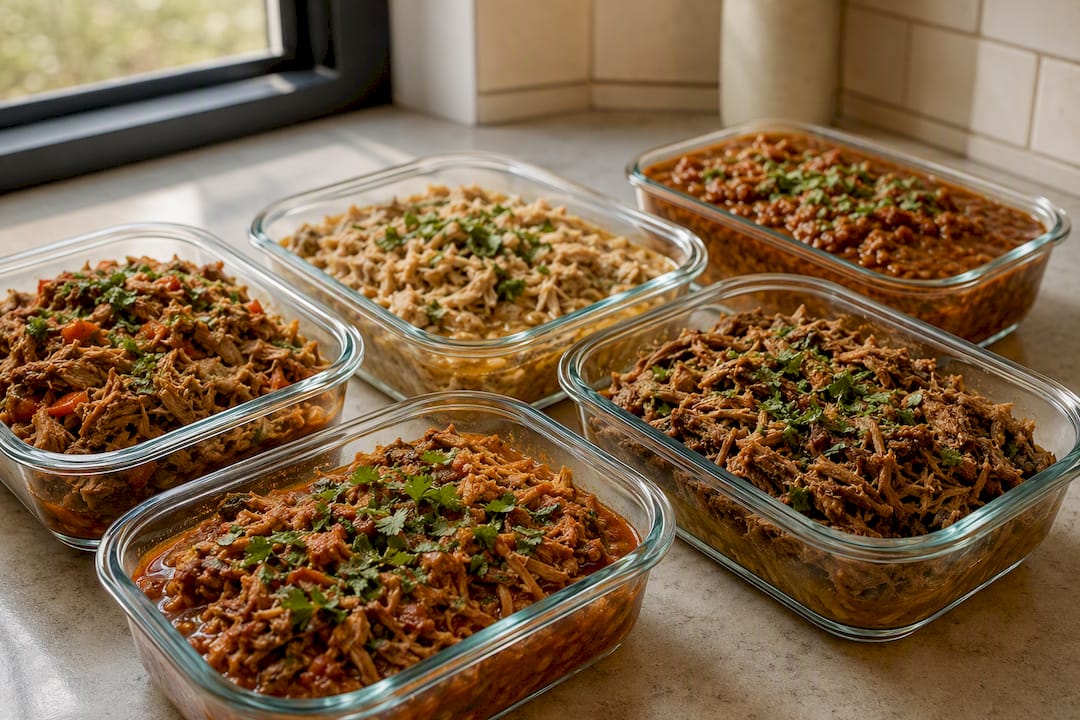
Leftovers from any of these keep well for 3 to 4 days refrigerated in an airtight container, and shredded pork or beef freezes cleanly for up to 3 months if you portion it flat in freezer bags.
Vegetarian and Legume Crockpot Dinners
Meat-free doesn’t mean low-protein when lentils, beans, and squash are doing the heavy lifting. A crockpot handles legumes especially well because the long, gentle cook softens them without babysitting a pot on the stove.
- Red lentil and coconut curry. Dried red lentils cook fully in 6 to 7 hours on low with no soaking required, unlike most other dried beans.
- Three-bean vegetarian chili. Canned beans (kidney, black, pinto) keep this one nearly dump-and-go, since canned legumes just need to heat through.
- Butternut squash and white bean stew. Cubed squash breaks down into a natural thickener as it cooks alongside the beans.
- Crockpot ratatouille over polenta. Eggplant, zucchini, and tomatoes stew down into something richer than the sum of its parts.
- Chickpea tikka masala. Canned chickpeas plus a simple tomato-cream base deliver a curry-house flavor with a fraction of the effort.
Dried beans (other than lentils) generally need soaking and often benefit from a pre-boil, since undercooked kidney beans can retain a toxin that heat below boiling doesn’t fully neutralize. Canned beans skip that risk entirely and cut cook time by hours, which is why most weeknight vegetarian crockpot recipes lean on them.
Pro Tip: Stir in an acid, like a squeeze of lime or a splash of vinegar, along with fresh herbs during the last 10 minutes. Hours of slow cooking mute brightness, and a late hit of acid resets the whole dish.
Crockpot Soups, Chilis, and Bowls
Soup and chili are the categories where a crockpot earns its keep the most, since both benefit from long simmering that would otherwise tie up a stovetop all afternoon.
- Classic beef chili. Ground beef, canned tomatoes, beans, and chili powder, ready in 6 hours on low with almost no attention.
- White chicken chili. Shredded chicken, white beans, and green chiles finished with a splash of cream for body.
- Loaded potato soup. Diced potatoes, broth, and bacon, with cream cheese stirred in near the end to avoid separating.
- Minestrone. A vegetable-forward soup where pasta gets added in the final 20 minutes so it doesn’t turn to mush.
- Tortilla soup. Shredded chicken or beans in a tomato-chile broth, built for toppings.
The finishing step matters as much as the base. Cream, sour cream, or cream cheese should go in during the last 15 to 20 minutes on low heat, never at the start, or the fat will separate into an oily film. If a soup needs thickening, a cornstarch slurry stirred in near the end works faster and more reliably than flour.
Garnishes turn a basic bowl into something that feels intentional: crushed tortilla chips and diced avocado on tortilla soup, shredded cheddar and green onion on potato soup, a swirl of sour cream on chili. None of these add more than two minutes of work at serving time.
Dump-And-Go and 5-Ingredient Crockpot Dinners
These are the nights you have five minutes, not fifteen. Every recipe here follows the same basic formula: one protein, one sauce or liquid base, one vegetable or starch, and a seasoning blend. Learn the formula and you can improvise dozens of variations from whatever’s in the pantry.
- Salsa chicken. Chicken breasts, a jar of salsa, taco seasoning. Shred for tacos or bowls.
- Brown sugar garlic pork chops. Pork chops, brown sugar, garlic, soy sauce. Sweet and salty with almost no effort.
- Sausage and peppers. Italian sausage links, bell peppers, marinara. Serve over rice or in a hoagie roll.
- Beef and broccoli. Sliced beef, broccoli florets added in the last hour, and a soy-garlic sauce.
- Chicken tortellini soup. Frozen tortellini, chicken breast, broth, and spinach stirred in near the end.
- BBQ pulled chicken. Chicken thighs and a bottle of barbecue sauce, shredded for sandwiches or sliders.
Simple-ingredient crockpot cooking has become its own genre, echoed in cookbook collections like Gina Homolka’s Skinnytaste Simple & Easy, which centers recipes on seven ingredients or fewer.
One safety note that gets skipped constantly: every crockpot recipe needs a minimum amount of liquid, usually at least half a cup to a cup, even in “dump” recipes that look dry on paper. Without it, the bottom layer scorches and sticks long before the rest of the dish finishes cooking.
How Long Should a Crockpot Dinner Actually Cook?
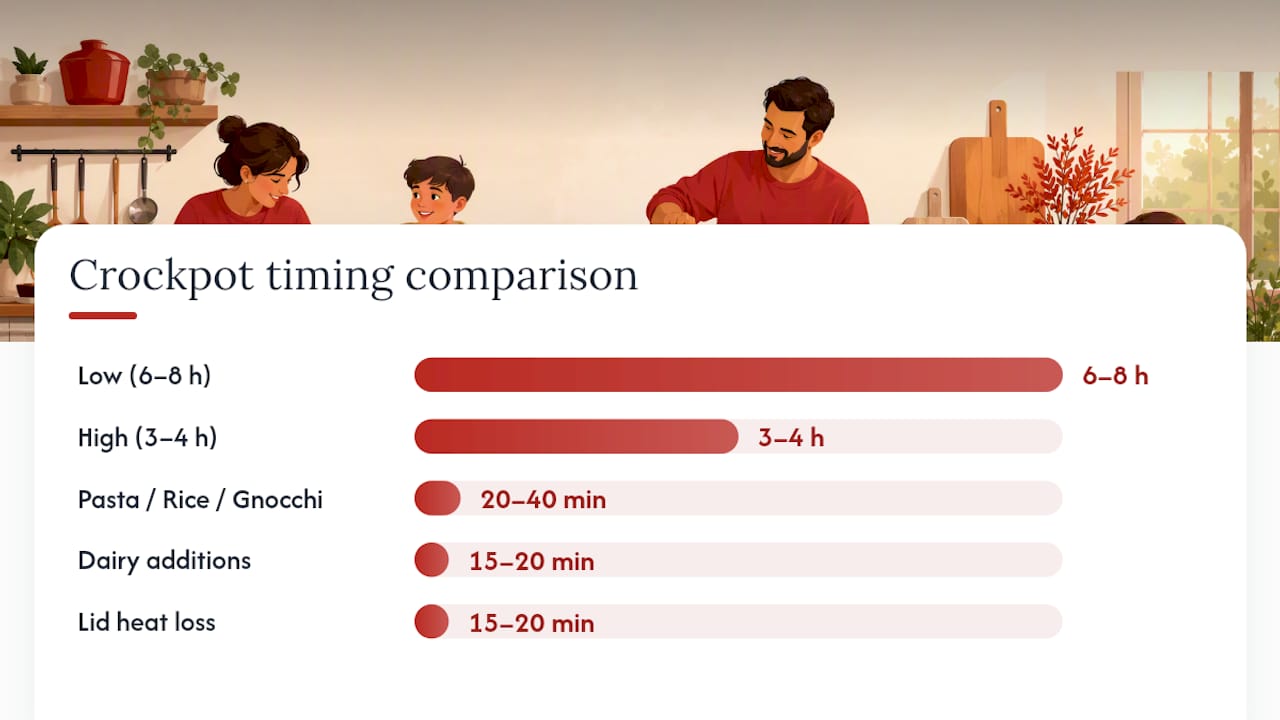
Most crockpot dinners fall into one of two windows: 6 to 8 hours on low, or 3 to 4 hours on high. Low heat produces more even, tender results for tougher cuts; high heat is a fine shortcut for chicken breasts, ground meat, or dishes you started late.
Meat safety comes down to internal temperature, not time on the clock. Ground meats need to hit 160°F, whole poultry pieces need 165°F, and pork or beef roasts are safest at 195°F to 205°F if you want them to shred rather than slice. A cheap instant-read thermometer removes all the guesswork.
Frozen meat changes the math. The USDA generally discourages placing frozen meat directly into a slow cooker, since it spends too long in the temperature range where bacteria multiply before the crockpot’s low heat catches up. Thaw meat in the refrigerator overnight before it goes in, and if you’re short on time, that’s one place a quick defrost in the microwave beats winging it frozen.
- Add pasta, rice, and gnocchi in the final 20 to 40 minutes, not at the start.
- Add dairy (cream, cheese, sour cream) in the final 15 to 20 minutes.
- Add fresh herbs right before serving; dried herbs can go in earlier.
- Never fill a crockpot past two thirds full, or heat won’t circulate evenly.
Lifting the lid mid-cook is the most common way to sabotage a crockpot dinner. Every time the lid comes off, the unit loses 15 to 20 minutes of built-up heat, which is why “just checking” adds real time to the total cook.
Why Forkward Kitchen’s Tested Recipes Earn Trust
Every crockpot recipe on Forkward Kitchen goes through actual kitchen testing before it’s published, not just a single run-through. That means checked timing, checked seasoning ratios, and an honest difficulty rating attached to the finished page, so you know before you start whether a recipe is a true beginner dump-and-go or something that asks a little more of you.
- Rich Crockpot Beef Stew with Red Wine and Carrots: tested for braise timing and wine reduction balance.
- Unbeatable Slow Cooker Pot Roast with Red Wine Gravy: tested against multiple chuck roast sizes to nail a gravy that isn’t watery.
A recipe is only as trustworthy as the kitchen that actually cooked it more than once. Honest difficulty ratings exist so a Tuesday-night cook and a weekend project cook both know exactly what they’re walking into before the lid goes on.
Planning Prep Time and a Simple Shopping List
Most of the crockpot dinners above need 10 to 15 minutes of hands-on prep: chopping an onion, browning meat if the recipe calls for it, and dumping everything into the insert. That’s the entire appeal. Compare that to a 45-minute braised dinner on the stovetop, and the math on a Tuesday night isn’t close.
Shop smarter by building your list around what freezes and holds well. Onions, carrots, celery, garlic, and canned tomatoes or beans form the backbone of nearly every recipe above, so buying them in bulk on a slower shopping day means a weeknight crockpot dinner never depends on an emergency grocery run.
Buy proteins in bulk when they’re on sale and freeze them in recipe-ready portions. A chuck roast, a package of chicken thighs, and a pork shoulder divided into individual freezer bags mean you’re never short a protein even on weeks you didn’t plan ahead. Pre-chopped bagged vegetables cost more per pound but can save real prep time on the busiest nights, and for a crockpot dinner, that trade is usually worth it.
Keep a small rotating list of pantry staples on hand: canned beans, canned tomatoes, chicken broth, and a few sauce bases like salsa, barbecue sauce, and coconut milk. With that shelf stocked, most of the dump-and-go recipes above need only a protein pickup to become dinner.
Serving Suggestions and Easy Side Dishes
A crockpot dinner rarely needs more than one side, since the main dish usually carries plenty of vegetables and starch already. The goal with sides is balance and speed, not a second production.
Roasted vegetables are the most reliable match: toss whatever’s in the crisper with olive oil and salt, and let them roast while the crockpot finishes its last hour. Forkward Kitchen’s guide to easy side dishes with roasted vegetables and potatoes covers a handful of low-effort options that hold up alongside pot roast, chili, or braised chicken.
A crusty bread or a quick skillet cornbread rounds out soups and chilis especially well, since it does double duty as both a side and a spoon substitute for scraping the bowl clean. For stews and pot roast, mashed potatoes or egg noodles soak up the gravy in a way rice sometimes can’t. Green salads work best with heavier meat dinners, where a little acid and crunch cut through the richness.
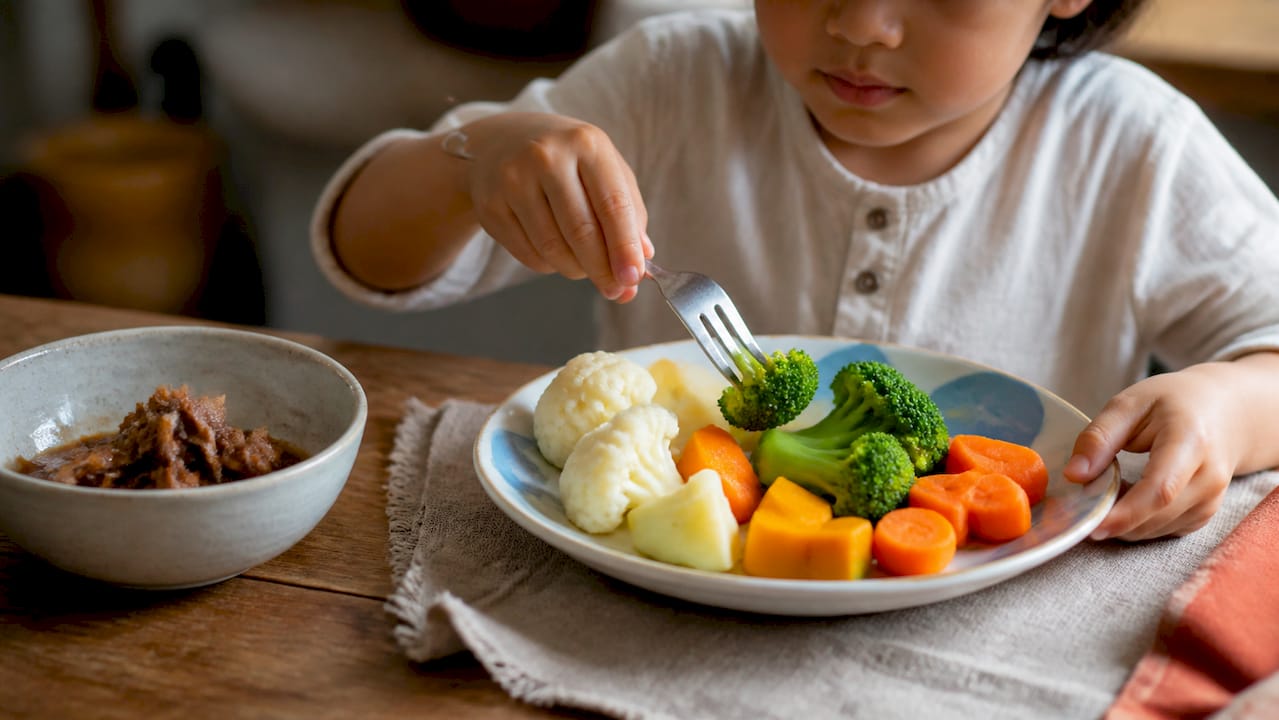
If you’re feeding picky eaters, keep sides separate rather than mixed into the main dish. Kids who balk at a stew full of vegetables will often eat the same vegetables happily as a side they can push around their own plate.
Crockpot Liners and Accessories Worth Owning
Cleanup is the one part of crockpot cooking nobody enjoys, and slow-cooker liners solve most of it. These disposable plastic liners fit inside the ceramic insert before you add ingredients, and cleanup afterward is just lifting the liner out and tossing it. They’re rated for slow-cooker temperatures specifically, so don’t substitute regular plastic bags.
A few other accessories genuinely earn their shelf space. A silicone trivet or rack lifts roasts and whole chicken breasts off the bottom of the insert, which keeps the underside from overcooking while the top catches up. Locking lids matter if you ever transport a crockpot dinner to a potluck or a family gathering; without one, sauce ends up on your car seat.
An instant-read meat thermometer is arguably the single most useful accessory on this list, more valuable than any liner or lid. It’s the one tool that turns “I think it’s done” into a confirmed 165°F on a chicken breast or 200°F on a pot roast.
Programmable timers with a “keep warm” setting after cooking finishes are worth the small price difference over basic on/off models. They mean a recipe that finishes at 2 p.m. isn’t overcooked and dried out by the time you sit down to eat at 6.
Common Crockpot Mistakes That Ruin Dinner
The single biggest mistake is lifting the lid to check on things. Every peek costs the crockpot 15 to 20 minutes of rebuilt heat, and doing it three or four times over a cook can add well over an hour to the total time without you realizing it.
Overfilling is the second most common problem. A crockpot needs headroom for heat to circulate; packing it past two thirds full traps steam unevenly and leaves some ingredients undercooked while others turn mushy.
Using the wrong cut of meat causes more disappointment than any other single factor. Lean cuts like chicken breast or pork loin dry out over long cook times because they lack the fat and connective tissue that slow cooking is designed to break down. Save those cuts for shorter, high-heat settings, and reserve low-and-slow for chuck roast, thighs, and shoulder cuts.
Adding dairy, pasta, or delicate vegetables at the start instead of the end is a mistake nearly every new crockpot cook makes at least once. Cream curdles, pasta disintegrates, and zucchini turns to mush after six hours of low heat, all easily avoided by holding those ingredients back until the final 20 to 45 minutes.
Not browning meat first when a recipe calls for it skips a flavor step that a crockpot can’t replicate on its own. Searing beef or browning sausage in a skillet for five minutes before it goes into the insert builds a depth of flavor that slow, moist heat alone won’t create.
Converting a Regular Recipe for the Crockpot
Most stovetop or oven recipes can move to a crockpot with a few adjustments, not a total rewrite. Start with liquid: crockpots don’t lose moisture to evaporation the way an open pot does, so cut the liquid in a converted recipe by roughly a quarter to avoid a soupy result.
Timing conversion follows a rough rule: 1 hour in the oven or on the stovetop generally equals 4 to 6 hours on low, or 2 to 3 hours on high, in a crockpot. That’s a starting estimate, not a guarantee, since ingredient size and the specific crockpot model both shift the math.
Dairy, delicate herbs, pasta, and quick-cooking vegetables need to be held out of the initial dump and added near the end, exactly as with any purpose-built crockpot recipe. If the original recipe calls for a reduction or a thickened sauce, that step usually needs to happen separately, either on the stovetop after cooking or with a cornstarch slurry stirred in during the final 15 minutes, since a crockpot won’t reduce liquid the way an open pan will.
Cut size matters more in a crockpot than in the oven. Large, whole cuts like a full chuck roast do better than pieces already cut small, since undersized pieces can overcook into mush over a long, low simmer.
Nutritional Considerations for Crockpot Cooking
Slow, moist cooking is genuinely good for nutrition retention in some respects and worth watching in others. Water-soluble vitamins like vitamin C and several B vitamins can leach into cooking liquid over long hours, so a soup or stew that keeps that broth intact (rather than draining it) holds onto more of those nutrients than a dish where liquid gets discarded.
Sodium is the bigger practical concern for most families. Canned beans, canned tomatoes, broth, and pre-made sauces are convenient crockpot building blocks, but they stack sodium fast. Choosing low-sodium broth and rinsing canned beans before adding them cuts a meaningful amount of sodium without changing texture or cook time.
Fat content in crockpot meat dinners often runs higher than expected, since the fatty cuts that hold up best to long cooking (chuck, shoulder, thighs) also carry more fat than lean alternatives. Skimming visible fat off the top of a stew or pot roast before serving, or refrigerating the dish overnight so fat solidifies and lifts off easily, trims a real amount of it.
Books like Gina Homolka’s Skinnytaste Everyday lean on lean proteins and portion awareness as a template for making crockpot dinners fit a health-conscious routine without losing the comfort-food appeal that makes slow cooking worth doing in the first place.
A Weeknight Planner’s Take on Crockpot Dinners
The families who stick with crockpot cooking treat it as a two-night-a-week habit, not an everyday default. Pick your busiest two nights, prep both proteins during Sunday’s grocery unload, and let the crockpot cover exactly those nights while you cook fresh the rest of the week. That rhythm avoids the fatigue that comes from eating stew five nights running, and it keeps the format feeling like a relief instead of a rut.
Find Forkward Kitchen’s Full Tested Crockpot Recipes
Forkward Kitchen gives you something most recipe sites skip: an honest difficulty rating on every dish, based on actual repeated kitchen testing rather than a guess at how hard something “should” be. That means you know before you start whether tonight’s pot roast is a true beginner recipe or one that asks for a little more attention around hour six.
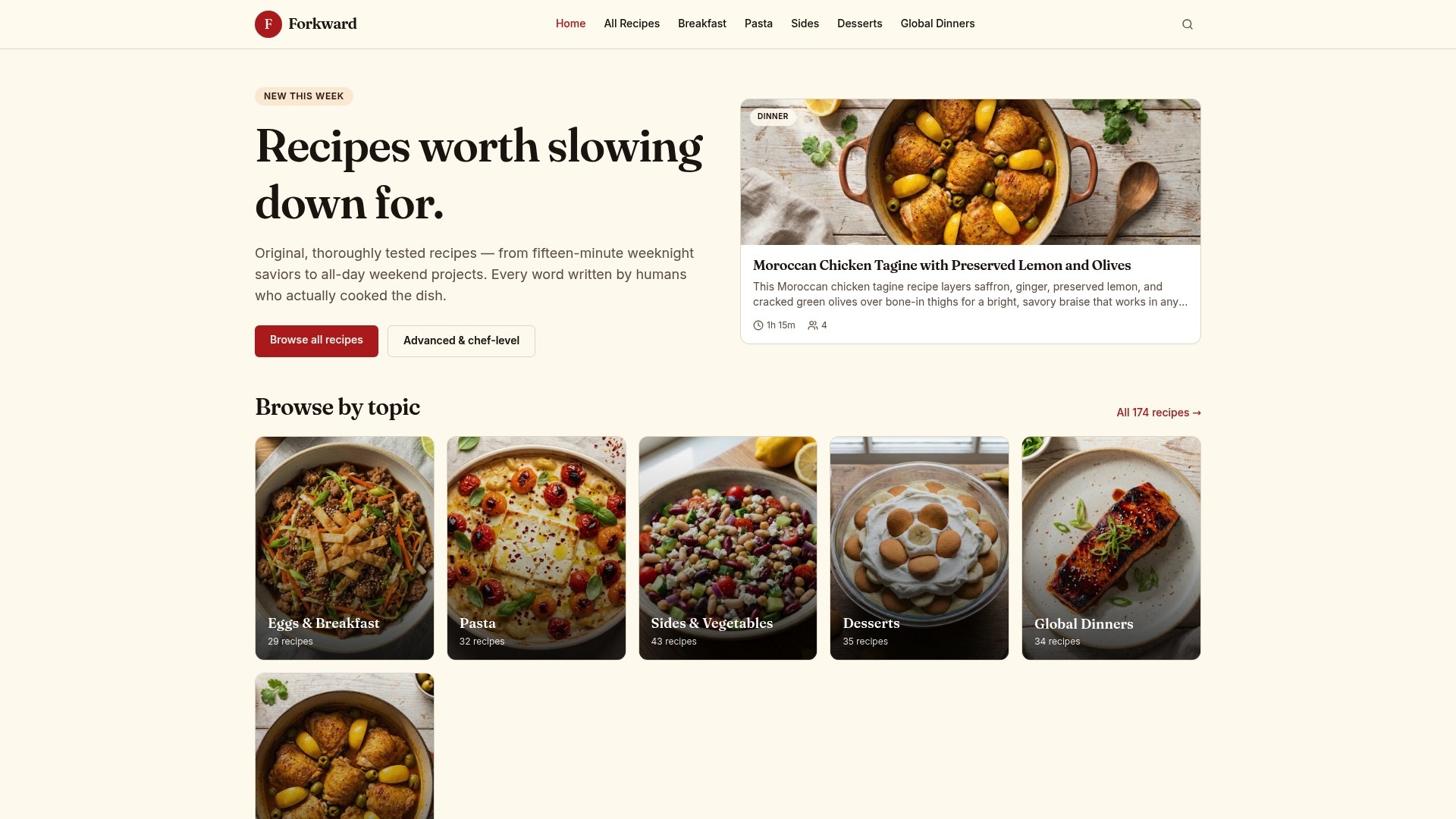
Every recipe mentioned in this list, from the Rich Crockpot Beef Stew with Red Wine and Carrots to the Creamy Crockpot Chicken and Rice, links back to full step-by-step instructions, exact timing, and the ingredient swaps that actually work. Browse the complete Forkward Kitchen recipe index to find the next crockpot dinner your family adds to permanent rotation, and if you need a quick side to round out the plate, the pasta collection has plenty of fast, kid-friendly options worth pairing with tonight’s main.