Authentic Lebanese Fattoush Salad with Crispy Pita
This authentic Lebanese fattoush salad features shatteringly crisp pita bread, fresh garden herbs, and a zingy pomegranate molasses dressing. A refreshing Middle Eastern classic.
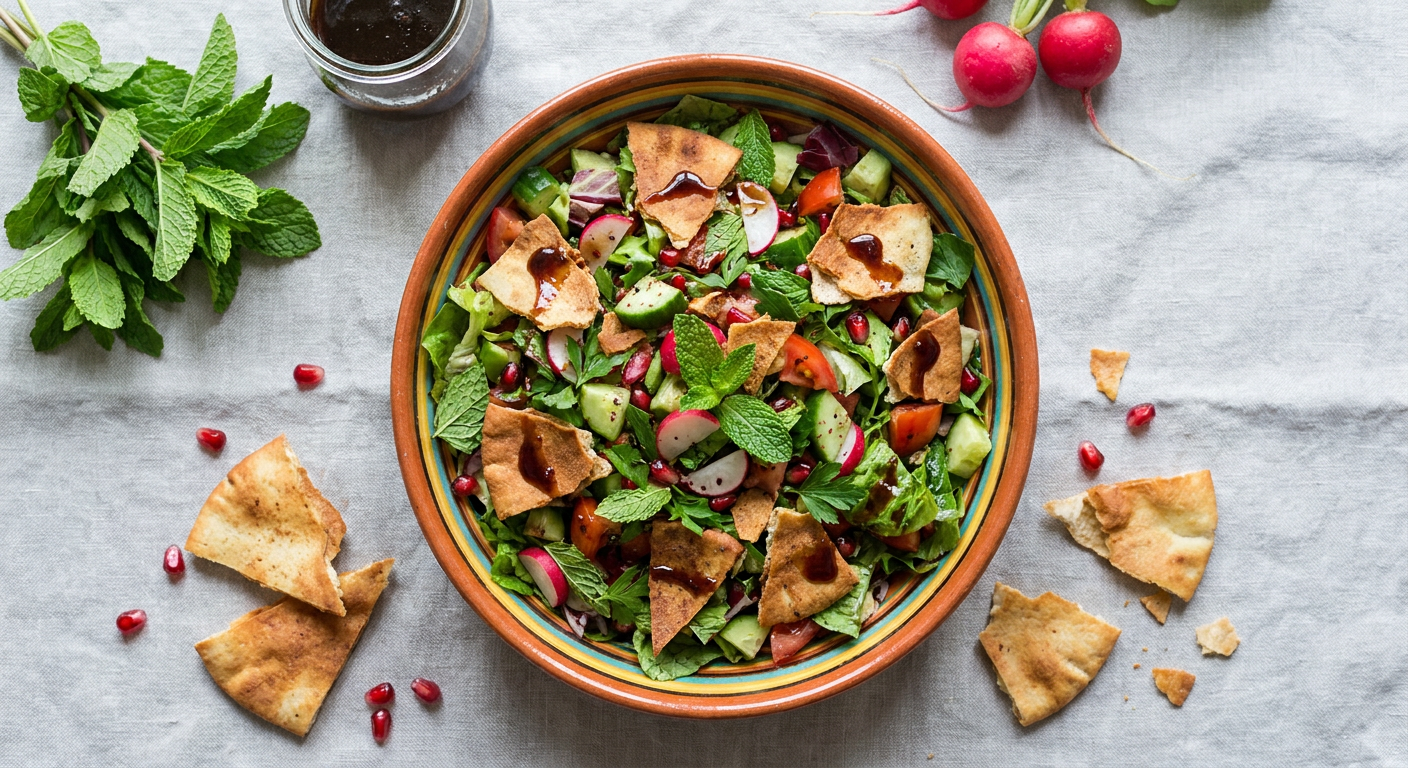

A truly great Lebanese fattoush salad is defined by the contrast between its sharp, acidic dressing and the crunch of toasted bread. Unlike a soggy panzanella, this salad relies on pita that has been fried or baked until it shatters, acting as a savory crouton that holds its own against the juicy vegetables.
This fattoush recipe is a celebration of the Levantine garden, utilizing cooling Persian cucumbers, ripe tomatoes, and the citrusy punch of sumac. While many versions exist, the most authentic iterations always include purslane and a generous amount of fresh mint to provide that signature bright finish.
To master this Lebanese bread salad with sumac, the secret lies in the dressing. A heavy hand with pomegranate molasses creates a complex, syrupy tartness that balances the earthy olive oil. It is a vibrant, textured dish that serves as the perfect accompaniment to grilled meats or as a standalone light lunch.
Ingredients
The Crispy Pita
- 2 large pita breads, torn into 1-inch (2.5cm) pieces
- 3 tbsp extra virgin olive oil (or neutral oil for frying)
- A pinch of kosher salt
The Dressing
- 1/4 cup (60ml) extra virgin olive oil
- 2 tbsp pomegranate molasses
- Juice of 1 large lemon
- 1 tbsp ground sumac
- 1 clove garlic, finely grated or crushed
- 1/2 tsp dried mint
- Salt and black pepper to taste
The Vegetables & Herbs
- 3 Persian cucumbers (or 1 English cucumber), chopped into half-moons
- 4 medium Roma tomatoes, chopped into 1-inch cubes
- 4 red radishes, thinly sliced
- 2 green onions, thinly sliced
- 1 cup fresh purslane leaves (or watercress/baby spinach)
- 1/2 cup fresh mint leaves, roughly chopped
- 1/2 cup fresh flat-leaf parsley, roughly chopped
- 1 head Romaine lettuce, chopped into bite-sized pieces
Instructions
- 1
Heat 3 tablespoons of oil in a wide skillet over medium heat. Add the torn pita pieces and fry, tossing frequently, for 4-6 minutes until golden brown and shatteringly crisp. Drain on paper towels and season immediately with a pinch of salt.
- 2
Whisk the dressing ingredients—olive oil, pomegranate molasses, lemon juice, sumac, garlic, and dried mint—in a small bowl until emulsified. Taste and adjust salt and pepper; it should be quite sharp.
- 3
Combine the chopped Romaine, cucumbers, tomatoes, radishes, and green onions in a large, shallow salad bowl.
- 4
Add the fresh purslane, mint, and parsley to the bowl. Toss the greens gently to distribute the herbs evenly.
- 5
Drizzle the dressing over the vegetables just before you are ready to serve. Toss well so every leaf is coated.
- 6
Top the salad with the fried pita chips. Give it one final, very brief toss so some pita is coated in dressing while the rest stays perfectly dry and crunchy.
Nutrition (per serving)
Estimates only — not medical or dietary advice.
- Calories
- 315 kcal
- Protein
- 5 g
- Carbs
- 32 g
- Fat
- 20 g
- Fiber
- 6 g
- Sugar
- 8 g
- Sodium
- 440 mg
Tips
- → Never dress the salad early. The acid in the lemon and sumac will wilt the greens and turn the pita into mush within minutes.
- → If you can't find purslane, use watercress or arugula to mimic that slightly peppery, succulent bite.
- → For a healthier alternative to frying, toss the pita in olive oil and bake at 400°F (200°C) for 8-10 minutes until crisp.
- → Rub the salad bowl with a cut clove of garlic before adding the vegetables for a subtle, aromatic depth.
FAQ
What is the secret to a non-soggy fattoush?
The secret is two-fold: fry the pita until it is very dry and golden, and only toss the bread and dressing into the vegetables at the absolute last second before the bowl hits the table.
Can I substitute the pomegranate molasses?
While it provides the signature tangy-sweet flavor of an authentic Lebanese fattoush salad, you can substitute it with a reduction of balsamic vinegar or extra lemon juice and a pinch of sugar in a pinch.
How do I store leftover fattoush?
Fattoush does not store well once dressed. If you expect leftovers, keep the fried pita and the dressing in separate containers and only mix what you plan to eat immediately.
You might also like
 Dinner
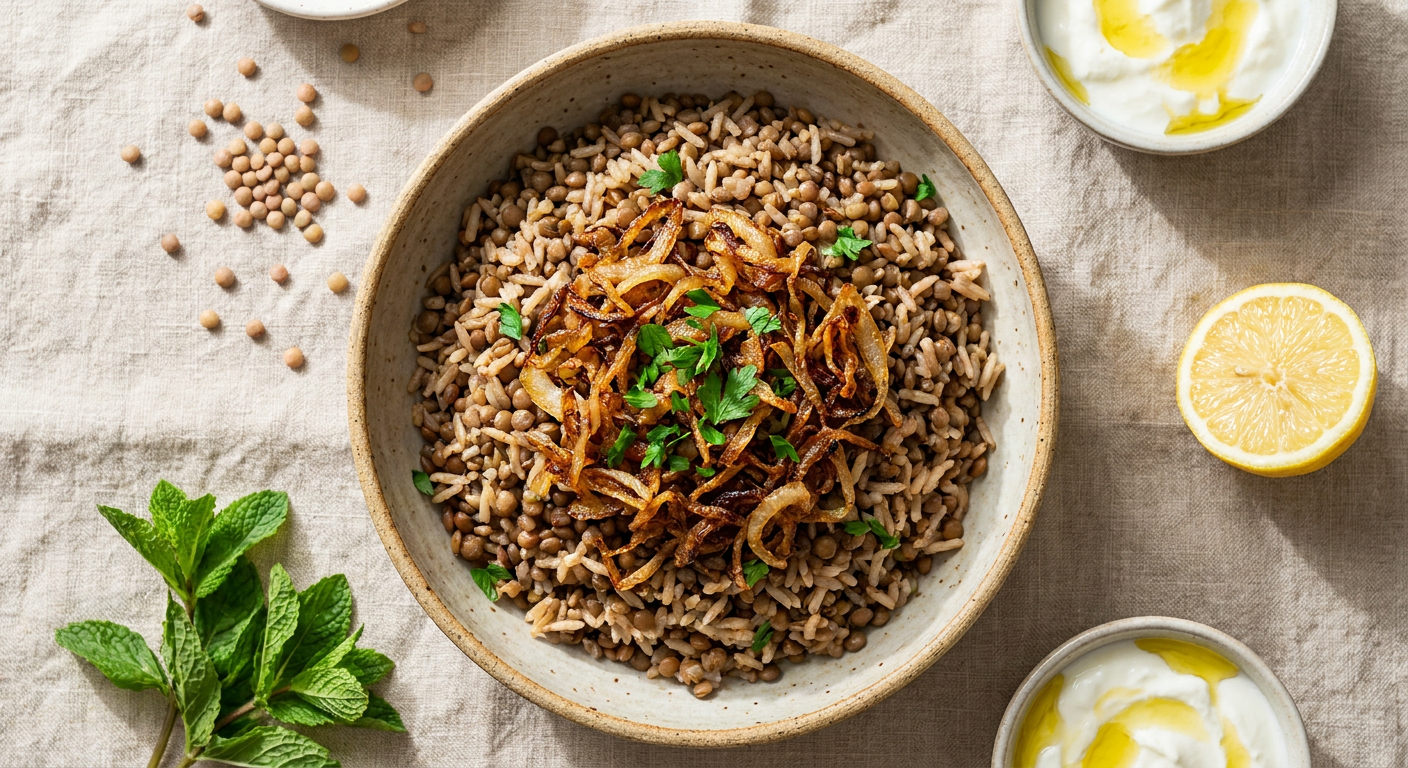
Lebanese Mujadara: Lentils and Rice with Crispy Onions
Master Lebanese mujadara with this authentic recipe. Earthy brown lentils and rice are layered with cumin and topped with deep mahogany crispy onions for a perfect vegan meal.
 Salads
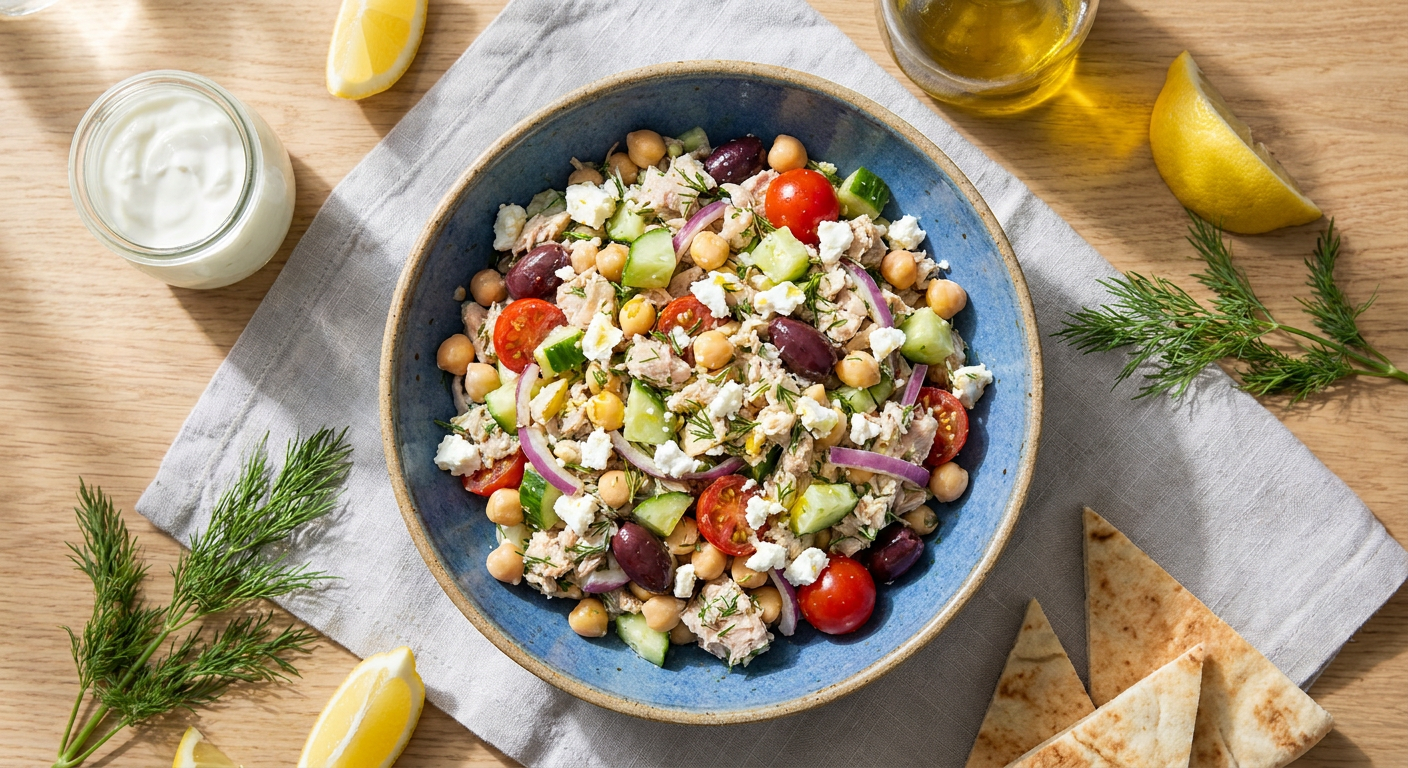
Zesty Tuna Salad Without Mayo (Greek Yogurt & Dill)
This zesty tuna salad without mayo uses Greek yogurt and olive oil for a bright, high-protein lunch. Packed with fresh dill, capers, and lemon on sourdough toast.
 Dessert
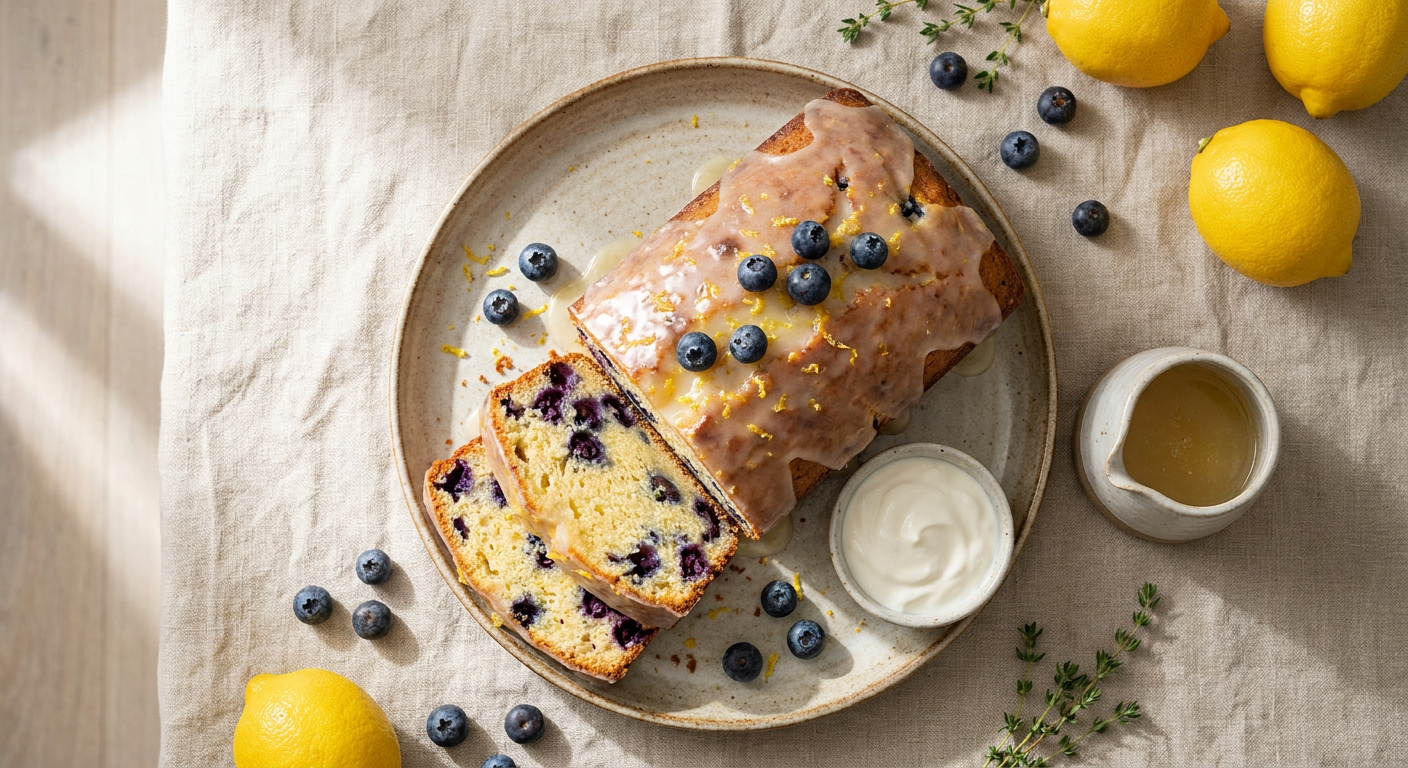
Lemon Blueberry Loaf with Sour Cream and Citrus Syrup
This lemon blueberry loaf features a tender sour cream crumb, fresh berries, and a double hit of citrus with a warm lemon syrup soak and a tart glaze.
 Salads
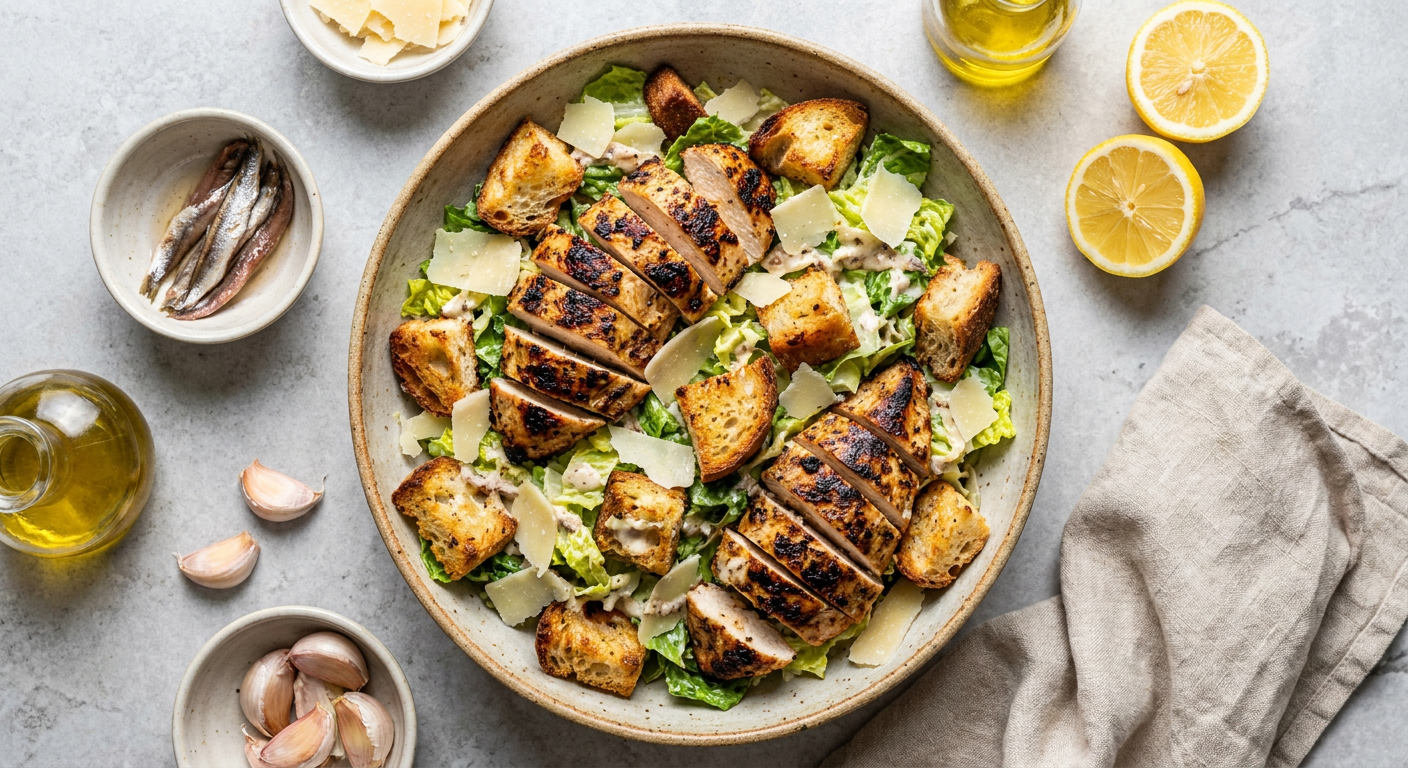
The Ultimate Chicken Caesar Salad with Sourdough Croutons
This chicken caesar salad features charred grilled chicken, garlicky sourdough croutons, and a punchy from-scratch anchovy-lemon dressing for the ultimate meal.