Authentic Gado Gado Recipe with Homemade Peanut Sauce
A vibrant gado gado recipe featuring blanched vegetables, fried tofu, and boiled eggs drizzled in a rich, handmade tamarind and kecap manis peanut sauce.
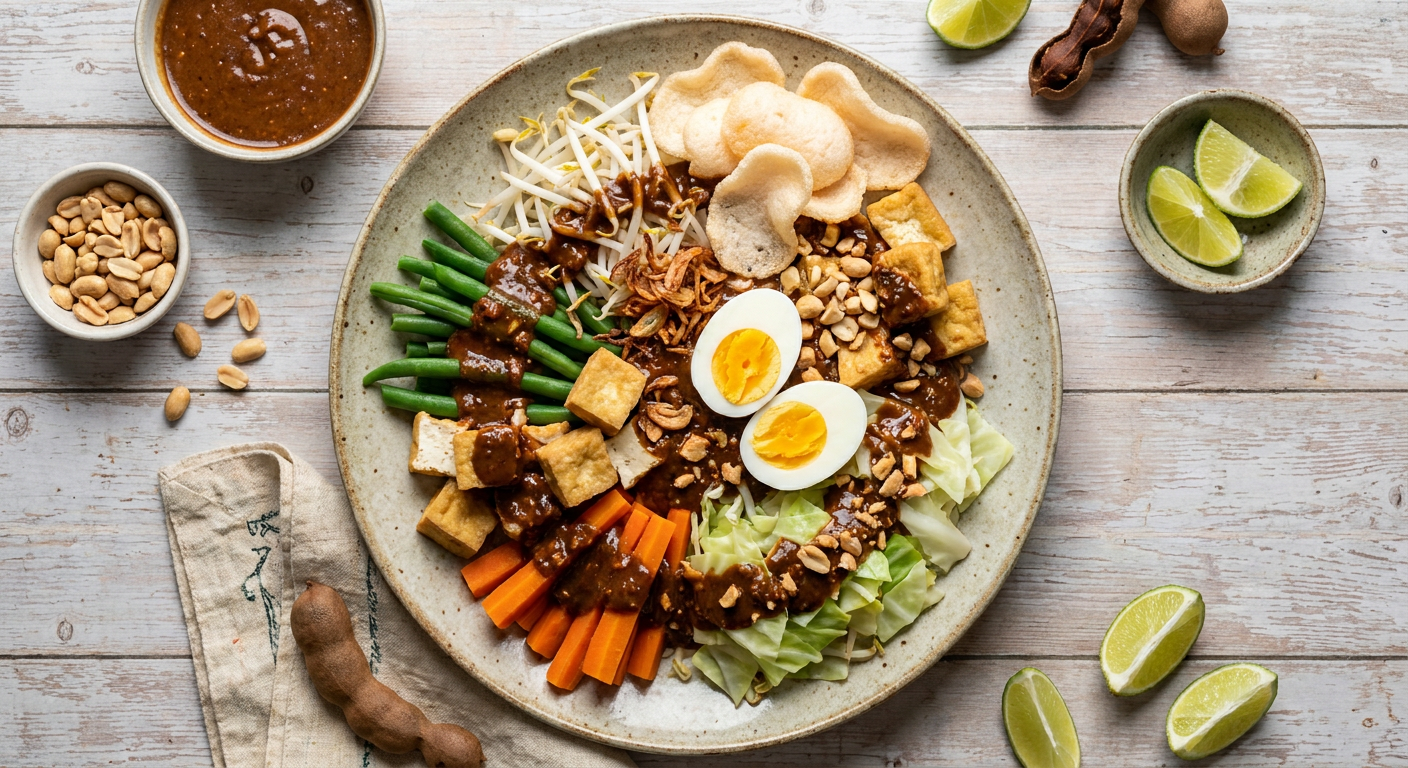

This gado gado recipe is the ultimate showcase of how texture and bold flavors can transform a simple plate of vegetables into a powerhouse meal. Unlike western salads that rely on leafy greens and acidic vinaigrettes, this Indonesian gado gado salad is built on a foundation of hearty blanched cabbage, crunchy bean sprouts, and protein-packed fried tofu, all brought together by a warm, complex dressing.
The soul of this dish lies in the sauce. Forget the jarred peanut butter; a true peanut sauce vegetable salad requires roasting raw peanuts and grinding them with aromatic garlic, bird's eye chilies, funky shrimp paste, and the deep, molasses-like sweetness of kecap manis. The addition of tamarind pulp provides a necessary sour backbone that cuts through the richness of the nuts.
Assembly is just as important as the cook. We plate the warm vegetables, crisp cucumbers, and jammy boiled eggs before smothering them in that thick, savory sauce. Topped with a handful of krupuk (shrimp crackers) for that essential shatter-crisp finish, it’s a balanced, satisfying meal that hits every taste bud.
Ingredients
The Salad Base
- 200g (7 oz) green beans, trimmed and halved
- 300g (10.5 oz) white cabbage, shredded into wide strips
- 150g (5.3 oz) bean sprouts, rinsed
- 2 medium potatoes, boiled, peeled, and cubed
- 200g (7 oz) firm tofu, cut into cubes and pan-fried until golden
- 200g (7 oz) tempeh, sliced and fried (optional)
- 3 large eggs, hard-boiled and halved
- 1 large cucumber, sliced into rounds
The Peanut Sauce
- 200g (1.5 cups) raw skinless peanuts
- 3 cloves garlic, peeled
- 2 red bird's eye chilies (adjust for heat)
- 1 teaspoon shrimp paste (terasi), toasted
- 2 tablespoons kecap manis (Indonesian sweet soy sauce)
- 1 tablespoon tamarind concentrate dissolved in 2 tablespoons warm water
- 1 tablespoon palm sugar or brown sugar
- 1/2 teaspoon salt
- 150ml (5 fl oz) warm water, or as needed for consistency
- 1 lime, juiced
Garnish
- Handful of krupuk (shrimp crackers) or emping (melinjo crackers)
- 1 tablespoon fried shallots (bawang goreng)
Instructions
- 1
Roast the raw peanuts in a dry skillet over medium heat, tossing frequently until golden brown and fragrant, about 8-10 minutes. Let them cool slightly.
- 2
Grind the peanuts, garlic, chilies, and shrimp paste using a food processor or a traditional mortar and pestle until a coarse, oily paste forms.
- 3
Transfer the paste to a small saucepan and stir in the kecap manis, tamarind water, palm sugar, and salt.
- 4
Add the warm water gradually over low heat, stirring constantly until the sauce thickens to a pourable consistency that coats the back of a spoon. Stir in the lime juice and set aside.
- 5
Blanch the vegetables separately: boil the green beans for 3 minutes, the cabbage for 2 minutes, and the bean sprouts for 30 seconds. Drain and immediately plunge into ice water to stop the cooking, then pat dry.
- 6
Arrange the blanched vegetables, boiled potatoes, cucumber slices, fried tofu, and tempeh on a large serving platter.
- 7
Place the halved boiled eggs around the perimeter of the dish.
- 8
Generously pour the warm peanut sauce over the center of the salad components.
- 9
Top with a heavy sprinkle of fried shallots and serve immediately with a side of krupuk for dipping and crunch.
Nutrition (per serving)
Estimates only — not medical or dietary advice.
- Calories
- 685 kcal
- Protein
- 34 g
- Carbs
- 48 g
- Fat
- 46 g
- Fiber
- 9 g
- Sugar
- 12 g
- Sodium
- 740 mg
Tips
- → Do not overcook the vegetables; they should be tender-crisp to provide a structural contrast to the creamy sauce.
- → If your peanut sauce becomes too thick as it cools, whisk in a tablespoon of warm water at a time until it loosens up.
- → For the most authentic flavor, use a stone mortar and pestle (ulekan) to grind the sauce, which releases more oils than a food processor blade.
- → Always fry your tofu and tempeh fresh for the best texture; pre-packaged fried tofu can often be spongy and bland.
FAQ
Can I use peanut butter instead of roasting whole peanuts?
While you can use natural, unsweetened peanut butter in a pinch, the texture will be too smooth and the flavor less complex. Roasting and grinding whole peanuts provides the signature gritty, earthy depth essential to an authentic gado gado recipe.
How do I make this gado gado recipe vegan?
To make this vegan, omit the boiled eggs and replace the shrimp paste with a tablespoon of fermented soybean paste (miso) or simply extra salt. Ensure your crackers are emping (made from melinjo nuts) rather than shrimp-based krupuk.
Why does my peanut sauce look oily?
It is natural for peanut oil to separate, especially if you ground the nuts while they were still warm. Simply give the sauce a vigorous stir before serving to re-emulsify the fats.
Is gado gado served hot or cold?
Gado gado is traditionally served at room temperature with a warm sauce. The vegetables are blanched and cooled, but the tofu and sauce are typically prepared just before serving.
You might also like
 Salads
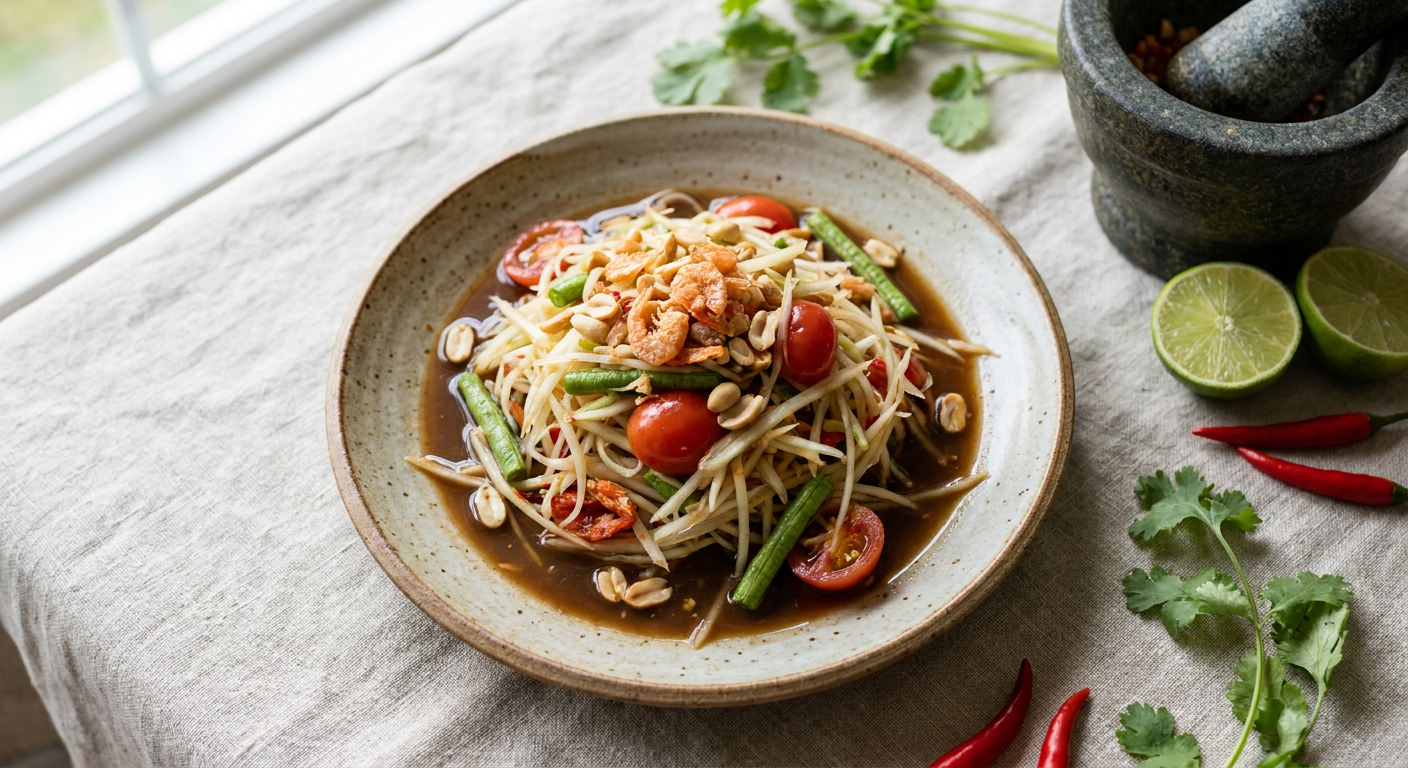
Authentic Som Tam Recipe: Pounded Thai Green Papaya Salad
Master this authentic som tam recipe at home. Learn to pound green papaya, long beans, and lime in a clay mortar for a perfectly bruised, spicy, and sour Thai salad.
 Salads
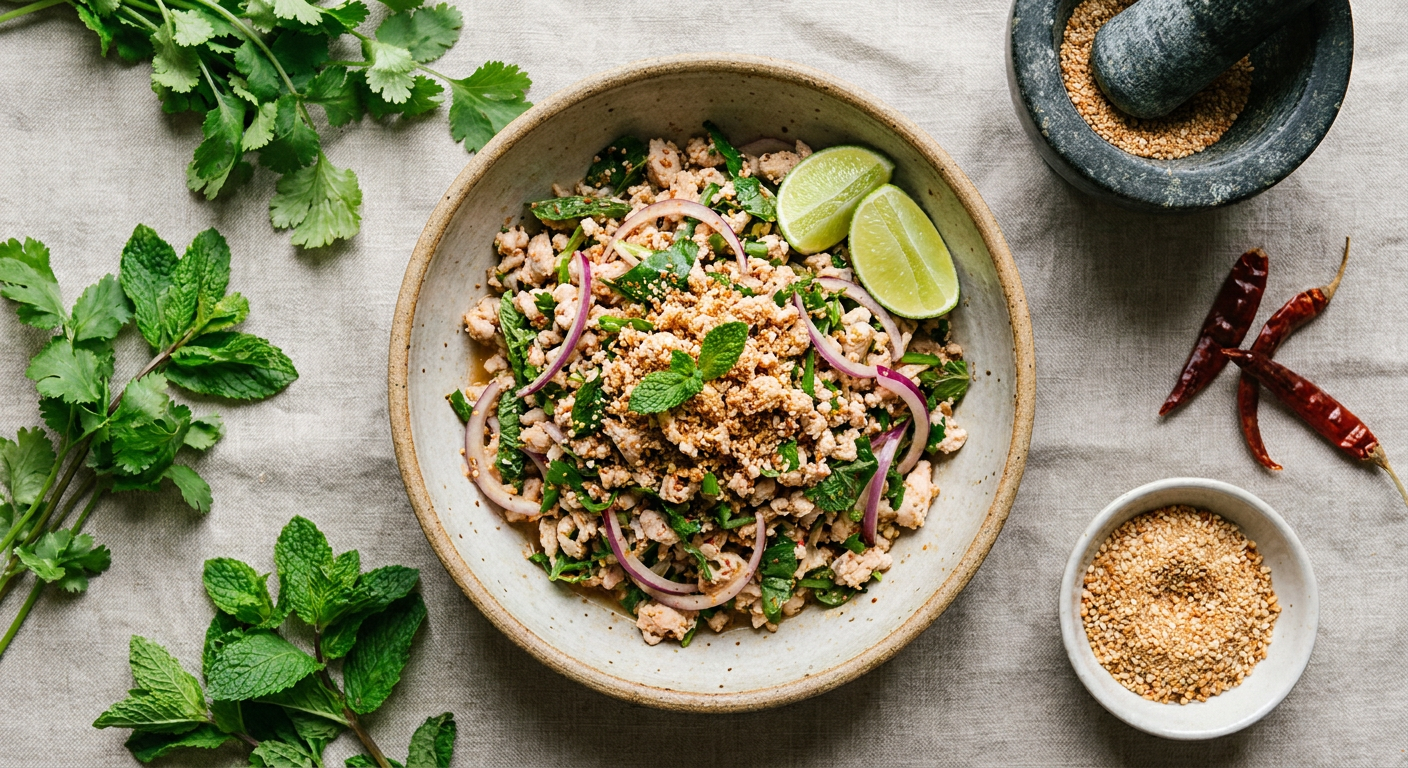
Easy Chicken Larb (Larb Gai) with Toasted Rice Powder
This vibrant chicken larb features minced chicken tossed with lime, fish sauce, and toasted rice powder. A healthy, 20-minute Thai larb gai recipe served in cabbage cups.
 Salads
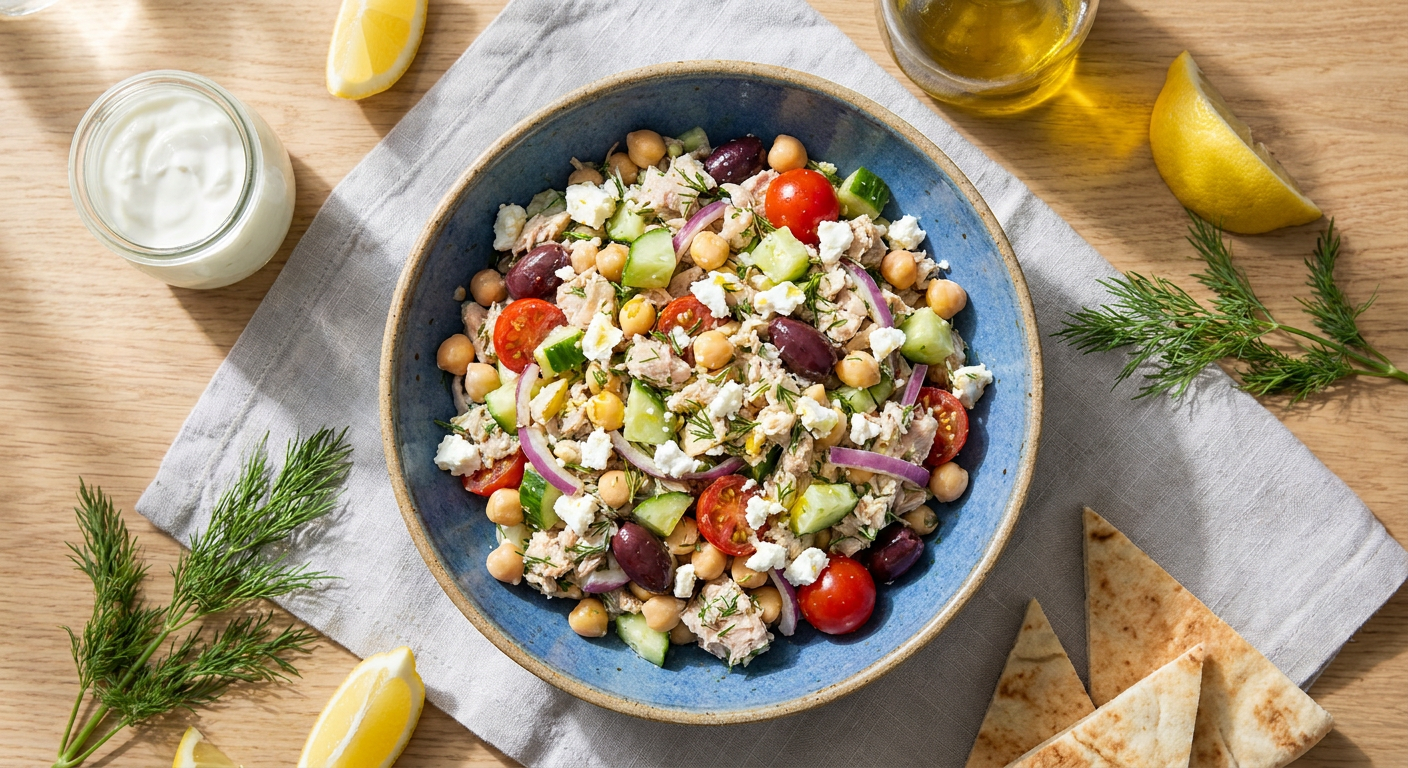
Zesty Tuna Salad Without Mayo (Greek Yogurt & Dill)
This zesty tuna salad without mayo uses Greek yogurt and olive oil for a bright, high-protein lunch. Packed with fresh dill, capers, and lemon on sourdough toast.
 Salads
Mexican Street Corn Salad (Esquites) with Charred Corn
This easy Mexican street corn salad features charred grilled corn, creamy lime crema, cotija cheese, and Tajín. All the smoky, tangy flavors of elote in a bowl.