August 14, 2026
What Is Gochujang? A Simple Guide for Home Cooks
Discover what gochujang is and how this flavorful Korean chili paste enhances your cooking with seasoning tips and creative uses.
What Is Gochujang? A Simple Guide for Home Cooks
Gochujang is a thick Korean fermented red-chili paste that delivers spicy, sweet, and deeply savory flavor all at once. Think of it as the backbone of Korean cooking: it shows up in marinades, stirs into sauce bases, and spoons straight onto rice bowls and stews. As Bon Appétit explains, fermentation converts the rice starches in the paste to sugars, which is exactly why it tastes sweet and umami-rich rather than just hot.
Three ways you’ll reach for it most are:
- Marinade base: Mix with garlic, sesame oil, and soy sauce for chicken, beef, or salmon.
- Sauce or dressing: Thin with water, vinegar, and a touch of sugar for bibimbap or noodle bowls.
- Condiment: Stir directly into soups, stews, or tteokbokki for heat and body.
Pro Tip: Gochujang is extremely concentrated. Start with one teaspoon, taste, and build from there — a tablespoon straight into a light broth can easily overpower the dish.
Key Takeaways
Gochujang is a fermented Korean red-chili paste built from gochugaru, glutinous rice, fermented soybean, salt, and barley malt — and its sweet-savory-spicy depth comes directly from that fermentation process.
| Point | Details |
|---|---|
| Core definition | Gochujang is a thick, fermented Korean red-chili paste with sweet, savory, and spicy flavor. |
| Use it diluted | Mix with soy sauce, vinegar, and sugar before adding to sauces, dressings, or glazes. |
| Storage after opening | Refrigerate in an airtight container; quality holds well for up to two years in some commercial pastes. |
| Substitute in a pinch | Combine 1 tablespoon white miso, 1 teaspoon chili paste, and ½ teaspoon sugar as a quick swap. |
| Forkwardkitchen recipes | Tested gochujang recipes — from a 20-minute salmon bowl to pull-apart bread — are available at Forkwardkitchen. |
Table of Contents
- What is gochujang made of, and how is it fermented?
- What does gochujang taste like, and is it very spicy?
- How do you use gochujang in everyday cooking?
- What can you use as a gochujang substitute?
- Where can you buy gochujang in the United States?
- How should you store gochujang, and how long does it last?
- Is gochujang good for you?
- Three easy gochujang recipes to try right now
- Why gochujang changed how I think about pantry staples
- Tested gochujang recipes, ready when you are
- Sources
What is gochujang made of, and how is it fermented?
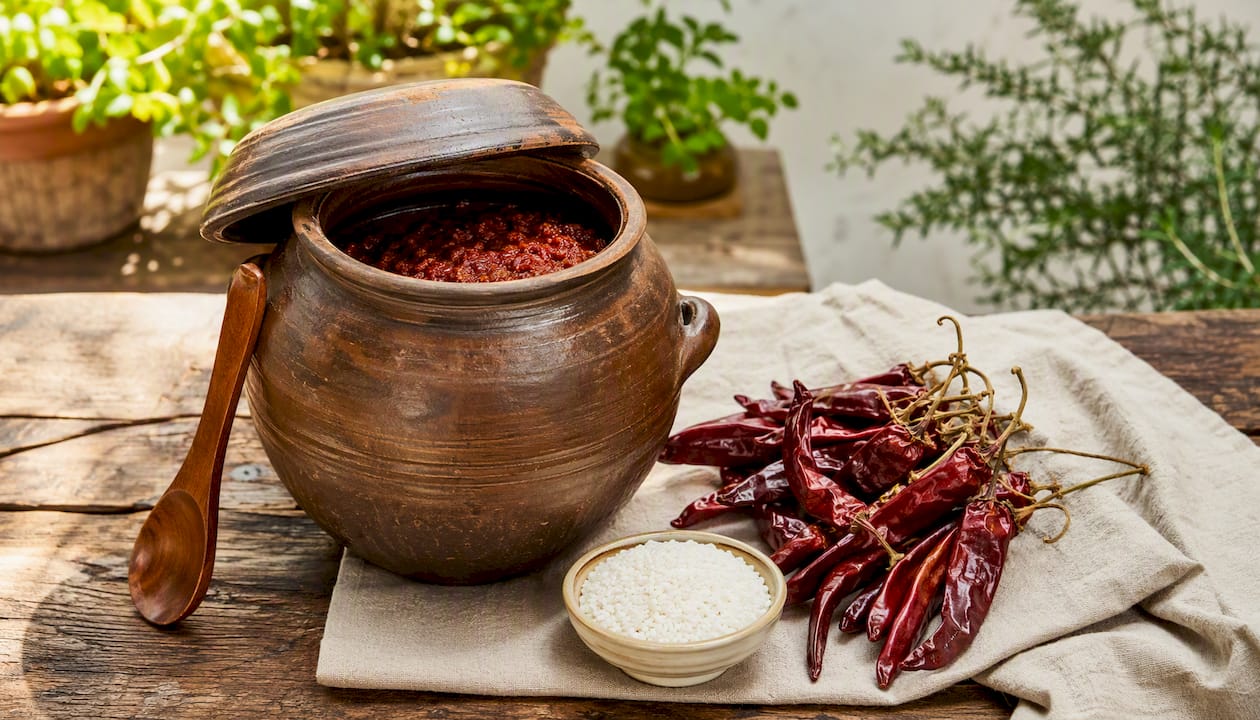
Gochujang’s flavor comes from five core ingredients working together. According to Wikipedia’s gochujang entry, a typical formulation includes gochugaru (Korean red chili powder), glutinous rice (chapssal), salt, meju powder (fermented soybean), barley malt (yeotgireum), and water in proportions that vary by recipe. Commercial versions sometimes add corn syrup or other sweeteners on top of that base.
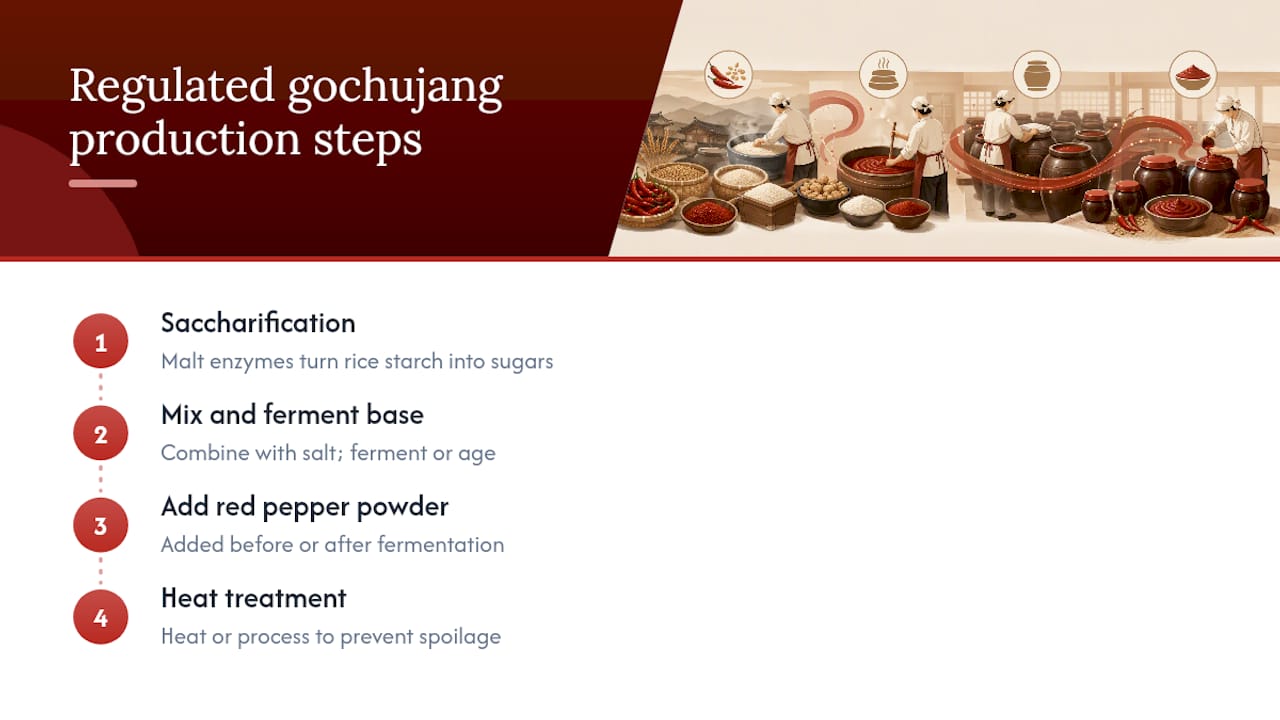
The FAO/WHO Codex Alimentarius standard for gochujang lays out the regulated production steps: first, saccharification (the malt enzymes break down rice starches into sugars); second, mixing with salt and fermenting or aging the base; third, adding the red pepper powder before or after fermentation; and finally, heat treatment or other processing to prevent spoilage.
Traditionally, that fermentation happened outdoors in large earthenware crocks called jangdok, often for months or even years. The meju itself — a brick of dried, fermented soybeans — required its own months-long preparation before it ever met the chili paste. Modern commercial production compresses that timeline significantly using controlled temperature environments, which produces a cleaner, more consistent product but with less of the funky fermented depth you get from a traditionally aged tub.
What does gochujang taste like, and is it very spicy?
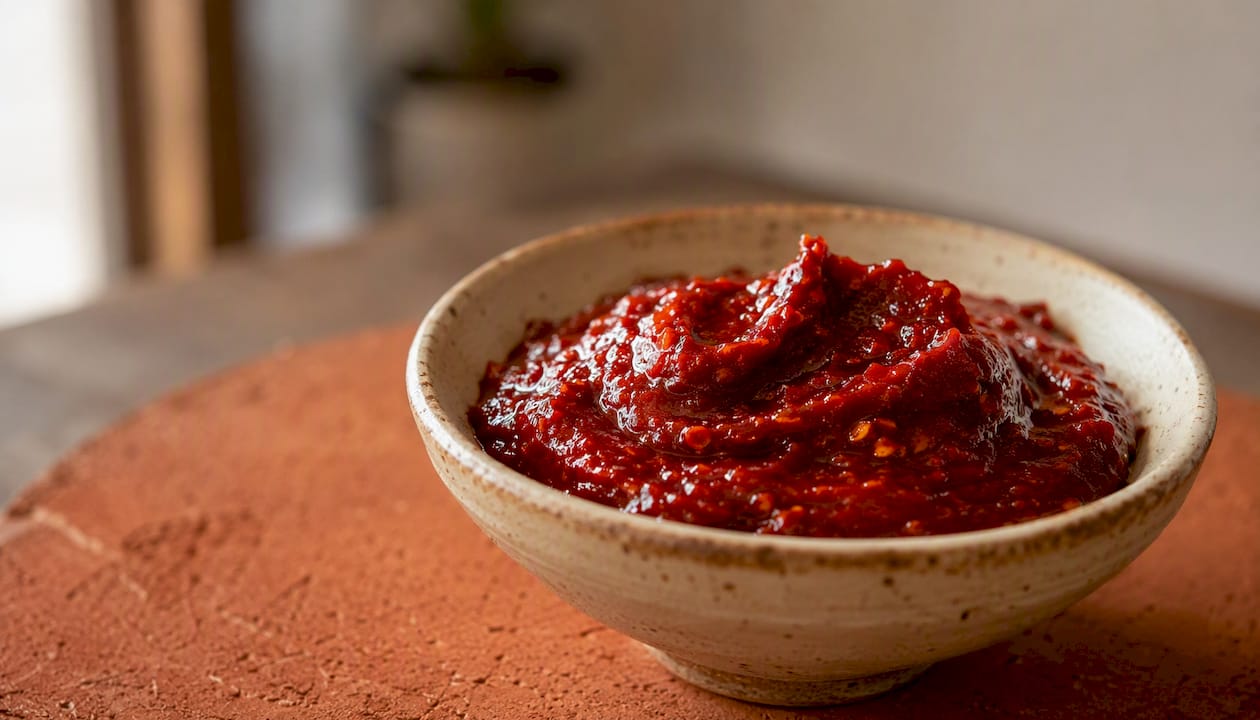
The flavor is layered in a way that surprises most first-timers. You get heat upfront, but it softens quickly into sweetness, then settles into a meaty, savory depth from the fermented soy. There’s also a faint fermented funk — not sharp like vinegar, more like a mellow earthiness. The texture is dense and sticky, closer to a thick tomato paste than a pourable hot sauce.
As for heat: gochugaru comes from Capsicum annuum peppers, which have a characteristic sweet-spicy balance rather than the aggressive burn of, say, cayenne or habanero. Most commercial gochujang lands somewhere between mild and medium on a practical scale. Brands typically label products as mild (순한맛), medium (보통맛), or hot (매운맛), and the difference between them is real.
A few things worth knowing about heat and dilution:
- Straight from the tub: Very concentrated. Use as a finishing condiment in tiny amounts.
- Mixed into a sauce (1:1 with soy sauce): Heat mellows noticeably; sweetness comes forward.
- Thinned with water or sesame oil: Works well for dressings where you want flavor without too much punch.
- Cooked in a stir-fry or stew: Heat softens further as it blooms in oil or liquid.
Chefs often compare gochujang to a spicy miso paste — it delivers fermented umami and generally needs dilution to function as a sauce rather than a straight condiment.
Pro Tip: To taste-test a new brand safely, dip a clean spoon in, take a small dab, and let it sit on your tongue for five seconds before swallowing. If it’s too sharp, stir a half-teaspoon into two tablespoons of warm water with a pinch of sugar — that’s your baseline for a dressing.
How do you use gochujang in everyday cooking?
Gochujang is one of those ingredients that earns its place in almost any savory dish once you know how to handle it. The Kitchn notes that it’s pungent and concentrated, so a little goes a long way — but used right, it adds a complexity that would otherwise take several ingredients to achieve.
Classic Korean uses:
- Bibimbap: Stir 1–2 teaspoons into a bowl of rice, vegetables, and egg; add sesame oil and toss.
- Tteokbokki: Simmer rice cakes in a sauce of gochujang, soy sauce, sugar, and broth (roughly 2:1:1:4 ratio).
- Ssamjang: Blend gochujang with doenjang (fermented soybean paste), garlic, sesame oil, and scallions for a dipping sauce served with grilled meat.
- Jjigae (stews): Add a tablespoon to kimchi stew or sundubu-jjigae for heat and body.
- Marinades: Combine with soy sauce, garlic, ginger, and a sweetener for beef bulgogi or chicken thighs.
Three practical mixing formulas:
- Basic gochujang sauce (for bowls and noodles): 1 tablespoon gochujang + 1 tablespoon soy sauce + 1 teaspoon sesame oil + 1 teaspoon rice vinegar + 1 teaspoon sugar. Whisk together and thin with water to your preferred consistency.
- Glaze (for grilled proteins): 2 tablespoons gochujang + 1 tablespoon honey + 1 tablespoon soy sauce + 1 teaspoon garlic. Brush on during the last few minutes of cooking.
- Marinade (for chicken or beef): 2 tablespoons gochujang + 2 tablespoons soy sauce + 1 tablespoon sesame oil + 1 tablespoon sugar + 3 cloves minced garlic. Marinate for at least 30 minutes.
Beyond Korean cooking, gochujang works as a depth-builder across cuisines. Stir a teaspoon into a tomato-based pasta sauce for a subtle heat and umami boost — it won’t taste Korean, just richer. It also works as a glaze for roasted vegetables or mixed into mayo for a spicy sandwich spread. Bon Appétit and Milk Street both point to this cross-cuisine flexibility as one of gochujang’s strongest selling points.
Pro Tip: When adding gochujang to a tomato sauce, stir it in at the beginning with your aromatics so it blooms in the oil. Added at the end, it can taste raw and sharp. Try it in a weeknight pasta dish — one teaspoon per two servings is enough to notice.
What can you use as a gochujang substitute?
No gochujang in the pantry? You can get close with a few common ingredients, though the fermented depth is hard to fully replicate.
Pantry-based substitutes and swap ratios:
- Miso + chili flakes + a pinch of sugar: Use 1 tablespoon white or red miso, 1 teaspoon chili flakes (or sriracha), and ½ teaspoon sugar. This hits the umami and heat notes well.
- Sambal oelek + sugar + a drop of soy sauce: 1 tablespoon sambal + ½ teaspoon sugar + ½ teaspoon soy sauce. Closer in texture; lighter on umami.
- Chili garlic paste + fermented black bean paste: Equal parts, thinned slightly. Stronger and saltier, so use about 75% of the amount the recipe calls for.
Quick DIY stand-in (makes about 2 tablespoons):
Mix 1 tablespoon red miso, 1 teaspoon sriracha or chili paste, 1 teaspoon honey, ½ teaspoon soy sauce, and ¼ teaspoon rice vinegar. It won’t have the same fermented complexity, but it covers the sweet-salty-spicy-umami profile well enough for most sauces and marinades.
The honest limitation: none of these substitutes carry the months-long fermentation depth of real gochujang. For a quick weeknight sauce, a substitute works fine. For a dish where gochujang is the star — tteokbokki, ssamjang, or a traditional bibimbap — it’s worth tracking down the real thing.
Pro Tip: If your substitute tastes flat, it’s usually missing umami. Add a tiny splash of fish sauce or a quarter-teaspoon of soy sauce and taste again before adding more chili.
Where can you buy gochujang in the United States?
Gochujang is easier to find in the U.S. than it was even five years ago. Here’s where to look and what to look for:
- Asian grocery stores: The most reliable source, with the widest range of brands and traditional tub-style options. Look for stores like H Mart or 99 Ranch Market in major metro areas.
- Mainstream grocery chains: Whole Foods, Trader Joe’s, and most large supermarkets now stock at least one or two brands in the international or Asian foods aisle.
- Online retailers: Amazon and specialty food sites carry a broad selection, including traditional fermented tubs that may be harder to find locally.
What to check on the label:
- Ingredient list order: Gochugaru, glutinous rice, and fermented soybean should appear near the top. If corn syrup or glucose syrup leads the list, the product leans sweet and less complex.
- “Fermented” or “aged” claims: Traditional products often note fermentation time or method; commercial pastes may not.
- Heat level: Most packaging uses a mild/medium/hot designation, sometimes in Korean (순한맛/보통맛/매운맛) with an English translation on the label.
- Allergens: Soy is always present. Barley malt means gluten is likely — check for a gluten-free label if that matters to you.
As The Age’s guide to gochujang notes, cheaper products sometimes contain corn syrup or non-traditional additives — the English-stickered ingredient panels at U.S. retailers make this easy to check even when the main label is in Korean.
How should you store gochujang, and how long does it last?
Unopened commercial gochujang keeps well at room temperature until the printed best-by date, typically one to two years from production. Once you open it, the fridge is non-negotiable.
Refrigerated and properly sealed, opened gochujang lasts a long time. Milk Street reports that some commercial pastes keep well refrigerated for up to two years after opening, though quality is best in the first six to twelve months.
Storage checklist:
- Transfer to an airtight container if the original tub doesn’t seal tightly.
- Always use a clean, dry spoon — moisture and food particles accelerate spoilage.
- Press a small piece of plastic wrap directly onto the surface of the paste before sealing to limit air exposure.
- Keep it toward the back of the fridge, away from the door where temperatures fluctuate.
Signs of spoilage vs. normal changes:
- Normal: The surface darkens slightly over time; this is oxidation, not spoilage. A thin dry crust on top is fine — scrape it off and the paste underneath is good.
- Discard if: You see visible mold (fuzzy growth, not just color change), smell something sharp or rancid rather than fermented, or the texture has become watery and separated in an unusual way.
Pro Tip: If you only cook with gochujang occasionally, portion it into a silicone ice cube tray, freeze, then transfer the cubes to a zip-lock bag. Each cube is roughly one tablespoon — pull one out whenever a recipe calls for it.
Is gochujang good for you?
Gochujang has some nutritional upsides, but sodium is the main thing to keep in mind. The paste is high in salt by design — fermentation and preservation both depend on it — so it’s best used as a flavor accent rather than a primary ingredient.
Allergen and nutrition notes:
- Soy: Always present; anyone with a soy allergy should avoid gochujang entirely.
- Gluten: Barley malt is a standard ingredient, meaning most gochujang contains gluten. A few certified gluten-free versions exist — check the label carefully.
- Sodium: High per tablespoon; diluting in sauces and dressings is the practical way to manage intake.
- Carbohydrates: Come primarily from the glutinous rice base.
- Protein: A small amount from the fermented soybean component.
On fermentation and health: the fermentation process does produce beneficial microbial activity, but whether that survives commercial heat treatment and reaches your gut as active probiotics depends heavily on the specific product and how it’s processed. Avoid overclaiming here — the fermented flavor is real; the probiotic benefit is product-dependent and not guaranteed.
For sodium-conscious cooks, the practical fix is simple: use half the amount the recipe suggests and thin the paste with water or rice vinegar to maintain volume and flavor spread.
Three easy gochujang recipes to try right now
These three recipes cover the range from a fast weeknight dinner to a creative weekend bake, and each one puts gochujang’s flavor to work in a different way.
| Recipe | Time | Difficulty | Why gochujang works here |
|---|---|---|---|
| Gochujang Salmon Bowl | 20 minutes | Easy | Glaze caramelizes on the fish; honey balances the heat |
| Korean Ground Beef Bowl | 15 minutes | Easy | Sauce coats ground beef fast; kimchi adds acid contrast |
| Sourdough Gochujang Pull-Apart Bread | 2–3 hours | Intermediate | Paste swirls through dough for a savory-spicy bake |
1. Easy Gochujang Salmon Bowl with Honey and Garlic Mix 1 tablespoon gochujang, 1 tablespoon honey, 1 teaspoon soy sauce, and 1 minced garlic clove. Brush over salmon fillets and air-fry or broil until the glaze is caramelized and the fish flakes easily. Serve over rice with sliced cucumber and sesame seeds. The honey pulls the heat back just enough to let the fermented depth come through.
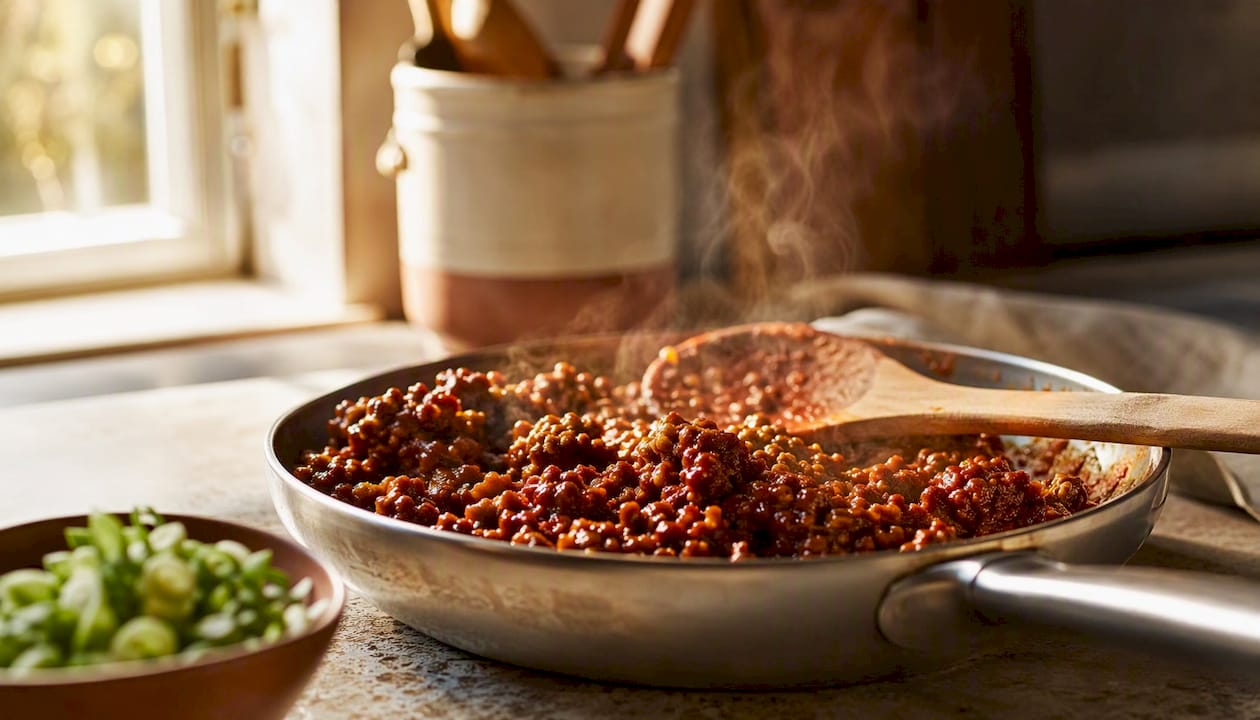
2. Korean-Style Ground Beef Bowl with Kimchi and Egg Brown ground beef in a hot pan, drain excess fat, then stir in a sauce of 1 tablespoon gochujang, 2 tablespoons soy sauce, 1 tablespoon sesame oil, 1 teaspoon sugar, and 2 minced garlic cloves. Serve over rice with a fried egg and kimchi on the side. Ready in 15 minutes — the kind of weeknight dinner that tastes like it took longer.
3. Sourdough Discard Gochujang Scallion Pull-Apart Bread A creative crossover that uses gochujang paste mixed with butter and scallions as the filling between layers of sourdough discard dough. The paste caramelizes slightly during baking, creating a savory-sweet swirl with a gentle heat. A weekend project that shows just how far gochujang can travel outside Korean cooking.
Pro Tip: For the salmon bowl and beef bowl, make a double batch of the sauce and refrigerate the extra. It keeps for a week and works as a quick dipping sauce or salad dressing mid-week.
Why gochujang changed how I think about pantry staples
Most home cooks build their pantry around a handful of go-to flavor boosters — soy sauce, hot sauce, maybe a jar of miso. Gochujang deserves a spot in that rotation, and not just for Korean recipes. What strikes me after working with it across dozens of dishes is how it collapses the gap between “I need to cook something interesting” and “I have 20 minutes.” A single tablespoon of gochujang in a glaze, a stir-fry sauce, or even a tomato base does the work of three or four separate ingredients.
The mistake most beginners make is treating it like a hot sauce — adding it at the end, straight, in large amounts. That’s when it tastes raw and overwhelming. Used early in the cooking process, bloomed in a little oil or mixed into a sauce with something sweet and acidic, it becomes something else entirely: round, complex, and genuinely hard to identify as “just chili paste.”
If you’re new to it, the salmon bowl recipe is the best starting point. The honey-gochujang glaze is forgiving, fast, and immediately shows you what the paste can do when it’s balanced correctly.
Tested gochujang recipes, ready when you are
Forkwardkitchen’s recipe collection is built around exactly this kind of ingredient: one that looks unfamiliar on the shelf but becomes indispensable once you cook with it. Every gochujang recipe on the site has been tested from scratch, with honest difficulty ratings so you know what you’re getting into before you start.
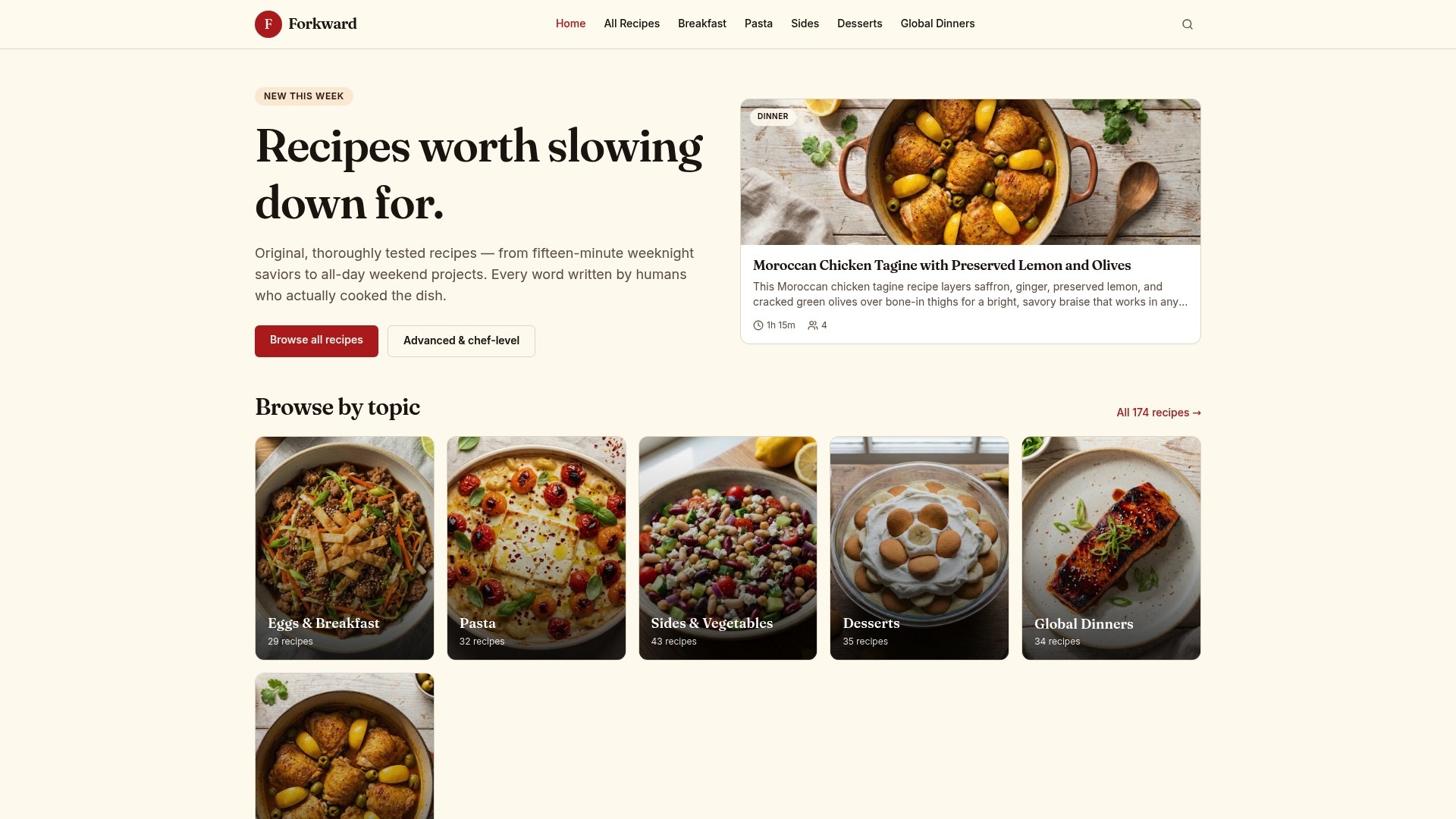
Whether you’re starting with the 20-minute salmon bowl or working up to the pull-apart bread, you’ll find clear instructions, real cooking notes, and no guesswork about technique. Browse the full tested recipe collection and filter by difficulty, time, or ingredient to find your next weeknight win or weekend project.
Sources
- Gochujang
- What is Gochujang, the Spicy-Sweet-Funky Korean Chile Paste? | Bon Appétit
- What Is Gochujang & How Do You Use It? | The Kitchn
- Gochujang Is Your One-Stop Condiment for Complex Flavor | Christopher Kimball’s Milk Street