September 1, 2026
Tested Sides for Home Cooks: Match by Steak Cut and Cook Time
Kitchen-tested sides paired to each steak cut and cook time, with timing tips and weeknight options under 15 minutes.
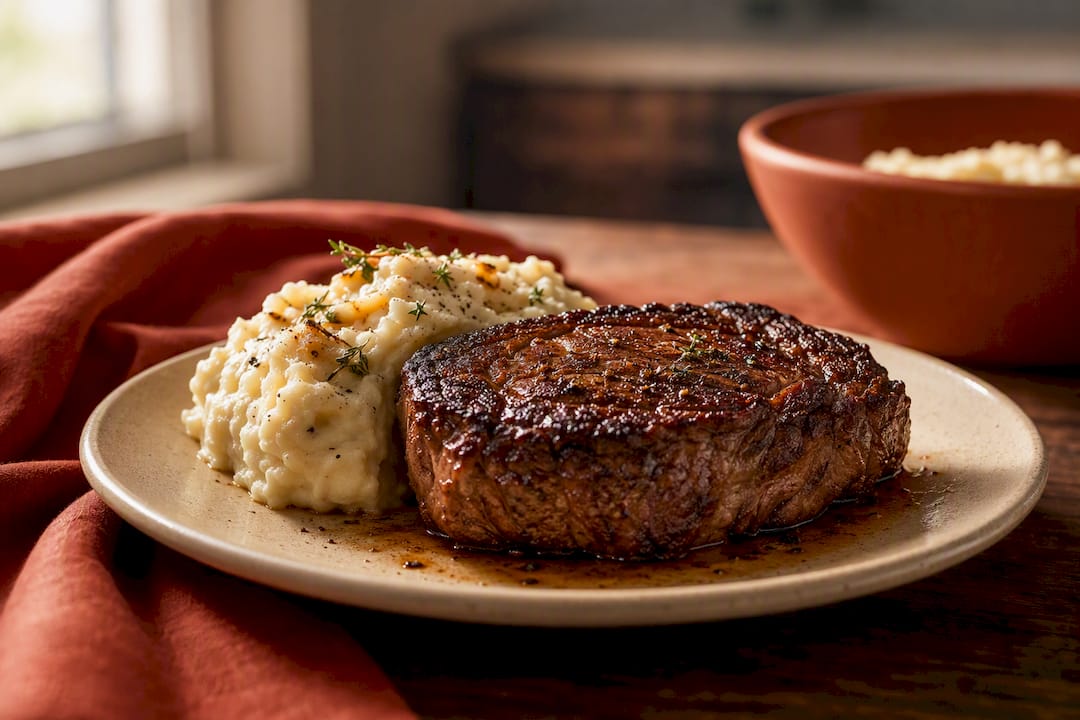
Tested Sides for Home Cooks: Match by Steak Cut and Cook Time
The best side dishes for steak balance the meat’s richness with something acidic or bitter, add one warm starch, and bring in an umami-heavy vegetable like mushrooms. Think mashed potatoes, a peppery arugula salad, and a pan of garlic butter mushrooms. Which combination you pick depends on the cut you’re grilling and whether it’s a Tuesday dinner or a dinner party.
TL;DR:
- Use acidic or bitter sides to complement marbled cuts and creamy or rich sides for leaner steaks to create a balanced plate.
- Prepare potato sides in advance by parboiling or using quick-cook methods, and salt potato water generously to boost flavor.
- Roast vegetables at high heat and finish with citrus or nuts to add texture and brightness, ensuring they remain crisp and flavorful.
- Incorporate umami-rich ingredients like mushrooms with steaming methods to maximize savoriness without stewing, and season after browning.
- For quick weeknight dinners, choose sautéed mushrooms, roasted Brussels sprouts, or simple salads that can be ready in under 15 minutes.
Table of Contents
- Potato and Starch Sides for Steak
- Roasted and Sautéed Vegetables With Steak
- Mushrooms and Other Umami Sides for Steak
- Fresh Salads and Bright Sides for Steak
- Grains, Rice, and Lighter Starches for Steak
- How to Match a Side Dish to Your Steak Cut
- How Forkwardkitchen Tests Steak Side Recipes
- Vegetarian and Vegan Sides That Still Feel Substantial Next to Steak
- Sauces and Condiments That Tie a Steak Plate Together
- Balancing Nutrition on a Steak Dinner Plate
- Seasonal and Regional Twists on Steak Sides
- Quick Weeknight Sides When Time Is Short
- Building the Steak Plate That Actually Works
- Browse Forkwardkitchen’s Tested Steak Sides
- Sources
Potato and Starch Sides for Steak
Potatoes are the backbone of most steak dinners, and for good reason: they’re neutral enough to soak up pan juices without fighting the beef for attention. Classic mashed potatoes with roasted garlic folded in are the safest crowd-pleaser, and swapping half the potatoes for cauliflower keeps things lighter without losing the creamy texture people actually want.
For faster weeknights, skip the mash entirely. Smashed roasted potatoes or an air-fryer baked potato deliver crisp edges in a fraction of the time, and Forkwardkitchen’s extra crispy smashed potatoes with garlic and rosemary show exactly how to get that shatter-crisp skin without babysitting a pan.
Scalloped potatoes and gratin belong in the occasional-treat category. They’re rich, they take real oven time, and Delish’s steak side roundup puts them squarely in the special-occasion column rather than the everyday rotation.
- Parboil potatoes ahead and finish them in a hot oven right before serving.
- Hold mashed potatoes warm in a slow cooker on low for up to an hour.
- Re-crisp leftover roasted potatoes in an air fryer at 400°F for 4 to 5 minutes.
Pro Tip: Salt your potato water more than you think you should. Under-seasoned potatoes are the number one reason a good steak dinner feels flat.
Roasted and Sautéed Vegetables With Steak
Vegetables with steak do two jobs at once: they add color to the plate and they cut through fat with bitterness or crunch; for inspiration, check out these vibrant food presentations to elevate your plating. High heat is non-negotiable here. A 425°F to 450°F oven turns Brussels sprouts, asparagus, and carrots into something genuinely craveable instead of the sad steamed version most people grew up eating.
Cut Brussels sprouts in half and roast them cut-side down so the flat surface caramelizes properly. Asparagus needs far less time, usually 8 to 10 minutes, and you want it tender-crisp rather than limp. Carrots benefit from a longer roast that concentrates their natural sugar into something closer to candy.
- Sheet-pan and air-fryer methods give you texture close to frying with a fraction of the added fat, according to Delish’s testing.
- Most roasted vegetables hold well 30 to 60 minutes ahead and reheat fine in a hot oven.
- Finish with lemon juice, a splash of balsamic, or toasted almonds right before serving.
Forkwardkitchen’s roasted vegetable and potato collection walks through the timing for several of these side by side.
Mushrooms and Other Umami Sides for Steak
Mushrooms and steak have a genuine chemistry to them, not just a flavor pairing that sounds nice on paper. Mushrooms carry high levels of glutamate, and when that meets the inosinate naturally present in beef, the combined effect reads as more savory than either ingredient delivers alone, according to Food & Wine’s coverage of steak sides.
Cover the mushrooms first to trap steam and release their moisture, then uncover and let the pan run hot so they actually brown instead of stewing in their own liquid.
That cover-then-uncover method is the single biggest fix for mushrooms that come out gray and rubbery instead of deeply browned. Cook them in butter, don’t crowd the pan, and season only after they’ve started to color.
Creamed spinach works on a similar logic but needs one adjustment: drain the spinach hard before adding cream, and finish with a squeeze of lemon so the dish doesn’t taste flat and heavy.
Pro Tip: A crowded pan is the enemy of good mushrooms. If they’re touching in a single layer with no room to breathe, cook them in two batches.
Fresh Salads and Bright Sides for Steak
Steak side salad recipes exist for one real reason: rich, fatty beef needs something acidic to reset your palate between bites, and a simple vinaigrette does that job better than almost anything else on the table.
- Whisk roughly 1 part acid (lemon juice or sherry vinegar) to 3 parts oil, then adjust to taste, a ratio Downshiftology’s steak side guide recommends as a reliable starting point.
- Toss arugula with shaved Parmesan and that vinaigrette for a peppery, quick side that takes five minutes.
- Build a wedge salad with blue cheese and crisp bacon when you want steakhouse energy without the steakhouse check.
- Quick-pickle shallots or cucumbers in vinegar, sugar, and salt, then keep them in the fridge for a brightener you can pull out any night.
Grains, Rice, and Lighter Starches for Steak
Grains work best under cuts that come with their own bold sauce, since rice, farro, or orzo will happily soak up whatever juice or chimichurri hits the plate. Skirt, flank, and hanger steak all pair naturally with a grain side because those cuts are usually sliced thin and served with a punchy sauce anyway.
- Herbed rice with chimichurri turns a simple skirt steak into a full meal.
- Farro salad with roasted vegetables adds chew and nuttiness without competing with the beef.
- A quick risotto or orzo dish feels special-occasion without much extra effort.
Start your grain before you even season the steak. Rice and farro both hold heat well, so a few minutes of rest won’t hurt them the way it would a delicate vegetable side.
How to Match a Side Dish to Your Steak Cut
The pairing logic isn’t complicated once you know the rule: rich, heavily marbled cuts want acid or bitterness to reset your palate, while lean cuts want something creamier to make up for the fat they’re missing. A ribeye or a well-marbled New York strip pairs naturally with a peppery salad or pickled vegetables. A lean filet mignon, by contrast, actually benefits from a richer companion like mashed potatoes or creamed spinach, according to Steakrecipe.
Bold-seasoned cuts, like a chili-rubbed flank steak or a heavily marinated skirt steak, do better with sides that either match that intensity or offer real contrast, like a cooling cucumber salad.
Run through this short checklist before you decide:
- How marbled is the cut? Rich meat needs acid; lean meat needs richness.
- Is this a weeknight dinner or are you hosting? Weeknights favor one fast side; hosting can support two or three.
- How much active cooking time do you actually have tonight?
- How many people are you feeding, and does that change your oven or stovetop math?
One mistake shows up constantly on real dinner tables: pairing two heavy, buttery sides with an already heavily marbled ribeye. Gratin and creamed spinach on the same plate as a well-marbled steak is too much of the same thing. Home cooks consistently prefer one warm starch, one vegetable with texture or bitterness, and a bright salad to reset the palate between bites, a pattern that shows up repeatedly across Downshiftology’s reader-tested lists. Swap one of the rich sides for a small, sharply dressed salad instead, and the whole plate suddenly tastes balanced rather than heavy.
How Forkwardkitchen Tests Steak Side Recipes
Every recipe in Forkwardkitchen’s collection carries an honest difficulty rating, built from actual kitchen testing rather than a guess at how hard something looks on paper. That matters most on a steak night, when timing two or three dishes to land at the same moment is the real challenge, not any single recipe.
Take the Easy Beef Pepper Steak Stir Fry or Mongolian Beef with Crispy Flank Steak: both were tested specifically for how fast the beef cooks, so a rice or vegetable side can be timed to finish within a minute or two of the steak resting. That’s the same logic applied across the Easy Side Dishes collection, where roast times and stovetop steps are written to overlap cleanly with however long your steak needs to rest.
Vegetarian and Vegan Sides That Still Feel Substantial Next to Steak
A steak dinner doesn’t require every side to contain butter or cheese, and vegetarian and vegan side dish options can hold their own on the same plate without feeling like an afterthought. Roasted vegetables tossed in olive oil rather than butter keep all the caramelization and lose none of the flavor. Farro or grain salads dressed with a lemony vinaigrette are naturally vegan and add real substance rather than just filling space.
Mushrooms are a natural fit here too, since a garlic and olive oil sauté delivers the same umami payoff without any dairy. If you want a creamy element, cashew cream or a coconut milk base can stand in for the cream in a gratin or creamed spinach, though the texture will lean slightly lighter than the dairy version. Roasted cauliflower, either whole or in florets with a spicy tahini drizzle, brings enough richness and char to sit next to a steak without anyone missing the meat’s counterpart. Grilled corn, brushed with a chili lime oil instead of butter, works the same way at a summer cookout.
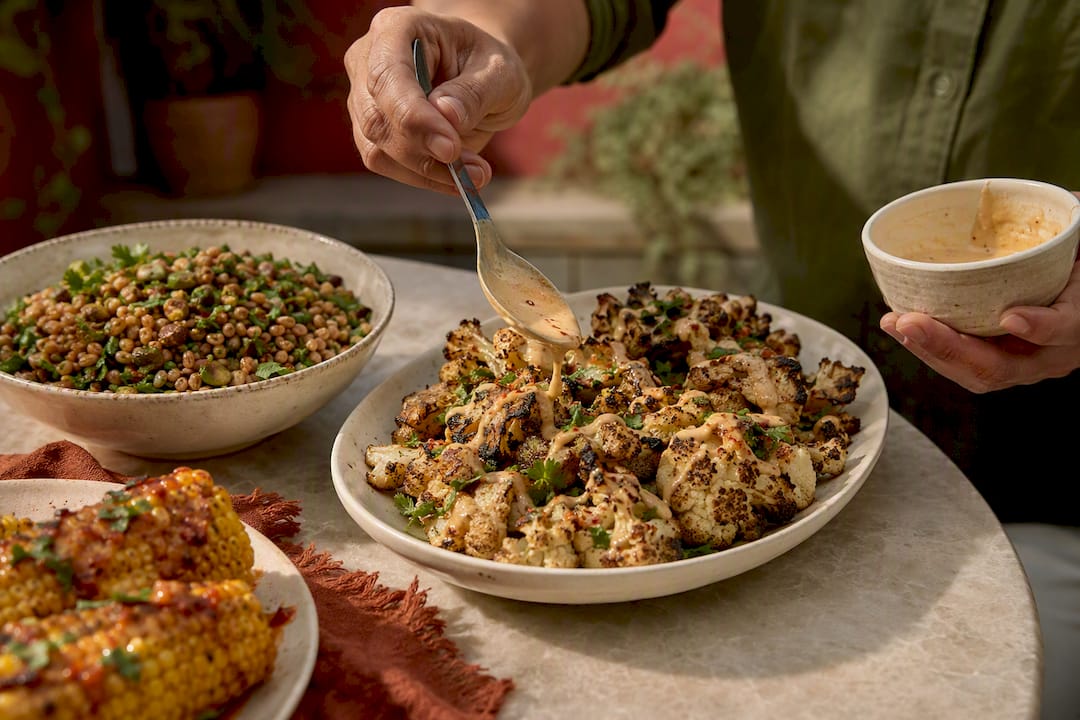
The core rule doesn’t change for a plant-based table: one warm element, one vegetable with texture or bitterness, and something acidic to keep the whole plate from feeling one-note.
Sauces and Condiments That Tie a Steak Plate Together
A good sauce can rescue an average side or elevate a great one, and steak dinners give you room to use more than one. Chimichurri, built from parsley, garlic, oregano, red wine vinegar, and olive oil, works as well spooned over rice or roasted potatoes as it does over the steak itself. A quick pan sauce made from the steak’s own drippings, deglazed with wine or stock, can be drizzled over mashed potatoes for a version of gravy that took five extra minutes.
Compound butter, softened and mixed with garlic, herbs, or blue cheese, melts beautifully over both steak and roasted vegetables at the same time, so you’re not making two separate finishing touches. Horseradish cream, whisked from sour cream and prepared horseradish, cuts through richer sides like gratin the same way it cuts through a fatty ribeye. For anyone leaning into grain-based sides, Forkwardkitchen’s stir fry sauce recipe doubles nicely as a glaze for roasted carrots or a quick drizzle over rice.
Keep sauces to one or two per meal. A plate with chimichurri, compound butter, and horseradish cream all at once stops tasting like a composed dinner and starts tasting like a condiment sampler.
Balancing Nutrition on a Steak Dinner Plate
Steak itself is dense in protein and saturated fat, which makes the side dishes the easiest lever for balancing the whole meal rather than an afterthought. Building the plate around one starch, one vegetable, and one salad naturally spreads out fiber, vitamins, and simple carbohydrates instead of stacking three heavy, starchy dishes next to an already rich cut.
Roasted or sautéed vegetables add fiber and volume without much added fat, especially when they’re cooked in a small amount of oil rather than swimming in butter. A salad with a light vinaigrette adds almost no calories relative to how much it does for the meal, since it’s mostly water and greens carrying a thin coating of dressing. If the steak itself is a fattier cut like a ribeye, leaning on a vegetable and salad combination over two starches keeps the plate from tipping too far toward heaviness.
Portion size matters more than any single ingredient choice. A smaller scoop of gratin next to a larger pile of roasted vegetables reads as balanced; a full portion of gratin next to fries reads as a meal missing anything green. None of this means treating steak night as a diet exercise. It just means letting the sides do the work of rounding out what the steak doesn’t provide on its own.
Seasonal and Regional Twists on Steak Sides
Steak side dishes shift with the calendar more than people expect. Summer favors grilled sides that can share the same fire as the steak: grilled corn, grilled asparagus, or a simple tomato and cucumber salad that needs no cooking at all. Winter pulls toward the oven, with root vegetables like carrots and parsnips roasting alongside a gratin or a pot of creamy mashed potatoes.
Regional traditions add their own logic on top of the seasons. Argentine-style steak dinners lean on chimichurri and simple grilled vegetables, letting the sauce do most of the flavor work rather than a heavily seasoned side. Southern American steak dinners often bring creamed spinach, mac and cheese, or fried okra into the mix, favoring richness over the acid-forward approach common elsewhere. French bistro-style steak frites keeps things deliberately simple: crispy fries and maybe a small green salad, nothing more.
None of these traditions are more correct than another. They’re a useful reminder that the core rule (one starch, one vegetable, something bright) can flex to fit whatever’s in season or whatever cuisine you’re drawing from that night.
Quick Weeknight Sides When Time Is Short
Weeknight steak dinners live and die by how fast the sides come together, since nobody wants to spend 40 minutes on a side dish after a full workday. Sautéed mushrooms take about 8 minutes start to finish and deliver more flavor per minute of effort than almost anything else on this list. Roasted Brussels sprouts in an air fryer are ready in under 15 minutes, a shortcut community cooks on Reddit’s r/steak mention constantly as their go-to on busy nights.
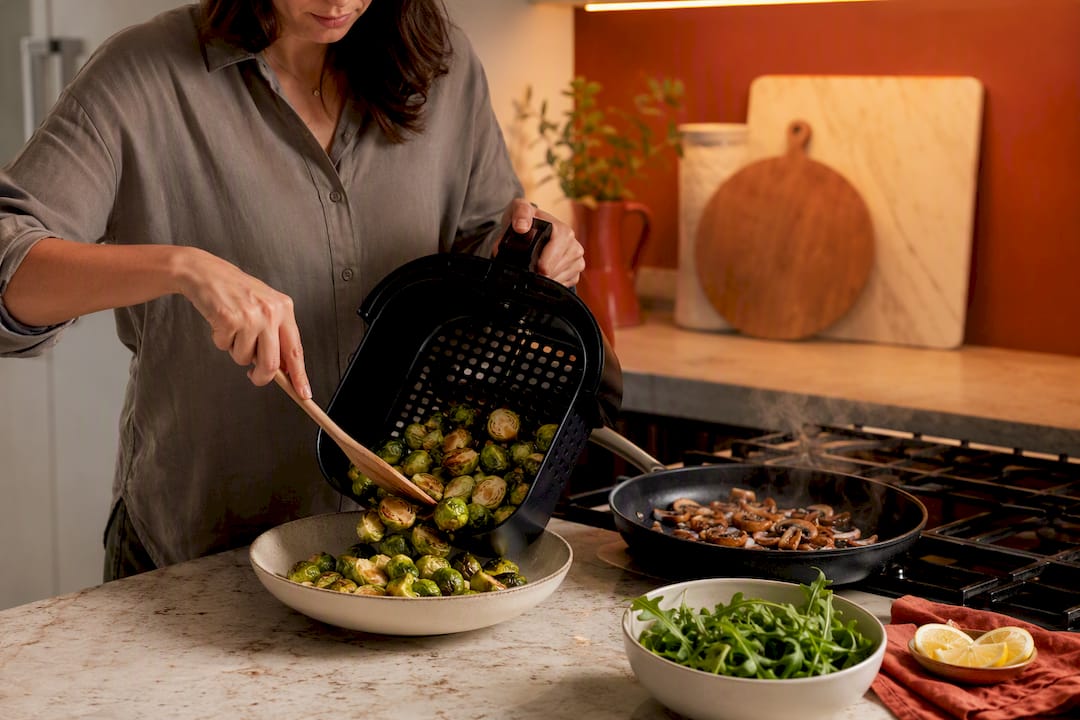
A simple arugula salad with vinaigrette takes five minutes and needs zero cooking. Frozen fries in an air fryer get you a steakhouse-style side without touching a deep fryer or waiting for oil to heat. If you’re really pressed for time, steamed green beans tossed with butter and lemon juice cover the vegetable requirement in under 10 minutes flat.
Pick one starch shortcut and one vegetable shortcut, and you’ve got a complete plate without touching the oven for more than 15 minutes.
Building the Steak Plate That Actually Works
My go-to combination when I’m cooking steak at home is smashed potatoes, sautéed mushrooms, and a quick arugula salad. If you’re hosting, prep every side before the steak ever hits the pan, then cook the steak last so it rests while you plate everything else. Try one new side from this list next time you grill, even if it’s just swapping fries for roasted carrots.
— Oloru
Browse Forkwardkitchen’s Tested Steak Sides
Every technique covered here, from the cover-then-uncover mushroom method to the timing tricks for roasted vegetables, comes straight from recipes that Forkwardkitchen has actually cooked and rated for difficulty, not just written about. That’s the real advantage over scrolling through a dozen listicles hoping one recipe actually works as described: you get the exact timing, the exact temperature, and an honest sense of how much effort you’re signing up for before you start cooking.

Start with the Easy Side Dishes collection for roasted vegetables and potatoes built to finish alongside your steak, or head to the full recipes index to browse everything by cuisine and cook time. If you’re planning a dinner party, the advanced recipes collection covers gratins and risottos worth the extra effort. Whatever you pick, prep your sides ahead and let the steak go into the pan last so everything lands on the plate hot at the same time.