August 13, 2026
Homemade Marinara Sauce Ready in 30 Minutes
Enjoy a delicious, homemade marinara sauce in just 30 minutes with simple ingredients. Perfect for pasta, pizza, and more!
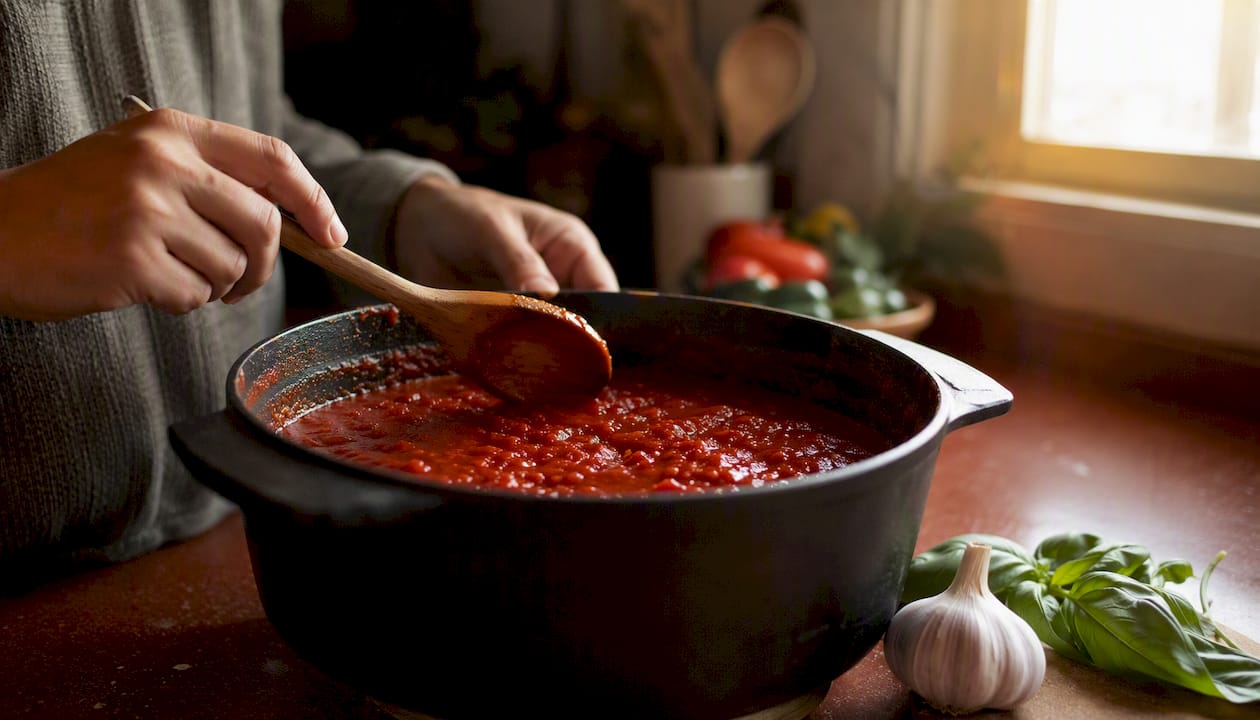
Homemade Marinara Sauce Ready in 30 Minutes
A simple, tomato-forward marinara sauce made with great canned tomatoes, olive oil, garlic, and fresh basil is ready in 20–30 minutes and works for pasta, pizza, chicken parmesan, and more. This is the recipe you’ll reach for on a Tuesday night and still feel good about on Sunday.
Recipe at a glance:
- Prep time: 5 minutes
- Cook time: 15–25 minutes
- Total time: 20–30 minutes
- Yield: About 3 cups (serves 4)
Core ingredients:
- 1 can (28 oz) whole peeled tomatoes (San Marzano or high-quality domestic)
- 3–4 garlic cloves
- 3 tablespoons extra-virgin olive oil
- Small handful of fresh basil
- Salt to taste
- 1 tablespoon tomato paste (optional, for body)
This recipe suits weeknight cooks who need dinner fast and anyone who wants a make-ahead sauce that freezes beautifully. No onion, no long simmer required.
Pro Tip: If your tomatoes taste flat straight from the can, a 25-minute simmer will concentrate them. If they taste bright and sweet, pull the sauce off the heat at 15 minutes.
Key Takeaways
A great homemade marinara comes down to three things: high-quality canned whole tomatoes, gentle heat that protects the garlic, and a finishing drizzle of olive oil with fresh basil.
| Point | Details |
|---|---|
| Use whole canned tomatoes | San Marzano or high-quality whole peeled tomatoes give the best flavor and texture. |
| Choose your simmer length | 10–15 minutes for a bright, fresh sauce; 25–30 minutes for a richer, more concentrated result. |
| Finish with oil and basil | A drizzle of raw olive oil and torn fresh basil added off the heat brightens the finished sauce. |
| Store and freeze with confidence | Keeps up to 5 days in the fridge; freezes well for up to 3 months in portioned containers. |
| Forkwardkitchen’s tested recipes | Use this marinara as the base for baked spaghetti, chicken parmesan, and more at Forkwardkitchen. |
Table of Contents
- What makes a great marinara sauce? The tested recipe
- Why each ingredient matters and what to buy
- How to cook it right: technique and cookware
- Variations and swaps worth trying
- How to store, freeze, and reheat marinara
- What to serve with marinara
- How this recipe was tested and why it works
- Common problems and how to fix them
- My favorite way to finish this sauce
- Forkwardkitchen’s pasta and sauce recipes
- Sources
What makes a great marinara sauce? The tested recipe
Ingredients (serves 4; scale up by doubling everything):
- 1 can (28 oz) whole peeled tomatoes, San Marzano or equivalent
- 3 tablespoons extra-virgin olive oil, plus more to finish
- 3–4 garlic cloves, thinly sliced or minced
- 1 tablespoon tomato paste (optional)
- 4–5 fresh basil leaves, plus a sprig for simmering
- ½ teaspoon kosher salt, plus more to taste
- Pinch of red pepper flakes (optional)
Step-by-step instructions:
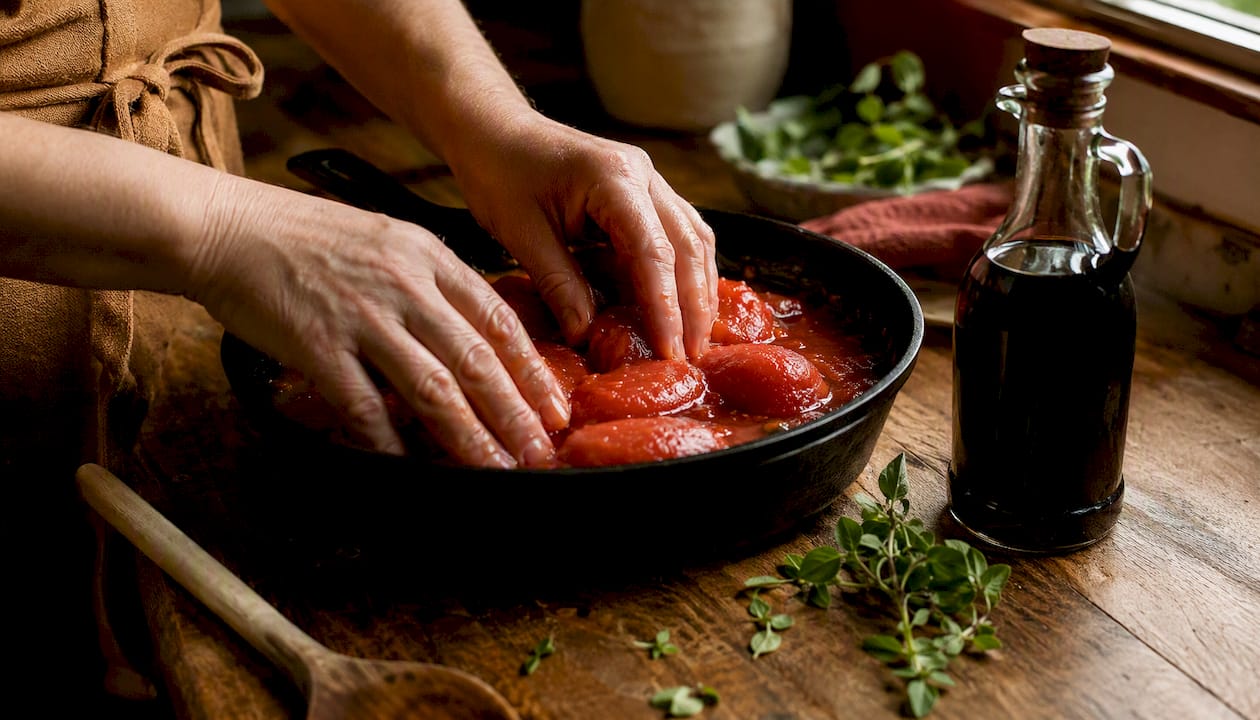
- Crush the tomatoes. Open the can and crush the tomatoes by hand into a bowl, breaking them into rough chunks. Pour in the juices. Alternatively, use a potato masher directly in the pan after adding them.
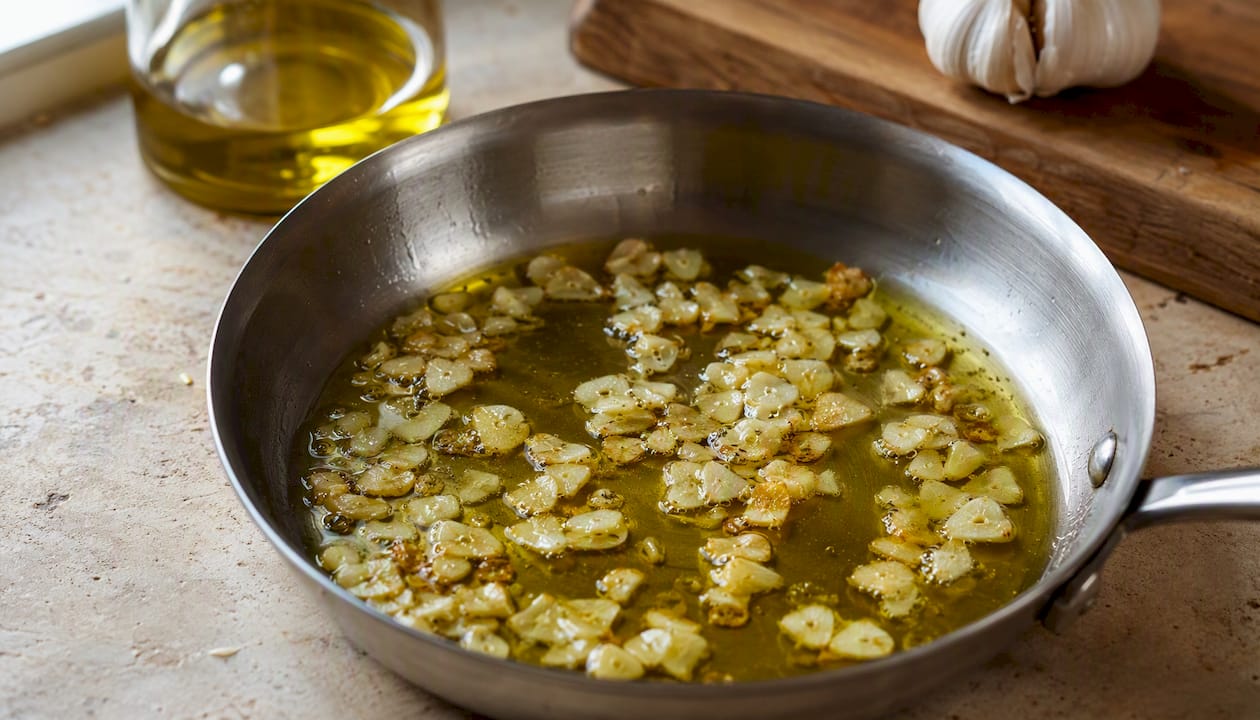
- Warm the oil and garlic. Pour the olive oil into a wide skillet over medium-low heat. Add the garlic. Let it cook gently, 2–3 minutes, until fragrant and just barely golden. Do not let it brown.
- Bloom the tomato paste (if using). Push the garlic to the side, add the tomato paste to the center of the pan, and stir it for about 1 minute until it darkens slightly. This removes any metallic edge and deepens the flavor.
- Add the tomatoes. Pour in the crushed tomatoes and their juices. Add the basil sprig and red pepper flakes if using. Stir to combine.
- Simmer. Raise heat to medium. Let the sauce simmer, stirring occasionally, for 15–25 minutes depending on how thick and concentrated you want it. The Mayo Clinic’s tested recipe notes 15–20 minutes as a practical target for a healthy, plant-forward version.
- Finish. Remove the basil sprig. Taste and adjust salt. Tear fresh basil leaves over the top and drizzle with a little extra olive oil before serving.
Pro Tip: Finishing with a drizzle of raw extra-virgin olive oil and torn fresh basil right before serving brightens the whole sauce. According to The Kitchn, this finishing step balances acidity and adds aroma in a way that cooking the oil in from the start simply cannot.
Why each ingredient matters and what to buy
Tomatoes: the whole story
The single biggest variable in homemade marinara is the tomato. Whole peeled canned tomatoes, particularly San Marzano style, are recommended by the New York Times Cooking team for their bright flavor and good flesh-to-juice ratio. San Marzano tomatoes from the Campania region of Italy carry DOP certification, but excellent domestic whole peeled tomatoes from brands like Muir Glen or Bianco DiNapoli work just as well at a lower price. Avoid pre-seasoned or diced tomatoes: diced varieties contain calcium chloride to hold their shape, which prevents them from breaking down smoothly.
Tomato paste: optional but useful
A tablespoon of tomato paste, bloomed briefly in the oil before the tomatoes go in, adds concentrated umami and a deeper red color. You do not need it if your tomatoes are excellent, but it is a reliable shortcut when you want body without a long simmer.
Olive oil and garlic
Extra-virgin olive oil carries the garlic’s flavor into the sauce and rounds out the acidity of the tomatoes. Use a good one here because you will taste it. Garlic should be sliced thin or minced fine, and it should cook gently in cold-start oil over medium-low heat. Starting garlic in cold oil rather than hot oil gives you more control and dramatically reduces the risk of bitterness.
Herbs
Fresh basil is the classic choice. Add a whole sprig during simmering and remove it before serving, then finish with torn fresh leaves. Dried oregano works as a supporting note (about ¼ teaspoon) but should not dominate. Dried basil is a poor substitute for fresh and is best avoided entirely.
Optional additions
- Onion: Half a yellow onion, sautéed until soft, adds sweetness and body.
- Red wine: A splash (about ¼ cup) added after the garlic deepens flavor; cook it down for 2 minutes before adding tomatoes.
- Red pepper flakes: A pinch adds warmth without turning the sauce spicy.
- Sugar: Rarely needed. The Kitchn notes that sugar is unnecessary when tomatoes are high quality; if the sauce tastes sharp, try salt or a longer simmer first.
How to cook it right: technique and cookware
Choose the right pan
A wide, 12-inch skillet is the best tool for marinara. Simply Recipes confirms that a wide pan helps the sauce reduce quickly, which preserves a brighter tomato flavor compared with a deep pot where liquid evaporates slowly. More surface area means faster evaporation and a thicker sauce in less time.
Heat management
- Start garlic in room-temperature oil over medium-low heat.
- Watch for the moment the garlic turns fragrant and just barely golden, about 2–3 minutes. That is your cue to move fast.
- Add tomato paste and stir for 60 seconds before the tomatoes go in.
- Once the tomatoes are in, raise to medium heat and let the sauce bubble steadily. A gentle, rolling simmer is what you want, not a hard boil.
Crushing tomatoes
The easiest method: reach into the can with clean hands and squeeze each tomato before adding it to the pan. You get irregular chunks that melt into the sauce while simmering. A potato masher works too, directly in the pan after the tomatoes are added.
Pro Tip: If you want a smoother sauce for pizza, use an immersion blender for 5–10 seconds after cooking. For pasta, leave it chunky.
Variations and swaps worth trying
Quick vs. longer simmer
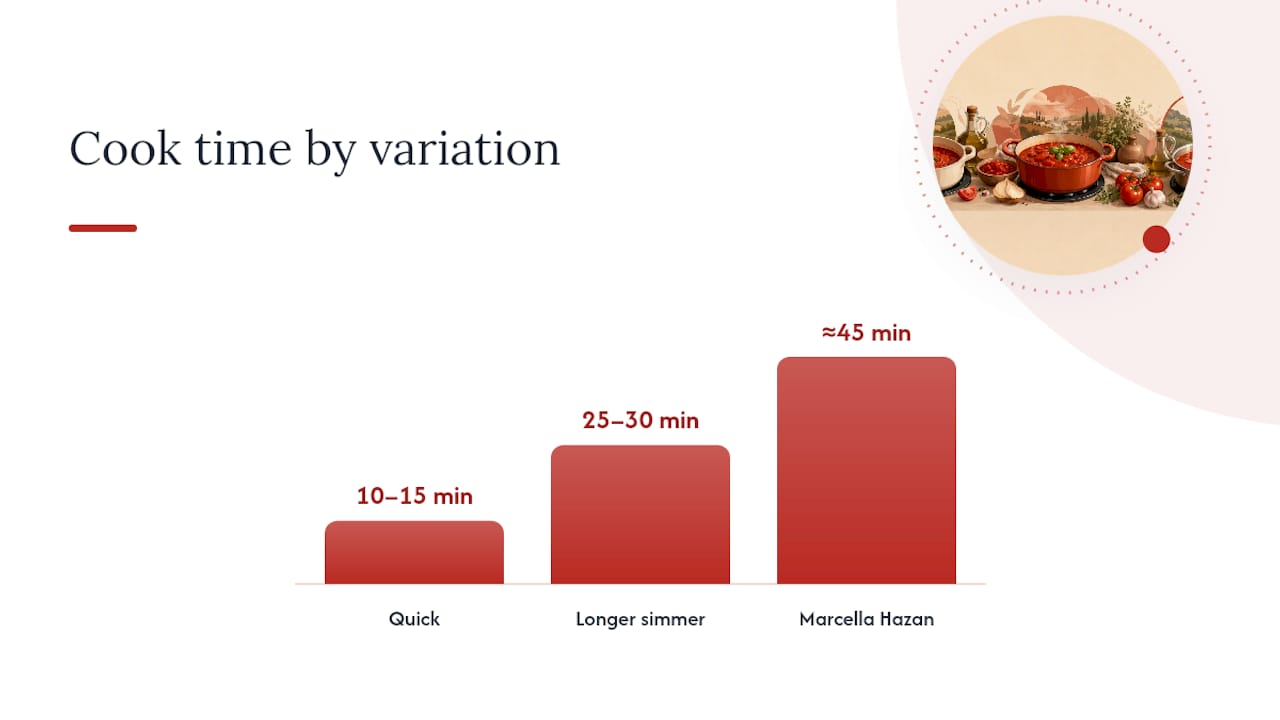
A 10–15 minute cook produces a bright, fresh-tasting sauce with visible tomato texture. A 25–30 minute simmer gives you something richer and more concentrated. Both are legitimate. The quick version is better for pizza and lighter pasta dishes; the longer one suits baked pasta and chicken parmesan.
Spicy marinara
Add ¼ to ½ teaspoon of crushed red pepper flakes with the garlic. For a deeper heat, use a whole dried chile and remove it before serving.
Marcella Hazan–style (butter and onion)
Marcella Hazan’s famous tomato sauce replaces olive oil with butter and adds a halved onion that cooks in the sauce and is removed before serving. The result is velvety, sweet, and distinctly different from a standard marinara. It takes about 45 minutes and is worth making when you have the time and want something richer for fresh pasta or gnocchi.
Fresh tomatoes
Fresh tomatoes work in summer when they are genuinely ripe. Peel, seed, and roughly chop about 2 pounds of plum tomatoes. Expect a slightly thinner sauce and a shorter shelf life. Canned tomatoes are more consistent year-round and generally recommended.
Variations at a glance:
| Variation | Key change | Best use |
|---|---|---|
| Quick (10–15 min) | Short simmer, chunky texture | Pizza, light pasta |
| Longer simmer (25–30 min) | Reduced, concentrated | Baked pasta, chicken parm |
| Spicy | Red pepper flakes added with garlic | Any pasta, meatball subs |
| Butter and onion | Butter replaces oil, onion simmers in sauce | Fresh pasta, gnocchi |
| Fresh tomato | Ripe plum tomatoes, peeled and chopped | Summer dishes only |
Pro Tip: For a homemade pizza sauce, use the quick version and simmer it 5 minutes longer than you think you need. A slightly thicker sauce prevents a soggy crust.
How to store, freeze, and reheat marinara
Marinara stores well, which makes it one of the most practical sauces to batch-cook.
- Refrigerator: Cool the sauce completely before transferring to an airtight container. It keeps for up to 5 days in the fridge.
- Freezer: Portion into freezer-safe containers or zip-lock bags (lay flat to save space). Marinara freezes well for up to 3 months with minimal quality loss. Thaw overnight in the refrigerator.
- Reheating: Warm gently in a saucepan over medium-low heat, stirring occasionally. Add a splash of water if it has thickened too much.
- Scaling: The recipe doubles and triples cleanly. Use a larger skillet or a Dutch oven for bigger batches.
A note on canning: home canning of tomato sauce requires specific acidity levels and processing times to be safe. The USDA’s National Center for Home Food Preservation provides tested procedures. For most home cooks, freezing is simpler and equally effective.
Pro Tip: After reheating, finish with a fresh torn basil leaf and a small drizzle of olive oil. It takes 10 seconds and makes the sauce taste like it was just made.
What to serve with marinara
Marinara is one of the most versatile sauces in a home cook’s rotation.
Pasta: Toss with spaghetti, rigatoni, or penne for a weeknight dinner. It also works beautifully in baked spaghetti with ricotta and mozzarella, where the sauce soaks into the pasta as it bakes.
Pizza: Spread a thin layer on stretched dough before adding toppings. For vegetarian pizza toppings, pair with roasted red peppers, fresh mozzarella, and arugula. For meat lovers, it holds up under sausage, pepperoni, and caramelized onions.
Chicken parmesan: Spoon generously over breaded, pan-fried chicken cutlets before adding cheese and baking. Forkwardkitchen’s crispy baked chicken parmesan uses a garlic-basil marinara as the base.
Meatball subs: Simmer cooked meatballs directly in the sauce for 10 minutes before loading into a hoagie roll.
Vegetables and fish: Spoon over roasted eggplant, zucchini, or a pan-seared piece of cod. The acidity cuts through richness and ties the dish together.
Pro Tip: For a quick weeknight meal, cook pasta while the sauce simmers. Reserve a cup of pasta water before draining. Add a splash to the sauce when tossing with pasta; it emulsifies the oil and makes the sauce cling.
How this recipe was tested and why it works
Every recipe published on Forkwardkitchen goes through multiple test rounds with real home cooks, not just a single author pass. For this marinara, testing covered short simmer versus long simmer, paste versus no paste, and garlic sliced versus minced. The final version uses sliced garlic (more forgiving on heat), optional paste (bloomed for depth), and a 15–25 minute simmer window that gives you flexibility based on your tomatoes.
The timing and ingredient amounts were chosen to balance brightness, acidity, and body without requiring specialty equipment or hard-to-find ingredients. A wide skillet, a wooden spoon, and a good can of tomatoes are genuinely all you need.
Marinara is one of those recipes where restraint is the technique. The cooks who make it best are the ones who resist the urge to add more. Good tomatoes, gentle heat, and a finishing drizzle of olive oil will outperform a sauce with twice the ingredients every time.
Forkwardkitchen’s pasta recipe collection demonstrates how this sauce functions across a range of dishes, from quick weeknight bowls to more involved baked projects.
Pro Tip: If a video tutorial is available for this recipe, watch the garlic step once. Seeing the color change from raw to fragrant-golden is more useful than any written description.
Common problems and how to fix them
Sauce tastes too acidic
Try salt first. A pinch of salt often softens perceived acidity more effectively than sugar. If that does not help, simmer uncovered for another 5 minutes to concentrate the tomatoes. A small knob of butter stirred in at the end adds richness that rounds out sharpness. Sugar is a last resort, and a small pinch goes a long way.
Sauce is too thin
- Simmer uncovered over medium heat for 5–10 more minutes.
- Stir in a teaspoon of tomato paste and cook for 2 minutes.
- For a thicker texture without more cooking, blend a quarter of the sauce and stir it back in.
Garlic is bitter or burned
If you catch it early, remove the pan from heat immediately and let it cool for a minute before adding tomatoes. The tomatoes’ acidity will mask mild bitterness. If the garlic is deeply burned, start over: there is no fix for truly scorched garlic. Next time, use medium-low heat and stay at the stove.
Sauce lacks depth
Bloom a tablespoon of tomato paste with the garlic before adding tomatoes. A small amount of anchovy paste (about ½ teaspoon) dissolved in the oil adds umami without any fishy flavor. For a deeper base, a slow-cooked soffritto of onion, carrot, and celery takes more time but transforms the sauce entirely.
Pro Tip: Keep a tube of tomato paste in the fridge rather than a can. You use a tablespoon at a time, and the tube keeps for months without waste.
My favorite way to finish this sauce
Honestly, the version I come back to most is the simplest one: 20 minutes, no paste, garlic sliced thin, and a heavy pour of olive oil at the end. The sauce stays bright and a little loose, which means it coats pasta without weighing it down. My one non-negotiable is the finishing basil. Torn, not chopped, added off the heat so it wilts gently rather than cooking down to nothing.
If you try the Marcella Hazan butter-and-onion version, do it on a weekend when you have 45 minutes and good fresh pasta. It is a completely different sauce, and both are worth knowing.
Try the variations, see what fits your kitchen, and leave a comment on the recipe page with what worked for you.
Forkwardkitchen’s pasta and sauce recipes
Forkwardkitchen’s pasta recipe collection covers everything from quick weeknight bowls to weekend baked dishes, all tested to the same standard as this marinara. If you made this sauce and want to put it to work immediately, the baked spaghetti with meaty marinara and ricotta is the natural next step: the sauce bakes into the pasta with mozzarella and ricotta for a dish that feeds a crowd with minimal effort. Browse the full recipe library to find more dishes that use this sauce as a base, from chicken parmesan to meatball subs. Every recipe carries an honest difficulty rating so you know exactly what you are getting into before you start.
Sources
- Classic Marinara Sauce Recipe (4 Ingredients!) | The Kitchn
- Homemade Marinara Sauce Recipe
- Classic Marinara Sauce Recipe
- Marinara sauce - Mayo Clinic