July 25, 2026
From Scratch Recipes: Your Complete Home Cook's Guide
Discover the joy of cooking with from scratch recipes! Enjoy better flavor, nutrition control, and savings while mastering new skills.
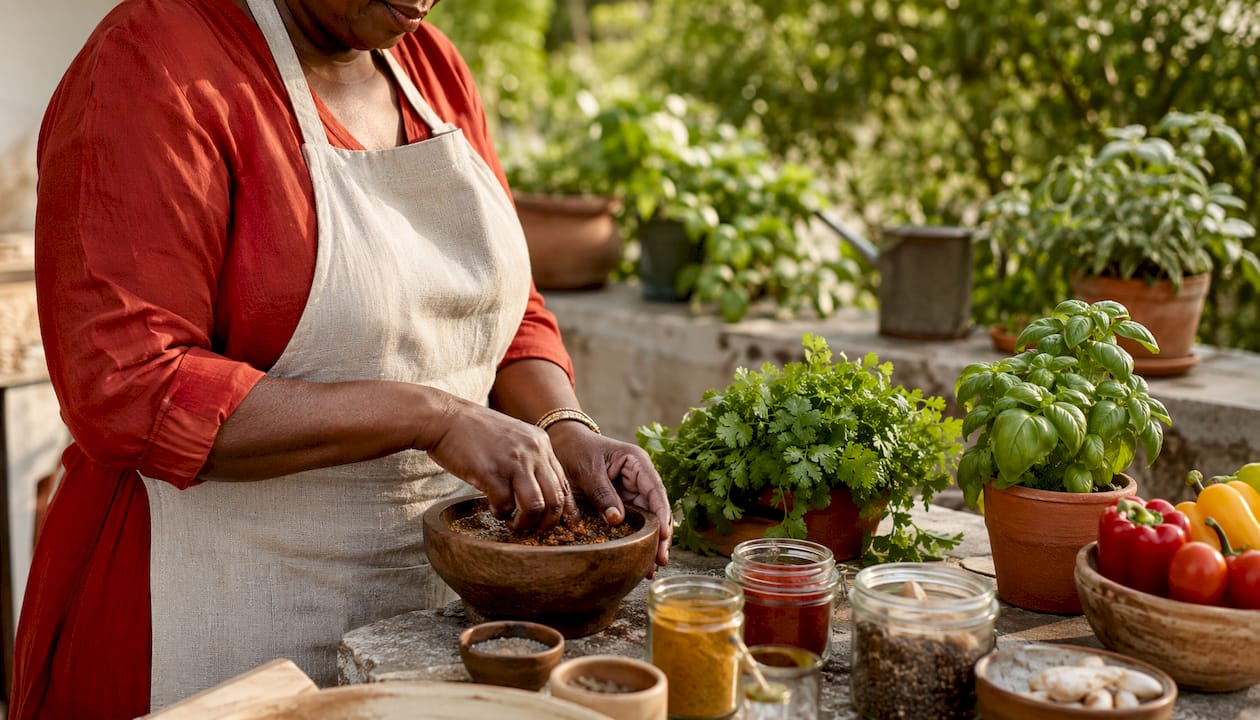
From Scratch Recipes: Your Complete Home Cook’s Guide
Cooking from scratch means preparing meals entirely from raw, unprocessed ingredients, no boxed mixes, no canned sauces, no shortcuts. You control every flavor, every texture, every ingredient that goes into your food. The payoff is real: better taste, cleaner nutrition, and a grocery bill that actually reflects what you’re eating rather than what a manufacturer packaged for you. Switching to scratch cooking for staples like bread, yogurt, and condiments cuts grocery costs by eliminating the premium built into convenience products. Beyond the savings, there’s something genuinely satisfying about knowing exactly what’s in your food.
Here’s what scratch cooking consistently delivers:
- Better flavor — fresh ingredients without preservatives taste noticeably different
- Nutritional control — you decide what goes in, and what stays out
- Cost savings — raw ingredients almost always cost less than their processed equivalents
- Skill growth — each recipe you repeat builds real kitchen confidence
- Less waste — buying whole ingredients means fewer single-use packages
Table of Contents
- 1. Top appetizers you can make entirely from scratch
- 2. Essential side dishes crafted entirely from scratch
- 3. Hearty dinner recipes prepared fully from raw ingredients
- 4. Comforting soups made entirely from scratch ingredients
- 5. Delicious desserts and pies created completely from scratch
- 6. How to start cooking from scratch: practical tips for home cooks
- 7. Breakfast recipes you can make from scratch every morning
- 8. Baking basics and techniques for scratch cooking
- 9. Meal planning and prepping from scratch recipes
- 10. Vegan and vegetarian from scratch options
- Forkwardkitchen brings tested scratch recipes to your kitchen
- Key Takeaways
1. Top appetizers you can make entirely from scratch
Appetizers are the perfect entry point for from scratch cooking. They’re small, fast, and forgiving, which makes them ideal for building confidence before tackling a full dinner.
- Whipped ricotta with herbs — blend whole-milk ricotta with olive oil, lemon zest, and fresh thyme; serve with sliced baguette
- Homemade hummus — dried beans cooked from scratch give you full control over texture and seasoning, far beyond what a can delivers
- Guacamole — ripe avocados, lime, cilantro, and a pinch of cumin; nothing processed required
- Stuffed mushrooms — fill cremini caps with a mix of sautéed garlic, breadcrumbs you made from stale bread, and Parmesan
- Homemade salsa — roasted tomatoes, charred jalapeños, and fresh lime juice blended to your heat preference
- Spinach and artichoke dip — made with a simple béchamel base instead of cream cheese from a tub
- Deviled eggs — a classic that’s already 100% scratch by nature; the only variable is your mustard-to-mayo ratio
Pro Tip: Make your own spice blends for dips and spreads. A homemade everything bagel seasoning or za’atar costs pennies and tastes sharper than anything pre-mixed.
2. Essential side dishes crafted entirely from scratch
Side dishes are where scratch cooking habits really take hold. Most store-bought shortcuts here — bottled dressings, seasoning packets, pre-cut vegetables — are easy to replace once you know the base technique.
- Homemade vinaigrette — salad dressings are quick to prepare and eliminate processed bottled versions entirely; a 3:1 oil-to-acid ratio is your foundation
- Roasted root vegetables — carrots, parsnips, and beets tossed in olive oil and sea salt; no seasoning packet needed
- Garlic mashed potatoes — boiled Yukon Golds, real butter, warm cream; the texture alone justifies skipping the box
- Homemade dinner rolls — a simple yeast dough that takes about two hours start to finish
- Cooked-from-scratch beans — black beans or chickpeas simmered with aromatics have a creamier texture than canned
- Cucumber and dill salad — thinly sliced cucumbers, rice vinegar, fresh dill, and a touch of honey
- Sautéed greens — kale or Swiss chard with garlic and red pepper flakes; five minutes, zero additives
Cutting your own vegetables at home instead of buying pre-cut bags is one of the simplest ways to reduce plastic waste while keeping produce fresher longer.
3. Hearty dinner recipes prepared fully from raw ingredients
Dinner is where scratch cooking pays off most visibly. Homemade sauces, properly seasoned proteins, and real stock change the flavor profile of a dish in ways that no jarred shortcut can replicate.
- Chicken piccata — pan-seared chicken cutlets with a lemon-caper pan sauce built from the fond; no premade sauce involved
- Beef Bolognese — ground beef, soffritto, crushed tomatoes, and a long simmer; the kind of depth that only time creates
- Sloppy Joes from scratch — homemade filling with caramelized onions and a tomato-based sauce; resting the filling overnight improves flavor melding and sauce thickness noticeably
- Vegetarian lentil curry — red lentils, canned whole tomatoes (the one reasonable shortcut), and a bloom of whole spices in hot oil
- Skillet chicken thighs with pan sauce — bone-in thighs, deglazed with white wine and chicken stock you made yourself
- Slow cooker pot roast — chuck roast, root vegetables, and a braising liquid built from scratch with beef stock and tomato paste
- Homemade pasta with marinara — fresh egg pasta and a sauce that starts with whole San Marzano tomatoes
One technique worth learning early: cook tomato paste directly against a hot pan for about 90 seconds before adding liquid. That brief caramelization builds a layer of savory complexity that no jarred sauce can match.
For weeknight dinner inspiration across global cuisines, Forkwardkitchen’s global dinner recipes cover everything from Thai-inspired stir-fries to Mediterranean braises, all built from basic ingredients.
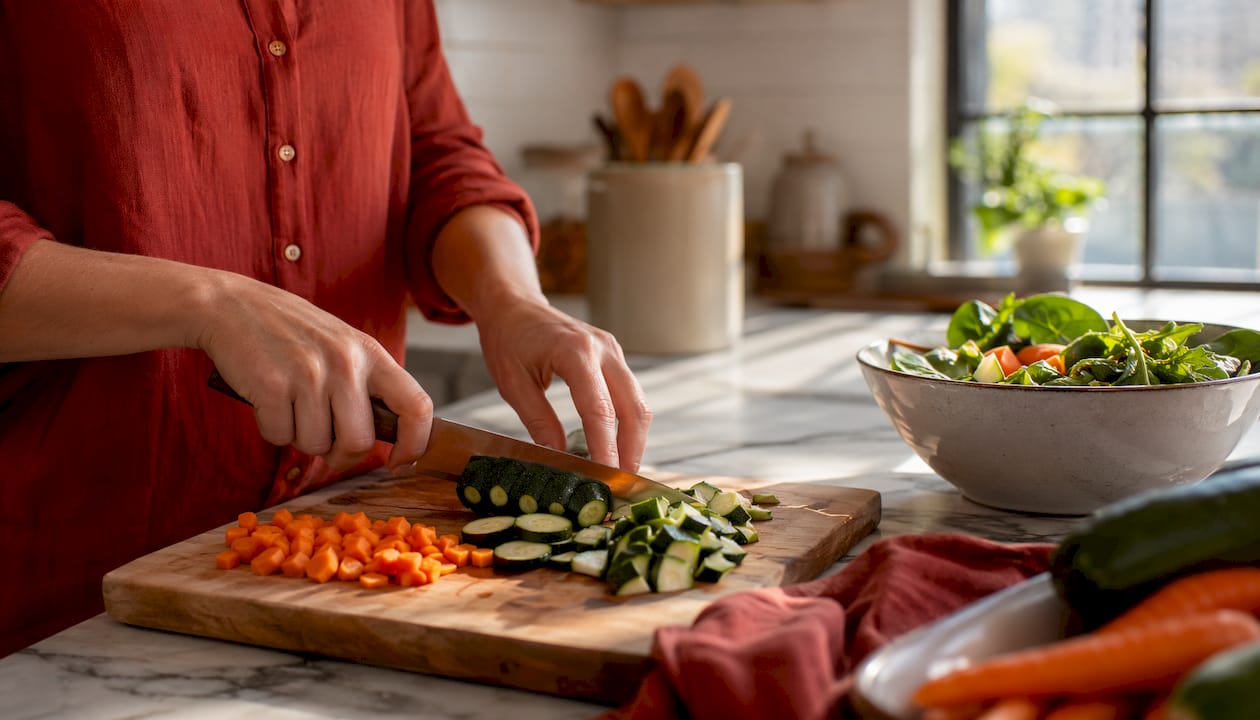
4. Comforting soups made entirely from scratch ingredients
Soup is the most forgiving category in scratch cooking. It rewards improvisation, uses up odds and ends, and almost always tastes better the next day.
- Homemade chicken noodle soup — built on a stock you simmered yourself from a carcass; the difference from carton stock is immediate
- Roasted tomato bisque — oven-roasted tomatoes blended with sautéed shallots and a splash of cream
- White bean and kale soup — scratch-cooked cannellini beans, Tuscan kale, and a Parmesan rind for depth
- French onion soup — deeply caramelized onions, beef stock, and a broiled gruyère crust; patience is the only special ingredient
- Vegetable minestrone — whatever’s in your crisper drawer, a scratch tomato broth, and small pasta
- Lentil and cumin soup — red lentils, cumin, coriander, and a finishing drizzle of lemon-infused olive oil
Batch cooking chicken stock is inexpensive and dramatically improves the flavor foundation of nearly every soup you make. Freeze it in one-cup portions and you’ll always have a head start.
5. Delicious desserts and pies created completely from scratch
Baking from scratch gives you control that boxed mixes simply can’t offer. You adjust sweetness, texture, and flavor at every stage, and the results show.
- Classic apple pie — homemade all-butter crust, fresh-sliced apples, brown sugar, cinnamon, and a touch of nutmeg
- Chocolate layer cake — Dutch-process cocoa, real buttermilk, and a ganache frosting made from cream and good chocolate
- Vanilla bean no-bake cheesecake — a scratch-made dessert that skips the oven entirely while still delivering clean, sharp flavor
- Banana pudding — homemade vanilla custard layered with fresh bananas and wafers; nothing from a box
- Lemon tart — a pâte sucrée shell filled with lemon curd made from eggs, butter, and fresh juice
- Bakery-style blueberry muffins — the sour cream technique gives you that domed, crackled top that boxed mixes never achieve
- Peach cobbler — fresh or frozen peaches under a drop biscuit topping made from flour, butter, and buttermilk
6. How to start cooking from scratch: practical tips for home cooks
The biggest obstacle for most beginners isn’t skill — it’s the unfamiliarity of a new routine. Scratch cooking feels slow at first because every recipe is new. That changes faster than you’d expect.
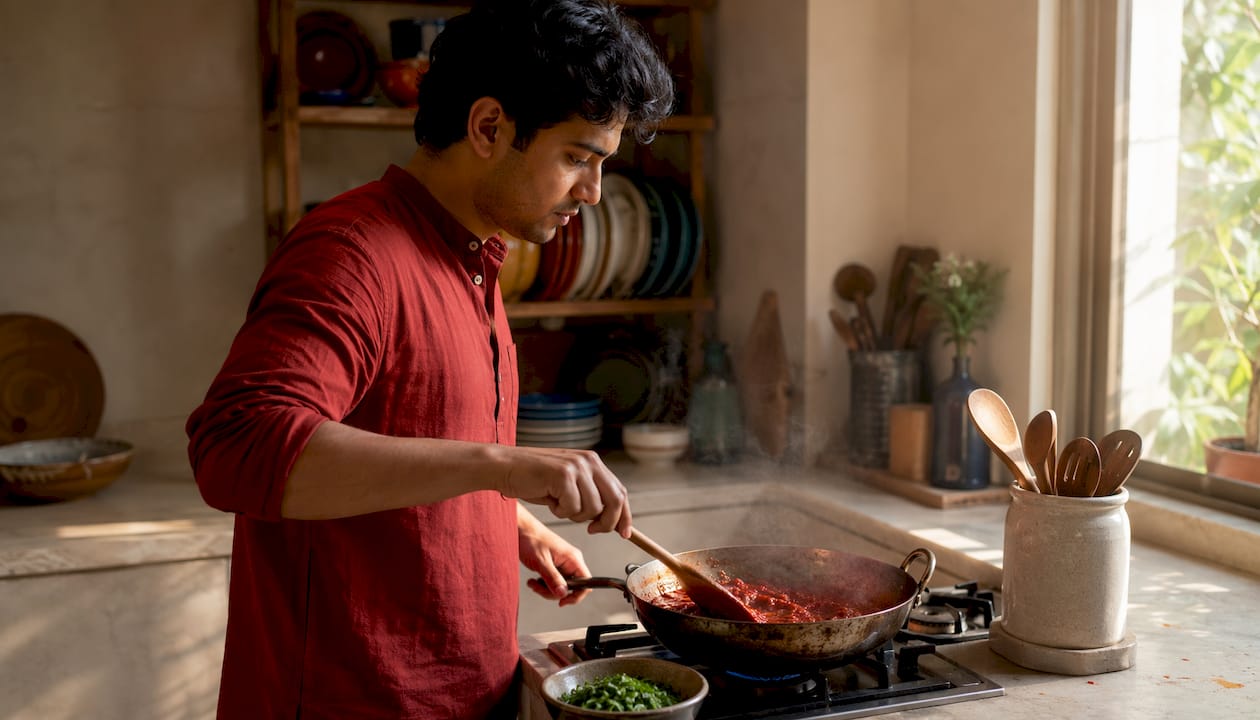
Most recipes take three to five repetitions before they feel effortless. The first time you make a vinaigrette, you’re measuring. By the fifth time, you’re eyeballing it. That habituation is the actual skill you’re building.
Pro Tip: Pick three staple recipes — a salad dressing, a simple soup, and one dinner — and cook them on rotation for a month. Familiarity with a small set of recipes builds more confidence than trying something new every week.
Here’s a practical checklist to get started:
- Start with staples — bread, tortillas, dressings, and sauces offer the best return on effort
- Build your pantry — olive oil, dried beans, whole grains, canned whole tomatoes, and good salt cover most recipes
- Get a few reliable tools — a sharp chef’s knife, a heavy-bottomed skillet, and a Dutch oven handle almost everything
- Plan before you shop — knowing what you’ll cook prevents impulse buys and ingredient waste
- Embrace iteration — a recipe that’s “pretty good” the first time is usually excellent by the third
For easy weeknight meal ideas that build scratch cooking confidence, starting with simple, structured recipes helps establish the habit without the pressure.
7. Breakfast recipes you can make from scratch every morning
Breakfast is often the most processed meal of the day, which makes it one of the easiest to reclaim. Pancakes, waffles, granola, and egg dishes all come together quickly from basic pantry staples.
Fluffy buttermilk pancakes need only flour, baking powder, an egg, and buttermilk. Homemade granola is oats, honey, oil, and whatever nuts or dried fruit you have. A proper frittata uses eggs, whatever vegetables are in the fridge, and a handful of cheese. The scratch breakfast recipes at Forkwardkitchen cover everything from quick egg dishes to weekend-worthy bakes, all built without mixes or shortcuts.
Tangzhong cinnamon rolls are the weekend project worth attempting once you’re comfortable with yeast doughs. The tangzhong method keeps rolls soft for days longer than a standard recipe.
8. Baking basics and techniques for scratch cooking
Baking from scratch rewards precision more than cooking does. A few foundational techniques make the difference between results that work and results that are genuinely good.
Mise en place — measure and prepare every ingredient before you start. Baking moves fast once it begins, and scrambling for a missing ingredient mid-mix causes errors.
Fat temperature matters. Butter at room temperature creams properly with sugar; cold butter doesn’t. Melted butter produces a denser, chewier texture, which is exactly what you want in a brownie but not in a layer cake.
Don’t overmix. Once flour hits a wet batter, gluten develops. Overmixing makes muffins and quick breads tough. Stir until just combined and stop.
Learn to read your dough. Bread dough that passes the windowpane test — stretching thin without tearing — has developed enough gluten. No timer tells you that; your hands do.
For more advanced techniques, Forkwardkitchen’s advanced recipes include detailed instructions and honest difficulty ratings so you know exactly what you’re getting into.
9. Meal planning and prepping from scratch recipes
Scratch cooking and meal planning work together better than most people realize. The main time cost in scratch cooking isn’t the cooking itself — it’s the decision-making. Planning removes that friction entirely.
Pick four to five recipes for the week on Sunday. Write one shopping list. Buy only what you need. Then do one prep session: wash and chop vegetables, cook a pot of grains, make a batch of stock or a sauce. That single hour of prep makes every weeknight dinner faster.
Batch cooking is the multiplier. A pot of beans cooked on Sunday becomes a side dish Monday, a soup Tuesday, and a taco filling Wednesday. One effort, three meals. The same logic applies to roasted vegetables, cooked grains, and marinated proteins.
For dough alternatives and other scratch-made substitutions for common pre-made products, having a reference list of homemade swaps helps when you’re mid-recipe and want to avoid a store run.
10. Vegan and vegetarian from scratch options
Plant-based scratch cooking is where the pantry really earns its keep. Dried legumes, whole grains, fresh vegetables, and good fats are the foundation of some of the most satisfying meals you can make.
Scratch-cooked chickpeas in a tomato-and-spinach masala. A lentil shepherd’s pie with a cauliflower mash topping. Homemade vegetable stock that turns a simple grain bowl into something with actual depth. Black bean tacos with a fresh mango salsa made from scratch in five minutes.
The key shift for vegan scratch cooking is building umami without meat. Miso paste, nutritional yeast, sun-dried tomatoes, and caramelized onions all do this. Roasting vegetables at high heat concentrates their natural sugars and creates browning that adds complexity. A well-seasoned cast iron skillet and a hot oven are your best tools.
Browse Forkwardkitchen’s full recipe collection for tested vegetarian and vegan options across every meal category.
Forkwardkitchen brings tested scratch recipes to your kitchen
Every recipe on Forkwardkitchen is built from basic ingredients and tested until it actually works, not just once, but repeatedly across different kitchens and skill levels. That’s the difference between a curated recipe roundup and a site where someone has genuinely cooked the food.
Whether you’re making your first homemade vinaigrette or tackling a multi-day bread project, Forkwardkitchen gives you honest difficulty ratings, complete instructions, and the kind of practical detail that makes the difference between a recipe you abandon halfway through and one you cook on repeat. No guesswork about whether a technique will work. No vague instructions that assume you already know what “fold gently” means in context.
Browse the full scratch recipe library and find your next kitchen project.
Key Takeaways
Scratch cooking delivers better flavor, real cost savings, and lasting kitchen skills when you build the habit around a small set of reliable staple recipes.
| Point | Details |
|---|---|
| Start with staples | Bread, dressings, and beans offer the best return on effort for new scratch cooks. |
| Repetition builds skill | Most recipes take three to five repetitions before they feel effortless and intuitive. |
| Batch cooking multiplies effort | One Sunday prep session — stock, grains, beans — fuels multiple weeknight meals. |
| Technique over shortcuts | Skills like tomato paste caramelization and fat temperature control deliver flavor no packaged product matches. |
| Forkwardkitchen | Offers original, thoroughly tested scratch recipes with honest difficulty ratings for every skill level. |