July 26, 2026
Cacio e Pepe: Authentic Recipe and Best US Spots
Discover how to make authentic cacio e pepe with just three ingredients and find the best spots in the US to savor this iconic dish!
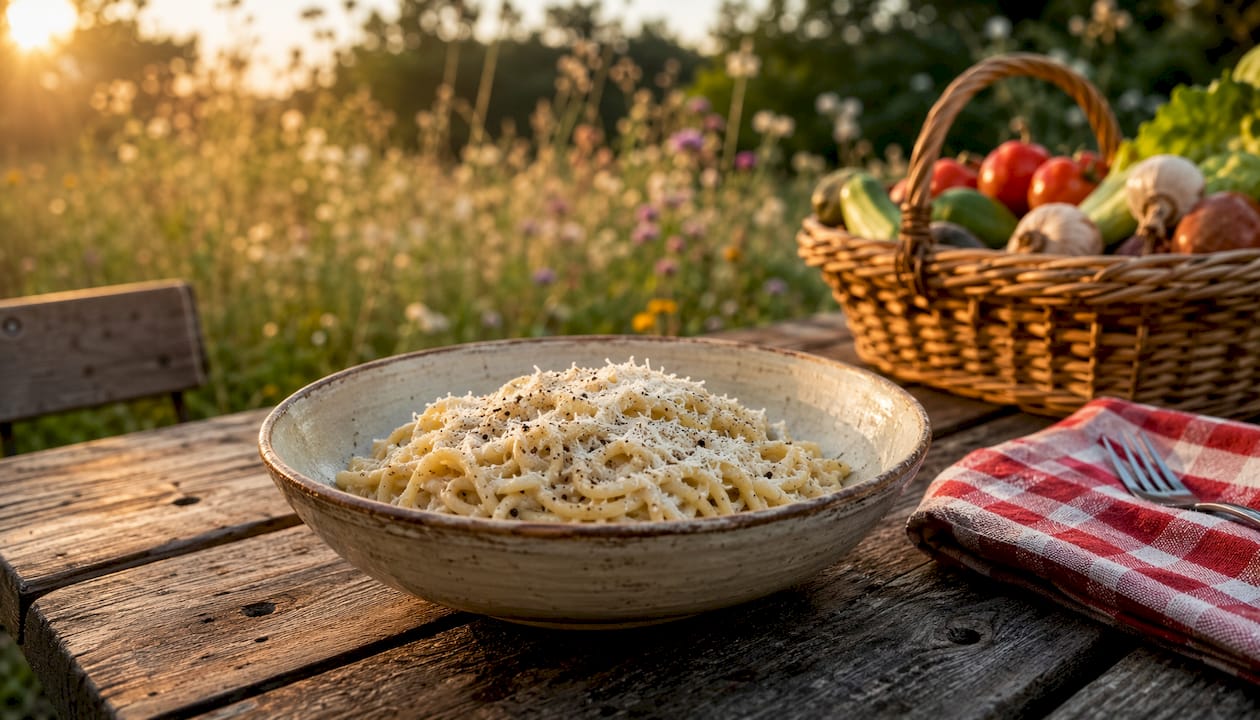
Cacio e Pepe: Authentic Recipe and Best US Spots
Cacio e pepe is three ingredients and one of the most technically demanding pasta dishes you can make. The name translates literally from Italian as “cheese and pepper,” and the dish delivers exactly that: spaghetti (or tonnarelli) coated in a glossy, sharp sauce built from Pecorino Romano and freshly cracked black pepper. No cream, no shortcuts. The authentic cacio e pepe relies entirely on the emulsification of finely grated cheese with starchy pasta water to create its signature silky texture.
Here is what goes into the real thing:
- Pasta: Spaghetti is the most practical choice; tonnarelli is traditional but harder to find. Bucatini works but is trickier to toss evenly.
- Pecorino Romano: Sharp, salty, and made from sheep’s milk. This is the backbone of the sauce’s flavor.
- Black pepper: Whole peppercorns, toasted and coarsely crushed. Not pre-ground dust, with attention to the type and freshness of black pepper deeply affecting the authentic cacio e pepe flavor.
- Pasta water: The starchy liquid left from cooking is what binds cheese to noodle. Reserve at least a cup before draining.
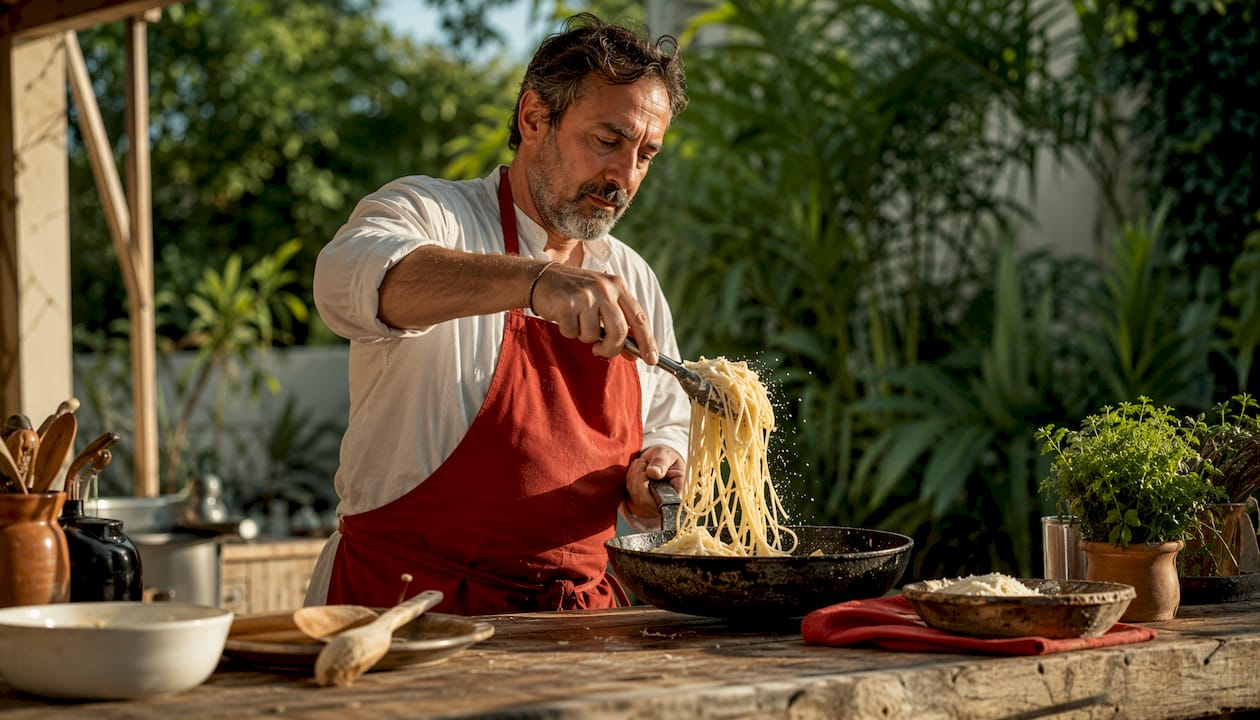
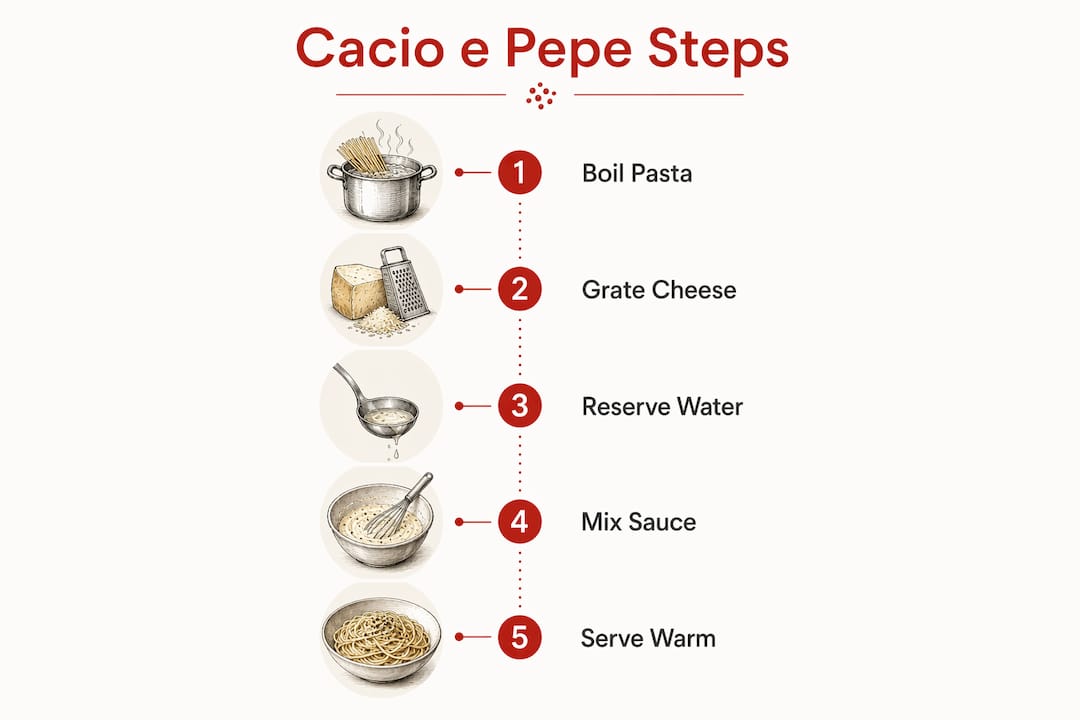
The basic method: cook pasta until just shy of al dente, reserve starchy water, toast and crush peppercorns, build a cheese paste with hot pasta water, then toss everything together off heat. Serve immediately.
Table of Contents
- Where can you eat great cacio e pepe in the US?
- What mistakes ruin cacio e pepe at home?
- Where did cacio e pepe actually come from?
- How do you choose and store the right ingredients?
- How do you get the texture right and serve it perfectly?
- How do chefs and regions adapt the dish?
- What should you drink and eat alongside cacio e pepe?
- How should you plate cacio e pepe?
- How long does cacio e pepe take to make?
- Forkwardkitchen: tested recipes you can trust at home
- Key Takeaways
Where can you eat great cacio e pepe in the US?
The dish has moved well beyond Rome. A handful of US restaurants have built real reputations around it, each with a distinct approach.
| Restaurant | Location | Style | Best For |
|---|---|---|---|
| Forkward Kitchen Recipes | Online (US-wide) | Tested home recipes | Home cooks wanting reliable, expert-guided results |
| Cacio e Pepe Italian | North Miami, FL | Classic Roman | Diners seeking traditional execution |
| Baiocco Osteria del Mare | Miami area | Elevated Italian seafood | Innovative pairings with rustic Italian roots |
| Dal Plin | US | Homestyle Italian | Fresh pasta, balanced spice |
| dōma | US | Modern Italian | Contemporary presentation of Roman classics |
| Macchialina | Miami area | Rustic Italian | Artisanal cheese and pepper focus |
Cacio e Pepe Italian (North Miami) has built its identity around the dish itself. The restaurant’s commitment to classic regional execution means the pasta arrives the way it should: glossy, peppery, and unapologetically simple. For anyone in South Florida who wants to taste the benchmark before attempting it at home, this is the obvious starting point.
Baiocco Osteria del Mare takes a more elevated angle, pairing refined rustic Italian cooking with seafood. Their cacio e pepe sits within a broader menu that rewards adventurous eaters, and the kitchen’s attention to ingredient quality carries through to the pasta course.
Dal Plin leans into the homestyle tradition, with fresh pasta and a careful hand with spice. The spicy variation of the dish here shows how a kitchen can honor the original while adding personality without losing the dish’s essential character.
dōma is where the dish gets a modern frame. The presentation is contemporary, the atmosphere casual-cool, and the kitchen isn’t afraid to riff on the Roman template. It suits diners who want the flavor without the strictly traditional setting.
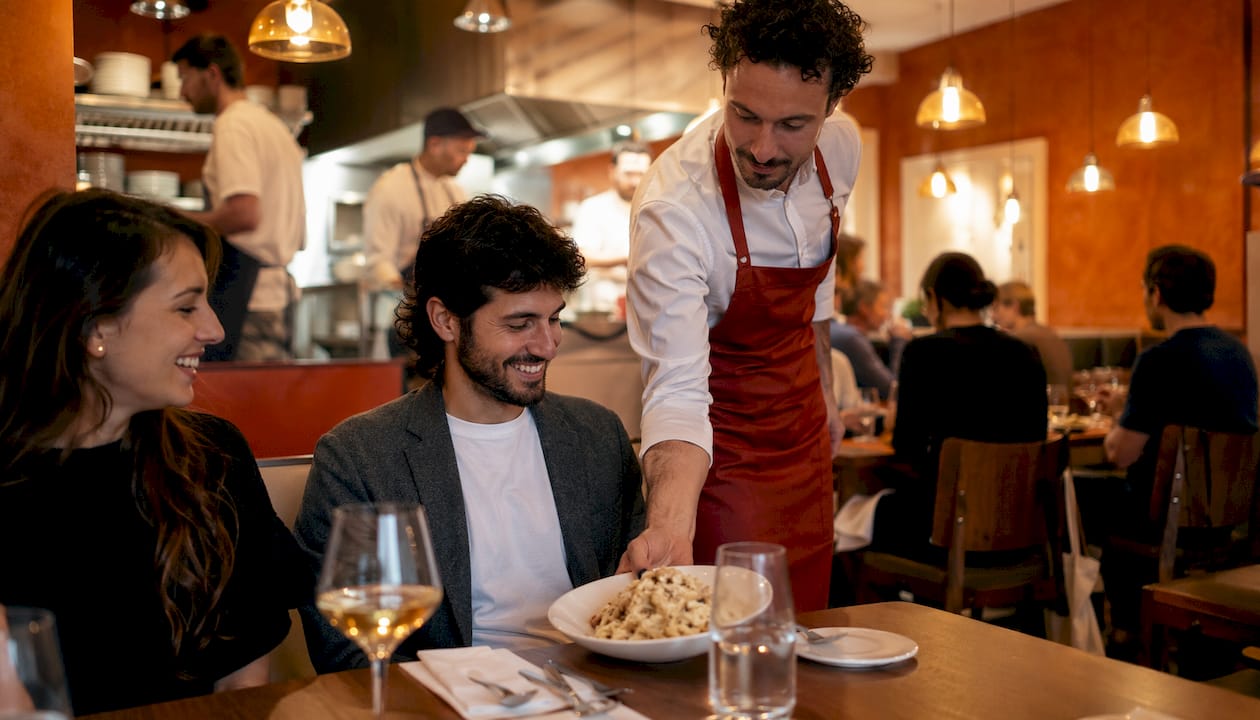
Macchialina keeps it cozy and focused. The emphasis on quality cheese and the pepper-to-cheese ratio makes this one of the more technically faithful versions available in the Miami area. For lovers of rich, hearty Roman pasta in a no-fuss room, it delivers.
What mistakes ruin cacio e pepe at home?
Most failures come down to heat and timing. The key to perfect texture is controlling protein denaturation and starch integration during emulsification. In plain terms: if the pan is too hot when you add the cheese, it seizes into rubbery clumps. If you walk away for five minutes before serving, the sauce tightens and loses its coating quality.
The most common errors:
- Overheating the cheese: Always add Pecorino off heat or on very low heat. The residual warmth of the pasta does the work.
- Skipping the cheese paste: Mashing finely grated cheese with a few tablespoons of hot pasta water before adding it to the pan creates a slurry that melts evenly. Dumping dry cheese straight onto noodles is a clumping guarantee.
- Using too much water: The sauce should coat, not pool. Add pasta water in small increments.
- Serving late: Delayed serving causes the sauce to thicken and lose its silky coating. Set the table before you start cooking.
- Skipping the toast: Toasting peppercorns releases volatile aromatic oils that add depth well beyond simple heat. Two minutes in a dry pan makes a real difference.
Cooking pasta in less water concentrates the starch in the reserved liquid, which makes emulsification significantly easier. Fill the pot only halfway.
Pro Tip: Make the cheese paste before the pasta finishes cooking. Drizzle hot pasta water into the grated Pecorino a tablespoon at a time, mashing with a fork until it becomes a smooth, pliable paste. This step is what separates a glossy sauce from a grainy one.
Finely grating Pecorino Romano on a Microplane or the fine holes of a box grater is non-negotiable. Coarser shreds won’t melt fast enough and will clump before they integrate.
Where did cacio e pepe actually come from?
The dish traces back to Italian shepherds who needed portable, shelf-stable food for long grazing seasons in the mountains. Dried pasta, aged Pecorino, and dried peppercorns were all durable enough to travel. The pepper served a practical purpose beyond flavor: it generated warmth in cold conditions.
Rachel Roddy, the British food writer and Rome resident whose work on Roman cooking is widely respected, has written about the dish’s origins as a study in necessity becoming tradition. Black pepper was historically expensive and scarce, which is part of why its generous use in cacio e pepe signals a certain abundance. As trade routes opened and pepper became more accessible, it moved from luxury to staple, and the dish evolved with it.
The technique itself reflects that evolution. Early versions were rougher, relying on the fat in aged cheese to bind things together. The modern emphasis on precise starch concentration and temperature control is a refinement that came with better understanding of what was always happening chemically in the pan.
How do you choose and store the right ingredients?
The quality of cacio e pepe lives or dies with two ingredients: the cheese and the pepper.
- Pecorino Romano: Look for the label “Pecorino Romano DOP,” which guarantees authentic sheep’s milk cheese from specific regions of Italy. The texture should be dry and crumbly, not waxy. Avoid pre-grated versions; they contain anti-caking agents that prevent smooth melting. Buy a wedge and grate it yourself.
- Black pepper: Always buy whole peppercorns. Pre-ground pepper loses its volatile oils quickly and produces the fine gray dust that turns pasta an unappetizing color. Tellicherry peppercorns offer a particularly complex, fruity heat that works well here.
- Pasta: Dried spaghetti from a quality Italian producer (De Cecco or Rustichella d’Abruzzo are widely available in the US) holds starch better than cheap alternatives. Bronze-die extruded pasta has a rougher surface that grips sauce more effectively.
- Storage: Keep Pecorino wrapped in parchment, then loosely in plastic, in the coldest part of the refrigerator. Store whole peppercorns in an airtight container away from light. Dried pasta keeps indefinitely in a cool, dry pantry.
Parmesan or Grana Padano can supplement Pecorino for a slightly milder, nuttier result, but replacing Pecorino entirely changes the dish’s character.
How do you get the texture right and serve it perfectly?
The sauce is alive. It keeps thickening from the moment it leaves the heat, which means the window for perfect texture is narrow.
Pull the pasta from the water about two minutes before the package says it’s done. It finishes cooking in the pan with the pepper and pasta water, absorbing starch and flavor simultaneously. Toss constantly during this stage; the motion is what builds the emulsion. Once the cheese paste goes in, work quickly and keep the heat low. The sauce should look glossy and coat each strand without pooling at the bottom of the bowl.
Warm your serving bowls. Cold ceramic pulls heat from the pasta instantly and accelerates sauce thickening. A quick rinse with hot water before plating buys you another minute of ideal texture.
How do chefs and regions adapt the dish?
The purist Roman version uses only pasta, Pecorino, and pepper. Everything else is adaptation, and there is a wide spectrum.
Bon Appétit’s widely used recipe adds butter to help the sauce emulsify and bloom the pepper’s fragrance, plus Grana Padano alongside the Pecorino for balance. This is the most common restaurant shortcut in the US, and it produces a more forgiving, slightly richer result. Some Roman trattorias use a small amount of olive oil for the same reason.
Chef-driven versions push further. Tonnarelli all’uovo (egg-based square spaghetti) is the traditional Roman shape and gives the sauce more to cling to. Some kitchens fold in a small amount of guanciale fat to add depth without changing the dish’s identity. In New York, several restaurants have experimented with aged Gouda or Manchego alongside Pecorino, which shifts the flavor profile toward nuttier, less sharp territory.
The risotto technique, where pasta is cooked directly in a measured amount of water that is fully absorbed, concentrates starch dramatically and produces an intensely creamy result without any additional fat. It requires precision but rewards the effort.
What should you drink and eat alongside cacio e pepe?
The dish’s sharpness and pepper heat call for wines with enough acidity to cut through the fat without competing with the spice. A crisp white from central Italy works best: Vermentino, Frascati, or a Greco di Tufo. If you prefer red, a light Cesanese from Lazio is the traditional Roman pairing and keeps the pepper from overwhelming the wine.
For sides, keep it simple. A green salad dressed with lemon and olive oil provides contrast without distraction. Garlic bread is always welcome. Avoid anything heavily sauced or spiced alongside the pasta, since the dish is already doing a lot of flavor work on its own.
How should you plate cacio e pepe?
Use tongs to twist the pasta into a tight nest in the center of a warm, shallow bowl. This keeps the noodles from spreading flat and losing heat. Finish with a few extra cracks of black pepper directly over the top and, if you want a visual contrast, a light dusting of finely grated Pecorino. No parsley, no drizzle of olive oil, no garnish that doesn’t belong to the dish’s three-ingredient logic.
The presentation should look effortless because the dish is supposed to be effortless. A tangle of glossy, pepper-flecked pasta in a white bowl is already beautiful.
How long does cacio e pepe take to make?
From start to finish, expect a moderate amount of time suitable for home cooking. The breakdown:
- Boiling water and cooking pasta: 15–18 minutes
- Toasting and crushing peppercorns: 4–5 minutes (can overlap with pasta cooking)
- Making the cheese paste and finishing the sauce: 5–7 minutes
The active cooking time once the pasta hits the water is under 10 minutes. The dish rewards preparation: have the cheese grated, the pepper toasted, and the bowls warmed before the pasta goes in. Once you drain the pot, there is no time to improvise.
Forkwardkitchen: tested recipes you can trust at home
Restaurants like Macchialina and Dal Plin are worth visiting, but most nights you want to cook this yourself. That is exactly where Forkwardkitchen earns its place.
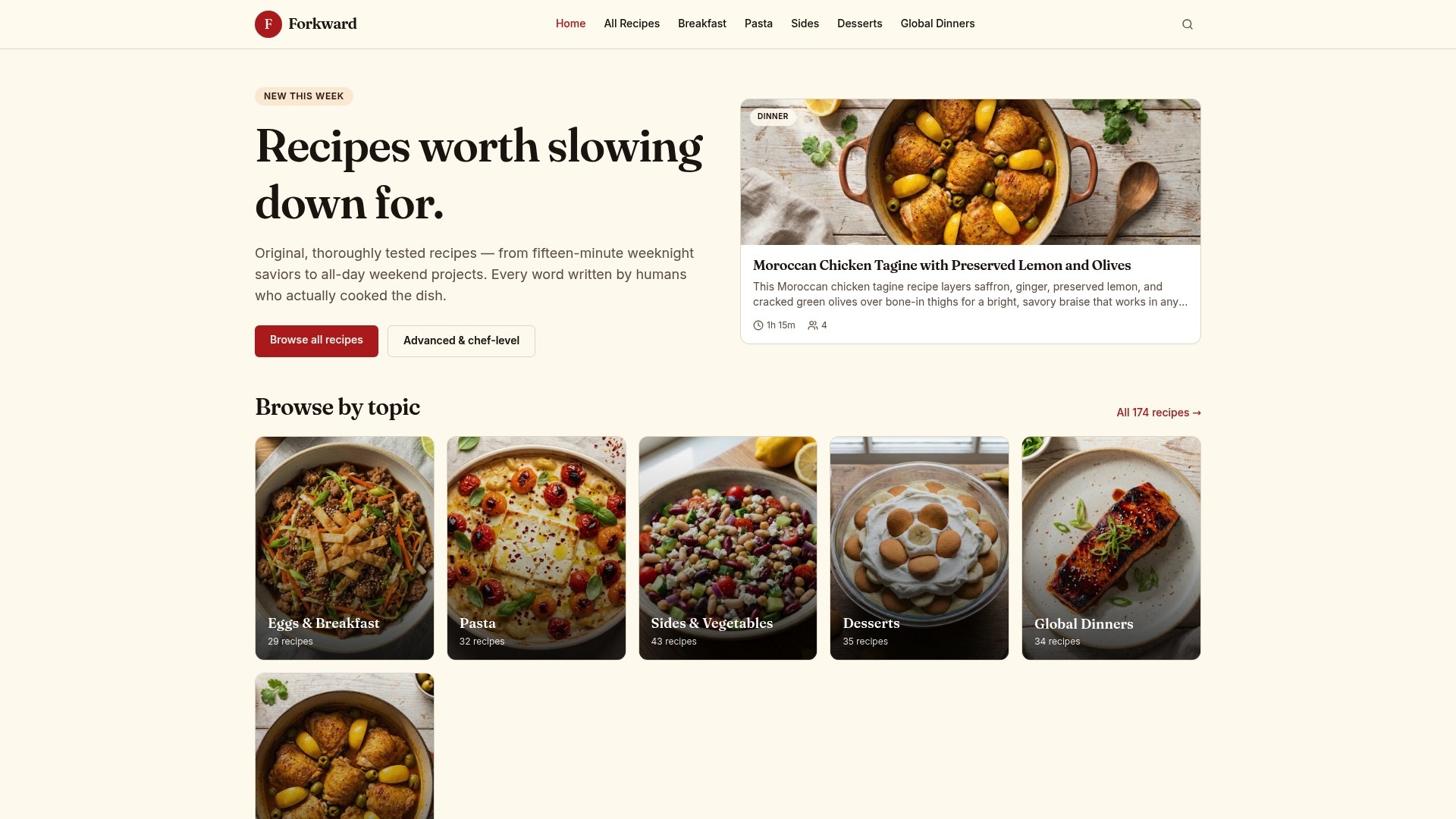
Every recipe on Forkwardkitchen is built from scratch and tested in a real home kitchen, not a professional one. The cacio e pepe recipe comes with honest difficulty ratings, step-by-step instructions written for the moment when things can go sideways (the cheese paste, the timing, the heat), and practical notes on what to do when they do. You get the same depth of technique that a good cooking class would give you, without the scheduling or the cost. Browse the full pasta recipe collection or go straight to the complete recipe library to find your next project.
Key Takeaways
Cacio e pepe requires three core ingredients, precise temperature control, and immediate serving to achieve its signature silky, peppery sauce.
| Point | Details |
|---|---|
| Cheese paste is essential | Mash finely grated Pecorino with hot pasta water before adding to the pan to prevent clumping. |
| Serve without delay | The sauce thickens fast off heat; warm bowls and plate the moment the pasta is coated. |
| Toast the peppercorns | Dry-toasting whole peppercorns releases aromatic oils that add depth beyond simple heat. |
| Use less water to cook pasta | A half-full pot concentrates starch in the reserved liquid, making emulsification easier. |
| Forkwardkitchen for home cooks | Tested cacio e pepe recipes with honest difficulty ratings and step-by-step guidance for every skill level. |